Can You Watch Tv On An Outdoor Projector This Summer
Yes, you can absolutely watch TV on an outdoor projector, and it is one of the best ways to upgrade your summer entertainment. Whether you stream live TV, sports, or movies, an outdoor projector turns your backyard into a personal theater. This guide covers everything you need to know about setting up an outdoor projector for TV, from choosing the right device to picking the perfect screen. You will learn practical tips, common mistakes, and expert advice to make your outdoor viewing experience unforgettable.
Can you watch TV on an outdoor projector? The short answer is a big yes. Outdoor projector TV setups have become incredibly popular over the last few years. People are tired of crowded movie theaters and expensive cable bills. They want to bring the cinema experience home, right into their backyard. And with the right equipment, that dream is easier than ever to achieve.
Summer is the perfect time to try this. The nights are warm, the skies are clear, and there is nothing better than watching your favorite show under the stars. But setting up an outdoor projector for TV watching is not just about buying a projector and pointing it at a wall. There are several things you need to consider. Brightness, screen size, sound quality, and weather resistance all play a role in how good your experience will be.
In this guide, we will walk you through everything. From choosing the right outdoor projector to setting up the perfect screen, we have you covered. You will learn what works, what does not, and how to avoid the mistakes that trip up most beginners. By the end, you will feel confident enough to set up your own backyard cinema this summer.
Key Takeaways
- Watching TV on an outdoor projector is totally doable and creates a cinematic experience in your own backyard.
- Brightness and resolution matter most when choosing a projector for outdoor TV viewing.
- A proper setup includes the right screen, sound system, and streaming device for the best results.
- Weather and ambient light are your biggest challenges, but they can be managed with the right tools.
- Portable projectors offer flexibility for casual movie nights or permanent outdoor entertainment setups.
- Avoiding common setup mistakes saves time, money, and frustration.
- Summer is the perfect season to start your outdoor projector TV journey.
📑 Table of Contents
Can You Watch TV on an Outdoor Projector?
The short answer is yes, you can watch TV on an outdoor projector. But the real question is, how do you do it well? Watching TV outside is different from watching it indoors. You do not have walls to block light, and you do not have a built-in sound system. So you need to think about a few key things before you get started.
First, let us talk about what makes outdoor projector TV watching different from indoor viewing. When you watch TV inside, your room is dark or at least dim. The projector can display a bright, clear image because there is very little competing light. Outside, things change fast. The sun sets, but the sky still glows. Streetlights, porch lights, and even neighbor’s floodlights all add to the ambient light. This can wash out your image and make it hard to see what is happening on screen.
Why People Love Outdoor TV Projectors
There are so many reasons people love watching TV outside with a projector. Here are some of the biggest ones:
- Bigger screen size – A projector can display images from 80 inches to 150 inches or more. No TV on the market comes close to that size at an affordable price.
- Shared experiences – Gather the whole family or host a party. An outdoor projector screen can comfortably seat 20 or more people.
- Cost savings – After the initial setup, streaming content is cheap. You cut the cord and save hundreds every year.
- Versatility – Use it for movies, sports, gaming, and even live TV. One setup serves many purposes.
- Seasonal fun – Summer movie nights, holiday gatherings, and birthday parties all become more memorable with a big outdoor screen.
What You Need to Watch TV on a Projector Outdoors
Before you start, make sure you have the basics. You need a portable projector or a permanent outdoor projector. You need a screen or a flat surface. You need a source for your TV content, like a streaming stick or cable box. And you need power. That is the foundation. Everything else is about making it better.
How to Set Up an Outdoor Projector for TV
Setting up an outdoor projector for TV watching does not have to be complicated. With the right steps, you can have your system running in under an hour. Let us break it down into simple stages.
Step 1: Choose the Right Location
Where you place your projector matters a lot. You want a spot that is away from direct light sources. A shaded area works best. If you have a covered patio or a canopy, that is ideal. The projector should be positioned so it faces the screen or wall without anyone walking in front of the beam.
Also, think about the distance. The further the projector is from the screen, the bigger the image. Most projectors come with a throw ratio chart. Check that chart to find the sweet spot for your space. You want the image to fill the screen without stretching or distorting.
Step 2: Set Up Your Screen
You can use a dedicated outdoor projector screen or a simple white wall. A proper screen gives you better colors and contrast. Inflatable screens are popular because they are easy to set up and take down. Fixed frame screens work great if you have a permanent outdoor entertainment area.
If you are using a wall, make sure it is clean and flat. Any bumps or stains will show up on the projected image. A matte white surface works best for outdoor use because it reflects light evenly.
Step 3: Connect Your Streaming Device
To watch regular TV channels and streaming apps, you need a source device. A streaming stick like a Roku, Amazon Fire Stick, or Chromecast works great. Plug it into the projector’s HDMI port. If your projector does not have an HDMI port, you may need an adapter.
Some people use a cable box or satellite receiver for live TV. This works too. Just make sure all your cables are long enough to reach from the projector to the source device and then to the screen area. Use cable covers to keep things tidy and prevent tripping hazards.
Step 4: Add Sound
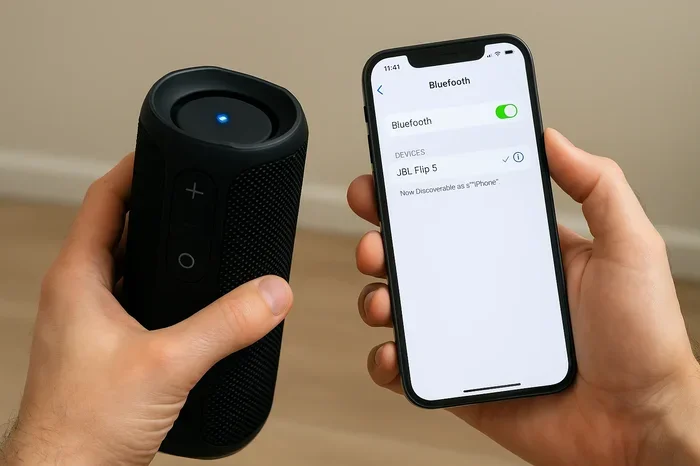
Projectors have tiny built-in speakers, and they are usually not good enough for outdoor use. You need an external sound source. A simple Bluetooth speaker works in a pinch. But for the best experience, consider a portable outdoor speaker system or a soundbar designed for outdoor use.
Good sound makes a huge difference. When you can hear the dialogue clearly and feel the bass during a sports game, the whole experience upgrades. Do not skip this step.
Step 5: Power Everything Safely
Use a grounded outdoor extension cord or a weatherproof power strip. Keep all electrical connections off the ground and away from water. If you have a permanent setup, consider hiring an electrician to install an outdoor outlet. This is safer and looks much better than running cords across your yard.
Best Outdoor Projectors for Watching TV
Not all projectors are created equal. Some are built for dark rooms, and some can handle the great outdoors. When you are looking for a projector to watch TV outside, there are a few key specs you need to pay attention to.
Brightness Matters Most
Brightness is measured in lumens. For outdoor use, especially during early evening or in areas with lots of ambient light, you want at least 3,000 lumens. The higher the lumens, the better the image will look in daylight or twilight conditions. A projector with 2,000 lumens might work for a fully dark backyard, but it will struggle once the sky is still lit.
Projector brightness is the single most important factor for outdoor TV watching. Do not let marketing numbers confuse you. Look for ANSI lumens, which is the most accurate measurement. Cheap projectors sometimes list “LED lumens” or “light source lumens,” which are inflated numbers.
Resolution and Contrast
For watching TV, you want at least a 1080p resolution. That gives you a sharp, detailed picture. If your budget allows, look for a 4K projector. The extra detail is noticeable, especially on larger screens. Projector contrast ratio also matters. A higher contrast ratio means deeper blacks and more vibrant colors. Look for a contrast ratio of at least 2,000:1 for outdoor use.
Portability vs. Permanence
If you only use your projector a few times a summer, a portable model makes sense. These are lightweight, battery-powered, and easy to carry. Brands like Anker, Nebula, and XGIMI make great portable projectors that work well for casual outdoor TV watching.
If you plan to use your setup all summer long, consider a more permanent installation. A ceiling-mounted or tripod-mounted projector with a dedicated screen gives you the best image quality. These setups cost more upfront but deliver a much better experience over time.
Quick Comparison Table
| Feature | Portable Projector | Permanent Outdoor Projector |
|---|---|---|
| Brightness | 1,000 – 2,500 lumens | 3,000 – 5,000 lumens |
| Resolution | 720p – 1080p | 1080p – 4K |
| Battery | Yes, built-in | No, needs power outlet |
| Setup Time | 5 – 10 minutes | 30 – 60 minutes |
| Price Range | $100 – $500 | $500 – $2,000+ |
| Best For | Casual movie nights | Full-time outdoor TV |
Tips for the Best Outdoor Viewing Experience
Setting up the projector is only half the battle. To really enjoy watching TV outside, you need to think about the whole experience. Here are some tips that make a big difference.
Start Your Movie After Full Dark
One of the biggest tips for outdoor projector viewing is timing. Wait until it is fully dark outside before you start your show. Even 30 minutes after sunset can make a noticeable difference in image quality. If you try to watch during twilight, the sky will compete with your projector and dull the picture.
Plan your movie nights accordingly. Start with dinner outside, then transition to the movie once the sun goes down completely. This simple change can transform your viewing experience.
Use a High-Gain Screen
A high-gain projector screen reflects more light back to the viewers. This is especially helpful for outdoor setups where ambient light is unavoidable. High-gain screens come in different materials, and some are designed specifically for outdoor use. They are worth the investment if you want a bright, vivid image.
Position the Projector Above Eye Level
Mount your projector on a tall stand or hang it from a pergola. Keeping it above eye level prevents viewers from looking directly into the light beam. It also reduces shadows caused by people walking in front of the screen. A projector ceiling mount or a sturdy tripod works great for this.
Add an Outdoor Soundbar or Speakers
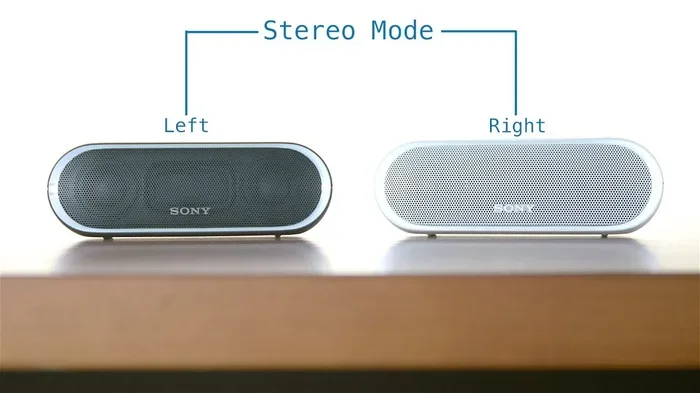
As we mentioned earlier, sound is just as important as the picture. A good outdoor sound system brings your TV shows and movies to life. Weather-resistant speakers are a must since they will be exposed to the elements. Bluetooth speakers are convenient, but for a more immersive experience, consider a multi-speaker setup that surrounds the viewing area.
Keep Bugs Away
Nothing ruins a movie night faster than mosquitoes. Set up a bug zapper or use citronella candles around the viewing area. You can also use a fan, since most bugs are weak flyers and struggle against wind. A comfortable, bug-free setup keeps everyone watching longer.
Quick Tips for Better Outdoor Viewing
- Use a dark-colored sheet or backdrop behind the screen to reduce light reflection from behind.
- Turn off all nearby lights including porch lights and landscape lighting.
- Test your setup during the day to check for any image distortion or alignment issues.
- Keep extra batteries and chargers on hand for wireless devices.
- Have a blanket or outdoor seating ready for maximum comfort.
Common Mistakes to Avoid
Even with the best intentions, people make mistakes when setting up an outdoor projector for TV. Here are the most common ones and how to avoid them.
Buying a Projector That Is Not Bright Enough
This is the number one mistake. Many people buy a projector based on price alone and do not check the brightness. A low-lumen projector looks great in a dark room but fails completely outdoors. Always check the ANSI lumens rating and aim for at least 3,000 lumens for outdoor use.
Ignoring Weather Protection
Most projectors are not weatherproof. Rain, humidity, and even dew can damage your equipment. If you are using a projector outside, keep it under a covered area or invest in a projector enclosure. Weatherproof projector covers are affordable and can extend the life of your device significantly.
Using the Wrong Cables
Standard HDMI cables are not designed for outdoor use. They can degrade when exposed to moisture and UV light. Use outdoor-rated cables or protect your cables with waterproof conduits. A bad cable connection can cause signal drops, flickering, or no picture at all.
Forgetting About Power Supply
Running an extension cord across your yard is a tripping hazard and looks messy. Plan your power setup before you start. Use a GFCI-protected outdoor outlet, or consider a battery-powered projector for maximum flexibility. A stable power supply also protects your equipment from electrical surges.
Skipping the Screen
Some people just project onto a white wall and call it good. While this works in a pinch, a proper screen makes a massive difference. The surface texture, gain, and size all affect image quality. A dedicated outdoor projector screen is worth every penny.
Is It Worth It? Final Thoughts
So, can you watch TV on an outdoor projector? Absolutely. And is it worth the effort? For most people, yes. There is something magical about watching a summer movie under the open sky. The fresh air, the comfortable temperatures, and the shared experience of a big outdoor screen create memories that a living room TV simply cannot match.
Outdoor projector TV setups range from simple and affordable to fully permanent and high-end. You do not need to spend a fortune to get started. A portable projector, a basic screen, and a streaming stick are all you need for your first backyard movie night. From there, you can upgrade as you learn what works best for your space.
The beauty of outdoor projector TV watching is that it is customizable. You can go big or keep it simple. You can host a weekly movie night or enjoy a quiet evening alone. Either way, you are creating an experience that goes beyond just watching television. You are building a backyard entertainment area that your family and friends will love.
This summer, give it a try. Set up your outdoor projector, pick your favorite show, and enjoy TV the way it was meant to be seen. You will wonder why you ever watched inside at all.
Frequently Asked Questions
Can I watch regular cable TV on an outdoor projector?
Yes, you can watch regular cable TV on an outdoor projector. You just need a cable box or satellite receiver connected to the projector through an HDMI cable. If your cable box is indoors, you can run a long HDMI cable outside or use a wireless HDMI transmitter for a cleaner setup.
What is the best time of day to watch TV on an outdoor projector?
The best time is after full sunset when there is no remaining ambient light. Wait at least 30 minutes after the sun goes down for the darkest possible sky. This gives your projector the best contrast and brightest image quality for outdoor viewing.
Do I need a special screen for outdoor projector TV watching?
A dedicated outdoor projector screen is highly recommended but not strictly required. A high-gain screen reflects more light and produces a brighter, clearer image. You can use a white wall in a pinch, but a proper screen will significantly improve your viewing experience.
Can I use a projector outdoors in the rain?
Most projectors are not rainproof and should not be used in wet conditions. However, you can use your projector outdoors in light humidity if it is under a covered area like a patio or canopy. For full weather protection, invest in a projector enclosure or a weatherproof projector model designed for outdoor use.
What streaming devices work best with outdoor projectors?
Amazon Fire Stick, Roku, and Chromecast are the most popular and affordable streaming devices for outdoor projectors. They all connect via HDMI and support major apps like Netflix, Hulu, Disney+, and live TV streaming services. Choose one based on your preferred streaming subscriptions and ease of use.
How do I keep my outdoor projector setup safe from bugs and weather?
Use a projector enclosure or keep your equipment under a covered area to protect it from rain and humidity. Set up citronella candles or a bug zapper nearby to keep insects away. Use outdoor-rated cables and power strips to ensure electrical safety in all weather conditions.
=== CONCLUSION ===
Watching TV on an outdoor projector is one of the best ways to enjoy summer evenings. It is fun, affordable, and incredibly rewarding once you get the setup right. From choosing the right projector brightness to picking the perfect screen and adding great sound, every detail matters. This guide has given you the knowledge to make informed decisions and avoid the common pitfalls that hold most people back.
Start simple this summer. Get a portable projector, set up a basic screen, and host your first backyard movie night. You will be amazed at how quickly it becomes the highlight of your week. The technology is ready, the weather is perfect, and the experience is unmatched. So go ahead, set up your outdoor projector, and bring the big screen to your backyard. Your summer evenings will never be the same again.