Does Amazon Let You Sell Anything Heres the Full Story
Does Amazon let you sell anything? The short answer is no. Amazon has clear rules about what you can and cannot list, and many categories require approval before you can start selling. Whether you are a new seller or an experienced vendor, understanding Amazon’s restrictions, gating process, and compliance requirements is essential to building a successful business on the platform.
Key Takeaways
- Not everything can be sold: Amazon restricts many product categories and has a list of prohibited items that sellers cannot list.
- Approval is often required: Many popular categories are gated, meaning you must apply and meet specific criteria before you can sell in them.
- Amazon FBA and FBM have different rules: Both fulfillment methods come with their own set of product restrictions and compliance standards.
- Getting started is straightforward: You can create an Amazon seller account quickly, but selling in restricted categories takes extra steps.
- Common mistakes hurt your account: Listing prohibited items or failing to follow Amazon’s policies can lead to account suspension.
- Success requires research: Understanding Amazon’s product restrictions, ungating process, and compliance rules gives you a real advantage.
📑 Table of Contents
What Can You Actually Sell on Amazon?
So, you want to sell on Amazon. That is a great idea. Millions of people use the platform every day to buy and sell products. But here is the big question. Does Amazon let you sell anything?
The honest answer is no. Amazon does not let you sell just anything. There are rules. There are restrictions. And there are entire categories that require approval before you can list a single item. This might sound frustrating, but these rules exist for a reason. They protect buyers. They keep the marketplace safe. And they help maintain trust on the platform.
If you are new to selling on Amazon, you need to understand the full picture. You cannot simply create an account and start listing products. Some items are easy to sell. Others require approval, documentation, or special permissions. Let us break this down so you know exactly what to expect.
Think of Amazon like a big shopping mall. Anyone can walk in and browse. But not everyone can open a store. You need a license. You need to follow the rules. And some stores need extra permits to sell certain products. Amazon works the same way.
In this article, we will walk you through everything you need to know. We will cover what you can sell. We will cover what you cannot sell. And we will show you how to get started the right way. By the end, you will have a clear picture of what it takes to sell on Amazon.
New vs. Experienced Sellers
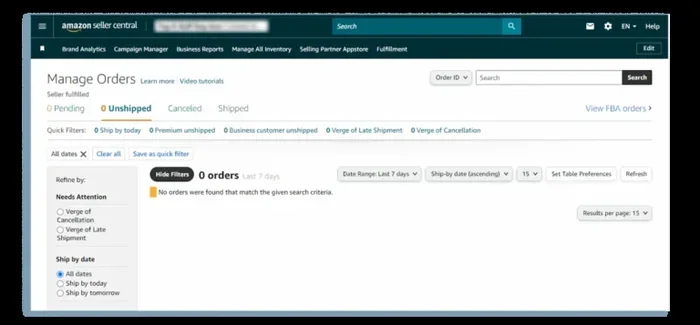
Your experience level matters. If you are a brand new seller, Amazon limits what you can do at first. New sellers can usually access the Amazon Seller Central dashboard. They can list products in open categories. But gated categories remain locked until you build a track record.
Experienced sellers have more freedom. They have sales history. They have positive feedback. And they can apply to unlock restricted categories. This is called Amazon ungating. We will talk more about that later.
Restricted and Prohibited Categories
Amazon takes product restrictions very seriously. The platform has a long list of Amazon prohibited items that you simply cannot sell. These items are banned for safety, legal, or ethical reasons. Trying to sell them can get your account suspended or even permanently banned.
Here are some of the most common categories that Amazon restricts or prohibits entirely:
- Illegal drugs and drug paraphernalia — These are absolutely not allowed. No exceptions.
- Weapons and firearms — You cannot sell guns, ammunition, or certain weapons on Amazon.
- Adult products — Some adult items are allowed, but many are restricted or require special approval.
- Hazardous materials — Items like flammable liquids, corrosive substances, and toxic chemicals are banned.
- Counterfeit goods — Fake designer bags, knockoff electronics, and pirated media are strictly prohibited.
- Live animals — You cannot sell live pets or animals on Amazon.
- Alcohol and tobacco — These require special permits and are heavily restricted.
This is not a complete list. Amazon updates its restricted products list regularly. That is why you should always check the latest guidelines before you list anything.
What Are Gated Categories?
A gated category is a category that requires approval before you can sell in it. Think of it like a locked door. You need the right key to get in. Amazon uses gating to control the quality of products in certain categories. It protects buyers from counterfeit or low-quality items.
Some of the most common gated categories include:
- Beauty and Personal Care — Very popular but heavily gated.
- Health and Household — Requires approval for most listings.
- Grocery and Gourmet Foods — Sellers need proper documentation.
- Automotive — Certain subcategories are restricted.
- Music and DVDs — Gated to prevent counterfeit media.
- Toys and Games — Safety standards apply.
If you want to sell in a gated category, you will need to apply. Amazon will review your application. You may need to provide invoices, certificates, or proof of authenticity. The process can take time. But it is worth it because these categories often have high demand.
How to Get Started Selling on Amazon
Ready to start selling? Great. Getting started on Amazon is easier than you might think. You do not need a business degree or a huge budget. You just need the right approach and a willingness to learn.
Here is a simple step-by-step guide to get you up and running.
- Create your Amazon seller account. Go to Amazon Seller Central and sign up. You will choose between an individual plan and a professional plan. The individual plan is free but charges per sale. The professional plan costs a monthly fee but offers more tools and features.
- Research your product niche. Find products that have demand but are not oversaturated. Use tools like Amazon FBA calculators to estimate your profits. Look at competitors and see what is working.
- Source your products. You can manufacture your own products, buy wholesale, or use retail arbitrage to find deals at retail stores and resell them for a profit.
- Create your product listings. Write clear titles. Use high-quality images. Fill out all the product details. A good product listing can make the difference between a sale and a missed opportunity.
- Choose your fulfillment method. You can use Amazon FBA (Fulfilled by Amazon), where Amazon handles storage, shipping, and customer service. Or you can use Amazon FBM (Fulfilled by Merchant), where you handle everything yourself.
- Launch and promote your listings. Use Amazon PPC (pay-per-click) advertising. Encourage customer reviews. Monitor your performance and adjust your strategy as needed.
Each of these steps is important. Do not skip any of them. Taking shortcuts can lead to problems down the road. Especially when it comes to Amazon compliance and policy rules.
Amazon FBA vs. FBM
Choosing between FBA and FBM is a big decision. Both methods have pros and cons. Here is a quick comparison to help you decide:
| Feature | Amazon FBA | Amazon FBM |
|---|---|---|
| Shipping handled by | Amazon | You |
| Prime eligibility | Yes | No (unless you meet requirements) |
| Storage fees | Yes | No |
| Customer service | Amazon handles it | You handle it |
| Best for | High-volume sellers | Small sellers or unique items |
| Control over shipping | Less | More |
Most new sellers start with FBM because it is simpler. As you grow, you can switch to FBA to save time and gain access to Prime customers. Both methods are valid paths to success.
Amazon’s Approval and Gating Process
Here is where things get interesting. Does Amazon let you sell anything in every category? Not exactly. Many categories are gated, which means you need approval. The Amazon approval process can feel intimidating at first. But it is manageable if you know what to expect.
To apply for a gated category, you typically need to provide:
- Invoice documentation showing you purchased authentic products from authorized suppliers.
- A professional business license or registration.
- Product safety certifications where applicable.
- A clean selling record with no policy violations.
Amazon reviews your application carefully. They want to make sure you are a legitimate seller. They want to protect their customers from counterfeit or unsafe products. If your application is denied, do not panic. You can reapply after addressing the issues. Sometimes it just takes a few tries.
What Is Amazon Ungating?
Amazon ungating is the process of getting approved to sell in a restricted category. It is a topic that comes up a lot in the Amazon seller community. Many sellers spend weeks or even months working on ungating applications.
Here are some tips to improve your chances of getting ungated:
- Build a strong sales history on Amazon first. Open categories are easier to access.
- Keep your account in good standing. Avoid complaints, returns, and policy violations.
- Gather authentic invoices from reputable suppliers before you apply.
- Apply to multiple categories at once to increase your chances.
- Be patient. The review process can take anywhere from a few days to several weeks.
Ungating takes effort, but it opens up huge opportunities. Once you are approved for a gated category, you can access products with high demand and less competition. That is a huge advantage.
Private Label and Brand Registry
Many successful sellers use a private label strategy. This means they create their own brand and sell products under that brand name. To protect your brand on Amazon, you should enroll in Amazon Brand Registry. This gives you access to powerful tools like A+ content, brand analytics, and enhanced brand advertising.
Brand Registry also helps you fight counterfeit listings. If someone copies your product, you can report it and have it removed. This is a huge benefit for any serious seller.
Common Mistakes Sellers Make
Every seller makes mistakes, especially when they are starting out. The key is to learn from them and avoid repeating them. Here are some of the most common mistakes that new sellers make on Amazon:
- Listing prohibited items. This is the fastest way to get your account suspended. Always check Amazon’s restricted products list before you list anything.
- Ignoring category restrictions. Just because you see a product in a category does not mean you can sell it. Always verify the rules.
- Skipping product research. Selling without research is like fishing in a dry river. You will not catch anything. Use tools and data to find profitable products.
- Using low-quality images. Your product photos matter. Blurry or poorly lit images will hurt your sales. Invest in good product photography.
- Neglecting customer service. Amazon tracks your performance metrics closely. Poor customer service can lead to account suspension.
- Copying other sellers’ listings. This is called Amazon arbitrage when done right, but copying content is against the rules and can hurt your rankings.
Avoiding these mistakes will save you a lot of headaches. It will also help you build a long-lasting and profitable Amazon business.
Quick Tips to Stay Compliant
- Read Amazon’s seller policies regularly. They update them often.
- Keep all your documentation organized. Invoices, licenses, and certificates should be easy to find.
- Monitor your account health dashboard. It tells you exactly where you stand.
- Respond quickly to customer messages and Amazon notifications.
- When in doubt, contact Amazon Seller Support before listing a new product.
Expert Tips for Success on Amazon
Now that you understand the rules, let us talk about how to actually succeed. Selling on Amazon is competitive. But with the right strategy, you can build a profitable business. Here is what the experts recommend.
Focus on Niche Products
Do not try to sell everything. Pick a niche and go deep. Niche products have less competition and a more targeted audience. When you focus on a specific area, you can become an expert in that space. Customers trust specialists.
Optimize Your Product Listings
Your product listing is your storefront. Make it count. Use relevant keywords in your title and bullet points. Write clear, detailed descriptions. Use high-resolution images that show your product from multiple angles. Every detail matters.
Think about what a buyer is searching for. What words would they type into the search bar? Use those words naturally in your listing. This helps your products show up in search results. It is the foundation of good Amazon SEO.
Build a Brand, Not Just a Store
Sellers who build brands tend to earn more over time. A strong brand creates loyalty. Customers come back because they trust you. They recognize your products. They leave positive reviews.
Invest in a professional logo. Create consistent packaging. Write a compelling brand story. These things set you apart from generic sellers who are just trying to flip products quickly.
Use Data to Make Decisions
Amazon provides a lot of data through the seller dashboard. Use it. Look at your sales trends. Track which products perform best. Monitor your conversion rates. Let data guide your decisions instead of guesswork.
Also, consider using third-party tools for Amazon seller fees calculations and competitor analysis. These tools give you insights that can help you price your products competitively and find new opportunities.
Stay Patient and Keep Learning
Success on Amazon does not happen overnight. It takes time. It takes effort. You will face challenges. You will have products that do not sell. That is normal. The sellers who succeed are the ones who keep learning and keep improving.
Read Amazon seller forums. Watch YouTube tutorials. Take online courses. The more you know, the better your chances of building a thriving business on the platform.
What About Amazon Retail Arbitrage?
Amazon retail arbitrage is a popular strategy where sellers buy discounted products from retail stores and resell them on Amazon for a profit. It is a great way to start with low upfront investment. However, it comes with its own set of challenges.
You need to be careful about Amazon selling limits. New seller accounts have limits on how many units you can sell per day. You also need to make sure the products you buy are allowed for resale. Some retail items come with restrictions that prevent you from listing them.
Retail arbitrage works best when you combine it with smart product research. Look for items with high demand, low competition, and a good profit margin. Over time, you can scale your business and move toward more sustainable models like private label or wholesale.
Conclusion
So, does Amazon let you sell anything? The answer is clearly no. Amazon has rules. It has restrictions. And it has a gating system that controls access to many popular categories. But that does not mean you cannot succeed on the platform.
The truth is, Amazon offers incredible opportunities for sellers who are willing to learn the rules and play by them. Whether you choose Amazon FBA or Amazon FBM, whether you sell handmade goods or source products from wholesalers, the key is to start smart. Do your research. Follow the policies. And always put your customers first.
Selling on Amazon is a journey. It takes patience, effort, and persistence. But if you stay committed and keep learning, you can build something really special. The platform is full of potential. You just need to know where to look and how to navigate the rules.
Start small. Stay compliant. Keep improving. And before you know it, you will be a successful Amazon seller. The journey begins with understanding the rules. And now you have the full story.
Frequently Asked Questions
Can I sell any product on Amazon without approval?
No, you cannot sell every product without approval. Amazon has open categories that anyone can sell in, but many popular categories are gated. You must apply and get approved before you can list products in those restricted categories. Always check the category rules before you start selling.
What happens if I list a prohibited item on Amazon?
Listing a prohibited item can lead to serious consequences. Your listing may be removed. Your account could be suspended. In severe cases, Amazon may permanently ban your seller account. This is why it is so important to review Amazon’s restricted products list before you list anything.
How long does the Amazon ungating process take?
The ungating process varies depending on the category and your application. It can take anywhere from a few days to several weeks. Amazon reviews each application carefully. Having proper documentation ready can speed up the process significantly.
Is Amazon FBA or FBM better for new sellers?
Most new sellers start with FBM because it is simpler and requires less upfront investment. FBA becomes more attractive as you scale your business. FBA gives you Prime eligibility and handles shipping and customer service for you. Choose the method that fits your current stage and goals.
Do I need a business license to sell on Amazon?
Amazon does not always require a business license for individual sellers. However, if you are selling in certain categories or operating at a larger scale, you may need one. It is a good idea to check your local laws and regulations. Having proper business documentation also helps with Amazon ungating applications.
Can I sell used items on Amazon?
Yes, you can sell used items on Amazon. Amazon has a dedicated “Used” condition for products. However, you must still follow Amazon’s condition guidelines and product restrictions. Not all categories allow used items, so check the rules for your specific product before you list it.