Do I Need A Plan For Portable Wifi To Stay Connected
Do I Need A Plan For Portable Wifi? The short answer is yes — if you want reliable internet on the go. A portable wifi plan keeps you connected without relying on public networks. Whether you travel often or need backup internet at home, the right mobile data plan makes all the difference. This guide breaks down every option so you can choose smart and save money.
You bought a portable wifi hotspot device. It looks sleek. It promises fast internet anywhere. But then you turn it on — and nothing happens. No connection. No signal. What went wrong?
The answer is simple. Most portable wifi devices need a plan to work. Just like your phone, a mobile hotspot device relies on cellular networks. And cellular networks require a data plan to grant access. Without one, your device is just a fancy paperweight.
So do you really need a plan for portable wifi? In almost every case — yes. The good news is that plans come in all shapes and sizes. Whether you are a frequent traveler, a remote worker, or someone who just wants backup internet, there is a portable wifi plan that fits your lifestyle and budget.
This guide walks you through everything you need to know. We will cover how portable wifi works, what plans are available, how much they cost, and how to pick the right one. By the end, you will feel confident making a smart choice.
Key Takeaways
- Portable wifi needs a plan: Most devices require a SIM card or data plan to work properly.
- Multiple plan types exist: You can pick from prepaid, postpaid, pay-as-you-go, and data-only SIM options.
- Costs vary widely: Plans range from as low as $10/month to over $100 depending on your data needs.
- Travel users benefit most: Global roaming and eSIM plans make staying connected abroad simple and affordable.
- Common mistakes cost money: Ignoring data limits and roaming charges can lead to surprise bills.
- Compare before you commit: Use coverage maps and speed tests to find the best provider for your needs.
📑 Table of Contents
- What Is Portable Wifi and How Does It Work?
- Do I Really Need a Plan For Portable Wifi?
- Types of Plans for Portable Wifi
- How Much Does a Portable Wifi Plan Cost?
- How to Choose the Right Portable Wifi Plan
- Common Mistakes People Make With Portable Wifi Plans
- Expert Tips for Getting the Most From Your Portable Wifi Plan
- Conclusion
What Is Portable Wifi and How Does It Work?
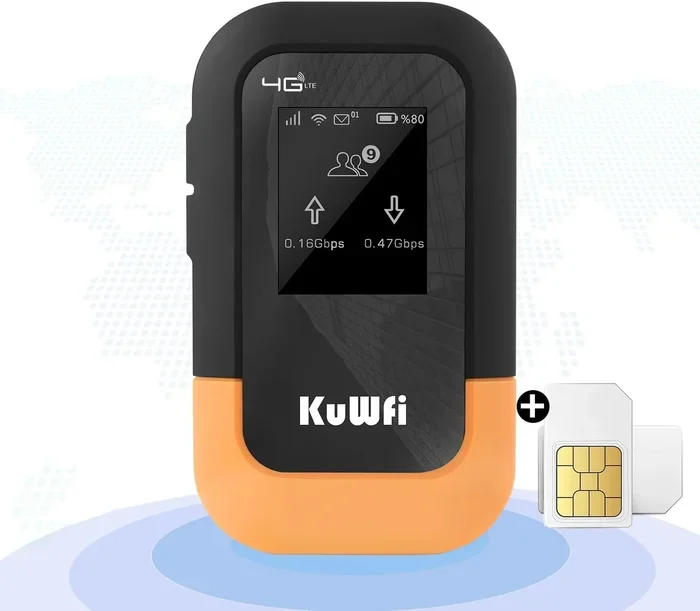
A portable wifi device — also called a mobile hotspot or pocket wifi — is a small gadget that creates a wifi network using cellular data. Think of it as a mini router that fits in your pocket. It connects to a cellular tower, just like your phone does. Then it shares that connection with your laptop, tablet, or other devices.
Here is how it works in simple steps:
- The device inserts a SIM card or eSIM.
- The SIM connects to a cellular network.
- The device converts that signal into a wifi network.
- Your other devices connect to that wifi network.
That is it. No cables. No fixed location. Just internet on the go. The device typically covers a range of about 30 to 50 feet. Most models can connect 5 to 10 devices at once. This makes them perfect for families, small teams, or solo travelers who need to stay online.
But here is the key point many people miss. The device itself is only half the equation. The other half is the data plan that powers it. Without a plan, the device has no way to access the cellular network. It cannot create a wifi signal. It cannot give you internet.
Types of Portable Wifi Devices
Not all portable wifi devices are the same. Here are the most common types you will encounter:
- Pocket wifi routers: Small, battery-powered devices designed specifically for mobile internet. Brands like Huawei, Netgear, and TP-Link make popular models.
- USB wifi dongles: Compact sticks you plug directly into a laptop. They are portable but usually connect only one device at a time.
- Smartphone hotspot: You can use your phone as a hotspot. It is free if you already have a phone data plan. But it drains your battery fast and uses your phone’s data allowance.
- Travel wifi routers: These are designed for international use. They often support multiple frequency bands and come with global roaming features built in.
Each type has its strengths. But they all share one thing in common — they need a plan to deliver internet. The plan is what turns the hardware into a useful tool.
Do I Really Need a Plan For Portable Wifi?
This is the question that brings most people here. And the answer depends on your situation. Let us break it down clearly.
In short, yes — you need a plan if you want your portable wifi device to provide internet access. The device is just the transmitter. The plan is the fuel that powers the connection. Without fuel, the engine does not run.
But not all plans are the same. And not everyone needs the same type. Let us look at the options so you can figure out what works for you.
When You Definitely Need a Plan
You should get a plan if any of these situations apply to you:
- You travel frequently and need reliable internet access abroad.
- You work remotely and cannot afford internet downtime.
- You live in an area with weak or no home broadband.
- You need a backup internet source for emergencies.
- You want to connect multiple devices without using your phone’s hotspot.
In each of these cases, a portable wifi plan gives you independence and reliability. You are not tied to a fixed location. You are not borrowing someone else’s wifi. You have your own connection, your own data, and your own control.
When You Might Not Need a Separate Plan
There are a few situations where you might skip a dedicated plan:
- You already use your phone as a hotspot and your data allowance is sufficient.
- You only need internet occasionally and can rely on free public wifi.
- You are using the device temporarily and plan to get a short-term or pay-as-you-go wifi option.
Even in these cases, some form of data plan usually still exists — it is just bundled into your phone plan or used on an as-needed basis. True plan-free portable wifi is very rare in today’s connected world.
Types of Plans for Portable Wifi
Not all plans are created equal. Understanding the different types helps you avoid paying for what you do not need — or worse, ending up with a plan that does not meet your demands.
Prepaid Plans
Prepaid data plans are the most popular choice for portable wifi users. You pay upfront for a set amount of data, usually monthly. Once your data runs out, the service pauses until you reload. This gives you full control over your spending.
Benefits of prepaid plans include:
- No contracts or hidden fees.
- Easy to track your usage.
- Great for short-term or occasional use.
- Many providers offer data-only SIM cards designed specifically for hotspot devices.
Postpaid Plans
Postpaid plans bill you at the end of each month. They often come with larger data allowances, unlimited options, and extra perks like international calling. However, they usually require a credit check and a longer commitment.
Postpaid plans work best for:
- Heavy data users who need lots of unlimited data plan options.
- People who want predictable monthly bills.
- Users who prefer the convenience of automatic billing.
Pay-As-You-Go Plans
Pay-as-you-go wifi plans charge you only for the data you use. There is no monthly fee. You buy data in small chunks — like 100 MB or 500 MB — and it lasts until you use it up. This is ideal for very occasional users.
The downside is the per-megabyte cost can be higher than monthly plans. But for someone who only needs internet a few days a month, it can save real money.
Data-Only SIM Cards
A data-only SIM is a SIM card that provides cellular data without voice minutes or text messages. Many portable wifi devices use these because they do not need calling features. They just need data. These SIMs are often cheaper than full phone plans and come in flexible sizes.
eSIM Plans
eSIM wifi is the newest option. Instead of a physical SIM card, the plan is embedded digitally into your device. You activate it through an app or website. This is incredibly convenient for travelers because you can switch plans or providers without swapping any physical card.
eSIM plans are especially popular for global roaming because they often include international data packages. You can download a local data plan in seconds when you arrive in a new country.
How Much Does a Portable Wifi Plan Cost?
Cost is one of the biggest factors when choosing a portable wifi plan. Prices vary a lot depending on the type of plan, the provider, and your data needs. Let us look at what you can expect.
Monthly Costs by Plan Type
| Plan Type | Average Monthly Cost | Typical Data Allowance | Best For |
|---|---|---|---|
| Prepaid | $10 – $50 | 1 GB – 100 GB | Most users, travelers |
| Postpaid | $30 – $100+ | 20 GB – Unlimited | Heavy data users |
| Pay-As-You-Go | $1 – $10 per block | 100 MB – 5 GB | Occasional users |
| Data-Only SIM | $8 – $40 | 2 GB – 50 GB | Portable wifi devices |
| eSIM International | $5 – $30 | 1 GB – 20 GB per trip | Travelers abroad |
Hidden Costs to Watch For
The advertised price is not always the final price. Watch out for these hidden costs:
- Data roaming charges: Using your plan outside your home country can trigger steep fees. Always check roaming rates before you travel.
- Overage fees: If you exceed your data limit, some providers charge extra per gigabyte. This can add up fast.
- Device rental fees: Some providers rent the portable wifi device itself. This adds a monthly cost on top of your data plan.
- Activation fees: Some plans charge a one-time setup fee when you first sign up.
- Early termination fees: Contract-based plans may penalize you if you cancel before the term ends.
To avoid surprises, read the fine print carefully. Ask about all fees before you commit. A cheap plan with hidden fees can end up costing more than a slightly pricier but transparent option.
Tips to Save Money on Your Plan
Saving money on your mobile broadband plan is easier than you think:
- Choose a prepaid data plan with a data allowance that matches your actual usage.
- Use off-peak hours for heavy downloads if your provider offers this option.
- Compare providers using online tools and coverage maps.
- Consider a data-only SIM instead of a full phone plan — they are usually cheaper.
- Look for family or group plans if multiple people share the device.
- Monitor your data usage regularly to avoid overage charges.
How to Choose the Right Portable Wifi Plan
Choosing the right plan does not have to be overwhelming. If you follow a few simple steps, you can find the perfect fit in under 30 minutes.
Step 1: Know Your Data Needs
Start by estimating how much data you use in a typical month. Here is a quick guide:
- Light use (1-5 GB): Email, browsing, social media, occasional video calls.
- Medium use (5-20 GB): Streaming music, standard video, video conferencing, remote work.
- Heavy use (20+ GB): HD video streaming, large file downloads, gaming, multiple connected devices.
If you are unsure, check your current phone data usage. Most phones show this in the settings menu. This gives you a solid baseline for choosing your data allowance.
Step 2: Check Coverage in Your Area
A great plan means nothing if the network does not reach you. Before you buy, check the provider’s cellular data coverage map. Enter your home address or your most common travel destinations. Make sure the signal is strong where you actually need it.
Also check if the provider supports the right frequency bands for your portable wifi device. Different bands offer different ranges and speeds. A device that supports more bands will work in more locations.
Step 3: Compare Speed and Reliability
Not all plans offer the same speeds. Some providers throttle speeds after you hit a certain data threshold. Others prioritize certain types of traffic. Look for plans that offer consistent speeds, especially if you need to work or study online.
Read reviews and run speed tests if possible. Real-world performance matters more than advertised speeds. A plan that promises 100 Mbps but delivers 10 Mbps is not a good deal.
Step 4: Consider Flexibility
Life changes. Your plan should be able to keep up. Look for providers that offer:
- Easy plan upgrades or downgrades.
- No long-term contracts.
- Flexible data top-up options.
- eSIM support for quick changes.
Flexibility is especially important for travelers. Your data needs might spike when you are abroad and then drop to zero when you return home. A flexible plan lets you adjust without penalties.
Common Mistakes People Make With Portable Wifi Plans
Even savvy users make mistakes when choosing a portable wifi plan. Here are the most common ones — and how to avoid them.
Mistake 1: Ignoring Roaming Charges
Many people buy a domestic plan and assume it works worldwide. It does not. Using your plan abroad without a roaming add-on can result in bills of hundreds of dollars. Always check if your plan includes international coverage or purchase a separate travel wifi plan.
Mistake 2: Choosing Too Much or Too Little Data
Overestimating your data needs means wasting money. Underestimating means running out of data at the worst possible moment. Be honest about your usage patterns. If you are not sure, start with a smaller plan and upgrade as needed.
Mistake 3: Forgetting About Contract Terms
Some plans lock you in for 12 or 24 months. If your needs change, you may be stuck paying for a plan you no longer want. Look for month-to-month plans or prepaid options that give you the freedom to switch anytime.
Mistake 4: Not Checking Device Compatibility
Not all SIM cards work with all portable wifi devices. Some devices only support certain network bands or SIM sizes. Check compatibility before you buy a SIM card or activate a plan. A quick call to the provider can save you a lot of frustration.
Mistake 5: Overlooking Data Speed Throttling
Some plans advertise “unlimited data” but slow your speed after a certain usage threshold. This is called throttling. If you need consistent speeds for work or streaming, make sure the plan does not throttle your connection. Read the terms carefully.
Expert Tips for Getting the Most From Your Portable Wifi Plan
Want to squeeze every bit of value from your mobile data plan? Here are some expert-backed tips that make a real difference.
Tip 1: Use wifi whenever it is available. Your portable wifi device uses cellular data. If you are at home, at the office, or in a cafe with free wifi, connect to that instead. This preserves your data allowance for when you really need it — on the road.
Tip 2: Turn off auto-updates. Apps, operating systems, and software often update in the background. These updates consume data without you noticing. Disable automatic updates on all devices connected to your hotspot.
Tip 3: Lower video quality. Streaming video in HD uses way more data than standard definition. If you are watching YouTube or Netflix on the go, switch to 480p or 720p. You will still enjoy the content and save a ton of data.
Tip 4: Monitor your usage regularly. Most providers offer a dashboard or app where you can check your remaining data. Make it a habit to check weekly. This helps you stay ahead of your usage and avoid surprises.
Tip 5: Keep your device charged. A portable wifi device runs on a battery. If the battery dies, so does your internet. Carry a small power bank or keep the device plugged in during long sessions. Most devices last 4 to 10 hours on a single charge, but heavy use drains the battery faster.
Tip 6: Update your device firmware. Manufacturers release firmware updates that improve performance, fix bugs, and add features. Keeping your device updated ensures it runs as efficiently as possible. Check for updates once a month.
Tip 7: Use a strong password. Your portable wifi network should always be password-protected. An open network is a security risk — anyone nearby can connect and use your data. Use a strong, unique password to keep your connection safe.
Conclusion
So, do I need a plan for portable wifi? Yes — almost certainly. Your portable wifi device is a powerful tool, but it is only as useful as the plan that powers it. Without a data plan, you have no internet. With the right plan, you have reliable, on-the-go connectivity wherever you go.
The key is to understand your needs, compare your options, and choose a plan that fits both your budget and your lifestyle. Whether you pick a prepaid data plan, a data-only SIM, or an eSIM wifi option, the right choice keeps you connected without breaking the bank.
Take the time to evaluate your data usage, check coverage maps, and read the fine print. A little effort upfront saves you money, frustration, and wasted time down the road. Stay connected, stay informed, and make your choice with confidence.
Frequently Asked Questions
Can I use portable wifi without any plan at all?
In most cases, no. Portable wifi devices need a data plan to connect to cellular networks. Without a plan, the device cannot access the internet. Some devices may offer a very limited number of free connections, but these are rare and not practical for real use.
What is the difference between a portable wifi plan and a regular phone plan?
A portable wifi plan provides data only for a hotspot device. A regular phone plan includes voice minutes, text messages, and data for your phone. You can use a phone plan as a hotspot, but a dedicated data-only SIM is often cheaper and more efficient for portable wifi devices.
How much data do I actually need for portable wifi?
It depends on your usage. Light users need 1 to 5 GB per month. Medium users need 5 to 20 GB. Heavy users need 20 GB or more. If you stream video or use multiple devices, lean toward the higher end of your range to avoid running out.
Can I use my portable wifi plan when traveling internationally?
Yes, but only if your plan includes international coverage. Many domestic plans do not include global roaming. Look for travel-specific eSIM wifi plans or international data packages to avoid high roaming charges abroad.
Are pay-as-you-go plans worth it for portable wifi?
They can be, especially for occasional users. Pay-as-you-go plans let you buy small data blocks without committing to a monthly contract. They are ideal if you only need internet a few days a month or while traveling short-term.
How do I know if my portable wifi device is compatible with a specific plan?
Check the device specifications for supported network bands and SIM types. Then verify that the plan’s provider operates on compatible networks. When in doubt, contact the provider’s customer support before purchasing. They can confirm compatibility quickly.