Do High Gain Wifi Antennas Work Here Is Why You Should Know
High gain wifi antennas can significantly boost your wireless signal and extend your network range. They focus the signal in a specific direction, giving you stronger coverage where you need it most. In this guide, we will explain how they work, when they help, and when they do not. You will learn about different antenna types, real-world benefits, and common mistakes to avoid.
If you have ever walked into a room and lost your WiFi signal, you know how frustrating weak wireless coverage can be. Walls, distance, and interference all chip away at your connection. Many people turn to high gain wifi antennas as a fix. But do they really work? The short answer is yes. The longer answer depends on how they work, where you place them, and what you need from your network.
In this guide, we will break down everything you need to know about high gain wifi antennas. We will cover how they boost your wireless range, the different types available, and real-world scenarios where they shine. You will also learn about common mistakes that waste money and how to get the best results from your setup.
Whether you are dealing with a WiFi dead zone in your garage or trying to cover a large backyard, this article has practical advice. Let us dive in and find out if high gain wifi antennas are the right solution for you.
Key Takeaways
- High gain wifi antennas do work: They focus and amplify your wireless signal in a targeted direction.
- Directional antennas reach farther: They are ideal for point-to-point connections and long-range coverage.
- Omnidirectional antennas spread signal evenly: Great for covering a full floor or backyard.
- Antenna gain is measured in dBi: Higher numbers mean more focused signal but narrower coverage.
- They will not fix a bad internet plan: The antenna boosts signal but does not increase your ISP speed.
- Placement matters a lot: Even the best antenna underperforms if mounted poorly.
- Check your router compatibility: Not all routers support external high gain antennas.
📑 Table of Contents
- What Are High Gain Wifi Antennas?
- How Do High Gain Wifi Antennas Work?
- Types of High Gain Wifi Antennas
- Do High Gain Wifi Antennas Really Improve Coverage?
- When Should You Use High Gain Wifi Antennas?
- Common Mistakes People Make with High Gain Antennas
- Expert Insights on High Gain Wifi Antennas
- Key Takeaways
- Conclusion
What Are High Gain Wifi Antennas?
A high gain wifi antenna is a special antenna designed to send and receive wireless signals more powerfully than a standard antenna. Your router likely came with a basic antenna. These stock antennas work fine for small spaces. But they spread the signal in all directions equally. A high gain wifi antenna focuses that energy in one direction or over a wider area depending on its design.
Think of it like a flashlight. A standard bulb shines light everywhere. A focused beam shines far in one direction. High gain wifi antennas do the same thing with wireless signals. They push the RF signal farther and stronger in a chosen direction.
The gain of an antenna is measured in dBi, which stands for decibels relative to an isotropic radiator. A basic router antenna usually has around 2 to 5 dBi. A high gain wifi antenna can range from 8 dBi all the way up to 20 dBi or more. The higher the dBi number, the more focused the signal becomes. This means longer range but a narrower beam width.
How Antenna Gain Affects Your Network
When you increase antenna gain, you are not creating more power from nothing. Instead, you are reshaping how the signal travels. A high dBi antenna takes the same amount of power and pushes it into a tighter pattern. This gives you better signal strength at a distance. But it also means less coverage on the sides.
For example, a 9 dBi directional antenna might send your WiFi signal 300 meters in one direction. But it barely reaches to the sides. This tradeoff is important to understand before buying. More gain does not always mean better coverage everywhere.
How Do High Gain Wifi Antennas Work?
High gain wifi antennas work by concentrating wireless energy in a specific pattern. Standard antennas broadcast in a round shape, like a donut around the router. High gain antennas reshape that donut into a flatter or narrower pattern. This lets your wireless signal travel farther or cover a wider horizontal area.
The science behind this is fairly simple. Antennas collect and release radio waves. A high gain wifi antenna uses a larger or more shaped surface to direct those waves. Some designs use parabolic dishes. Others use Yagi or panel shapes. Each shape creates a different signal pattern.
The Role of Signal Focus
When your router antenna sends a focused beam, the signal strength stays stronger over longer distances. This is why high gain wifi antennas work so well for long-range connections. The signal does not scatter and weaken as quickly. It stays tight and powerful.
But here is the catch. A focused signal must point in the right direction. If you aim a directional antenna at your neighbor instead of your house, you will get no benefit. Proper placement and aiming are essential. This is the biggest factor in whether high gain wifi antennas deliver real results.
Understanding Beamwidth
Beamwidth is the angle of the signal cone. A high gain antenna has a narrow beamwidth. A low gain antenna has a wide beamwidth. Think of it like a garden hose. A narrow spray reaches far. A wide spray covers more area but with less force. High gain wifi antennas give you the narrow spray option for reaching distant devices.
Most long range WiFi setups use a combination of antenna types. You might use a directional antenna to connect two buildings. Then use an omnidirectional antenna to cover a wide area inside a building. Knowing this difference helps you pick the right tool for the job.
Types of High Gain Wifi Antennas
Not all high gain wifi antennas are the same. Different designs serve different needs. Here is a look at the most common types you will encounter.
Directional Antennas
A directional antenna focuses the signal in one direction. It is perfect for point-to-point links. If you need to send WiFi from your house to a shed 200 feet away, a directional antenna is ideal. These antennas have a high dBi rating and a narrow beamwidth.
Common types include Yagi antennas and parabolic grid antennas. Yagi antennas look like long bars with multiple elements. Parabolic antennas look like satellite dishes. Both are excellent for long range WiFi connections.
Omnidirectional Antennas
An omnidirectional antenna spreads the signal in all directions horizontally. It creates a flat donut-shaped coverage pattern. These are great for covering a full floor of an office or a large backyard. They do not reach as far as directional antennas, but they cover more area evenly.
If your goal is to eliminate a WiFi dead zone on the same floor, an omnidirectional high gain wifi antenna is a solid choice. Look for one with a gain of 8 to 12 dBi for good results.
Panel and Patch Antennas
Panel antennas are flat and rectangular. They focus signal in a wide but directional beam. These are popular for outdoor wireless connectivity over medium distances. They are easy to mount on walls or poles. A panel antenna offers a good balance between range and coverage width.
Sector Antennas
A sector antenna covers a wide arc, usually about 60 to 120 degrees. These are common in commercial and outdoor setups. They are used by ISPs to cover neighborhoods and large campuses. For most home users, a sector antenna is overkill. But they are worth mentioning for completeness.
Comparison Table
| Antenna Type | Gain Range | Coverage Shape | Best Use |
|---|---|---|---|
| Directional (Yagi) | 10 to 20 dBi | Narrow beam | Point-to-point links |
| Parabolic Grid | 15 to 25 dBi | Very narrow beam | Ultra long range |
| Omnidirectional | 8 to 12 dBi | Flat donut | Wide indoor or yard coverage |
| Panel | 8 to 14 dBi | Wide directional | Outdoor medium range |
| Sector | 12 to 18 dBi | Wide arc | Large area coverage |
Do High Gain Wifi Antennas Really Improve Coverage?
This is the question most people ask. And the honest answer is: it depends. High gain wifi antennas do improve coverage in specific situations. But they are not magic wands that fix every WiFi problem. Let us look at when they help and when they do not.
When High Gain Antennas Work Great
High gain wifi antennas shine in these scenarios:
- Long distances: You need signal to reach a far building, garage, or yard.
- Point-to-point links: You want to connect two locations with a strong wireless bridge.
- Eliminating dead zones: A focused antenna can push signal into areas your router cannot reach.
- Outdoor coverage: Antennas mounted outside avoid wall interference and provide clear line of sight.
- Weak signal areas: If your signal strength is poor in one direction, a directional antenna can fix that.
In all these cases, high gain wifi antennas deliver real, measurable improvements. The wireless range extends significantly. Network performance improves because the signal is stronger and more stable.
When High Gain Antennas Do Not Help
There are also situations where high gain wifi antennas will not solve your problem:
- Slow internet plan: The antenna boosts signal but does not increase your ISP speed. If your plan is slow, the antenna will not fix that.
- Heavy interference: If neighboring networks or electronics cause interference, a high gain antenna may make it worse by focusing on a noisy area.
- Poor router hardware: An old router with a weak radio will not benefit much from a better antenna.
- Wrong antenna type: Using a directional antenna when you need full coverage will leave gaps.
- Bad placement: An antenna pointed the wrong way wastes all its gain.
Understanding these limits helps you set realistic expectations. High gain wifi antennas are powerful tools but they work best as part of a smart setup.
Real-World Example
Imagine you live in a two-story house. Your router is on the first floor. The second floor gets a weak signal. Replacing your stock 3 dBi antenna with a 9 dBi omnidirectional antenna can double the signal strength on the second floor. That is a real improvement. You will see faster speeds and fewer disconnects. This is a perfect example of high gain wifi antennas working exactly as intended.
Now imagine the same house but the problem is the basement. The basement is below the router and surrounded by concrete. A high gain antenna may still struggle here because the signal must travel down through dense material. In this case, a WiFi extender or mesh system might work better. This shows that the right solution depends on the specific problem.
When Should You Use High Gain Wifi Antennas?
Knowing when to use high gain wifi antennas is just as important as knowing how they work. Let us walk through the best use cases.
Large Homes and Properties
If your home is large or has multiple buildings, a high gain wifi antenna can bridge the gap. A directional antenna aimed at a guest house or workshop can provide solid connectivity. This works well when running Ethernet cable is not practical.
Rural and Remote Setups
People in rural areas often deal with long distances between buildings. A high gain wifi antenna can extend wireless coverage across a farm or large property. These setups often use a parabolic antenna or a high gain Yagi to achieve links over several hundred feet.
Office and Commercial Spaces
Small offices benefit from high gain wifi antennas too. An omnidirectional antenna mounted on the ceiling can cover an entire floor. A panel antenna can direct signal to a specific meeting room or work area. The key is matching the antenna type to the space layout.
Outdoor Events and Temporary Setups
If you host outdoor events or need temporary wireless connectivity, a portable high gain antenna is a great tool. You can aim it toward the event area and provide strong signal without running cables. This is common at fairs, markets, and outdoor gatherings.
Quick Tips for Best Results
- Mount the antenna high: Elevation reduces obstacles and improves line of sight.
- Aim directional antennas carefully: Use a WiFi analyzer app to find the sweet spot.
- Keep cables short: Long coaxial cables lose signal. Keep the run under 10 feet when possible.
- Check weatherproofing: Outdoor antennas need proper enclosures to handle rain and sun.
- Match your frequency band: Make sure your antenna supports 2.4 GHz, 5 GHz, or both depending on your needs.
Common Mistakes People Make with High Gain Antennas
Even the best high gain wifi antennas can underperform if you make basic mistakes. Here are the most common errors to avoid.
Buying the Highest Gain Without Thinking
More gain is not always better. A 20 dBi parabolic antenna has an extremely narrow beam. If you aim it slightly off, you lose the connection. For most home users, an 8 to 12 dBi antenna is the sweet spot. It gives good range without being overly finicky.
Ignoring Router Compatibility
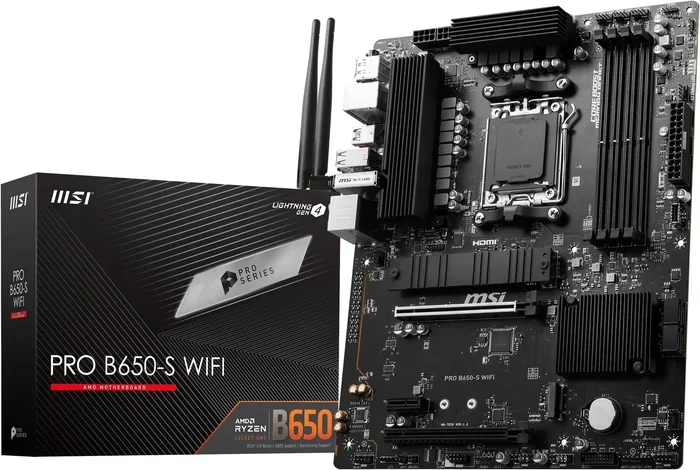
Not every router supports external antennas. Some routers have internal antennas that cannot be replaced. Others have antenna connectors that do not match standard designs. Before buying a high gain wifi antenna, check your router’s specifications. Look for RP-SMA or SMA connectors and make sure your router has them.
Poor Cable Quality
The cable between your router and antenna matters more than people think. A cheap or long cable introduces signal loss. This loss can cancel out the benefit of your high gain antenna. Use high quality, low-loss coaxial cable. Keep the length as short as possible.
Wrong Antenna for the Job
Using a directional antenna when you need full coverage is a common mistake. If you want signal everywhere in your yard, a directional antenna will only cover one strip. An omnidirectional antenna spreads the signal in all directions and is a better fit for this scenario.
Ignoring Local Regulations
In some areas, there are rules about antenna height and wattage. Very high gain antennas may also violate local regulations if mounted too high or too powerful. Check your local laws before installing an outdoor high gain wifi antenna.
Not Testing After Installation
Many people install the antenna and assume it works perfectly. Always test your signal strength after setup. Walk around your property and check for dead zones. Use a WiFi analyzer app on your phone. Adjust the antenna angle if needed. Small changes in direction can make a big difference.
Expert Insights on High Gain Wifi Antennas
Networking professionals agree that high gain wifi antennas are one of the most cost-effective ways to improve wireless coverage. Unlike buying a whole new router, a quality antenna costs a fraction of the price. You get better range and stronger signal with minimal effort.
Beamforming is a newer technology that works alongside high gain antennas. Many modern routers use beamforming to direct signal toward connected devices. A high gain antenna enhances this effect. Together, they create a powerful combination for network performance.
Experts also recommend pairing your antenna upgrade with a WiFi analysis tool. These tools show you where signal is weak and where interference is strong. This data helps you position your high gain wifi antenna for maximum impact.
One important note from professionals: antenna gain is not the same as amplifier gain. An antenna does not amplify your signal like an amplifier does. It reshapes the existing signal pattern. Understanding this difference helps you make smarter purchasing decisions.
Key Takeaways
- High gain wifi antennas do work: They focus and amplify your wireless signal in a targeted direction.
- Directional antennas reach farther: They are ideal for point-to-point connections and long-range coverage.
- Omnidirectional antennas spread signal evenly: Great for covering a full floor or backyard.
- Antenna gain is measured in dBi: Higher numbers mean more focused signal but narrower coverage.
- They will not fix a bad internet plan: The antenna boosts signal but does not increase your ISP speed.
- Placement matters a lot: Even the best antenna underperforms if mounted poorly.
- Check your router compatibility: Not all routers support external high gain antennas.
Conclusion
High gain wifi antennas are a proven and effective way to boost your wireless network. They focus your WiFi signal in the right direction, extend your wireless range, and improve signal strength in areas that need it most. Whether you are covering a large property, connecting two buildings, or eliminating a stubborn WiFi dead zone, the right antenna makes a real difference.
The key is choosing the right type of antenna for your situation. A directional antenna works best for long, narrow links. An omnidirectional antenna is better for spreading coverage evenly. And a panel antenna offers a solid middle ground. Match the antenna to your needs, place it correctly, and use quality cables.
Remember that high gain wifi antennas boost signal but do not replace a good internet plan or a decent router. They work best as part of a complete wireless connectivity strategy. If you follow the tips in this guide, you will get the most out of your investment.
Take action today. Check your router, pick the right high gain wifi antenna, and test your setup. You will be surprised how much better your WiFi can be with the right antenna in place. Stronger signal, better coverage, and fewer frustrating disconnects are all within reach.
Frequently Asked Questions
Do high gain wifi antennas increase internet speed?
High gain wifi antennas improve signal strength and range, which can lead to better speeds in weak signal areas. However, they do not increase the speed provided by your internet service provider. If your plan offers 50 Mbps, the antenna helps you get closer to that speed at a distance but does not make your plan faster.
Can I use a high gain antenna with any router?
Not all routers support external antennas. Check your router for antenna connectors like RP-SMA or SMA. If your router has internal antennas, you cannot swap them out. In that case, you may need a separate WiFi adapter with a high gain antenna instead.
What is the difference between a directional and omnidirectional high gain antenna?
A directional antenna focuses the signal in one direction for long-range connections. An omnidirectional antenna spreads the signal evenly in all horizontal directions. Choose directional for point-to-point links and omnidirectional for wide coverage in a single area.
Are high gain wifi antennas legal?
Yes, high gain wifi antennas are legal for consumer use in most countries. However, there are limits on transmit power and antenna height in some regions. Always check your local regulations before installing outdoor antennas, especially on tall poles or roofs.
How far can a high gain wifi antenna reach?
The range depends on the antenna gain, environment, and obstacles. A typical high gain wifi antenna with 10 to 15 dBi can reach several hundred feet outdoors with clear line of sight. Indoors, walls and furniture reduce the range significantly. Real-world results vary based on your specific setup.
Do I need special equipment to install a high gain antenna?
Most high gain wifi antennas come with standard connectors and mountings. You usually just need a screwdriver and a way to mount the antenna outside or elevated. A WiFi analyzer app is helpful for aiming directional antennas correctly. No special tools or training are required for most setups.