Do Bluetooth Speakers Defeat The Purpose Of Vinyl
Bluetooth speakers defeat the purpose of vinyl for purists who crave warm, rich analog sound. Wireless convenience trades away the authentic audio fidelity that makes vinyl special. However, modern Bluetooth technology has improved, and some setups can still deliver a satisfying experience. The real answer depends on what you value most in your music listening journey. This guide breaks down the full picture so you can decide what works best for you.
There is something magical about dropping the needle on a vinyl record. The warm crackle, the rich bass, and the full-bodied sound make you feel connected to the music in a way that digital files simply cannot match. So when someone plugs a turntable into a Bluetooth speaker, it raises a big question. Does wireless convenience ruin the whole point of vinyl?
The short answer is: it depends on what you care about most. If you love the raw, unfiltered sound of analog music, then Bluetooth speakers defeat the purpose of vinyl in many ways. But if you value portability and ease of use, Bluetooth opens up a whole new world of listening. Let us dive deep into this debate and figure out where the truth really lies.
Key Takeaways
- Vinyl offers unique analog warmth that Bluetooth compression can diminish significantly.
- Bluetooth speakers defeat the purpose of vinyl for serious audiophiles who prioritize sound fidelity.
- Modern Bluetooth codecs like aptX and LDAC have narrowed the gap, but they still fall short of a direct analog connection.
- Portable convenience is the biggest advantage of using Bluetooth speakers with a turntable setup.
- A wired connection always wins when preserving the true character of vinyl records.
- Many vinyl lovers use both formats — Bluetooth for casual listening and wired setups for dedicated sessions.
- Speaker quality matters more than the connection type in some cases, so choosing the right Bluetooth speaker can reduce losses.
📑 Table of Contents
What Makes Vinyl Special?
Before we can answer whether Bluetooth speakers defeat the purpose of vinyl, we need to understand why vinyl matters in the first place. Vinyl records have been around since the late 1800s, and they built an entire culture around music appreciation.
The Analog Sound Experience
Vinyl is an analog format. That means the grooves on the record contain a physical representation of the original sound wave. When a stylus traces those grooves, it recreates the music almost exactly as it was captured in the studio. This process gives vinyl its signature warm sound and rich harmonics.
Many music lovers describe vinyl as sounding “alive.” The bass feels deeper. The vocals feel more intimate. The instruments seem to breathe. This is not just nostalgia — there is real science behind why analog sound feels so immersive.
The Ritual of Listening
Vinyl is not just about sound. It is about the experience. You carefully place the record on the platter. You lower the needle with care. You flip the record after 20 minutes. You marvel at the album artwork. This ritual forces you to slow down and truly listen. In a world of endless streaming playlists, that kind of intentional listening feels revolutionary.
Why Audiophiles Love Vinyl
Audiophiles — people who are passionate about high-quality audio — often swear by vinyl. They argue that vinyl records capture a depth and dimension that compressed digital files lose. The analog vs digital debate has been going on for decades, but vinyl keeps winning hearts. Even younger generations are discovering the joy of collecting and playing records.
The music listening experience on vinyl is simply different. It demands your attention. It rewards your patience. And it delivers a sound quality that many listeners describe as unmatched.
How Bluetooth Speakers Work
Now let us look at the other side of the equation. Bluetooth speakers are incredibly popular, and for good reason. They are portable, wireless, and easy to use. But how do they actually work, and what happens to your music along the way?
The Basics of Bluetooth Technology
Bluetooth is a wireless communication technology that sends data between devices using radio waves. When you connect a turntable to a Bluetooth speaker, the audio signal gets converted into digital data, compressed, transmitted through the air, and then decoded by the speaker. That is a lot of steps, and each step can affect the sound.
The original Bluetooth codecs — the algorithms that compress and send audio — were designed for voice calls, not music. Over time, better codecs like aptX, LDAC, and AAC have improved the quality. But even the best Bluetooth codec still compresses the audio signal. Compression means data loss, and data loss means a less faithful reproduction of the original sound.
Latency and Connection Issues
Another factor to consider is latency. That is the tiny delay between when the audio signal leaves the source and when it reaches the speaker. While modern Bluetooth has reduced latency significantly, it is still not zero. For casual listening, this does not matter much. But for critical listening or DJing, even a small delay can be noticeable.
Connection stability is also a concern. Bluetooth signals can interfere with Wi-Fi networks, microwaves, and other devices. A dropped connection or a momentary glitch can interrupt your listening session and pull you out of the experience.
Speaker Driver Quality
Not all Bluetooth speakers are created equal. A high-end portable speaker with quality drivers can sound surprisingly good. A cheap Bluetooth speaker will struggle to reproduce the full range of frequencies that vinyl can deliver. The speaker itself matters just as much as the connection method.
When you pair a quality turntable with a premium Bluetooth speaker, the result is much better than you might expect. But it still cannot match a wired setup with a dedicated amplifier and speakers.
Do Bluetooth Speakers Ruin Vinyl Sound Quality?
This is the million-dollar question. And the honest answer is: Bluetooth speakers defeat the purpose of vinyl when it comes to preserving the full audio fidelity of your records. Here is why.
The Compression Problem
Every time audio is converted from analog to digital and then compressed for Bluetooth transmission, something is lost. The subtle details — the texture of a singer’s voice, the resonance of a guitar string, the ambient sound of a live recording — can get smoothed over or stripped away entirely.
Vinyl is special precisely because it preserves these nuances. The analog signal carries information in a continuous waveform. Bluetooth converts that to a discrete digital signal, and no matter how good the codec, some information gets discarded. For the casual listener, this difference might be barely noticeable. For someone who truly appreciates vinyl, it is glaring.
Frequency Response Limitations
Most Bluetooth speakers have a limited frequency response compared to a proper stereo system. They struggle to reproduce the deepest bass and the highest treble frequencies that vinyl can deliver. The result is a flatter, less dynamic sound. The warmth that makes vinyl so appealing gets diluted.
High-end Bluetooth speakers are closing this gap. Some premium models now offer surprisingly deep bass and crisp highs. But they still cannot fully replicate what a dedicated stereo system delivers through a direct wired connection.
Signal-to-Noise Ratio
Vinyl records naturally have a small amount of surface noise — that lovely crackle and pop that fans associate with the format. A good stereo system can amplify the music while keeping the noise floor low. A Bluetooth speaker may amplify both the music and the noise, making the crackle more prominent and distracting.
The signal-to-noise ratio matters a lot for vinyl listening. Bluetooth adds another layer of potential noise and interference into the chain, which can degrade the overall listening experience.
When Bluetooth Makes Sense With Vinyl
So if Bluetooth speakers defeat the purpose of vinyl in terms of pure sound quality, does that mean you should never use one? Not necessarily. There are real situations where Bluetooth makes a lot of sense.
Casual Listening and Parties
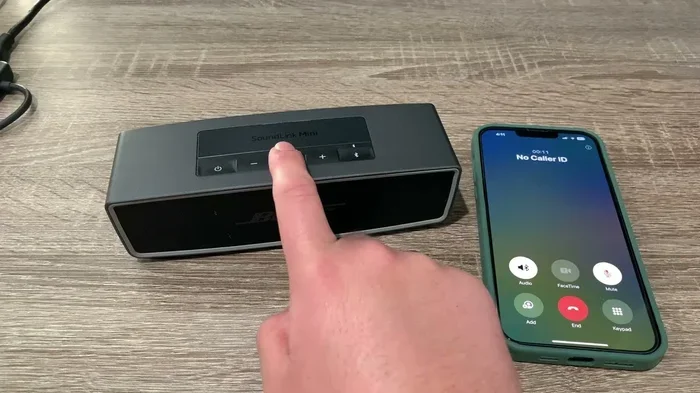
If you are hosting a gathering and want to play some records for a group of people, a Bluetooth speaker is incredibly convenient. You do not need to set up a full stereo system. You just place your turntable near the speaker, pair them, and start the party. The convenience factor is hard to beat.
For casual background music during a barbecue or a pool party, most guests will not notice the compression losses. They will just enjoy the music and the vibe.
Small Spaces and Dorm Rooms
Living in a small apartment or a dorm room? A full stereo setup might not be practical. A single Bluetooth speaker takes up minimal space and still delivers decent sound. For vinyl collectors with limited room, Bluetooth offers a way to enjoy their records without a bulky audio setup.
Many young vinyl enthusiasts start their collections this way. A turntable and a Bluetooth speaker can be an affordable entry point into the world of analog music.
Travel and Outdoor Listening
Want to play records at a picnic, a beach trip, or a camping adventure? A portable Bluetooth speaker is your best friend. You can carry it anywhere, and it runs on battery power. This kind of flexibility simply is not possible with a traditional stereo system.
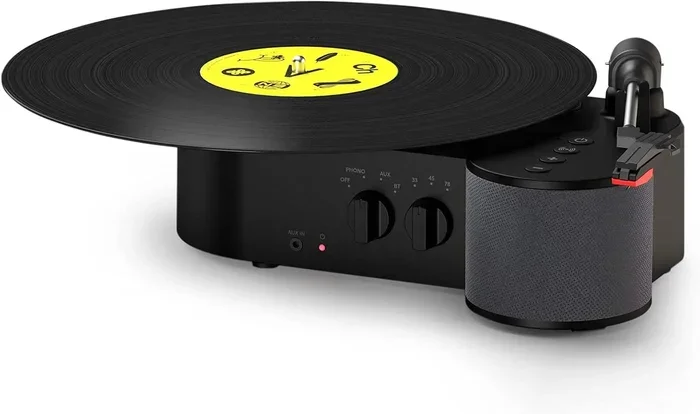
Some vinyl lovers even bring portable turntables on trips and pair them with Bluetooth speakers for a unique outdoor listening experience. It is not perfect, but it is fun and memorable.
Building Your Setup Gradually
If you are new to vinyl, a Bluetooth speaker can be a great starting point. It lets you explore different records and genres without a big upfront investment. Once you fall in love with the format, you can always upgrade to a proper wired setup later.
Many experienced collectors started exactly this way. The Bluetooth speaker was a stepping stone, not the final destination.
Best Practices for Playing Vinyl Through Bluetooth
If you decide to use Bluetooth speakers with your turntable, there are ways to get the best possible sound. Here are some practical tips to improve your experience.
Choose the Right Bluetooth Speaker
Not all speakers are equal. Look for a Bluetooth speaker that supports high-quality codecs like aptX or LDAC. These codecs preserve more of the original audio data during transmission. Brands like Sonos, JBL, Bose, and Marshall offer options at various price points.
Pay attention to driver size and speaker design. Larger drivers generally produce better bass and overall sound. A speaker with a dedicated bass radiator will handle low frequencies much better than a tiny portable unit.
Keep the Distance Short
Bluetooth signal strength degrades with distance. Keep your turntable and speaker within a few feet of each other for the most stable connection. Walls and obstacles can also weaken the signal, so try to keep them in the same room with a clear line of sight.
Use a Quality Turntable
A good turntable with a quality cartridge and stylus will produce a stronger, cleaner signal. Even if some quality is lost through Bluetooth compression, starting with a clean signal means the final output will be better. Budget turntables with poor built-in preamps can introduce extra noise and coloration to the sound.
Consider a Bluetooth Receiver with Analog Output
Some audio enthusiasts use a Bluetooth receiver that also has analog outputs. This lets you connect to both a Bluetooth speaker for convenience and a wired system for serious listening. You get the best of both worlds without needing to buy two separate setups.
Minimize Interference
Keep your Bluetooth speaker away from Wi-Fi routers, microwaves, and other electronic devices that can cause interference. A clean Bluetooth connection means fewer dropouts and a more consistent listening experience.
Turn Off Other Wireless Devices
When you are sitting down for a dedicated vinyl listening session, turn off unnecessary wireless devices in your home. This reduces radio frequency interference and helps maintain a strong, stable Bluetooth connection.
The Verdict: Do Bluetooth Speakers Defeat the Purpose of Vinyl?
Here is the bottom line. Bluetooth speakers defeat the purpose of vinyl if your primary goal is to experience the full, unfiltered sound that makes vinyl so special. The compression, the data loss, and the frequency limitations all work against the analog warmth that vinyl enthusiasts love.
But if your goal is convenience, portability, or casual listening, Bluetooth speakers are a perfectly fine option. They let you enjoy your vinyl collection in situations where a full stereo system would be impractical.
The real answer is that Bluetooth speakers and vinyl serve different needs. For the purist, the dedicated wired setup will always win. For the everyday listener who wants flexibility, Bluetooth offers a compelling alternative. The best approach for many people is to use both — a wired system for serious listening sessions and a Bluetooth speaker for casual moments.
Vinyl is about more than just sound. It is about the ritual, the connection, and the intentionality of listening. Whether you use a Bluetooth speaker or a thousand-dollar stereo system, what matters most is that you are actually sitting down and experiencing music the way it was meant to be heard.
So do not let anyone tell you that using Bluetooth makes your vinyl listening invalid. It does not. It just means your experience will be different. And that is okay. The most important thing is that you keep listening, keep collecting, and keep falling in love with the music.
The format does not define your passion. Your love for the music does. And as long as you are pressing play, whether through a wire or a Bluetooth connection, the magic of vinyl lives on.
Frequently Asked Questions
Can you connect a turntable to a Bluetooth speaker?
Yes, most modern turntables can connect to a Bluetooth speaker either through a built-in Bluetooth transmitter or an external Bluetooth adapter. You simply pair the two devices and start playing. The connection process is straightforward and takes only a few minutes to set up.
Does Bluetooth compression affect vinyl sound quality?
Yes, Bluetooth compression does affect sound quality. The audio signal gets compressed during transmission, which removes some of the subtle details and nuances that make vinyl special. However, modern codecs like aptX and LDAC minimize this loss compared to older Bluetooth versions.
What is the best Bluetooth speaker for vinyl listening?
The best Bluetooth speaker for vinyl depends on your budget and needs. Look for speakers that support high-quality codecs, have good driver sizes, and offer balanced sound. Popular choices include the JBL Charge 5, Sonos Move, and Marshall Willen for portable options, and the Bose SoundLink for home use.
Is it better to use a wired connection for vinyl?
Absolutely. A wired connection preserves the full analog signal without any compression or data loss. If sound quality is your priority, always choose a direct wired connection between your turntable and speakers. Bluetooth should be a convenience option, not your primary listening method.
Why do vinyl lovers prefer analog sound over Bluetooth?
Vinyl lovers prefer analog sound because it delivers a continuous waveform that captures the full richness of the original recording. Bluetooth converts this to a digital signal, compresses it, and transmits it wirelessly — a process that inevitably strips away some of the warmth, depth, and detail that make vinyl so beloved.
Can a Bluetooth speaker ruin a vinyl record?
A Bluetooth speaker cannot physically damage a vinyl record, but it can diminish the listening experience by compressing and altering the sound. Over time, using low-quality Bluetooth speakers may also discourage new collectors from appreciating the true potential of vinyl, which is a real loss for the format.
=== CONCLUSION ===
The debate over whether Bluetooth speakers defeat the purpose of vinyl is not about right or wrong. It is about what you value most in your music experience. Vinyl offers something irreplaceable — the warmth, the depth, the ritual, and the connection to the music. Bluetooth speakers offer something equally valuable — convenience, portability, and accessibility.
If you are a serious audio enthusiast who wants to hear every nuance of your favorite records, a wired setup is the way to go. Bluetooth speakers defeat the purpose of vinyl when they replace a proper analog chain entirely. But if you are someone who loves vinyl and also wants the flexibility to play records anywhere, Bluetooth is a great tool to have in your arsenal.
The best approach is to understand the trade-offs and make informed choices. Use Bluetooth when it makes sense, and use wired connections when you want the full experience. At the end of the day, what matters most is that you are listening to music you love, on a format that brings you joy. Vinyl has survived for over a century because it connects people to music in a deeply personal way. No Bluetooth speaker can take that away from you.