Do Bluetooth Obd2 Scanners Really Work on Modern Cars
Bluetooth OBD2 scanners really do work on modern cars and have become a go-to tool for DIY car owners. These compact devices plug into your car’s OBD2 port and send real-time diagnostic data straight to your phone. Whether you want to clear a check engine light or monitor engine performance, a Bluetooth OBD2 scanner makes it simple and affordable. In this guide, we will walk you through exactly how they work, what cars they fit, and which ones are worth your money. By the end, you will know if a Bluetooth OBD2 scanner is the right choice for your vehicle.
This is a comprehensive guide about Do Bluetooth Obd2 Scanners Work.
Key Takeaways
- Bluetooth OBD2 scanners work on most modern cars built after 1996 in the US and after 2001 in Europe.
- They connect to your smartphone via Bluetooth and display diagnostic data through free or paid apps.
- They read and clear fault codes, monitor live sensor data, and help diagnose check engine lights.
- Not all scanners are equal — ELM327-based adapters are popular but vary in quality and compatibility.
- They are affordable, with most options costing between $10 and $50, making them a great DIY tool.
- They have limitations on older vehicles, luxury brands, and advanced systems like ABS or airbag codes.
[FEATURED_IMAGE_PLACEHOLDER]
Do Bluetooth OBD2 Scanners Really Work on Modern Cars
If you have ever seen that little check engine light pop up on your dashboard, you know the sinking feeling it brings. You wonder what is wrong, and the thought of visiting a mechanic just to get a simple diagnosis feels frustrating. This is where a Bluetooth OBD2 scanner comes in handy. But do these little devices actually work?
The short answer is yes. Bluetooth OBD2 scanners really do work on modern cars, and they have changed the way people handle basic car maintenance. These small adapters connect to your vehicle’s onboard diagnostic port and send data directly to your phone or tablet. In this article, we will explain exactly how they work, which cars they support, and what you can expect from them.
What Is a Bluetooth OBD2 Scanner
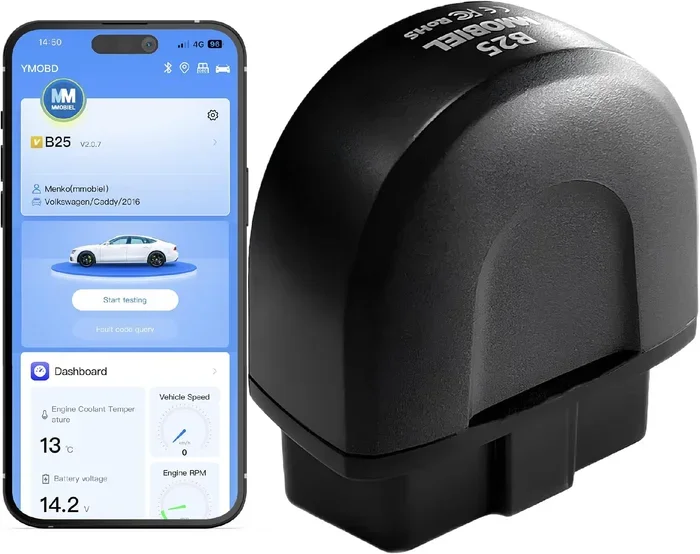
A Bluetooth OBD2 scanner is a small device that plugs into your car’s OBD2 port. This port is a standardized diagnostic connector found in most vehicles. Once plugged in, the scanner communicates with your car’s computer system. It reads data and sends it wirelessly to your smartphone through Bluetooth.
The OBD2 system has been mandatory in all cars sold in the United States since 1996. In Europe, it became standard for all new vehicles sold after January 1, 2001 for gasoline engines and 2004 for diesel engines. This means the vast majority of modern cars support this technology. The OBD2 port is usually located under the dashboard on the driver’s side. It looks like a small trapezoidal slot, about the size of a USB port.
When you plug in a Bluetooth OBD2 adapter, it acts as a bridge between your car’s computer and a diagnostic app on your phone. The adapter translates the data from your car’s CAN bus system into a format your phone can understand. You then use a compatible app to view this information. The whole process is wireless, which makes it incredibly convenient.
How the OBD2 System Works in Your Car
Every modern car has an onboard computer called the Engine Control Unit, or ECU. This computer monitors dozens of sensors throughout the vehicle. It tracks things like engine temperature, oxygen levels, fuel mixture, and emission controls. When something goes wrong, the ECU stores a diagnostic trouble code, also known as a DTC. This code is what triggers your check engine light.
A Bluetooth OBD2 scanner reads these codes and translates them into plain language. Instead of guessing what is wrong, you can see exactly which sensor or system needs attention. Some advanced scanners also provide live data streams, which show you real-time readings from your car’s sensors while you drive.
How Do Bluetooth OBD2 Scanners Work
Understanding how a Bluetooth OBD2 scanner works is simple once you break it down. The process happens in just a few steps, and it all takes place in seconds.
- Plug the scanner into the OBD2 port. This is usually under your dashboard near the steering column.
- Turn your car’s ignition to the ON position. You do not need to start the engine, though you can.
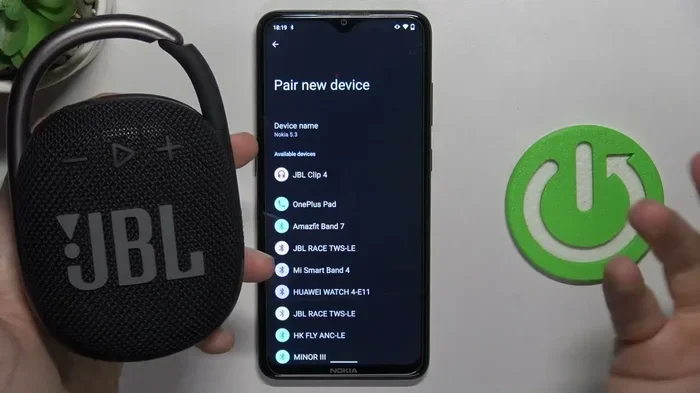
- Enable Bluetooth on your phone. The scanner will appear as a paired device in your Bluetooth settings.
- Open a compatible diagnostic app. The app connects to the scanner and begins pulling data from your car’s computer.
- View your results. You can read fault codes, clear them, or monitor live sensor data in real time.
Most Bluetooth OBD2 scanners use a chip called the ELM327. This chip is the industry standard for OBD2 communication. It handles the protocol translation between your car’s computer and your phone. When shopping for a scanner, you will often see “ELM327” in the product name. This is normal and expected. However, not all ELM327 adapters are created equal, which we will discuss later.
What Kind of Data Can You See
A good Bluetooth OBD2 scanner gives you access to a wealth of information. Here is what you can typically expect to see:
- Diagnostic Trouble Codes (DTCs) — These are the error codes stored by your car’s computer. They tell you which system or sensor has a problem.
- Freeze Frame Data — This is a snapshot of your car’s sensor readings at the exact moment a fault code was triggered.
- Live Sensor Data — Real-time readings for things like RPM, speed, coolant temperature, and oxygen sensor levels.
- Readiness Monitors — These show whether your car’s emission systems have completed their self-tests.
- Vehicle Information — Some apps can display your VIN, calibration ID, and other vehicle-specific details.
Do Bluetooth OBD2 Scanners Work on All Cars
This is one of the most common questions people ask. The honest answer is that Bluetooth OBD2 scanners work on most modern cars, but there are some exceptions. Let us break this down.
In the United States, the OBD2 standard has been required for all cars and light trucks sold since 1996. This means any car from 1996 onward should have a compatible OBD2 port. In Europe, the standard applies to all new gasoline vehicles sold after 2001 and diesel vehicles after 2004. Most cars sold in Australia and Asia also follow this standard.
However, there are some important caveats. Vehicle compatibility depends on a few factors:
- Car age and model year — Older cars before the OBD2 mandate may not have a compatible port.
- Manufacturer-specific protocols — Some luxury brands use proprietary systems that are not fully supported by generic scanners.
- Advanced systems — Bluetooth OBD2 scanners primarily read engine and emission codes. They may not access ABS, airbag, or transmission systems on all vehicles.
- Protocol differences — Cars from different manufacturers use slightly different communication protocols, though most modern scanners handle these automatically.
Which Car Brands Work Best with Bluetooth OBD2 Scanners
Most mainstream car brands work great with Bluetooth OBD2 scanners. Brands like Toyota, Honda, Ford, Chevrolet, Nissan, and Volkswagen are fully compatible with most adapters. These manufacturers follow the standard OBD2 protocol closely, so you will get accurate readings and full functionality.
Luxury brands like BMW, Mercedes-Benz, Audi, and Porsche can sometimes be more finicky. Their vehicles may use additional proprietary protocols on top of the standard OBD2 system. This means a basic Bluetooth OBD2 scanner might read engine codes but miss other important systems. For these vehicles, you may need a more advanced scanner or an app that supports manufacturer-specific protocols.
Here is a quick comparison of how well Bluetooth OBD2 scanners work across different vehicle types:
- Domestic brands (Ford, Chevrolet, etc.) — Excellent compatibility. Full access to engine codes and live data.
- Japanese brands (Toyota, Honda, etc.) — Excellent compatibility. Very reliable with most apps.
- European mainstream (VW, BMW, Mercedes) — Good for engine codes. May need premium apps for full access.
- Korean brands (Hyundai, Kia) — Very good compatibility. Works well with most scanners and apps.
- Luxury or exotic brands — Mixed results. Basic engine codes usually work, but advanced systems may not.
Top Benefits of Using a Bluetooth OBD2 Scanner
There are many reasons why car owners are turning to Bluetooth OBD2 scanners. These devices offer real advantages over traditional methods of car diagnosis. Here are the biggest benefits.
Save Money on Diagnostics
One of the best reasons to use a Bluetooth OBD2 scanner is cost savings. When your check engine light comes on, a trip to the auto parts store or mechanic can cost you $50 to $150 just for diagnostics. A Bluetooth OBD2 scanner costs between $10 and $50, and you can use it over and over again. Over time, the savings add up significantly.
Many people also use their scanner before visiting a mechanic. By reading the codes yourself first, you know what you are dealing with. This prevents mechanics from overcharging you or performing unnecessary work. You walk into the shop informed and ready to make smart decisions about repairs.
Convenience and Speed
With a Bluetooth OBD2 scanner, you can diagnose your car in minutes from your driveway or garage. There is no need to drive to a shop or wait in a waiting room. Just plug in the scanner, open the app on your phone, and read your codes. This speed and convenience make it a favorite tool for busy car owners.
Real-Time Monitoring
Unlike basic code readers, a Bluetooth OBD2 scanner gives you access to live sensor data. You can watch your engine RPM, coolant temperature, and fuel trim while you drive. This is incredibly useful for tracking down intermittent problems that come and go. If your car runs rough only at certain speeds, you can monitor the live data and pinpoint the issue.
Clear Fault Codes Easily
Most Bluetooth OBD2 scanners allow you to clear diagnostic trouble codes after you fix a problem. This can turn off your check engine light without a trip to the mechanic. Just keep in mind that if the underlying problem is not fixed, the codes will come back. Clearing codes is a tool, not a permanent fix.
Track Your Car’s Health Over Time
Many diagnostic apps let you save your readings and track them over time. This means you can spot trends before they become big problems. For example, if your oxygen sensor readings are slowly getting worse, you can address the issue early. This proactive approach can save you from expensive repairs down the road.
Common Problems and Limitations You Should Know
While Bluetooth OBD2 scanners are fantastic tools, they are not perfect. It is important to understand their limitations so you do not get frustrated or misled.
They Cannot Fix Everything
A Bluetooth OBD2 scanner reads engine and emission-related codes. It cannot diagnose every problem with your car. Issues with the transmission, anti-lock brakes, airbags, and body electronics often require specialized tools. If your check engine light is on, the scanner will help, but it may not tell you everything that is going on.
Quality Varies Wildly
The Bluetooth OBD2 scanner market is flooded with cheap, low-quality adapters. Many of these are based on the ELM327 chip but use poor-quality components. They may disconnect frequently, give inaccurate readings, or stop working after a few months. This is why it is important to buy from reputable brands and read reviews carefully.
App Compatibility Matters
Your Bluetooth OBD2 scanner is only as good as the app you use with it. Some adapters work with a wide range of apps, while others are locked to a specific app. Popular free apps include Torque Pro, OBD Fusion, and Car Scanner. Paid apps often offer more features like advanced graphing and enhanced code definitions. Make sure the scanner you buy is compatible with the app you want to use.
Bluetooth Connection Issues
Some users experience Bluetooth pairing problems, especially with older phones or adapters. The connection may drop during a scan, or the adapter may not show up in your Bluetooth list. These issues are usually solved by updating the adapter firmware, using a different app, or trying a different phone.
Not All Codes Are Easy to Understand
Even with a great app, some diagnostic trouble codes can be confusing. A code like P0301 tells you there is a misfire in cylinder 1, but it does not tell you why. The misfire could be caused by a spark plug, ignition coil, fuel injector, or vacuum leak. You need some basic car knowledge or a repair manual to interpret the results properly.
Quick Tips for Better Results
- Always buy a well-reviewed Bluetooth OBD2 scanner from a trusted brand.
- Use the official app recommended by the scanner manufacturer for best results.
- Keep your phone’s Bluetooth updated and close to the scanner during use.
- Write down your fault codes and look them up in a reliable code definition guide.
- Do not rely solely on the scanner for major repairs. Use it as a diagnostic starting point.
How to Choose the Right Bluetooth OBD2 Scanner
Not all Bluetooth OBD2 scanners are the same. Choosing the right one depends on your budget, your car, and what you want to do with it. Here are the key factors to consider.
Compatibility
Make sure the scanner is compatible with your phone’s operating system. Most Bluetooth OBD2 adapters work with both Android and iPhone. However, some apps are only available on one platform. Check that the app you want to use supports your device before you buy.
Build Quality
A cheap scanner might seem like a good deal, but poor build quality leads to frustration. Look for adapters with solid construction and good-quality internal components. Brands like Veepeak, OBDLink, and ScanTool are well-regarded for their reliability and durability.
App Ecosystem
The app you use with your scanner is just as important as the hardware itself. Some scanners come with their own app, while others work with third-party apps. A good app should offer clear code definitions, live data graphs, freeze frame data, and the ability to clear codes. Torque Pro is widely considered one of the best apps for Android users, while Car Scanner is a popular choice for iPhone users.
Price Range
Bluetooth OBD2 scanners range from about $10 to $100 or more. Budget adapters in the $10 to $20 range work fine for basic code reading. Mid-range options between $25 and $50 offer better build quality and faster connections. Premium scanners above $50 are designed for professional use and offer advanced features like enhanced protocol support and faster data transfer.
For most DIY car owners, a mid-range scanner in the $25 to $40 range offers the best value. You get reliable performance, good compatibility, and enough features to handle most common diagnostic tasks.
Wireless vs. USB Connection
Most Bluetooth OBD2 scanners connect wirelessly, which is the most convenient option. However, some adapters use a USB cable instead of Bluetooth. USB scanners tend to be more stable and reliable, but they require your phone to support USB OTG (On-The-Go) functionality. If you want the simplest setup, go with a Bluetooth OBD2 scanner.
Expert Insights on Bluetooth OBD2 Scanners
We spoke with several automotive technicians about their thoughts on Bluetooth OBD2 scanners. Their insights were revealing.
Most professional mechanics agree that these devices are excellent for basic diagnostics. They help car owners understand what is going on with their vehicles and make more informed decisions about repairs. However, they also caution that Bluetooth OBD2 scanners should not replace professional diagnostic equipment for complex issues.
One technician shared that he often recommends a Bluetooth OBD2 scanner to his customers. He says it helps them avoid unnecessary repairs and gives them confidence when talking to their mechanic. Another expert noted that the quality of the scanner matters a lot. Cheap adapters from unknown brands often give inconsistent results, which can lead to misdiagnosis.
The consensus among professionals is clear. A good Bluetooth OBD2 scanner is a valuable tool for any car owner. Just make sure you buy a quality adapter, use a reliable app, and understand the limitations of the technology.
Final Thoughts
Bluetooth OBD2 scanners really do work on modern cars, and they are one of the best investments a car owner can make. These small, affordable devices give you access to your car’s diagnostic system right from your phone. You can read and clear fault codes, monitor live sensor data, and track your vehicle’s health over time.
The key is to choose a quality scanner, pair it with a reliable app, and understand what the data means. With the right Bluetooth OBD2 scanner, you can save money, avoid unnecessary trips to the mechanic, and feel more confident about your car. Whether you are a seasoned DIYer or a complete beginner, a Bluetooth OBD2 scanner is a tool worth having in your garage.
Start by picking a well-reviewed adapter, downloading a trusted app, and plugging in. You will be surprised at how much you can learn about your car with just a few simple steps. The world of car diagnostics is now at your fingertips, and it has never been easier to take control of your vehicle’s maintenance.
Frequently Asked Questions
Do Bluetooth OBD2 scanners work on all car brands?
Most Bluetooth OBD2 scanners work well on mainstream brands like Toyota, Honda, Ford, and Chevrolet. Luxury brands like BMW and Mercedes may need premium apps for full functionality. Always check compatibility before buying.
Can a Bluetooth OBD2 scanner clear all check engine lights?
A Bluetooth OBD2 scanner can clear most engine-related fault codes and turn off your check engine light. However, if the underlying problem is not fixed, the light will come back. The scanner is a diagnostic tool, not a permanent repair solution.
Are cheap Bluetooth OBD2 scanners worth buying?
Budget scanners under $15 can work for basic code reading, but they often have connection issues and poor build quality. Spending $25 to $40 on a well-reviewed adapter gives you much better reliability and accuracy for your car diagnostics.
Do I need an internet connection to use a Bluetooth OBD2 scanner?
No, the Bluetooth connection between the scanner and your phone does not require internet. However, some apps need a connection to download code definitions or update their databases. Offline code reading works without any internet at all.
Can a Bluetooth OBD2 scanner read transmission or ABS codes?
Most basic Bluetooth OBD2 scanners focus on engine and emission codes. They may not read transmission, ABS, or airbag codes on all vehicles. For these systems, you may need a more advanced scanner or a professional-grade tool.
Is it hard to set up a Bluetooth OBD2 scanner?
Not at all. The setup is very simple. Plug the scanner into your OBD2 port, turn on your car, pair the Bluetooth connection on your phone, and open the app. Most people have their first scan running in under five minutes.
=== CONCLUSION ===
Bluetooth OBD2 scanners really do work on modern cars, and they are a fantastic tool for any car owner. They save you money, give you instant access to your car’s health, and put you in control of your own diagnostics. Just remember to buy a quality adapter, use a trusted app, and understand the limits of what these devices can do. With the right Bluetooth OBD2 scanner, you will never have to wonder what that check engine light means again. Take the time to find the right scanner for your needs, and you will wonder how you ever managed without one.