Can You Use Your Phone Inflight Here Is What To Know
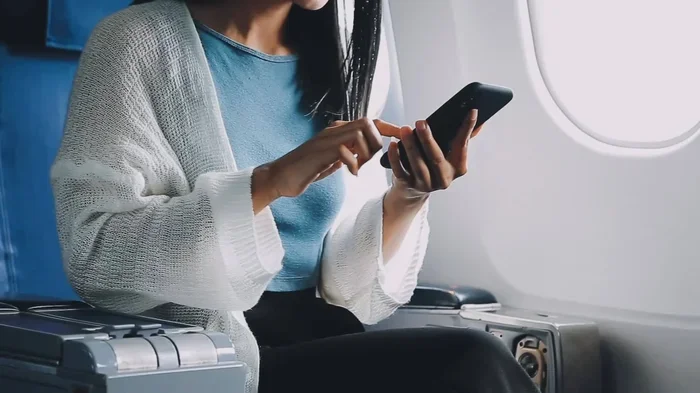
Can you use your phone inflight? Yes, you can, but with important rules. Most airlines now allow phone usage during all flight phases, thanks to updated FAA regulations. You must use airplane mode or connect to in-flight WiFi to stay safe and compliant.
Can you use your phone inflight? That simple question has confused travelers for decades. For years, flight attendants told us to power down everything from gate to gate. Then rules changed, and suddenly we could browse, text, and even watch movies at cruising altitude.
Today, the answer to can you use your phone inflight is a clear yes, with a few conditions. The Federal Aviation Administration (FAA) updated its guidelines, and airlines adapted quickly. But knowing the rules helps you avoid awkward moments and keeps your flight smooth.
This guide covers everything you need to know. We will walk through airplane mode, in-flight WiFi, Bluetooth, and why your phone still matters when you are thousands of feet in the air.
Can you use your phone inflight? The short answer is yes. The long answer depends on a few factors, including your airline, your destination, and what you want to do with your device. Let us break it down.
Key Takeaways
- Phone usage is allowed: The FAA lifted the ban on portable electronics, so you can use your phone during takeoff and landing.
- Airplane mode is essential: You must enable flight mode to disable cellular signals that could interfere with avionics.
- In-flight WiFi is available: Many airlines offer gate-to-gate internet access for browsing and streaming.
- Voice calls are restricted: Most airlines prohibit voice calls even when WiFi is available.
- Bluetooth works too: You can connect wireless headphones and keyboards once airplane mode is on.
- Rules vary by airline: Always check your specific carrier’s policy before boarding.
- International flights have extra rules: Different countries may have additional regulations for mobile device usage.
📑 Table of Contents
- The History of Phone Usage on Planes
- Can You Use Your Phone Inflight: The Current Rules
- How In-Flight WiFi Works
- Bluetooth and Other Wireless Connections
- Voice Calls and Video Chatting on Planes
- International Flights and Different Country Rules
- Tips for Using Your Phone Comfortably on a Plane
- Common Mistakes People Make With Phones on Planes
- Expert Insights on Mobile Device Safety at Altitude
- Key Takeaways
- Conclusion
The History of Phone Usage on Planes
For a long time, the rule was simple: turn off all electronic devices during takeoff and landing. The concern was signal interference with aircraft systems. Aviation experts worried that cellular signals could disrupt navigation and communication equipment.
But studies showed the risk was minimal. The FAA reviewed years of data and concluded that most portable electronics posed no real threat. In 2013, the agency allowed airlines to let passengers use devices in airplane mode throughout the flight.
This was a game changer. Suddenly, travelers could read ebooks, play games, and stay productive during short flights. The question shifted from “can you use your phone inflight” to “how do you use it properly.”
Why the Original Ban Existed
Airlines imposed the original ban as a precaution. The idea was simple: avoid any possible cell tower interference with cockpit instruments. Even if the risk was tiny, airlines preferred caution.
Passengers also had older phones that emitted stronger signals. Modern devices are much more refined. They operate on lower power, which reduces any potential for disruption to aviation safety systems.
Today, airlines conduct their own testing before allowing device usage. Each carrier verifies that passenger electronics will not affect their specific aircraft models. This thorough process gives travelers confidence.
Can You Use Your Phone Inflight: The Current Rules
So, can you use your phone inflight right now? Yes, with some clear guidelines. Here is what the current rules look like for most domestic and international flights.
During takeoff and landing, you must stow large devices like laptops. Small items, including phones and tablets, can stay in your hands or seat-back pocket. You must have them in airplane mode or stowed securely.
Once the plane reaches cruising altitude, you can use your phone freely within the rules. This means airplane mode stays on, or you connect to the airline’s in-flight WiFi network.
What Airplane Mode Actually Does
Airplane mode disables all wireless transmissions from your phone. It turns off cellular, WiFi, and Bluetooth connections. Your phone becomes a standalone device that can still store photos, play music, and run offline apps.
When airplane mode is on, your phone stops searching for cell towers. This is important because at cruising altitude, your phone would connect to dozens of towers on the ground. That rapid switching could cause signal interference with aircraft systems.
You can still use features that do not require a connection. Downloaded music, saved documents, and offline games all work perfectly. Many travelers use flight time to catch up on reading or watch pre-downloaded videos.
When You Can Turn on WiFi
Most airlines allow you to enable WiFi once airplane mode is active. This is called gate-to-gate WiFi in many cases. You can connect to the airline’s network and browse the internet, check email, or use messaging apps.
Some carriers offer free WiFi. Others charge a fee for data access. The cost varies widely, from free basic messaging to paid plans for streaming and large downloads. Always check your airline’s WiFi options before your flight.
Keep in mind that in-flight WiFi speeds are usually slower than ground-based connections. The signal must travel between your device and a satellite or ground-based tower. Streaming video may buffer, but browsing and messaging work well.
How In-Flight WiFi Works
Can you use your phone inflight with internet access? Absolutely, thanks to in-flight WiFi technology. Airlines use two main systems to provide internet at altitude: satellite-based and ground-based connections.
Satellite WiFi Systems
Satellite WiFi connects your phone to a network of orbiting satellites. The plane has a small antenna on top that communicates with these satellites. This system works over oceans and remote areas where ground towers are unavailable.
Satellite WiFi tends to be more expensive for airlines to operate. The cost often passes on to passengers. However, it provides reliable coverage on long-haul international routes where ground-based systems cannot reach.
Ground-Based WiFi Systems
Also called air-to-ground WiFi, this system uses cell towers on the ground. As the plane flies, it connects to the nearest tower, much like your phone connects to towers on the ground. This system works well over land but not over large bodies of water.
Ground-based WiFi is often faster and less expensive than satellite options. Many domestic carriers in the United States use this technology. It provides solid speeds for browsing, email, and light streaming.
Which Airlines Offer Free WiFi?
Several major airlines now offer free WiFi on planes for basic use. JetBlue, for example, provides free gate-to-gate internet on all flights. Southwest Airlines offers free WiFi on all flights as well.
Other carriers like Delta and Alaska offer free messaging through their WiFi networks. You can use iMessage, WhatsApp, or Facebook Messenger without paying for a full data plan. Full browsing and streaming usually require a paid package.
The trend toward free WiFi is growing. As in-flight entertainment systems become less necessary, airlines push WiFi as a way to keep passengers happy. Many travelers now expect internet access as a standard amenity.
Bluetooth and Other Wireless Connections
One common question is whether Bluetooth works on planes. The answer is yes, in most cases. Once you enable airplane mode, you can manually turn Bluetooth back on. This lets you connect wireless headphones, keyboards, and other accessories.
The FAA allows Bluetooth usage because it operates on a very low power level. The signal range is short, usually around 30 feet. This makes it unlikely to cause any electronic device interference with aircraft systems.
Many airlines now encourage passengers to use wireless headphones. This reduces cable clutter and makes the flying experience more pleasant. Just remember to keep your Bluetooth devices paired and ready before you board.
Can You Use AirPods and Wireless Earbuds?
Yes, you can use AirPods and most wireless earbuds during a flight. They connect via Bluetooth, which is allowed once airplane mode is active. Just make sure your earbuds are charged before you head to the airport.
Some airlines provide USB charging ports at every seat. Others have only limited outlets. Bringing a portable battery pack is a smart move for long flights. You will want your earbuds and phone powered up for the entire journey.
Voice Calls and Video Chatting on Planes
Here is where the rules get strict. Can you use your phone inflight to make voice calls? In most cases, no. The majority of airlines prohibit voice calls during flight, even when WiFi is available.
The reason is simple: passenger comfort. Imagine sitting in a tight seat while the person next to you talks loudly on a call for three hours. Most travelers prefer peace and quiet during flights. Airlines listen to these concerns.
Some international carriers have experimented with voice call services. They usually offer it through a paid WiFi package with limited access. But in the United States, voice calls remain banned on nearly all domestic flights.
Texting and Messaging Work Fine
While voice calls are off the table, texting and messaging are perfectly fine. You can use iMessage, WhatsApp, Telegram, or any app that works over WiFi. As long as you have internet access, you can stay in touch with friends and family.
Some airlines offer free messaging even on their basic WiFi plans. This is a nice perk for travelers who want to share updates without paying extra. Check your airline’s WiFi page before your trip to see what is included.
International Flights and Different Country Rules
Traveling internationally adds another layer to the question of can you use your phone inflight. Different countries have different regulations for electronic device usage. Always research the rules for your departure country, destination country, and the airline you are flying.
For example, some countries require devices to be fully powered off during certain flight phases, not just in airplane mode. Others have no restrictions beyond what the FAA requires. The key is to check before you travel.
Data Roaming at Altitude
One thing to watch out for is accidental data roaming. If you forget to enable airplane mode, your phone may try to connect to foreign cell towers during descent. This can result in unexpected roaming charges on your bill.
Always double-check that airplane mode is on before the plane begins its descent. This simple habit saves you from surprise fees and keeps your phone from searching for signals it cannot reach.
Tips for Using Your Phone Comfortably on a Plane
Now that you know the rules, here are practical tips to make the most of your phone during a flight.
Download content before you fly. Streaming over in-flight WiFi can be slow. Pre-download movies, music, and podcasts to enjoy without buffering.
Carry a portable charger. Phone batteries drain faster when you use them heavily. A small power bank keeps your device alive from gate to gate.
Use offline apps. Many apps work great without an internet connection. Download offline maps, reading apps, and games before your trip.
Respect fellow passengers. Keep your phone volume low. Use headphones for audio and video. Be mindful of bright screens in dim cabin lighting.
Check your airline’s policy. Rules vary between carriers. A quick check of the airline’s website or app saves confusion at the gate.
Common Mistakes People Make With Phones on Planes
Even with clear rules, travelers make mistakes. Here are the most common ones to avoid.
Forgetting airplane mode. This is the number one mistake. Leaving cellular data on can drain your battery quickly and may trigger warnings from the crew.
Assuming all WiFi is free. Not all airlines offer complimentary internet. Some charge high fees for data access. Know your carrier’s policy before you board.
Trying to make voice calls. This can lead to confrontation with crew members and other passengers. Stick to texting and messaging apps instead.
Ignoring crew instructions. Flight attendants enforce device rules. If they ask you to power down or stow your phone, comply immediately. Safety always comes first.
Overlooking battery drain. Searching for signals at altitude drains your battery fast. Airplane mode solves this problem and extends your phone’s usage time.
Expert Insights on Mobile Device Safety at Altitude
Aviation safety experts agree that modern phones pose little risk to aircraft systems. The FAA has reviewed extensive testing data and confirmed that portable electronics are safe when used correctly.
Dr. Mark Rosen, an aviation safety consultant, explains that the real risk came from older phones with weaker shielding. Modern devices are built to strict standards and rarely cause issues.
Airlines also run their own testing before approving device usage. They work with manufacturers to ensure that thousands of phones flying together will not create problems. This testing gives passengers confidence.
The bottom line is clear. Using your phone on a plane is safe when you follow the rules. Airplane mode, in-flight WiFi, and Bluetooth are all approved for use during flights.
Key Takeaways
- Phone usage is allowed: The FAA lifted the ban on portable electronics, so you can use your phone during takeoff and landing.
- Airplane mode is essential: You must enable flight mode to disable cellular signals that could interfere with avionics.
- In-flight WiFi is available: Many airlines offer gate-to-gate internet access for browsing and streaming.
- Voice calls are restricted: Most airlines prohibit voice calls even when WiFi is available.
- Bluetooth works too: You can connect wireless headphones and keyboards once airplane mode is on.
- Rules vary by airline: Always check your specific carrier’s policy before boarding.
- International flights have extra rules: Different countries may have additional regulations for mobile device usage.
Conclusion
Can you use your phone inflight? Yes, you absolutely can. The days of powering down at the gate are over. Today, you can browse, stream, message, and stay productive from takeoff to landing.
The key is understanding the rules and following them. Enable airplane mode, connect to in-flight WiFi when available, and respect fellow passengers. These simple steps keep you safe and connected throughout your journey.
Airlines continue to improve their WiFi offerings and device policies. The flying experience keeps getting better for tech-savvy travelers. Next time you board a plane, you can confidently use your phone knowing you are doing it the right way.
Stay informed, stay connected, and enjoy your flight. The sky is no longer the limit for your phone usage.
Frequently Asked Questions
Is it safe to use your phone on an airplane?
Yes, it is safe. The FAA has confirmed that portable electronics do not pose a significant risk to aircraft systems when used in airplane mode or with in-flight WiFi. Airlines test devices thoroughly before approving their use.
Can you make phone calls on a plane?
Most airlines do not allow voice calls during flight. The ban is primarily for passenger comfort. Texting and messaging apps that work over WiFi are permitted and widely used by travelers.
Do you need airplane mode on international flights?
Yes, airplane mode is required on all flights, including international ones. Different countries may have additional rules, but airplane mode is the universal standard for safe device usage at altitude.
Can you use Bluetooth on a plane?
Yes, Bluetooth is allowed once airplane mode is enabled. You can connect wireless headphones, keyboards, and other low-power Bluetooth devices. The short-range signal does not interfere with aircraft systems.
Why does in-flight WiFi cost money on some airlines?
Providing WiFi at altitude requires expensive equipment like satellite antennas or ground-based systems. Airlines pass some of these costs to passengers. However, many carriers now offer free basic messaging and WiFi on select routes.
What happens if you forget to turn on airplane mode?
If you forget airplane mode, your phone will search for cell towers and may cause battery drain. Flight attendants may ask you to enable it. In rare cases, your phone could emit signals that trigger aircraft warnings, so always double-check before takeoff.