Can You Get Unlimited Hotspot Data Without Paying Extra
Yes, you can get unlimited hotspot data, but it depends on your carrier, plan, and how you approach it. Many providers now offer plans with unlimited mobile hotspot data, though some still slow speeds after a certain usage threshold. This guide covers the best plans, hidden tricks, and honest truths about getting unlimited hotspot data without paying a fortune.
Let’s be honest. We all rely on our phones for internet now. Whether you’re working from a coffee shop, traveling abroad, or just sitting in a park, having a mobile hotspot is a lifesaver. But here’s the frustrating part: most carriers slap a data cap on your hotspot usage. And when you hit that cap, things get slow really fast. So the big question is simple. Can you get unlimited hotspot data without paying extra? The short answer is yes. The long answer is a bit more interesting, and that’s exactly what we’re going to cover today.
In this guide, we’ll look at how hotspot data works, which carriers offer the best deals, and what tricks you can use to stretch your data even further. We’ll keep things simple and practical. No jargon. No fluff. Just straight talk about getting the most out of your hotspot data without breaking the bank.
Key Takeaways
- Unlimited hotspot plans exist: Several carriers now offer plans with truly unlimited hotspot data or very high hotspot allowances.
- You don’t always need to pay extra: Some plans include hotspot data at no additional cost, while others require a small add-on fee.
- Throttling is the real catch: Most unlimited hotspot plans slow speeds after a certain data threshold, not a hard cutoff.
- Prepaid options can save money: MVNOs and prepaid carriers often offer cheaper unlimited hotspot plans with fewer restrictions.
- Wi-Fi calling and offloading help: Using Wi-Fi whenever possible reduces your hotspot usage and keeps speeds fast.
- Check the fine print: Always read the terms of your plan to understand speed caps, fair use policies, and network management rules.
📑 Table of Contents
- What Is a Mobile Hotspot and How Does It Work?
- Can You Really Get Unlimited Hotspot Data?
- How to Get Unlimited Hotspot Without Paying Extra
- The Truth About Hotspot Data Throttling
- Comparing Unlimited Hotspot Plans
- Common Mistakes People Make With Hotspot Data
- Expert Tips for Maximizing Your Hotspot Data
- Final Thoughts on Getting Unlimited Hotspot Data
What Is a Mobile Hotspot and How Does It Work?
A mobile hotspot turns your phone into a Wi-Fi router. It shares your cellular connection with other devices like laptops, tablets, or portable gaming consoles. You’ve probably used this feature before. It’s usually called “tethering” or “personal hotspot” in your phone settings.
When you enable hotspot mode, your phone creates a small Wi-Fi network. Other devices connect to it and use your cellular data to browse the web, stream videos, or send emails. The data all comes from your cellular network plan. So if your plan has a 15GB hotspot limit, that’s all the data you can share with other devices.
There are a few ways to tether your connection. You can use Wi-Fi tethering, which is the most common method. You can also use Bluetooth tethering, which uses less battery but is slower. Or you can connect via USB cable, which charges your phone while sharing data. Each method has its pros and cons, but Wi-Fi tethering is the go-to choice for most people.
Why Do Carriers Limit Hotspot Data?
Carriers limit hotspot data because it uses a lot of bandwidth. When you connect a laptop to your phone’s hotspot and stream a movie, that uses much more data than just browsing on your phone screen. Carriers want to manage network traffic and make sure everyone gets a fair share of the cellular network capacity.
Some carriers also make money by charging extra for hotspot data. It’s a simple business model. They give you a generous phone data plan but cap your hotspot usage. Then they offer expensive add-ons or premium plans if you want more. This is why understanding your options matters so much.
Can You Really Get Unlimited Hotspot Data?
The answer is yes, but with some important caveats. “Unlimited” in the telecom world rarely means truly unlimited without any restrictions. Most carriers that advertise unlimited hotspot data still apply something called a “fair use policy” or a “speed cap.” This means you can use as much data as you want, but after a certain point, your speeds will drop significantly.
For example, a carrier might say you get unlimited hotspot data but slow your speeds to 3G or 1Mbps after you’ve used 50GB in a month. That’s still unlimited in terms of access, but it’s not the same as blazing-fast speeds all month long.
Carriers That Offer Unlimited Hotspot Plans
Let’s look at some of the main carriers in the US that offer plans with unlimited hotspot data or very generous hotspot allowances.
- Verizon: Verizon offers several unlimited plans that include hotspot data. Their Unlimited Plus plan gives you a decent amount of high-speed hotspot data before throttling kicks in.
- AT&T: AT&T’s Unlimited Elite plan includes a solid hotspot allowance. They also offer add-on options if you need more.
- T-Mobile: T-Mobile’s Magenta Max plan is one of the best for hotspot users. It offers a high-speed hotspot allowance and then unlimited speeds at a lower priority after the cap.
- Mint Mobile: This prepaid carrier offers unlimited data plans at lower price points. Their hotspot speeds may be limited, but the cost savings are significant.
- Visible (Verizon-owned MVNO): Visible offers unlimited data and hotspot on all their plans, though speeds may be deprioritized during congestion.
What “Unlimited” Really Means
When a carrier says “unlimited hotspot data,” read the fine print carefully. Here’s what you’re usually looking at:
- High-speed hotspot cap: This is the amount of data you can use at full speeds. After this, speeds drop but you can still connect.
- Network management policy: During times of heavy network use, your hotspot speeds may be slowed to prioritize other users.
- Deprioritization: Your data might be slower than other users on the same network, especially in crowded areas.
- No hard cutoff: Unlike plans with a strict data cap, unlimited plans don’t cut off your data completely. You just get slower speeds.
How to Get Unlimited Hotspot Without Paying Extra
Now let’s get to the part you really want to know about. How can you actually get unlimited hotspot data without paying extra fees? There are several strategies you can use, and some of them are surprisingly simple.
1. Choose the Right Plan
The easiest way is to pick a plan that already includes generous or unlimited hotspot data. Many of the major carriers now offer unlimited plans with hotspot included. The trick is finding one that fits your budget.
Look for plans that specifically mention hotspot data in their details. Some plans include unlimited hotspot at full speeds up to a certain threshold. Others offer unlimited hotspot at reduced speeds from the start. Know what you need and pick accordingly.
2. Switch to a Prepaid Carrier or MVNO
Prepaid carriers and MVNOs (Mobile Virtual Network Operators) often offer better deals for hotspot users. These companies use the same networks as the big carriers but charge less because they have lower overhead costs.
For example, carriers like Mint Mobile, Visible, US Mobile, and Cricket Wireless all offer plans with unlimited data and hotspot capabilities. The speeds might not always be as fast as the big carriers’ premium plans, but the price difference is huge. You can save $30 to $50 per month easily.
3. Use Wi-Fi Whenever Possible
This might sound obvious, but it’s worth saying. If you’re at home or at work, connect to Wi-Fi instead of using your hotspot. Every time you use Wi-Fi, you save your hotspot data for when you really need it.
Set your phone to automatically connect to known Wi-Fi networks. Turn off hotspot when you’re not using it. These small habits add up over a month and can make a big difference in your data usage.
4. Optimize Your Data Usage
You can stretch your hotspot data by being smart about how you use it. Here are some quick tips:
- Lower video quality: Streaming in 480p instead of 4K uses way less data.
- Disable auto-updates: Turn off automatic app and system updates on your connected devices.
- Use data saver mode: Most browsers and devices have a data-saving mode that compresses web pages.
- Download instead of streaming: Download music and videos on Wi-Fi, then watch or listen offline.
- Close background apps: Apps running in the background can eat up data without you noticing.
5. Use a Hotspot Device Instead of Your Phone
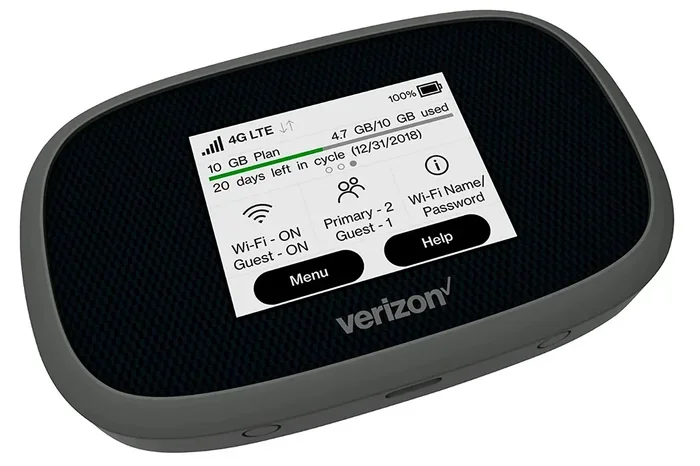
Consider using a dedicated hotspot device or a portable Wi-Fi hotspot. These devices are designed specifically for sharing data and often have better battery life than using your phone as a hotspot. Some carriers even offer dedicated hotspot plans that are cheaper than phone plans with hotspot included.
A portable hotspot device also means your phone isn’t drained by sharing its connection. Your phone battery lasts longer, and your hotspot connection tends to be more stable. It’s a win-win for heavy users.
The Truth About Hotspot Data Throttling
Let’s talk about throttling because it’s the elephant in the room. Almost every unlimited hotspot data plan will throttle your speeds at some point. Understanding how throttling works can save you a lot of frustration.
What Is Throttling?
Throttling is when your carrier slows down your data speeds after you’ve used a certain amount of data. It’s not the same as running out of data. You still have access to the internet, but it’s much slower. Loading a webpage might take 10 seconds instead of 1. Streaming video might drop to a low resolution or stop buffering.
How to Deal With Throttling
Here are some practical ways to handle throttling when it happens:
- Switch to Wi-Fi: This is the most obvious solution. Use Wi-Fi whenever it’s available.
- Use offline apps: Download maps, documents, and media for offline use.
- Schedule large downloads: Do big downloads or updates during off-peak hours when network congestion is lower.
- Use a VPN with compression: Some VPNs compress data, which can help when speeds are slow.
- Change your usage habits: Focus on text-based tasks when speeds are slow. Save video streaming for when you have full-speed data.
Throttling vs. Hard Data Cap
It’s important to understand the difference between throttling and a hard data cap. With a hard cap, your data stops working completely when you reach the limit. You have to wait for your billing cycle to reset or pay for extra data. With throttling, you always have access to the internet, just at slower speeds. Throttling is almost always the better option.
Comparing Unlimited Hotspot Plans
Not all unlimited hotspot plans are created equal. Here’s a closer look at how some popular options compare.
Verizon Unlimited Plus offers 50GB of high-speed hotspot data per line. After that, speeds are reduced but you still have access. The plan costs around $90 per line with autopay and a multi-line discount.
T-Mobile Magenta Max gives you 50GB of high-speed hotspot data. After that, speeds are slowed but you keep unlimited access at a lower priority. The price is similar to Verizon, around $85 per line.
Mint Mobile offers a much cheaper option. Their unlimited plan starts at around $15 to $30 per month depending on the term length. Hotspot speeds are included but may be limited compared to the major carriers.
Visible offers unlimited data and hotspot on all plans starting at $25 per month. The trade-off is that speeds may be deprioritized on the Verizon network during busy times.
Your best choice depends on your usage habits, budget, and the network coverage in your area. If you’re a light hotspot user, almost any unlimited plan will work. If you’re a heavy user, you’ll want to focus on plans with the highest high-speed hotspot caps and the least aggressive throttling.
Common Mistakes People Make With Hotspot Data
Avoid these common mistakes to get the most out of your unlimited hotspot data:
- Not checking your hotspot data usage: Many people don’t realize how much data their hotspot uses until they get a surprise bill or slow speeds.
- Leaving hotspot on all the time: Your phone uses data even when you’re not actively using it. Turn off hotspot when you’re done.
- Ignoring app background data: Apps on your connected devices may use data in the background. Check settings and restrict background data for non-essential apps.
- Choosing a plan based on price alone: The cheapest plan isn’t always the best value. Look at the hotspot allowance, speed caps, and network quality too.
- Not reading the terms of service: Every carrier has different rules about hotspot usage. Read the fine print before you sign up.
Expert Tips for Maximizing Your Hotspot Data
Here are some expert-backed tips that can help you stretch your hotspot data even further:
- Monitor your usage regularly. Check your data usage in your phone settings at least once a week. This helps you spot trends and adjust your habits.
- Use data compression apps. Apps like Opera Mini or Chrome’s data saver mode can reduce the amount of data you use by compressing web pages.
- Set data warnings and limits. Most phones let you set alerts when you hit certain data thresholds. Use this feature to stay on track.
- Keep your phone cool. When your phone overheats, it may throttle your hotspot speeds to protect the hardware. Keep it in a cool, well-ventilated spot.
- Update your phone’s software. Software updates often include optimizations that improve data efficiency and battery life during tethering.
Final Thoughts on Getting Unlimited Hotspot Data
So, can you get unlimited hotspot data without paying extra? The answer is a definite yes, but it takes a bit of know-how. The key is choosing the right carrier and plan, using your data wisely, and taking advantage of every trick in the book to minimize waste.
Whether you go with a major carrier like T-Mobile or Verizon, or save money with a prepaid option like Mint Mobile or Visible, there are paths to getting unlimited hotspot data that won’t drain your wallet. The important thing is to understand what you’re signing up for and to stay aware of how much data you’re actually using.
Remember, unlimited doesn’t always mean unlimited fast speeds. But with the right plan and smart usage habits, you can stay connected wherever you go without worrying about running out of data or paying surprise fees. Take what you’ve learned here, do a little research on the plans available in your area, and make the choice that works best for your needs.
Your connectivity matters. And with the right approach, you can have the freedom of unlimited hotspot data at a price you can actually afford.
Frequently Asked Questions
Is it legal to use a mobile hotspot for a home internet replacement?
Yes, it is completely legal. Many people use their phone’s hotspot or a dedicated hotspot device as their primary internet connection. Just make sure your plan allows enough data for your needs, and be aware that some carriers may have specific terms about using hotspot as a primary connection.
How much hotspot data does streaming Netflix use?
Streaming Netflix uses about 1GB per hour at standard definition and up to 3GB per hour at high definition. If you plan to watch a lot of video on your hotspot, consider lowering the quality setting to save data. This simple change can double or triple how long your data lasts.
Does using a hotspot drain my phone battery quickly?
Yes, using your phone as a hotspot drains battery faster than normal use. The phone has to power both its own functions and the Wi-Fi signal for other devices. Using a dedicated hotspot device or a USB tethering connection can help preserve your phone’s battery life significantly.
Can I use my phone as a hotspot while on a call?
In most cases, yes. Modern phones handle hotspot and calls simultaneously without issues. However, older phones or certain carrier configurations might have trouble with both at the same time. It’s always a good idea to test it before you rely on it for an important task.
What is the difference between a hotspot and tethering?
Hotspot and tethering are essentially the same thing. Tethering is the general term for sharing your phone’s data connection with another device. A hotspot specifically refers to sharing that connection over Wi-Fi. Bluetooth tethering and USB tethering are also forms of tethering, but they work differently than a Wi-Fi hotspot.
Will unlimited hotspot plans work well for remote work?
They can work well for remote work if you choose the right plan. Look for plans with high-speed hotspot allowances of at least 50GB per month. If you do a lot of video calls, consider supplementing your hotspot with Wi-Fi whenever possible to keep your speeds fast and your connection stable.
=== CONCLUSION ===
Getting unlimited hotspot data without paying extra is absolutely possible in today’s market. You just need to know where to look and what to look for. The options range from major carrier plans with generous allowances to budget-friendly prepaid options that still deliver solid performance. The key takeaway is this: read the fine print, monitor your usage, and choose a plan that matches your real needs.
With the right strategy, you can stay connected on the go without worrying about data caps, overage charges, or slow speeds. So go ahead, explore your options, and find the unlimited hotspot plan that works for you. Your wallet and your connectivity will thank you.