Can Smart Doors Be Hacked Here Is What You Should Know
Yes, smart doors can be hacked. Wireless door locks and keyless entry systems carry real security risks that every homeowner should understand. From Bluetooth vulnerabilities to weak passwords, smart door hacking is a genuine concern. This guide covers the risks, methods hackers use, and practical steps you can take to keep your smart door secure.
Smart doors are changing the way we think about home security. You can lock your front door from your phone. You can let in a delivery person without being home. The convenience is real and exciting. But there is a question that keeps many homeowners up at night. Can smart doors be hacked?
The short answer is yes. Just like any connected device, a wireless door lock can be vulnerable. Hackers have found ways to exploit smart door systems. They can bypass keyless entry security. They can gain access to your home without touching a door handle. This does not mean you should avoid smart doors altogether. It means you need to understand the risks and take smart steps to protect yourself.
In this article, we will break down everything you need to know. We will look at how smart door hacking actually works. We will explore the real risks of a compromised door lock. And most importantly, we will share practical tips to keep your smart door secure. Whether you already own a smart lock or are thinking about buying one, this guide is for you.
Key Takeaways
- Smart doors can be hacked: Wireless signals, weak passwords, and outdated firmware create real vulnerabilities.
- Common hacking methods include: Bluetooth spoofing, Wi-Fi interception, and brute force attacks on door lock passwords.
- Strong passwords and two-factor authentication: These are your first line of defense against smart door break-ins.
- Regular firmware updates matter: Manufacturers release patches to fix known door lock security flaws.
- Buy from reputable brands: Trusted smart lock brands invest more in encryption and door access control security.
- Physical backups add safety: Always keep a traditional key or manual override for your smart door.
- Home network security is crucial: A compromised Wi-Fi network can expose your entire smart home door system.
📑 Table of Contents
What Are Smart Doors and How Do They Work
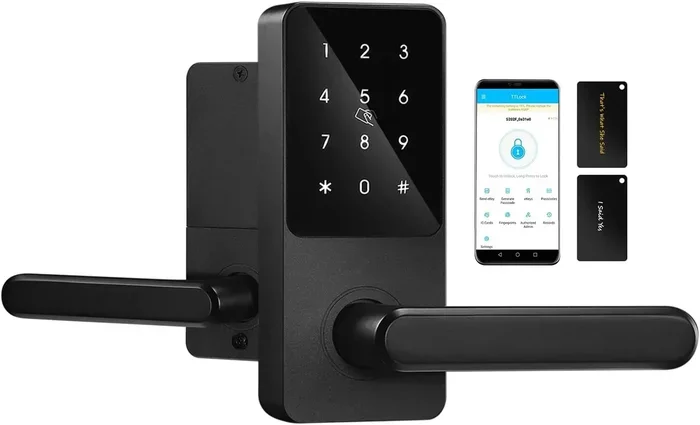
Before we dive into the hacking risks, let us understand what smart doors actually are. A smart door system usually includes a wireless door lock, a door sensor, and a connecting hub. Some systems also include a smart doorbell with a camera. These devices work together to let you control who enters your home.
Most smart locks connect to your home network in one of three ways. They use Bluetooth, Wi-Fi, or both. Some also use NFC or Z-Wave technology. Each connection type has its own strengths and weaknesses. Bluetooth smart locks are common and easy to set up. Wi-Fi smart locks let you control your door from anywhere. But each also opens up different door lock hacking possibilities.
How Keyless Entry Works
Keyless entry is the main feature of any smart door. Instead of a physical key, you use a code, a phone app, or even your fingerprint. Some smart locks use temporary digital keys. You can send these to guests or service workers. The door lock receives a signal and unlocks when the right person approaches.
This is incredibly convenient. But it also means your door security depends on digital signals. If those signals are not encrypted properly, a hacker could intercept them. That is where the risk of smart door vulnerabilities comes in. The door lock becomes a gateway into your home. And like any gateway, it needs strong protection.
Can Smart Doors Be Hacked – The Real Risks
The idea of someone hacking your smart door sounds like a movie scene. But it is a real possibility. Smart door hacking is not just theoretical. Security researchers have demonstrated it many times. They have shown that a wireless door lock can be broken into with the right tools and knowledge.
When we ask can smart doors be hacked, we need to look at the big picture. A smart door is part of your smart home ecosystem. It connects to your Wi-Fi network. It talks to your phone. It communicates with other devices. Every connection point is a potential door for hackers to walk through.
Why Smart Doors Are Targeted
Hackers do not just target smart doors for fun. They look for weak points in door access control systems. A compromised smart door can give them entry to your home. But it can also give them access to your entire smart home network. Once inside, they can control cameras, alarms, and other connected devices.
Here are some reasons smart doors are attractive targets:
- They are always connected: A smart lock is online 24/7, which means more chances for door lock hacking.
- Many use weak encryption: Cheap smart door brands often skip strong security to save money.
- Users set weak passwords: Simple door lock passwords are easy to guess or crack.
- Firmware goes outdated: Many people never update their smart door software, leaving known flaws open.
The Difference Between a Smart Lock and a Smart Door
It is important to understand that a smart lock and a smart door are not the same thing. A smart lock replaces or attaches to your existing lock. A smart door is a complete door system with built-in smart features. Both can be vulnerable, but a full smart door system has more parts that can fail. More parts means more chances for a security breach.
When people talk about smart door security, they often focus only on the lock. But the door sensor, the hub, and the app all matter too. If any one of these has a flaw, your entire door access control system could be at risk.
Common Methods Hackers Use to Breach Smart Doors
Understanding how hackers break into smart doors helps you defend against them. There are several common methods of smart door hacking. Each one exploits a different weakness in wireless door lock technology.
Bluetooth Sniffing and Spoofing
Bluetooth is one of the most popular connection types for smart locks. It is convenient and uses little power. But it also has known door lock vulnerabilities. Hackers can use Bluetooth sniffing tools to intercept signals between your phone and your smart door. They can then spoof, or fake, those signals to unlock your door.
This type of smart door hacking works best when the lock uses weak encryption. Older Bluetooth smart locks are especially at risk. Newer models use stronger Bluetooth encryption, but no system is 100% safe. The best way to protect against Bluetooth-based door lock hacking is to keep your lock updated and use a lock with strong encryption.
Wi-Fi Interception Attacks
Wi-Fi smart locks connect directly to your home network. This gives you remote control from anywhere. But it also means your door lock is exposed to the internet. If your home Wi-Fi network is not secure, a hacker can intercept the data between your phone and your smart door.
Hackers use tools to scan for weak Wi-Fi networks. Once they are in, they can look for connected smart door devices. They can then attempt to crack the door lock password or intercept wireless door lock signals. This is why securing your home Wi-Fi network is so important for smart door security.
Brute Force Attacks on Door Lock Passwords
A brute force attack is when a hacker tries every possible combination of numbers and letters until they find the right one. If your smart door lock has a simple password, it can be cracked this way. Many people use easy-to-guess codes like 1234 or their birth year. These are the first codes a hacker will try.
Some smart door systems also have a flaw where they allow unlimited login attempts. This makes brute force door lock hacking much easier. Good smart door brands limit the number of failed attempts and lock the system after several tries.
Firmware Exploits and Software Bugs
Every smart door lock runs on software called firmware. This software controls how the lock works and how it communicates. Sometimes, manufacturers find bugs or flaws in this firmware. They release updates to fix them. But if you do not install those updates, your smart door stays vulnerable.
Hackers actively look for known firmware flaws in popular smart door brands. They can use these flaws to bypass door lock encryption entirely. This is one of the most common reasons a smart door gets hacked. The owner simply never updated the lock software.
Man-in-the-Middle Attacks
A man-in-the-middle attack happens when a hacker secretly intercepts communication between two devices. In the case of a smart door, the hacker sits between your phone and the door lock. They can read the signals and even change them. This is a sophisticated form of smart door hacking, but it does happen.
These attacks are more common with Bluetooth and Wi-Fi smart locks that do not use strong encryption. A good smart door system will use end-to-end encryption. This makes man-in-the-middle door lock hacking much harder.
Smart Door Security Features That Actually Work
Not all smart doors are created equal. Some brands invest heavily in smart door security. Others cut corners to offer lower prices. When choosing a smart door or smart lock, you need to know which security features really matter.
Encryption Standards for Door Locks
Encryption is the backbone of smart door security. It scrambles the data sent between your phone and your lock so no one else can read it. Look for smart door locks that use AES-256 encryption. This is the same standard used by banks and military organizations. It is very hard to crack.
Some cheaper smart door brands use weak or no encryption at all. This makes them easy targets for door lock hacking. Always check the encryption details before you buy. A smart door with strong encryption is your first real line of defense.
Two-Factor Authentication for Smart Doors
Two-factor authentication adds an extra layer of door access control. Even if someone guesses your password, they still need a second form of verification. This could be a code sent to your phone or a fingerprint scan. Two-factor authentication makes smart door hacking much harder.
Not all smart locks offer this feature. But the best ones do. When shopping for a smart door, look for models that support two-factor authentication. It is one of the simplest and most effective ways to boost your smart door security.
Auto-Lock and Activity Logs
Auto-lock features ensure your smart door locks itself after a set time. This prevents someone from leaving your door unlocked by accident. Activity logs show you every time your door is locked or unlocked. You can see who accessed your door and when.
These features do not stop hacking directly. But they help you detect it faster. If you see an unlock event you did not make, you know something is wrong. This early warning can save you from a serious smart door security breach.
Physical Key Backup Options
It sounds old-fashioned, but a physical key backup is still important. Many smart door locks include a traditional key slot as a backup. This is useful when the batteries die or the digital system fails. But it also means someone with physical access could use that key to open your door.
Store your physical key in a safe place. Do not leave a spare key under a doormat or in a flower pot. These are the first places a burglar will check. A smart door is only as secure as its weakest access point.
How to Protect Your Smart Door From Hacking
Now that you know the risks, let us talk about what you can do. Protecting your smart door from hacking is not complicated. It just takes a few smart habits and the right choices.
Choose a Reputable Smart Door Brand
Not all smart door brands are equal when it comes to security. Stick with well-known manufacturers who have a track record of strong smart door security. Brands like Yale, August, Schlage, and Kwikset invest heavily in door lock encryption and regular software updates.
Before you buy, read reviews and check for any history of smart door vulnerabilities. A brand that takes security seriously will be transparent about their encryption methods and update schedule. Avoid no-name brands that offer smart door features at suspiciously low prices.
Use Strong, Unique Passwords for Your Smart Door
This sounds basic, but it is the most important step. Your smart door lock password should be long, complex, and unique. Do not reuse passwords from other accounts. A strong door lock password should include uppercase letters, lowercase letters, numbers, and symbols.
Consider using a password manager to generate and store your smart door password. This way, you do not have to remember a complicated code. You just need to remember one master password. Your smart door stays secure and you stay stress-free.
Keep Your Smart Door Firmware Updated
Firmware updates fix known security flaws. They also improve how your smart door works overall. Check for updates at least once a month. Many smart door apps will notify you when an update is available. Turn on automatic updates if your lock supports it.
Ignoring firmware updates is one of the biggest mistakes homeowners make. It leaves their smart door exposed to known door lock hacking methods. A simple update can patch serious security holes and keep your door access control system safe.
Secure Your Home Wi-Fi Network
Your smart door connects to your home Wi-Fi. If your Wi-Fi network is not secure, your smart door is not secure either. Use a strong Wi-Fi password with WPA3 encryption if your router supports it. Change your Wi-Fi password regularly and never share it publicly.
You should also consider setting up a separate network for your smart home devices. This keeps your smart door isolated from your personal computers and phones. If a hacker gets into your smart door, they cannot easily reach your other devices through your home network.
Disable Unnecessary Smart Door Features
Smart doors come with many features. But not all of them are necessary for everyone. If you never use remote access from outside your home, turn it off. If you do not need guest access codes, disable them. Every active feature is another potential door for smart door hacking.
Keep only the features you actually use. This reduces your smart door attack surface and makes it harder for hackers to find a way in. Less is more when it comes to smart door security.
Monitor Your Smart Door Regularly
Make it a habit to check your smart door activity logs. Look for any unlock events that seem unusual. If you see something suspicious, change your password immediately. Check your door lock firmware to make sure it is up to date.
Some smart door systems send real-time alerts to your phone. Turn these on so you know the moment someone accesses your door. Quick detection can prevent a small security issue from becoming a big problem.
Quick Tips for Everyday Smart Door Safety
- Always enable auto-lock on your smart door to prevent accidental unlocks.
- Never share your door lock password over text or email.
- Use a strong Wi-Fi password and change it every few months.
- Keep your phone secure with a PIN, fingerprint, or face scan.
- Replace batteries regularly so your smart door never goes offline unexpectedly.
- Test your smart door security features every few weeks.
- Consider adding a smart doorbell camera for extra visual door access control.
Should You Still Use a Smart Door
After reading about all the risks, you might wonder if a smart door is worth it. The answer is yes, with the right precautions. Smart doors offer incredible convenience and modern door access control. They can integrate with your entire smart home system. They give you peace of mind when you are away from home.
The key is to be an informed buyer and user. Understand the risks of smart door hacking. Choose a brand with strong security features. Follow the protection steps we outlined above. When you do these things, the benefits of a smart door far outweigh the risks.
Think of your smart door like your car. A car can be stolen. But you do not stop driving. You lock the doors, use an alarm, and park in safe places. Smart door security works the same way. A little effort goes a long way in keeping your home safe and your door lock system secure.
Technology is always evolving. Smart door security will keep getting better. New encryption methods are being developed. Brands are investing more in door lock cybersecurity. By staying informed and taking action now, you are ahead of the curve. You are protecting your home with the best tools available today.
So can smart doors be hacked? Yes, they can. But with the right knowledge and habits, you can make your smart door one of the most secure parts of your home. Take control of your door security today. Your future self will thank you.
Frequently Asked Questions
Can someone hack my smart door from far away?
Yes, it is possible if your smart door connects to Wi-Fi and your network is not secure. Hackers can intercept wireless door lock signals remotely. This is why securing your home Wi-Fi and using strong encryption on your smart door is so important.
What happens if my smart door gets hacked?
A hacked smart door can give a stranger access to your home. They may also gain entry to your smart home network. This could put your cameras, alarms, and personal data at risk. Acting quickly and changing your door lock password is essential.
Are expensive smart doors safer from hacking?
Generally yes. Premium smart door brands invest more in encryption, firmware updates, and smart door security research. But price alone does not guarantee safety. Always check the specific security features and encryption standards before buying.
How often should I update my smart door firmware?
You should check for firmware updates at least once a month. Many smart door apps will notify you when an update is available. Turning on automatic updates is the easiest way to keep your door lock security current.
Can a smart door be hacked through the app?
Yes, if the app has weak security or if your phone is compromised. Hackers can sometimes access your smart door through a vulnerable app. Use a strong phone password and only download the official smart door app from trusted sources.
Do smart doors with physical key backups get hacked more easily?
A physical key backup does not make digital hacking easier. But it does add another access point that someone could use. Keep your physical key in a secure location and never leave it exposed outside your home.
=== CONCLUSION ===
The question of whether can smart doors be hacked comes down to awareness and action. Smart door technology offers amazing convenience, but it also brings real security risks. Bluetooth vulnerabilities, weak passwords, outdated firmware, and poor Wi-Fi security can all leave your door lock exposed to smart door hacking.
The good news is that you have the power to reduce these risks. Choose a reputable smart door brand with strong encryption. Use unique, complex passwords. Keep your firmware updated. Secure your home network. Monitor your door activity regularly. These steps will dramatically improve your smart door security and give you confidence in your door access control system.
Do not let fear stop you from enjoying the benefits of a smart door. Instead, let knowledge guide your choices. With the right approach, your smart door can be both convenient and secure. Take the steps today to protect your home and your family. A little effort now can save you from serious trouble later.