Can Inkless Printers Print In Color And Save Money
Can inkless printers print in color? Yes, they absolutely can. These innovative devices use thermal technology and ZINK paper to produce vibrant prints without a single drop of ink. If you are tired of buying expensive ink cartridges and dealing with messy refills, an inkless printer offers a simple, clean, and cost-effective solution for your color printing needs.
Let us talk about something that surprises a lot of people. Can inkless printers print in color? The short answer is a definite yes. But the full story is much more interesting than you might think.
For years, we have all been conditioned to believe that color printing requires ink. Cartridges. Refills. Messy spills on your desk. High costs that make you wince every time you need to print a photo or a school project. But technology has changed the game completely.
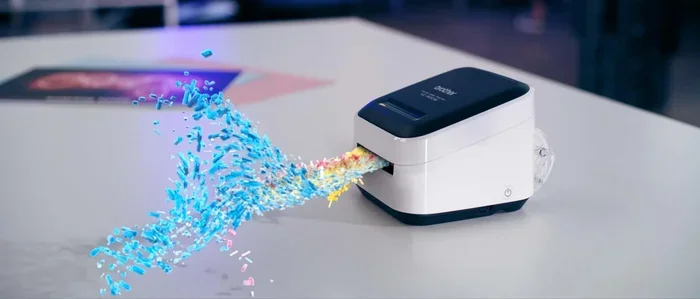
Today, inkless printers use a clever process called thermal printing to create full-color output without a single drop of liquid ink. They rely on special paper and heat to bring your images to life. If you have been wondering whether this technology really works and whether it can help you save money, you are in the right place.
In this article, we will explore everything you need to know about color inkless printing. We will cover how the technology works, what print quality looks like, how much money you can actually save, and which models are worth your attention. By the end, you will have a clear picture of whether an inkless printer fits your needs.
Key Takeaways
- Inkless printers can print in color: They use thermal technology and specialty paper to produce full-color prints without traditional ink.
- You save money over time: No ink cartridges means lower ongoing costs and fewer replacements to buy.
- ZINK technology is the key: This dye-based paper reacts to heat and creates colors on its own.
- Print quality is surprisingly good: Modern inkless printers deliver sharp photos and vibrant graphics.
- They are portable and convenient: Many models are compact, wireless, and perfect for on-the-go printing.
- Eco-friendly benefits exist: Less waste from ink cartridges and no toxic ink chemicals make them greener.
- Not all inkless printers are the same: Some are better for photos, while others suit documents and labels.
📑 Table of Contents
- How Inkless Printers Create Color Prints
- Print Quality: Is It Really Good Enough?
- How Much Money Can You Really Save?
- Best Inkless Printers That Print in Color
- Common Myths About Inkless Color Printing
- Are Inkless Printers Eco-Friendly?
- Quick Tips for Getting the Best Results from Your Inkless Printer
- Final Thoughts on Inkless Color Printing
How Inkless Printers Create Color Prints
Understanding how an inkless printer works helps you appreciate why it can print in color so effectively. The technology behind these devices is clever and surprisingly simple.
The Science Behind ZINK Technology
Most inkless printers use something called ZINK technology. ZINK stands for Zero Ink. That name alone tells you a lot about how the system works. The paper contains tiny dye crystals sealed inside layers of the paper itself. When the print head heats those crystals to specific temperatures, they change color and form the image you see.
There is no ink cartridge. There is no liquid toner. The color exists inside the paper from the very beginning. The printer simply activates it with heat in a precise pattern to build your image pixel by pixel.
This process is sometimes called thermal dye sublimation at a small scale. The heat causes the dyes to merge and form the full spectrum of colors you see in a print. It is a clean, contained process that does not require any external ink supply.
How Thermal Printing Differs from Traditional Printing
Traditional inkjet printers spray liquid ink onto paper through tiny nozzles. Laser printers use toner powder fused by heat. Both methods require consumables that run out and need replacing. Ink cartridges are expensive, and they contribute to a lot of waste over time.
Inkless printers take a completely different approach. The print head applies heat to specially coated paper. The paper does all the work of producing color. This means fewer moving parts, fewer things to replace, and a much simpler printing process overall.
For consumers, this difference matters a lot. It means fewer supplies to buy, less maintenance, and a more straightforward printing experience. You do not have to worry about clogged nozzles or dried-out ink cartridges sitting in your printer.
Print Quality: Is It Really Good Enough?
One of the biggest questions people ask about inkless color printing is whether the quality holds up. After all, what good is saving money if your prints look faded or blurry?
Photo Printing Quality
When it comes to photo printing, modern inkless printers have improved dramatically. Many models now produce prints with a resolution of 300 to 600 dots per inch. That is more than enough for everyday photos, social media prints, and even small posters.
The colors tend to be vibrant and warm. ZINK paper has a glossy finish that makes photos pop. Skin tones look natural, and bright colors like reds and blues come through clearly. For casual printing, family photos, and event keepsakes, the quality is more than satisfactory.
However, if you are a professional photographer who needs gallery-quality prints, inkless printers are not quite there yet. The color range is slightly narrower than what high-end inkjet printers can produce. And the paper options are limited compared to traditional photo paper.
Document and Graphic Printing Quality
For documents, charts, and graphics, inkless printers perform well. Text is crisp and easy to read. Color graphs and diagrams come through clearly. The prints are smudge-free right out of the printer because the dye is embedded in the paper rather than sitting on the surface.
One thing to keep in mind is that inkless prints can fade over time if exposed to direct sunlight for long periods. This is true of many thermal prints. If you need documents to last for years, you may want to store them properly or consider a different printing method for archival purposes.
How Much Money Can You Really Save?
This is the question most people care about the most. Can inkless printers print in color and save money at the same time? The answer is yes, and the savings can be significant over time.
The Cost of Traditional Ink Cartridges
Let us talk numbers for a moment. A standard set of color ink cartridges for a typical inkjet printer can cost anywhere from 30 to 80 dollars. And they do not last very long. A family that prints regularly might go through several sets every month.
Over a year, the cost of ink alone can easily reach 200 to 500 dollars or more. That is a lot of money spent on something that simply runs out and needs replacing. Many people end up printing less just because they do not want to deal with the cost.
Inkless Printing Costs Explained
Inkless printers use ZINK paper packs as their main consumable. A pack of 20 to 50 sheets typically costs between 10 and 25 dollars. That works out to roughly 50 cents to 1 dollar per print. Compare that to the per-page cost of inkjet printing, which can easily exceed 10 to 20 cents per page for color prints.
Some inkless printer models also allow you to buy larger paper packs at a discount. The more you buy, the lower the per-sheet cost becomes. Over months and years, the savings add up quickly.
There is also the hidden cost savings to consider. You do not need to clean print heads. You do not need to replace faulty cartridges. You do not deal with ink leaks or dried ink clogging your printer. All of these small costs and headaches disappear with an inkless system.
Real-World Savings Examples
Here is a simple comparison to put things in perspective:
- Inkjet printer: 300 color prints per year at 15 cents per page equals 45 dollars in ink costs.
- Inkless printer: 300 color prints per year at 50 cents per page equals 150 dollars in paper costs.
Wait, that does not look like savings. But here is the catch. Inkless printers are often cheaper to buy upfront. Many models cost between 50 and 150 dollars. Inkjet printers with good color capabilities can cost 100 to 300 dollars. And the inkjet costs keep climbing with every cartridge replacement.
Over a two-to-three-year period, inkless printers tend to come out ahead for light to moderate color printing. For heavy printing, the math can shift. But for most home users and small offices, the inkless option is the smarter financial choice.
Best Inkless Printers That Print in Color
If you are convinced that inkless color printing is worth exploring, you might be wondering which models to look at. The market has grown, and there are now several solid options to choose from.
Portable Inkless Printers
Portable inkless printers are incredibly popular right now. They are small enough to fit in your pocket or bag. You can connect them to your phone via Bluetooth and print photos directly from your mobile device. Models like the HP Sprocket and the Prynt Pocket have made a name for themselves in this space.
These printers are perfect for travel, events, and everyday casual printing. They use ZINK paper and produce 2-by-3-inch prints that look great. The convenience factor is hard to beat. You can print a photo in under a minute without any setup.
Home Office Inkless Printers
Some inkless printers are designed for home office use. They offer larger print sizes, higher resolution, and wireless connectivity options like Wi-Fi and AirPrint. These models are better suited for printing documents, presentations, and higher volumes of photos.
When shopping for a home office model, look for features like wireless printing, mobile app support, and compatibility with different paper sizes. These extras make the printer more versatile and easier to use every day.
What to Look for When Buying
Not all inkless printers are created equal. Here are some key factors to consider before you buy:
- Paper compatibility: Make sure the printer works with widely available ZINK paper.
- Print resolution: Higher DPI means sharper, more detailed prints.
- Connectivity: Bluetooth, Wi-Fi, and USB options give you more flexibility.
- Print size: Choose a model that supports the sizes you need most.
- Price: Compare the cost of the printer and the ongoing cost of paper packs.
- Brand reputation: Look for brands with good customer support and reliable products.
Common Myths About Inkless Color Printing
There are several misconceptions floating around about inkless printers. Let us clear some of them up.
Myth 1: Inkless Prints Fade Quickly
It is true that thermal prints can fade faster than inkjet prints, especially with prolonged sun exposure. However, modern ZINK paper is designed to resist fading for several years under normal indoor conditions. If you store your prints in albums or frames away from direct sunlight, they will last a long time.
Myth 2: Inkless Printers Cannot Handle Everyday Printing
Some people think inkless printers are only good for fun photo prints. In reality, many models handle everyday documents, labels, and graphics just fine. The technology has evolved well beyond the early days of simple thermal receipt printers.
Myth 3: You Cannot Print High-Volume Jobs
Inkless printers are not designed for heavy-duty, high-volume printing. They work best for light to moderate use. If you need to print hundreds of pages every day, a traditional inkjet or laser printer may still be the better choice. But for most households and small offices, an inkless printer handles the workload just fine.
Are Inkless Printers Eco-Friendly?
Sustainability is a growing concern for many consumers. The good news is that inkless printers have some eco-friendly advantages worth noting.
First, there are no ink cartridges to throw away. Ink cartridges are a major source of plastic waste. Millions of them end up in landfills every year. By switching to an inkless system, you eliminate that waste entirely.
Second, ZINK paper does not contain toxic ink chemicals. The dyes are embedded in the paper safely, so there is no risk of ink leaking into the environment. The paper itself is recyclable in many cases, though you should check with your local recycling guidelines.
Third, inkless printers tend to use less energy than traditional printers. The thermal printing process is efficient and does not require the complex mechanisms that inkjet printers rely on. Over time, this adds up to a smaller environmental footprint.
Of course, no printing method is completely waste-free. ZINK paper is a consumable that gets used and discarded. But compared to the waste generated by inkjet printing, the inkless approach is a step in the right direction.
Quick Tips for Getting the Best Results from Your Inkless Printer
Want to make the most of your inkless printer? Here are some practical tips that really help:
- Use quality ZINK paper: Cheap or generic paper may not produce the same vibrant results. Stick with trusted brands.
- Store paper properly: Keep your ZINK paper in a cool, dry place. Heat and humidity can activate the dyes prematurely.
- Clean the print head regularly: Even though there is no ink, dust and paper residue can build up. A soft cloth works well.
- Print on the right settings: Use the highest resolution setting for photos and a standard setting for documents to save paper.
- Let prints cool before handling: The dyes need a moment to set. Handling prints too soon can smudge them.
- Buy paper in bulk: Larger packs offer better value per sheet and reduce the frequency of reordering.
Final Thoughts on Inkless Color Printing
So, can inkless printers print in color and save money? The evidence says yes. The technology has matured to a point where inkless printers deliver solid color quality for everyday use. Whether you are printing family photos, event invitations, school projects, or small business materials, these devices offer a convenient and affordable alternative to traditional ink-based printing.
The savings are real, especially when you factor in the cost of ink cartridges over time. The convenience of wireless, mobile printing adds another layer of appeal. And the eco-friendly benefits make you feel good about your choice too.
That said, inkless printers are not perfect for every situation. They work best for light to moderate printing needs. If you are a heavy user who prints large volumes of documents daily, you may still want a traditional printer. But for the average home user, student, or small business, an inkless color printer is a smart investment.
Give it a try. You might be surprised at how simple and satisfying inkless printing can be. Once you experience the convenience of printing without ink, you may never go back to the old way.
Frequently Asked Questions
Can inkless printers print in color for photos?
Yes, they absolutely can. Most inkless printers use ZINK technology to produce vibrant, full-color photo prints. The quality is excellent for casual and everyday photos, though professional-grade results may require a traditional inkjet printer.
How much does it cost to print in color with an inkless printer?
A single print typically costs between 50 cents and 1 dollar depending on the paper pack you buy. This is more affordable per print than many people expect, especially when compared to the cost of replacing ink cartridges regularly.
Do inkless printers need ink cartridges?
No, they do not. Inkless printers use heat and special thermal paper to create color. There are no ink cartridges, no ink refills, and no mess involved in the printing process.
How long do inkless color prints last?
With proper storage away from direct sunlight, inkless prints can last several years. Modern ZINK paper is designed to resist fading, though prolonged exposure to heat or UV light can cause gradual color loss over time.
Can I connect an inkless printer to my phone?
Most modern inkless printers support Bluetooth and Wi-Fi connectivity. You can print directly from your smartphone using a companion app. This makes it incredibly easy to print photos and documents on the go.
Is inkless printing good for a small business?
It can be, especially for businesses that print labels, marketing materials, and promotional items in small to medium volumes. The low cost per print and minimal maintenance make inkless printers a practical choice for many small business owners.
=== CONCLUSION ===
Can inkless printers print in color? Yes, and they do it remarkably well. The technology behind thermal and ZINK printing has come a long way, delivering vibrant color output without the hassle and expense of traditional ink. Whether you want to save money, reduce waste, or simply enjoy a more convenient printing experience, an inkless color printer is a fantastic option to consider.
The savings add up over time, the prints look great for everyday use, and the convenience of mobile and wireless printing makes life easier. Give inkless printing a try, and you will wonder how you ever managed without it.