Can I Convert Cigarette Lighter To A Power Outlet
Yes, you can convert a cigarette lighter to a power outlet using adapters, power inverters, or direct wiring methods. This simple upgrade lets you plug in standard devices like laptops, fans, and small appliances in your car or RV. Whether you want a cigarette lighter socket replacement or a 12V to AC power solution, this guide covers every option you need.
Have you ever looked at your car’s cigarette lighter socket and wished it could do more? Maybe you want to plug in a laptop, a mini fridge, or a phone charger that doesn’t fit the standard car charger plug. The good news is that converting a cigarette lighter to a power outlet is not only possible but also quite simple. Whether you drive a sedan, a truck, or an RV, there is a method that fits your needs and skill level.
This guide walks you through every option available. We will cover the easiest plug-in solutions, more advanced inverter setups, and even direct wiring for permanent installations. By the end, you will know exactly which method works best for your vehicle power needs. Let us dive in and explore how you can unlock full accessory outlet power from that small socket in your dash.
Key Takeaways
- Multiple conversion methods exist: You can use plug-in adapters, power inverters, or direct wiring to turn your lighter into a usable outlet.
- Safety matters most: Always check your fuse rating, wire gauge, and device wattage before making any changes.
- Adapters are the easiest option: A simple cigarette lighter adapter requires no tools or wiring skills.
- Power inverters offer more versatility: They convert 12V DC to 120V AC, letting you run almost any household device.
- Direct wiring gives permanent results: This method is best for RVs, trucks, and custom vehicle builds.
- Common mistakes can damage your vehicle: Overloading the circuit or using wrong wire sizes are the top risks to avoid.
- Know your vehicle’s limits: Every car has a maximum amperage for the accessory power port, and exceeding it causes problems.
📑 Table of Contents
- Understanding Your Cigarette Lighter Socket
- Methods to Convert Cigarette Lighter to Power Outlet
- Step-by-Step Guide to Converting Your Cigarette Lighter
- Comparison Table: Adapter vs Inverter vs Direct Wiring
- Common Mistakes When Converting a Cigarette Lighter
- Expert Tips for a Safe and Effective Conversion
- What Can You Power with a Converted Outlet?
- Frequently Asked Questions
- Conclusion
Understanding Your Cigarette Lighter Socket
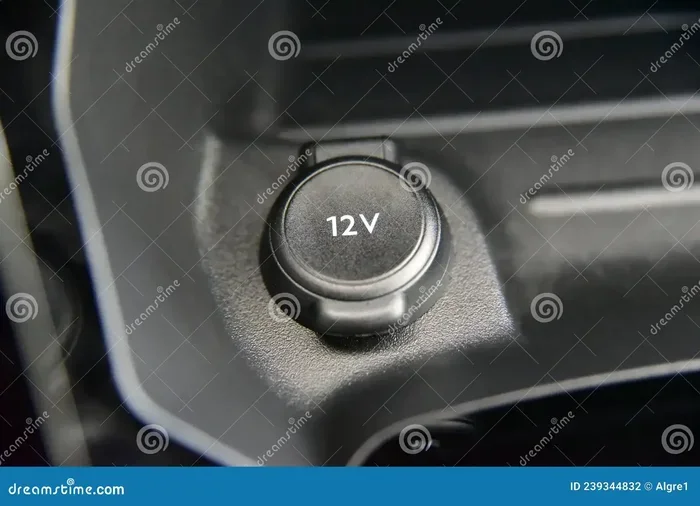
Before you make any changes, it helps to understand what you are working with. The cigarette lighter socket in your car is more than just a place to warm up tobacco. It is a 12V DC power source that can supply electricity to a wide range of devices. Most people only use it for charging phones, but its potential goes far beyond that.
How the Cigarette Lighter Works
The socket gets its power directly from your car battery. When you push the lighter plug in, it completes a circuit and draws power. A fuse protects the circuit from overload. Most vehicles have a fuse rated between 10 and 20 amps for this circuit. That means your socket can safely handle about 120 to 240 watts of power at 12 volts.
Here is something many people do not realize. The accessory power port is technically not just for lighters anymore. Automakers started calling it a “power outlet” or “12V socket” years ago. The name stuck, but the function has evolved. Today, it is a versatile DC power outlet that can support all kinds of automotive accessories.
What Your Vehicle Can Handle
Every car has a limit on how much power the 12V socket can deliver. Here are the typical ratings you will find:
- Standard cars: 10 to 15 amp fuse, 120 to 180 watts max
- Trucks and SUVs: 15 to 20 amp fuse, 180 to 240 watts max
- RVs and large vehicles: 20 to 30 amp fuse, 240 to 360 watts max
- Commercial vehicles: May have dual circuits with 30+ amp capacity
Knowing your vehicle’s rating is the first step in choosing the right conversion method. If you exceed the fuse rating, you will blow a fuse at best. At worst, you could damage your electrical system or even cause a fire. Always check your owner manual or the fuse box cover for the exact cigarette lighter fuse rating.
Methods to Convert Cigarette Lighter to Power Outlet
There are three main ways to convert your cigarette lighter socket into a usable power outlet. Each method has its own advantages, and the right choice depends on what you plan to power and how permanent you want the setup to be.
Method 1: Plug-In Cigarette Lighter Adapters
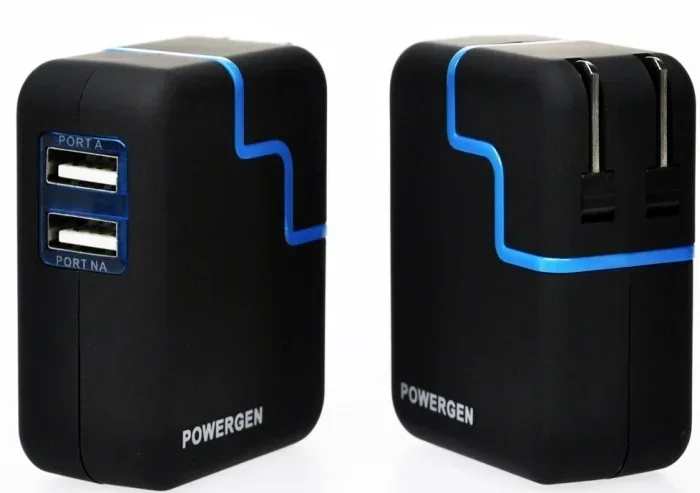
The simplest and most popular option is a plug-in adapter. This device replaces the original lighter plug with a multi-port car power adapter. You simply pull out the old lighter plug, insert the adapter, and you have multiple USB ports and sometimes even a standard AC outlet.
Pros of plug-in adapters:
- No tools or wiring required
- Installs in seconds
- Usually includes USB ports for phones and tablets
- Reversible and easy to remove
- Affordable, typically $10 to $30
Cons of plug-in adapters:
- Limited total wattage output
- May not fit all socket sizes
- Some cheap models overheat under heavy load
- Not suitable for high-power devices like mini fridges
Quick Tip: Look for adapters with built-in fuse protection and heat sensors. Brands like Anker, Belkin, and Aukey make reliable cigarette lighter adapters that safely handle multiple devices at once.
Method 2: 12V to AC Power Inverters
A power inverter converts your car’s 12V DC power into 120V AC power, just like the outlets in your home. You plug the inverter into the cigarette lighter socket, and then plug your standard devices into the inverter’s AC outlets.
Pros of power inverters:
- Can run almost any household device
- Available in many wattage sizes (100W to 2000W)
- Great for laptops, TVs, gaming consoles, and small appliances
- Works well for road trips, camping, and RV living
Cons of power inverters:
- Draws significant power from your battery
- Can drain your car battery if the engine is off
- Some models produce modified sine waves that may not suit sensitive electronics
- More expensive than simple adapters ($30 to $200+)
Expert Insight: Always choose a pure sine wave inverter for devices like laptops, medical equipment, and audio gear. Modified sine wave inverters are cheaper but can cause humming, overheating, or damage to sensitive electronics. The extra cost is worth it for device safety.
Method 3: Direct Wiring for a Permanent Setup
If you want a permanent power outlet in your vehicle, direct wiring is the way to go. This method involves running a new wire from your fuse box to a new outlet location. It is the most involved method, but it also gives the cleanest and most reliable results.
Pros of direct wiring:
- Permanent and professional-looking installation
- Can handle higher amperage with proper wire gauge
- Allows you to add multiple outlets anywhere in the vehicle
- Ideal for RVs, trucks, and custom vehicle builds
Cons of direct wiring:
- Requires basic electrical knowledge
- Needs tools like wire strippers, crimpers, and a multimeter
- May void your vehicle warranty if not done properly
- More time-consuming to install
Quick Tip: Always use an inline fuse on any directly wired setup, even if your main fuse box already has protection. The inline fuse adds a critical layer of safety and prevents fires in case of a short circuit.
Step-by-Step Guide to Converting Your Cigarette Lighter
Now that you know your options, let us walk through the process. We will cover the two most common methods: using an adapter and using a power inverter.
Converting with a Plug-In Adapter
Follow these steps for a quick and easy conversion:
- Turn off your vehicle and remove the key from the ignition.
- Pull out the existing lighter plug from the socket. It should come out with a gentle tug.
- Inspect the socket for any damage, corrosion, or loose connections.
- Insert the adapter firmly into the socket. Make sure it sits snugly and does not wobble.
- Turn on your vehicle and test the adapter with a low-power device like a phone charger.
- Check for heat after 10 minutes of use. If the adapter or socket feels hot, unplug it immediately and check your connections.
Converting with a Power Inverter
Setting up a power inverter takes a few more steps but is still straightforward:
- Choose the right inverter size based on the devices you want to power. Add up the wattage of all devices and pick an inverter rated 20% higher.
- Plug the inverter into the cigarette lighter socket or use a direct battery clamp connection for higher-wattage models.
- Check the inverter’s fuse and make sure it matches your vehicle’s circuit rating.
- Plug in your device and turn it on.
- Monitor your battery voltage using a multimeter if you plan to use the inverter for extended periods with the engine off.
Common Mistake: Never plug a high-wattage inverter into a factory socket without checking the wire gauge. Most factory lighter sockets use 16 or 18 gauge wire, which cannot handle more than 15 amps safely. For inverters over 200 watts, consider a direct battery connection with proper gauge wire.
Comparison Table: Adapter vs Inverter vs Direct Wiring
Not sure which method fits your needs? This table breaks down the key differences:
| Feature | Plug-In Adapter | Power Inverter | Direct Wiring |
|---|---|---|---|
| Installation Difficulty | Very Easy | Easy | Moderate to Hard |
| Cost Range | $10 – $30 | $30 – $200+ | $20 – $100 (parts) |
| Tools Required | None | None | Wire strippers, crimpers, multimeter |
| Power Output | Up to 120W (USB) or 150W (AC) | 100W – 2000W | Customizable (limited by wire gauge) |
| Permanence | Removable | Removable | Permanent |
| Best For | Charging phones, tablets, small devices | Laptops, TVs, small appliances | RVs, custom builds, multiple outlets |
| Safety Risk | Low | Medium (if oversized) | Medium (requires proper installation) |
Common Mistakes When Converting a Cigarette Lighter
Many people run into problems when converting their lighter socket because they skip basic safety steps. Here are the most common mistakes and how to avoid them.
Overloading the Circuit
The most frequent mistake is plugging in too many high-power devices at once. If your cigarette lighter fuse is rated for 15 amps, that gives you about 180 watts. Plugging in a 100W laptop, a 50W fan, and a 60W phone charger simultaneously will blow the fuse every time. Add up your device wattages and stay well below the circuit limit.
Using the Wrong Wire Gauge
If you go the direct wiring route, wire gauge matters a lot. Thinner wires overheat and can melt their insulation, causing short circuits or fires. Here is a simple guide:
- 16 gauge: Up to 10 amps, short runs only
- 14 gauge: Up to 15 amps, runs up to 6 feet
- 12 gauge: Up to 20 amps, runs up to 10 feet
- 10 gauge: Up to 30 amps, longer runs
When in doubt, go one size thicker. The extra cost of heavier wire is minimal compared to the safety benefit.
Ignoring Ground Connections
A loose or missing ground connection causes flickering lights, blown fuses, and intermittent power. Always make sure your ground wire connects securely to a clean, bare metal surface on your vehicle’s chassis. Use a ring terminal and a bolt for a solid connection.
Forgetting About Battery Drain
Using a power inverter with the engine off will drain your car battery surprisingly fast. A 100W inverter draws about 8 to 10 amps, which can flatten a standard car battery in just a few hours. If you need to use your inverter while parked, consider installing a deep cycle battery or a battery isolator.
Expert Tips for a Safe and Effective Conversion
Want to get the most out of your cigarette lighter to power outlet conversion? These expert tips will help you get reliable, safe results every time.
1. Use a multimeter to test your socket. Before connecting anything, check that your socket delivers a steady 12 to 14 volts. Fluctuating voltage can damage sensitive electronics.
2. Add a switch for permanent installations. If you wire a new outlet directly, add an inline switch so you can turn the power off when not in use. This prevents parasitic battery drain and gives you instant control.
3. Choose quality connectors. Cheap solderless connectors can loosen over time, causing sparking and heat buildup. Use crimp connectors with heat-shrink tubing for a secure, weatherproof connection.
4. Label your circuits. If you add multiple outlets or modify your fuse box, label each circuit clearly. This saves you hours of troubleshooting later if something goes wrong.
5. Consider a dual-purpose socket. Some modern vehicles come with dual-purpose 12V sockets that accept both cigarette lighter plugs and accessory adapters. If your vehicle has one, you already have the best of both worlds.
6. Keep your wiring neat and secured. Use zip ties, cable clips, or wire loom to keep wires away from moving parts, hot surfaces, and sharp edges. Neat wiring also makes future maintenance much easier.
7. When in doubt, consult a professional. If you are not comfortable working with your vehicle’s electrical system, a certified auto electrician can help. A professional installation typically costs $50 to $150 and gives you peace of mind that everything is done safely and correctly.
What Can You Power with a Converted Outlet?
One of the best things about converting your cigarette lighter socket is the range of devices you can now use on the road. Here are some popular items that work great with a converted outlet:
- Laptops and tablets for work or entertainment on long drives
- Portable fans and heaters for comfort in extreme weather
- Mini refrigerators for road trips and camping
- CPAP machines for overnight use in RVs and trucks
- Game consoles and TVs for backseat entertainment
- Camera equipment and lighting for mobile photographers and videographers
- Small power tools for contractors who work from their vehicles
- Inflatable air pumps for tires, air mattresses, and pool toys
The key is matching your power outlet capacity to your device needs. A simple adapter works great for charging phones and tablets. A power inverter opens up possibilities for larger devices. Direct wiring gives you the freedom to power multiple devices simultaneously without worrying about socket limits.
Frequently Asked Questions
Can I convert a cigarette lighter to a regular wall outlet?
Yes, you can. The most common way is to use a 12V power inverter that plugs into your cigarette lighter socket and provides standard AC outlets. For higher power needs, you can also do a direct wiring installation with a fused outlet. Just make sure your vehicle’s electrical system can handle the total wattage of the devices you plan to use.
Is it safe to leave a power inverter plugged in all the time?
It is generally safe to leave a power inverter plugged in, but you should turn it off when not in use. Inverters draw a small amount of standby power even when no device is connected, which can slowly drain your car battery over time. If you want to leave it connected permanently, choose an inverter with a low standby power draw and consider installing a battery cutoff switch.
What fuse do I need for a converted power outlet?
Your fuse size depends on the total wattage of the devices you plan to use. Divide your total wattage by 12 volts to get the amperage, then choose a fuse rated 20% higher. For example, if your devices use 150 watts total, that is 12.5 amps. A 15 amp fuse would be appropriate. Never exceed the wire gauge rating for your chosen fuse size.
Can I install a second power outlet in my car?
Absolutely. Many vehicle owners install a second or even third accessory power outlet for convenience. You can run a new wire from your fuse box to a convenient location, such as the rear seat area or cargo space. Just make sure to use the correct wire gauge for the length of the run and always include an inline fuse for safety.
Will converting my cigarette lighter void my vehicle warranty?
It depends on how you do it and what your warranty covers. Simple plug-in adapters and inverters that do not modify your vehicle’s wiring will not void your warranty. However, direct wiring modifications that tap into your electrical system could potentially cause warranty issues if they lead to electrical problems. Check with your dealer or read your warranty terms before making any permanent changes.
What is the difference between a cigarette lighter socket and a 12V accessory outlet?
Technically, there is very little difference. The original cigarette lighter was designed to heat up and light cigarettes, while the modern 12V accessory outlet is designed to power devices. Both use the same 12V DC power source and the same physical socket size. Today, most automakers refer to it simply as a “12V power outlet” or “accessory power port.” The socket itself has become a universal car power port used for many purposes beyond lighting cigarettes.
Conclusion
Converting your cigarette lighter to a power outlet is one of the most practical and rewarding upgrades you can make to your vehicle. Whether you choose a simple plug-in adapter, a versatile power inverter, or a fully wired direct installation, the process is straightforward and well within the reach of most vehicle owners. The key is understanding your vehicle’s electrical limits, choosing the right method for your needs, and always prioritizing safety.
With the right cigarette lighter adapter or 12V power inverter, you can turn that single socket into a reliable accessory power source for all your devices. From keeping your phone charged on long road trips to running a mini fridge in your RV, the possibilities are genuinely exciting. Start with the method that fits your comfort level, follow the safety guidelines in this guide, and enjoy the convenience of having a fully functional power outlet wherever you drive.
Take action today. Pick the conversion method that works for you, gather your tools or order your adapter, and upgrade your vehicle’s power capabilities. Your future self, sitting in the back seat with a fully charged laptop and a cold drink, will thank you.