Can Flipper Zero Unlock Cars Everything You Need To Know
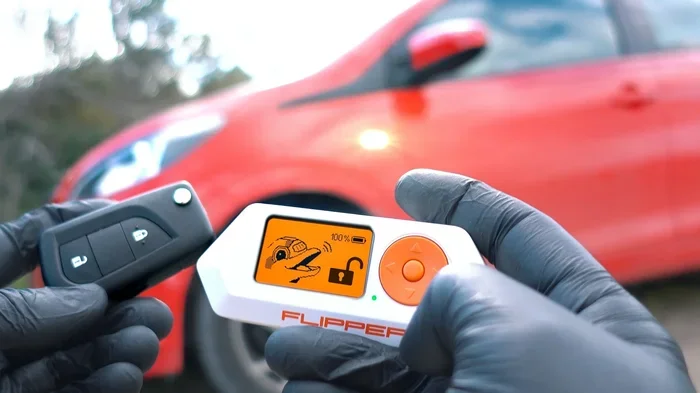
The Flipper Zero is a powerful multi-tool device that can interact with wireless signals, RFID tags, and car key fobs. While it has legitimate uses for security testing and learning, many car owners wonder if it can actually unlock their vehicles. This guide covers exactly how the device works with car systems, which vehicles are vulnerable, and what you can do to stay safe.
The Flipper Zero has taken the tech world by storm. This small, handheld device looks like a cute digital pet but packs serious capabilities. It can read and clone wireless signals, interact with RFID tags, and even interface with hardware protocols like GPIO and infrared. For car enthusiasts and security researchers, one question keeps coming up: can the Flipper Zero unlock cars?
The short answer is yes, under certain conditions. But the full story is much more nuanced. The Flipper Zero is an open-source multi-tool designed for pentesting, learning, and exploring wireless technologies. It is not a magic car unlocker that works on every vehicle on the road. Instead, it exploits specific weaknesses in how some cars communicate with their key fobs.
In this article, we will break down everything you need to know. We will look at how the device works, which car systems it can interact with, the legal side of things, and most importantly, how you can protect your vehicle. Whether you are a curious car owner or a tech enthusiast, this guide covers it all.
Key Takeaways
- The Flipper Zero can interact with car key fobs: It uses sub-GHz radio and RFID to clone and replay signals from proximity keys.
- Not all cars are equally vulnerable: Older vehicles with basic keyless entry systems are more at risk than newer models with advanced encryption.
- Legal use matters: Using the Flipper Zero on your own car or with permission is generally legal, but unauthorized access is illegal in most countries.
- Car manufacturers are improving security: Rolling codes, encrypted signals, and immobilizer systems make modern vehicles harder to compromise.
- You can protect your car: Signal-blocking pouches, software updates, and parking in secure areas reduce the risk of relay attacks.
- The Flipper Zero is a legitimate pentesting tool: Security professionals use it to identify vulnerabilities and improve digital safety.
📑 Table of Contents
- What Is the Flipper Zero and How Does It Work?
- Can Flipper Zero Actually Unlock Cars?
- The Technology Behind Car Unlocking with Flipper Zero
- Is It Legal to Use Flipper Zero on Cars?
- How to Protect Your Car from Flipper Zero Attacks
- Common Mistakes People Make with Flipper Zero and Car Security
- Final Verdict: Should You Be Concerned About Flipper Zero and Your Car?
What Is the Flipper Zero and How Does It Work?
The Flipper Zero is a portable pentesting device built around a powerful ARM processor. It was originally designed for hardware hacking and security research. The device supports multiple wireless protocols, making it a versatile tool for anyone interested in digital security or automotive electronics.
Understanding the Device’s Capabilities
The Flipper Zero comes packed with features that make it stand out from other tools in its category. Here is what it can do:
- Sub-GHz radio: Reads, transmits, and clones signals between 300 MHz and 930 MHz. This range covers many car key fob frequencies.
- RFID and NFC: Can read and write to 125 kHz RFID tags and 13.56 MHz NFC cards.
- Infrared: Sends and receives IR signals, similar to a universal remote control.
- I2C, SPI, UART: Hardware communication protocols that allow direct interaction with electronic components.
- GPIO pins: Can connect to external circuits and devices for custom projects.
These capabilities make the Flipper Zero a popular choice among security researchers, hobbyists, and automotive electronics enthusiasts. The device runs on open-source firmware, which means the community constantly updates and improves its features.
How Flipper Zero Interacts with Car Systems
When it comes to cars, the Flipper Zero primarily targets the wireless communication between a vehicle and its key fob. Most modern cars use a keyless entry system that relies on radio frequency signals. When you press a button on your key fob or approach your car, the fob sends a signal that the car receives and processes.
The Flipper Zero can intercept these signals using its sub-GHz radio module. It records the signal, stores it, and can later replay it to trick the car into thinking the legitimate key fob is nearby. This process is known as a relay attack, and it is one of the most well-known methods for exploiting car key fob systems.
It is important to understand that the Flipper Zero does not hack the car’s computer directly in most cases. Instead, it exploits the communication layer between the key fob and the vehicle. This distinction matters when we talk about security and prevention.
Can Flipper Zero Actually Unlock Cars?
The honest answer depends on several factors. The Flipper Zero can unlock some cars, but it cannot unlock every car. The success rate depends on the car model, the age of the vehicle, the type of key fob it uses, and the security measures built into the system.
Car Models and Vulnerabilities
Older vehicles with basic keyless entry systems are generally more vulnerable. These cars often use fixed or static RFID signals that do not change between uses. If a Flipper Zero captures the signal once, it can replay that signal indefinitely to unlock the car.
Newer vehicles with advanced digital security features are much harder to compromise. Many modern cars use rolling codes, which change with every use. This means that even if the Flipper Zero captures a signal, it cannot reuse it because the code will have already changed.
Here is a simple comparison of how different car systems respond to Flipper Zero attacks:
- Older cars with fixed RFID signals: Highly vulnerable. The Flipper Zero can clone and replay the signal easily.
- Cars with basic rolling codes: Moderately vulnerable. Some Flipper Zero models can handle simple rolling code sequences, but advanced encryption makes this difficult.
- Modern cars with encrypted proximity keys: Very difficult to compromise. These systems use advanced encryption and mutual authentication that the Flipper Zero cannot easily bypass.
- Cars with ultra-wideband (UWB) key technology: Extremely resistant. UWB provides precise distance measurement, making relay attacks nearly impossible.
Keyless Entry Systems Explained
To understand why some cars are vulnerable and others are not, it helps to know how keyless entry systems work. Most car key fobs use one of two main technologies.
The first is passive entry. This is the system where your car automatically unlocks when you approach it with the fob in your pocket. The car detects the fob’s signal and unlocks the doors without you pressing any button.
The second is active entry. This requires you to press a button on the fob to lock or unlock the car. Both systems send wireless signals that the Flipper Zero can potentially intercept and replay.
The key difference lies in encryption. Cars that use encrypted signals with rolling codes are much safer than those using static or simple signals. The Flipper Zero works best against the latter.
The Technology Behind Car Unlocking with Flipper Zero
Understanding the technical side of how the Flipper Zero interacts with car systems helps you appreciate both its power and its limitations. The device uses several methods to communicate with automotive electronics.
RFID and Wireless Signal Cloning
The Flipper Zero uses its sub-GHz radio module to capture signals from car key fobs. When a fob sends a signal to unlock a car, the Flipper Zero can record that signal and save it to its onboard storage. Later, it can transmit the same signal to the car, tricking it into thinking the real fob is present.
This works because many older key fob systems do not use encryption or use weak encryption that can be reversed. The Flipper Zero can also read RFID tags operating at 125 kHz, which some older car models use for their immobilizer systems.
However, modern car key fobs use much stronger encryption. Brands like Tesla, BMW, and Mercedes have implemented advanced cryptographic protocols that make signal cloning extremely difficult, if not impossible, with current Flipper Zero hardware.
CAN Bus and Infotainment Access
Beyond key fob cloning, the Flipper Zero can also interact with a car’s internal network through its GPIO pins. The CAN bus is the communication system that connects different electronic components inside a vehicle. It allows the engine control unit, doors locks, infotainment system, and other modules to talk to each other.
In some cases, security researchers have demonstrated that connecting a Flipper Zero to a car’s CAN bus through the OBD-II port can allow access to certain functions. However, this requires physical access to the vehicle and a deeper understanding of automotive protocols.
The Flipper Zero can also interact with a car’s infotainment system through USB or Bluetooth connections in some models. This opens up possibilities for testing the digital security of the vehicle’s entertainment and navigation systems.
Proximity Key and Relay Attack Risks
One of the most discussed topics in automotive hacking is the relay attack. This is when two attackers work together to extend the range of a car key fob signal. One person stands near the car with a Flipper Zero or similar device, while another stands near the owner’s home with a signal amplifier.
The device near the home captures the fob’s signal, even through walls. It then sends that signal to the device near the car, which relays it. The car thinks the fob is nearby and unlocks the doors. This type of attack has been used on many popular car models worldwide.
The Flipper Zero can facilitate relay attacks because it can receive, store, and retransmit sub-GHz signals. However, it is worth noting that dedicated relay attack tools exist that are specifically designed for this purpose and may be more effective than the Flipper Zero for this specific use case.
Is It Legal to Use Flipper Zero on Cars?
The legality of using a Flipper Zero on cars is a topic that raises many questions. The answer depends on where you live, what you are doing, and whether you have permission.
Laws and Regulations Around Car Unlocking
In most countries, using any device to gain unauthorized access to a vehicle is illegal. This includes the Flipper Zero. Laws around automotive hacking vary by jurisdiction, but the general principle is clear: you should only use these tools on vehicles you own or have explicit permission to test.
For example, in the United States, the Computer Fraud and Abuse Act (CFAA) makes it illegal to access a computer system without authorization. Since modern cars are essentially computers on wheels, this law applies to car digital security testing without permission.
In the European Union, similar laws exist under the General Data Protection Regulation and national cybersecurity laws. Using a Flipper Zero to unlock someone else’s car without permission can result in criminal charges.
Ethical Use and Responsible Ownership
The Flipper Zero is a legitimate tool when used responsibly. Security researchers use it to identify vulnerabilities and help car manufacturers improve their car security systems. If you own a Flipper Zero, here are some ethical guidelines to follow:
- Only test on vehicles you own or have written permission to test.
- Never use the device to gain unauthorized access to any vehicle.
- Report any vulnerabilities you find to the manufacturer responsibly.
- Use the device for learning and education, not for illegal activities.
Responsible use of the Flipper Zero helps improve overall digital security in the automotive industry. The more researchers test these systems, the better manufacturers can design secure vehicles.
How to Protect Your Car from Flipper Zero Attacks
If you are worried about car theft prevention and the potential for Flipper Zero attacks, there are several practical steps you can take. The good news is that most of these measures are simple and affordable.
Security Measures Every Car Owner Should Know
Protecting your car from wireless attacks starts with understanding how those attacks work. Here are the most effective measures you can take:
- Use a signal-blocking pouch: Also called a Faraday bag, this blocks the wireless signals from your key fob. When your fob is inside the bag, it cannot be intercepted by a Flipper Zero or any other relay device.
- Store your key fob away from doors and windows: Signals can pass through walls and glass. Keeping your fob in a central part of your home reduces the chance of it being intercepted.
- Use a steering wheel lock: This adds a physical layer of security that no wireless device can bypass.
- Keep your car software updated: Manufacturers regularly release updates that patch security vulnerabilities.
- Turn off your key fob’s passive entry feature: If your car allows it, disabling passive entry means the fob only unlocks the car when you press a button.
Upgrading Your Vehicle’s Digital Defenses
For car owners who want extra protection, there are additional steps you can take. Some aftermarket automotive accessories provide enhanced security against wireless attacks.
GPS trackers with motion alerts can notify you if your car is moved. Advanced car alarm systems with vibration sensors can detect tampering even if the doors are unlocked through a relay attack. Some manufacturers also offer aftermarket key fobs with stronger encryption.
If you own a newer car, check with your dealer about available software updates. Many manufacturers have started implementing ultra-wideband technology in their latest models, which provides much better protection against relay attacks than traditional keyless entry systems.
Common Mistakes People Make with Flipper Zero and Car Security
There are several mistakes that car owners and Flipper Zero users make when thinking about automotive security. Avoiding these mistakes can save you a lot of trouble.
Mistake 1: Assuming all cars are equally vulnerable. As we discussed earlier, newer cars with encrypted systems are much harder to compromise than older models. Do not assume your car is at risk if it has modern security features.
Mistake 2: Ignoring the legal risks. Even if you have good intentions, using a Flipper Zero on someone else’s car without permission can lead to serious legal consequences. Always make sure you have authorization before testing any security systems.
Mistake 3: Not using basic protections. Many car owners overlook simple steps like signal-blocking pouches or steering wheel locks. These affordable tools provide a strong first line of defense against wireless attacks.
Mistake 4: Relying only on technology. The best security combines technology with good habits. Park in well-lit areas, keep your car locked, and never leave your key fob in an easily accessible spot inside your home.
Final Verdict: Should You Be Concerned About Flipper Zero and Your Car?
The Flipper Zero is a remarkable device that demonstrates how wireless technology can be both powerful and vulnerable. It can interact with car systems in ways that were not possible with older tools, but it is not a universal car unlocker.
Most modern vehicles with encrypted keyless entry systems and rolling codes are well-protected against Flipper Zero attacks. Older vehicles with basic RFID-based systems are more at risk, but even those can be protected with simple measures like Faraday bags.
If you own a Flipper Zero, use it responsibly and ethically. If you are a car owner worried about digital attacks, take the practical steps outlined in this article to protect your vehicle. The world of automotive digital security is evolving rapidly, and staying informed is your best defense.
The Flipper Zero reminds us that our vehicles are increasingly connected devices. Understanding how they communicate wirelessly is the first step toward keeping them safe. With the right knowledge and precautions, you can enjoy the convenience of keyless entry without unnecessary worry.
Stay curious, stay informed, and always prioritize security. The Flipper Zero is a tool for learning, and with great tools comes great responsibility.
Frequently Asked Questions
Can the Flipper Zero unlock any car?
The Flipper Zero cannot unlock every car. It works best on older vehicles with basic keyless entry systems that use fixed or weak RFID signals. Modern cars with encrypted rolling codes and advanced digital security features are much harder to compromise.
Is using a Flipper Zero on someone else’s car illegal?
Yes, using a Flipper Zero to gain unauthorized access to any vehicle is illegal in most countries. The device should only be used on vehicles you own or have explicit permission to test. Unauthorized use can result in criminal charges under cybersecurity laws.
How can I protect my car from Flipper Zero relay attacks?
The most effective protection is a Faraday bag or signal-blocking pouch for your key fob. You can also use a steering wheel lock, keep your fob away from doors and windows, disable passive entry features, and ensure your car software is always up to date.
What car brands are most vulnerable to Flipper Zero attacks?
Older car models from various brands that use basic RFID-based key fobs are more vulnerable. Vehicles with simple fixed signals and no rolling code encryption are at the highest risk. Newer models from major manufacturers typically have stronger encryption and better protection.
Can the Flipper Zero clone a car key fob?
Yes, the Flipper Zero can clone key fob signals that use simple or no encryption. It captures the wireless signal using its sub-GHz radio and stores it for later replay. However, fobs with strong encryption and rolling codes cannot be cloned with the current Flipper Zero hardware.
Is the Flipper Zero only used for car hacking?
No, the Flipper Zero is a versatile multi-tool used for many purposes beyond automotive security. It can interact with RFID tags, infrared devices, and various hardware protocols. It is widely used by security researchers, hobbyists, and electronics enthusiasts for learning and experimentation.
=== CONCLUSION ===
The Flipper Zero is a fascinating device that bridges the gap between hardware hacking and automotive security. It can interact with car key fobs and wireless systems in ways that highlight both the convenience and the risks of modern digital vehicle technology. Understanding what the Flipper Zero can and cannot do is essential for any car owner in today’s connected world.
While the device has real capabilities when it comes to car unlocking and key fob cloning, it is far from a magic tool that defeats every vehicle on the market. Newer cars with strong encryption, rolling codes, and ultra-wideband technology are well-protected against these types of attacks. Older vehicles with simpler systems are more vulnerable, but even they can be secured with basic precautions.
Remember to always use the Flipper Zero ethically and legally. The knowledge you gain from exploring this device should be used to improve security, not to compromise it. Take practical steps to protect your own vehicle, and stay informed about the latest developments in automotive digital security.
The world of car key fob technology is changing fast. By understanding tools like the Flipper Zero, you position yourself to make smarter decisions about your vehicle’s safety. Share this guide with fellow car owners, and let us build a more security-conscious community together.