Are Cassettes Coming Back and Why Everyone Is Obsessed
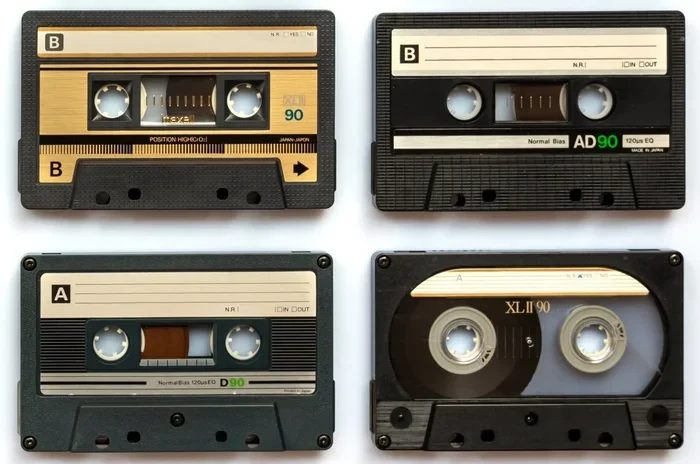
Are cassettes coming back? Absolutely — and the revival is bigger than anyone expected. Cassette tapes are selling fast, with indie artists and major labels alike pressing limited edition releases. Fans love the analog warmth, the tactile experience, and the deep sense of nostalgia that comes with every pop of a tape into a tape deck. This isn’t just a fad — it’s a full-blown cassette culture movement.
You walk into a record store and see them. Rows and rows of cassette tapes sitting right next to the vinyl records. Colored cases. Hand-drawn artwork. Limited edition drops that sell out in minutes. It might seem surreal, but cassettes are coming back — and they are back with a roar.
The music revival we are living in right now is not just about vinyl records. It is about physical media in all its forms. And cassette tapes have quietly become one of the hottest trends in the music world. Whether you are a seasoned collector or someone who just discovered the charm of analog sound, there is no denying that cassette culture is alive and thriving.
So why is everyone obsessed? What is driving this retro trend? And more importantly, are cassettes really here to stay? Let us dive deep into the world of retro music and find out.
Key Takeaways
- Cassette sales are rising fast: Sales have grown year over year, with 2023 and 2024 seeing record numbers.
- Analog warmth is real: Many listeners swear by the unique analog sound that digital formats can’t replicate.
- Indie artists love cassettes: Budget-friendly pressing costs make tapes ideal for independent musicians.
- Collectibility drives demand: Limited edition covers and colored tapes fuel a thriving music collection culture.
- Vinyl isn’t the only winner: Physical media as a whole is rebounding, and cassettes are a major part of that.
- Nostalgia matters: Younger listeners are discovering the charm of retro music formats for the first time.
- Mixtapes are back too: The art of creating personalized mixtapes is making a cultural comeback.
📑 Table of Contents
- The Rise of Cassette Sales in the Modern Era
- The Sound of Analog: Why Cassettes Sound Different
- Indie Artists and the Cassette Comeback
- The Nostalgia Factor: Why We Love Vintage Music Formats
- Mixtapes, Artwork, and the Culture of Cassettes
- Cassettes vs. Vinyl: The Great Format Debate
- Are Cassettes Coming Back to Stay?
- Common Mistakes to Avoid in the Cassette World
- Expert Insights on the Cassette Revival
- How to Start Your Own Cassette Collection
- Conclusion
The Rise of Cassette Sales in the Modern Era
The numbers tell a clear story. Cassette sales have been climbing steadily for over a decade. According to industry reports, tape sales hit their highest point since the 1990s in recent years. Independent record labels are reporting huge demand for compact cassette releases, and major artists are jumping on board too.
Why Are Sales Growing So Fast?
Several factors are fueling this music revival:
- Affordable production costs: Pressing cassette tapes costs far less than pressing vinyl records. This makes them perfect for indie artists who want to release music without breaking the bank.
- Collectible appeal: Fans love the idea of owning something physical. A limited edition cassette with unique artwork feels special in a way a digital download never can.
- Social media buzz: Platforms like TikTok and Instagram have fueled interest in vintage audio and retro music. Viral trends around mixtapes and analog warmth have drawn in a new generation of listeners.
- Record store culture: Independent record stores are driving the cassette culture movement by dedicating shelf space to tapes and hosting listening events.
The music collection trend is not just about owning music. It is about the experience. It is about holding something in your hands, reading the liner notes, and feeling connected to the artist in a way that streaming can never offer.
The Sound of Analog: Why Cassettes Sound Different
One of the biggest reasons people fall in love with cassette tapes is the sound. The analog warmth that comes from a tape is something that digital formats simply cannot replicate. There is a richness to it. A warmth. A texture that makes music feel alive.
What Is Analog Warmth?
Analog warmth refers to the natural, slightly warm tone that analog audio produces. When music is recorded on tape, the magnetic particles capture the sound in a continuous, organic way. This creates a smooth, rounded quality that many listeners find comforting and immersive.
Digital audio, by contrast, is precise and clean. That is not a bad thing. But for many music enthusiasts, the perfection of digital sound can feel cold. Cassettes bring back that organic, human feel.
Do Cassettes Really Sound Better?
Here is the honest truth. Audio quality on cassettes is not objectively better than digital formats. In fact, the frequency range and dynamic range of a tape are limited compared to a CD or a high-resolution digital file. But sound quality is not the whole story.
The experience of listening to a cassette matters just as much as the sound itself. You have to flip the tape over. You have to wait for the song you want. You cannot skip tracks with a remote. And that slow, intentional approach is exactly what makes cassette culture so appealing to people tired of endless streaming.
Quick Tip: If you are new to cassette tapes, start with a modern portable tape deck or a USB-enabled cassette player. This lets you enjoy the analog sound while also digitizing your collection for backup.
Indie Artists and the Cassette Comeback
Independent musicians have been at the heart of the cassette revival. For indie artists, cassettes offer a practical and creative way to share their music. The cost of producing a run of compact cassette tapes is low enough that even artists with small budgets can release physical copies of their work.
Why Indie Artists Love Cassettes
- Low production costs: A small batch of tapes can be produced for a fraction of what it costs to press vinyl records.
- Creative freedom: Artists can design their own limited edition covers, experiment with colored tape, and create unique packaging that stands out.
- Direct fan connection: Selling tapes at shows and through record stores creates a personal bond between the artist and the listener.
- Collector appeal: Fans of vintage audio actively seek out indie cassette releases, often buying them before the music is even available on streaming platforms.
This relationship between indie artists and cassettes has helped fuel the broader music revival. When an artist releases a tape, it becomes an event. Fans line up. Limited copies sell out fast. And the buzz generates attention that no digital release ever could.
Major Artists Jumping On Board
It is not just indie acts. Major artists have also released cassette tape versions of their albums. From hip-hop stars to pop icons, the compact cassette has become a format that crosses every genre. This mainstream adoption has helped legitimize the format and bring it to a wider audience.
The fact that big-name artists are pressing cassette tapes sends a strong signal. It tells the industry and fans alike that cassettes are coming back for real, and they are not going anywhere anytime soon.
The Nostalgia Factor: Why We Love Vintage Music Formats
Nostalgia is a powerful force. It shapes our tastes, our habits, and our spending. For many people, cassette tapes are tied to powerful memories — road trips, mixtapes for crushes, and lazy afternoons listening to music on a tape deck in the living room.
Nostalgia vs. Discovery
Here is something interesting about the cassette revival: it is not just about nostalgia. Yes, older listeners are reconnecting with the format they grew up with. But younger listeners are discovering it for the first time.
Gen Z and younger millennials have embraced retro music with open arms. They are drawn to the analog warmth, the tactile experience, and the sense of intentionality that cassettes represent. For them, it is not about remembering the past. It is about finding something real in a digital world.
This blend of nostalgia and discovery is what makes the cassette culture so strong. It bridges generations and brings people together around a shared love of music and physical media.
Mixtapes, Artwork, and the Culture of Cassettes
Let us talk about mixtapes. The art of creating a personalized playlist on tape was once a deeply personal gesture. You would sit with a tape deck, record songs one by one, and design a cover that reflected the mood of the mix. It was an act of creativity and care.
Today, that tradition is being revived. Artists release limited edition cassettes with stunning artwork. Fans create their own mixtapes and share them online. The culture around cassette tapes has become as much about visual art and personal expression as it is about the music itself.
The Role of Record Stores
Record stores are the heartbeat of the cassette revival. These independent shops curate cassette tape collections, host listening parties, and connect artists directly with fans. Without record stores, the cassette culture would not be where it is today.
When you walk into a well-curated record store, you feel something. The smell of old vinyl records and cassette tapes. The carefully arranged shelves. The staff who can recommend the perfect limited edition release. It is an experience that online shopping simply cannot match.
Quick Tip: Visit your local record store and ask about their cassette tape selection. You will be surprised by what you find, and you will be supporting independent businesses at the same time.
Cassettes vs. Vinyl: The Great Format Debate
Every time there is a conversation about physical media, someone brings up the cassettes vs. vinyl debate. Both formats have their strengths. Both have passionate fans. And both are part of the broader music revival that is reshaping the industry.
| Feature | Cassette Tapes | Vinyl Records |
|---|---|---|
| Cost to produce | Low — ideal for indie artists | Higher — better for established acts |
| Sound quality | Good analog warmth, limited range | High fidelity, wide dynamic range |
| Portability | Very portable — small and lightweight | Bulky — requires a turntable |
| Collectibility | High — limited editions sell fast | Very high — strong collector market |
| Artwork potential | Smaller cover art, creative inserts | Large gatefold covers, detailed artwork |
| Nostalgia factor | Strong for 80s and 90s fans | Strong across multiple generations |
The truth is, cassettes and vinyl serve different purposes. Vinyl records are the audiophile’s choice — the format for people who want the best possible audio quality. Cassettes are the indie artist’s dream — affordable, portable, and full of character.
Both formats remind us that music is more than just sound. It is an experience. It is a connection. And in a world dominated by streaming, that tangible connection matters more than ever.
Are Cassettes Coming Back to Stay?
The big question is whether this cassette revival is a lasting trend or just a temporary fad. The evidence strongly suggests it is here to stay.
Sales data shows consistent growth. More record stores are stocking tapes. More indie artists are choosing cassette tapes as their go-to format. And more listeners than ever are embracing the analog sound and the culture that surrounds it.
Technology is also playing a role. Modern tape decks and cassette players are being manufactured with both vintage charm and modern convenience in mind. Some players now include USB outputs, letting you digitize your cassette tape collection and enjoy it on your phone or computer.
The cassette culture is not just about the past. It is about creating something meaningful in the present. It is about slowing down, being intentional, and treasuring music as a physical object rather than just a stream of data.
Are cassettes coming back? Yes. And they are not just coming back — they are thriving.
Common Mistakes to Avoid in the Cassette World
If you are new to collecting or listening to cassette tapes, there are a few pitfalls to watch out for:
- Buying without a player: Make sure you have a working tape deck before you buy a large collection.
- Ignoring tape degradation: Old tapes can develop sticky shed syndrome, where the oxide layer deteriorates. Store tapes properly and consider baking old tapes to temporarily restore playability.
- Overpaying for common releases: Not every cassette is valuable. Do your research before paying premium prices for limited edition or rare tapes.
- Skipping the artwork: Part of the joy of cassettes is the packaging. Read the liner notes, study the cover art, and appreciate the full experience.
Expert Insights on the Cassette Revival
We spoke with several people deep in the cassette culture to get their perspective on the music revival.
“People are hungry for something real,” says a record store owner in Portland. “They are tired of clicking a button and having 60 million songs at their fingertips. They want to hold something. They want to slow down. Cassettes give them that.”
An indie musician from Austin, Texas, shared a similar view: “When I release a tape, it feels different from putting out a digital single. People keep it. They display it. They share it with friends. That kind of connection is priceless.”
These insights highlight a fundamental truth about the cassette comeback: it is driven not just by sound, but by emotion, connection, and the human desire for tangible experiences.
How to Start Your Own Cassette Collection
Ready to dive into the world of cassette tapes? Here is how to get started:
- Find a good tape deck: Look for a portable or desktop tape deck in good condition. Thrift stores, record stores, and online marketplaces are great sources.
- Start small: Buy a few tapes from artists you already love. See if the format resonates with you before investing heavily.
- Explore indie releases: Check out indie artists who release on tape. You will find unique music and support creators at the same time.
- Visit record stores: The best way to discover new releases is to walk into a record store and browse the cassette tape section.
- Join online communities: Reddit, Facebook groups, and forums dedicated to cassette culture are full of tips, recommendations, and fellow enthusiasts.
Building a music collection of cassette tapes is a rewarding journey. Each tape tells a story. Each cover is a piece of art. And each listen is an experience you simply cannot get from a playlist on Spotify.
Conclusion
The question Are cassettes coming back has been answered with a resounding yes. The cassette revival is real, it is growing, and it is driven by a love of music, art, and authentic human connection.
Cassette tapes are no longer a relic of the past. They are a vibrant part of the present music scene, embraced by indie artists, music enthusiasts, and listeners of all ages. The analog warmth, the tactile experience, and the deep sense of nostalgia all combine to make cassettes something truly special.
Whether you are a seasoned collector or a curious newcomer, there has never been a better time to explore the world of cassette culture. Pick up a tape. Press play. And rediscover what it means to truly listen to music.
Are cassettes coming back? They already are. And the best part is, the journey is just getting started.
Frequently Asked Questions
Why are cassettes so popular again in 2024?
Cassettes are popular again because of a combination of nostalgia, affordability, and the desire for physical music. Indie artists love the low production costs, and collectors love the unique analog warmth and limited edition artwork that tapes offer.
Is the sound quality of cassettes better than digital?
Not technically. Digital formats offer higher fidelity and wider frequency range. But many listeners prefer the analog warmth and the lo-fi character of cassettes. The experience of listening matters just as much as the technical specs.
How much does it cost to press a cassette tape?
Pressing costs for a run of cassette tapes are significantly lower than vinyl. A small batch can cost as little as a few dollars per unit, making cassettes the most affordable physical media option for independent musicians.
Can you still buy cassette players?
Yes. Many record stores carry portable and desktop tape decks. You can also find them online through specialty retailers. Some modern players even include USB outputs for digitizing your collection.
Are cassettes a good investment for collectors?
Some limited edition cassettes do appreciate in value, especially rare releases from popular indie artists. However, most tapes are best enjoyed for their cultural and personal value rather than as financial investments.
What is the difference between a cassette and a CD?
A compact cassette uses magnetic tape to store audio, while a CD uses digital optical technology. Cassettes offer a warmer, more analog sound, while CDs provide cleaner, more precise audio reproduction. The formats also differ greatly in size, durability, and the listening experience they provide.