How Can I Charge My Phone Without A Charger Quickly
Finding yourself without a charger is stressful, but you can still charge your phone without a charger using several clever methods. From portable power banks and laptop USB ports to solar panels and car adapters, there are quick and practical ways to keep your phone powered when you need it most. This guide covers every reliable alternative charging method so you are never left with a dead battery again.
We have all been there. You are out running errands, traveling, or enjoying a day outside, and suddenly your phone battery hits zero. Panic sets in. You look around and realize you do not have your charger. It is a frustrating feeling in today’s connected world. Your phone is your lifeline for navigation, communication, and entertainment.
The good news is that how can I charge my phone without a charger is a question with many practical answers. You do not need to sit around waiting for a dead phone to come back to life. There are several simple, effective methods to keep your device powered up when your usual charger is nowhere to be found.
In this guide, we will walk you through every reliable way to charge your phone without a charger quickly and safely. Whether you are at home, on the road, or out in nature, you will find a solution that works. Let us dive in and explore your options.
Key Takeaways
- Power banks are the most reliable backup: They are portable, affordable, and can charge your phone multiple times.
- Laptop USB ports work in a pinch: Most laptops can deliver enough power to charge your phone slowly but steadily.
- Solar chargers are great for outdoor adventures: They use free sunlight to keep your phone powered anywhere.
- Car chargers are a must-have for road trips: A car USB port or adapter keeps your phone charged while you drive.
- Wireless charging pads and stands offer convenience: You can charge compatible phones without any cables at all.
- Hand crank chargers work in true emergencies: They generate power manually, so you are never completely stuck.
- Avoid common mistakes like using cheap cables: Poor-quality cables slow down charging and can damage your phone.
📑 Table of Contents
- Why You Might Need to Charge Your Phone Without a Charger
- Top Methods to Charge Your Phone Without a Charger
- Comparison Table: Alternative Charging Methods
- How to Choose the Right Alternative Charging Method
- Quick Tips for Keeping Your Phone Powered on the Go
- Common Mistakes to Avoid When Charging Without a Charger
- Final Thoughts
Why You Might Need to Charge Your Phone Without a Charger
There are many real-life situations where you might need an alternative phone charging method. Understanding these scenarios helps you prepare ahead of time and avoid being caught off guard.
Travel is one of the biggest reasons people lose access to their charger. You might be on a long flight, staying at a hotel with a dead outlet, or simply forgot your charger at home. Road trips present another common scenario. Your car charger might be broken, or you forgot to pack one for the journey.
Outdoor activities like camping, hiking, or beach days can also drain your phone battery fast. The last thing you want is to be lost on a trail with no way to call for help. Emergency situations are perhaps the most critical. During power outages or natural disasters, access to electricity can be limited for hours or even days.
Even everyday life can throw curveballs. Maybe your charger broke, your cable frayed, or your wall adapter stopped working. Knowing how to charge your phone without a charger gives you peace of mind and keeps you connected when it matters most.
Top Methods to Charge Your Phone Without a Charger
Now let us get into the practical solutions. Below are the most effective ways to charge your phone without a charger quickly and safely. Each method has its own strengths, so you can choose the one that fits your situation best.
Use a Portable Power Bank
A portable power bank is hands down the most popular and reliable way to charge your phone on the go. These small, battery-packed devices store energy and release it to your phone through a USB cable. You can carry one in your pocket, purse, or backpack easily.
Power banks come in different sizes and capacities. A small one can give your phone one or two full charges. A larger one can charge a phone five or more times before it needs to be recharged itself. Most power banks use fast charging technology now, so you can get a quick boost in just 15 to 30 minutes.
When choosing a power bank, look for one with a high mAh rating (milliampere-hour). A 10,000 mAh power bank is a great all-around choice. It is compact enough to carry everywhere and provides plenty of backup power. Make sure it supports quick charge protocols like Qualcomm Quick Charge or USB Power Delivery for the fastest results.
Quick Tip: Always keep your power bank charged at least halfway. You do not want to reach for it in an emergency and find it dead too.
Charge Your Phone Using a Laptop USB Port
If you have a laptop or computer nearby, you can use its USB port to charge your phone. This is one of the simplest and most accessible methods. Most modern laptops have USB-A or USB-C ports that deliver power to connected devices.
The charging speed from a laptop is usually slower than a wall charger. But in a pinch, it works well enough to keep your phone alive. A USB-C connection on a newer laptop can deliver faster speeds, especially if your laptop supports USB Power Delivery.
Just plug in your phone using the right cable and let it charge. You can keep working on your laptop while your phone gains power. This method is perfect for office settings, study sessions, or any time you are near a computer.
Expert Insight: Some laptops have “smart” USB ports that detect when a device is connected and adjust power output. If your phone is not charging, try a different USB port on your laptop. The charging port might be turned off to save power.
Use a Car Charger or Adapter
If you drive, a car charger is one of the best backup options for emergency phone charging. Most modern cars have USB ports built into the dashboard or center console. You can plug in a USB cable and charge your phone while you drive.
Older cars without USB ports can still charge your phone using a cigarette lighter adapter. These plug into the 12V outlet and often have USB ports built in. They are inexpensive and widely available at any auto parts store.
Car chargers are especially useful for road trips and long commutes. They keep your phone powered up throughout the day without needing a wall outlet. Some car chargers even support fast charging, so you can get a significant charge in a short amount of time.
Common Mistake: Do not leave your phone charging in a hot car for long periods. Extreme heat can damage your battery and slow down charging. If your car gets very hot, try to park in the shade or keep the charger plugged in only when you are driving.
Solar Chargers for Outdoor Power
Solar phone chargers are a fantastic option for outdoor enthusiasts and anyone who spends time in sunny areas. These devices use solar panels to convert sunlight into electrical energy, which then charges your phone through a USB connection.
Solar chargers come in many shapes and sizes. Some are small folding panels that fit in your backpack. Others are built into phone cases or battery packs. The best solar chargers are lightweight, durable, and designed for portable power on the go.
Charging speed depends on sunlight intensity. A sunny day will charge your phone much faster than a cloudy one. Most solar chargers work best when placed directly in sunlight at a proper angle. Some models come with a built-in battery, so you can store solar energy and charge your phone later, even when the sun goes down.
Quick Tip: For the best results, place your solar charger in direct sunlight and keep it clean. Dust and dirt on the panel can reduce efficiency significantly.
Wireless Charging Options
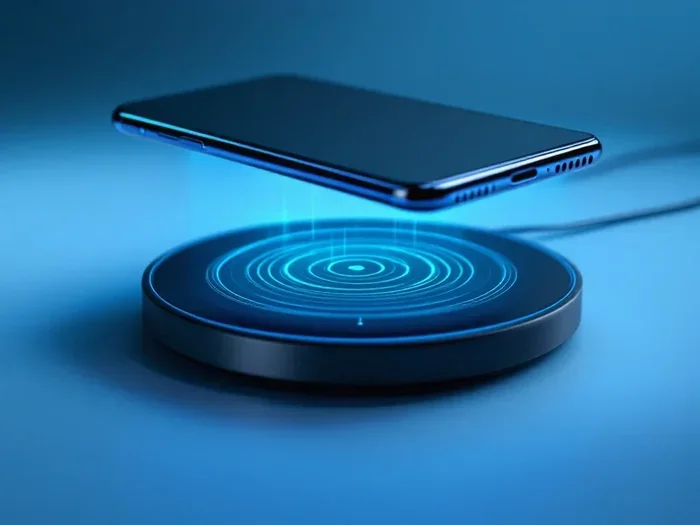
If your phone supports wireless charging, you have another convenient way to power up without a traditional charger. Wireless charging uses a charging pad or stand that transfers energy to your phone through electromagnetic induction.
You just place your phone on the pad, and it starts charging automatically. No cables, no plugs, no fuss. Wireless charging pads are widely available and work with most modern smartphones that support Qi wireless charging.
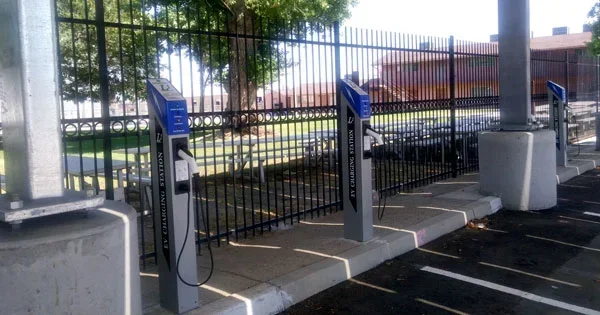
Many public places now offer wireless charging stations. Coffee shops, airports, hotels, and even some restaurants have them built into tables or countertops. You can top up your phone while you enjoy a meal or wait for a flight.
Wireless charging is slower than wired charging in most cases. But for convenience and ease of use, it is hard to beat. Just make sure your phone is compatible and that you have a working wireless charging pad available.
Hand Crank and Other Creative Charging Methods
When all else fails, there are some creative alternative charging methods that can save the day in true emergencies. A hand crank charger generates electricity through manual effort. You simply turn a crank handle, and the device converts your motion into electrical power.
Hand crank chargers are not the fastest option, but they work when nothing else is available. They are popular in emergency preparedness kits and survival situations. Some models also include built-in solar panels or battery storage for added versatility.
Other creative methods include using a battery pack with alligator clips to connect directly to your phone’s battery terminals. This is a more advanced method and should only be attempted if you know what you are doing. Another option is using a external battery case, which wraps around your phone and provides extra charge directly.
Expert Insight: Hand crank chargers are not practical for daily use. They work best as a last resort in emergency situations where you have no access to electricity or solar power.
Comparison Table: Alternative Charging Methods
| Method | Speed | Portability | Cost | Best For |
|---|---|---|---|---|
| Power Bank | Fast | High | Low to Medium | Daily backup, travel |
| Laptop USB | Slow to Medium | Medium | Free (if you have a laptop) | Office, study, work |
| Car Charger | Fast | Medium | Low | Road trips, commutes |
| Solar Charger | Slow to Medium | Medium | Medium | Outdoor activities, camping |
| Wireless Charging Pad | Slow to Medium | High | Low to Medium | Home, office, public spaces |
| Hand Crank Charger | Very Slow | Medium | Medium | Emergency situations only |
How to Choose the Right Alternative Charging Method
With so many options available, choosing the right one can feel overwhelming. The best method depends on your specific situation, needs, and how quickly you need to charge your phone without a charger.
Think about where you will be and what resources you have access to. If you are at home or in an office, a laptop USB port or wireless charging pad might be your best bet. If you are traveling or commuting, a power bank or car charger makes more sense. For outdoor adventures, a solar charger is the clear winner.
Consider how much power you need. If your phone is completely dead and you need it for an important call, a power bank with fast charging will get you back up quickly. If you just need to extend your battery life throughout the day, a smaller power bank or wireless charging pad might be enough.
Budget also plays a role. Power banks and car chargers are very affordable. Solar chargers and hand crank chargers tend to cost a bit more. But investing in a good backup charging option is always worth it for the peace of mind it brings.
Quick Tip: Keep at least two backup charging options at all times. A power bank in your bag and a car charger in your vehicle covers most situations you will encounter.
Quick Tips for Keeping Your Phone Powered on the Go
Beyond knowing how to charge your phone without a charger, there are smart habits that help you make the most of every bit of battery life. Here are some practical tips to keep your phone powered longer:
- Reduce screen brightness: Lowering your screen brightness saves a significant amount of battery power.
- Turn on battery saver mode: Most phones have a built-in battery saver that limits background activity and extends charge life.
- Close unused apps: Apps running in the background drain your battery fast. Close them when you are not using them.
- Turn off Bluetooth and Wi-Fi: These wireless connections use power even when you are not actively using them.
- Use airplane mode in low-signal areas: Your phone works harder to find a signal in weak coverage areas, which drains the battery quickly.
- Carry a short USB cable: A compact cable weighs almost nothing and can be a lifesaver when you find a USB port to use.
- Charge your power bank regularly: A dead power bank is useless. Make it a habit to recharge it after every use.
These small habits add up over time and help you avoid the panic of a dead phone battery. They are especially useful when you know you will be away from a power source for an extended period.
Common Mistakes to Avoid When Charging Without a Charger
Knowing what not to do is just as important as knowing the right methods. Here are some common mistakes people make when trying to charge their phone without a charger:
- Using cheap or unknown-brand cables: Poor-quality cables can be slow, unreliable, and even dangerous. They may not deliver the correct voltage and can damage your phone’s battery over time.
- Overcharging your phone: Leaving your phone plugged in for hours after it reaches 100% can reduce battery health. Unplug it once it is fully charged.
- Charging in extreme temperatures: Both very hot and very cold environments can harm your phone’s battery. Avoid charging your phone in direct sunlight or freezing temperatures.
- Ignoring battery health: If your phone battery is old and degraded, no charging method will work well. Consider replacing the battery if your phone is still otherwise in good shape.
- Relying on only one backup method: What if your power bank dies too? Having multiple backup options ensures you are never completely stuck.
Common Mistake Alert: Many people use random cables they find lying around without checking if they are compatible. Always use cables that match your phone’s charging standard. Using the wrong cable can result in very slow charging or no charging at all.
Final Thoughts
Learning how can I charge my phone without a charger is one of those practical skills everyone should have. You never know when you will need it. Whether it is a forgotten charger, a broken adapter, or an unexpected day outdoors, having a backup plan keeps you connected and prepared.
The methods in this guide cover almost every situation you could face. From portable power banks and car chargers to solar panels and wireless charging pads, you have plenty of options to choose from. The key is to find the methods that work best for your lifestyle and keep them ready to go.
Start by investing in a good power bank. It is the single most useful backup charging tool you can own. Then explore other methods based on your daily routine and activities. The more prepared you are, the less stress you will feel when your phone battery runs low.
Take action today. Charge your power bank, check your car charger, and maybe even pick up a solar panel for your next outdoor trip. Being prepared means you will never have to worry about a dead phone again. Stay connected, stay powered, and stay ready for whatever comes your way.
Frequently Asked Questions
Can I charge my phone with a USB cable connected to a TV?
Yes, most modern TVs have USB ports that can deliver power to charge your phone. The charging speed is usually slow, but it works well in an emergency. Just use a standard USB cable and plug it into any available USB port on your TV.
How long does it take to charge a phone with a power bank?
It depends on the power bank capacity and your phone’s battery size. A 10,000 mAh power bank can charge most phones from zero to full in about 2 to 3 hours. Fast-charging power banks can do it even quicker, sometimes in under 90 minutes.
Is it safe to charge my phone using a laptop USB port?
Yes, it is completely safe. Laptop USB ports deliver a lower voltage than wall chargers, which actually makes them gentler on your phone battery. The only downside is slower charging speed compared to a wall adapter.
Can I charge my phone without any cables at all?
If your phone supports wireless charging, you can charge it without any cables using a wireless charging pad or stand. Some newer phones also support reverse wireless charging, which lets you charge other devices wirelessly too.
What is the best power bank for charging a phone quickly?
Look for a power bank that supports fast charging protocols like Qualcomm Quick Charge 3.0 or USB Power Delivery. A 10,000 mAh to 20,000 mAh capacity is ideal for most users. Brands like Anker, Samsung, and Belkin make reliable, fast-charging power banks.
Do solar chargers work on cloudy days?
Yes, solar chargers can still work on cloudy days, but they charge much slower. Direct sunlight provides the best results. On cloudy days, you can expect charging speed to drop by 50% or more. Some solar chargers have built-in batteries that store energy for later use.
=== CONCLUSION ===
Knowing how can I charge my phone without a charger quickly is an essential skill in today’s world. With the right backup methods, you will never be left powerless again. Power banks, laptop USB ports, car chargers, solar panels, wireless charging pads, and hand crank chargers all offer reliable ways to keep your phone alive.
Choose the methods that fit your lifestyle, invest in quality equipment, and always keep a backup plan ready. Your phone is too important to let a dead battery slow you down. Stay prepared, stay connected, and enjoy the freedom of knowing you can charge your phone anytime, anywhere.