Advantages Disadvantages Of Plotters You Should Know
The advantages disadvantages of plotters go far beyond simple printing. Plotters deliver unmatched precision for large format designs, but they come with higher costs and slower speeds. This guide breaks down everything you need to know before choosing a plotter for your projects.
When you need to print big, detailed designs, a regular printer just won’t cut it. That is where a plotter steps in. A plotter printer is a specialized device that creates precise, high-quality outputs on large sheets of paper or other materials. But like any tool, it has its strengths and weaknesses.
In this article, we will walk through the advantages disadvantages of plotters in plain, simple language. Whether you work in architecture, engineering, graphic design, or signage, this guide will help you decide if a plotter is the right choice for your workflow. Let us dive in.
Key Takeaways
- Precision Printing: Plotters produce incredibly accurate lines and details, making them ideal for technical and engineering work.
- Large Format Capability: Unlike regular printers, plotters handle oversized paper sizes with ease, supporting wide format printing needs.
- Higher Cost: Both the initial printer cost and ongoing maintenance can be significantly more than standard inkjet or laser printers.
- Slower Print Speed: Plotters take more time per page, which may not suit high-volume, fast-paced environments.
- Specialized Use Cases: They shine in architecture, engineering, signage, and design industries where accuracy matters most.
- Multiple Types Available: From drum plotters to cutting plotters, each type serves a different purpose and has unique pros and cons.
- Ink Cartridge Expenses Add Up: Replacement ink and maintenance supplies can increase your long-term operating budget.
📑 Table of Contents
- What Is a Plotter and How Does It Work?
- Advantages of Plotters
- Disadvantages of Plotters
- Types of Plotters and How They Differ
- Plotter vs Printer: Which One Should You Choose?
- Who Benefits Most from Using a Plotter?
- Quick Tips for Getting the Most Out of Your Plotter
- Common Mistakes to Avoid When Using a Plotter
- Expert Insights on Plotter Use in Modern Design
- Conclusion
What Is a Plotter and How Does It Work?
A plotter is a type of printer that draws images on paper using pens, blades, or lasers. Instead of spraying tiny dots of ink like a standard inkjet plotter, a plotter moves a physical pen or tool across the surface. This creates continuous lines instead of dot patterns. The result is incredibly clean and precise output.
There are two main types of plotters you should know about:
- Pen Plotters: These use actual pens to draw lines on paper. They are great for technical drawings and CAD drawings.
- Cutting Plotters: These use a sharp blade to cut materials like vinyl, paper, or fabric. They are popular in signage printing and crafting.
Another type, the drum plotter, wraps paper around a rotating cylinder for printing. Each type has its own set of benefits and drawbacks, which we will explore below.
Advantages of Plotters
Plotters offer a range of benefits that make them essential in certain industries. Let us look at the key advantages in detail.
Precision and Accuracy
The biggest strength of a plotter is its precision printing capability. Because it uses physical pens or blades, every line is exact. This level of accuracy is critical for engineering designs and architectural plans. A regular printer might blur or pixelate fine lines, but a plotter keeps them sharp and clean.
For professionals who deal with vector graphics, this precision is a game changer. Every curve, angle, and detail comes out exactly as designed.
Large Format Printing
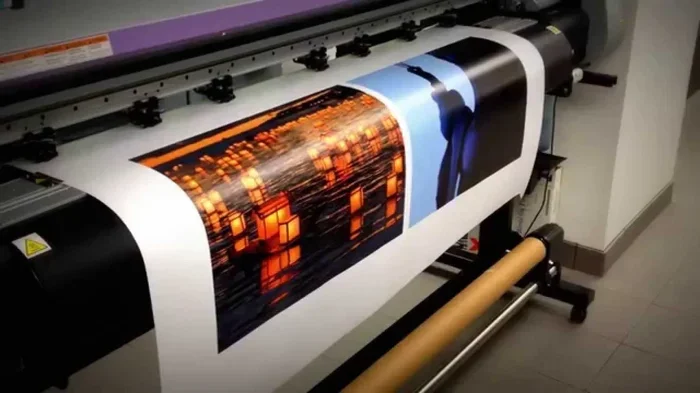
Most office printers max out at A3 or A4 paper size. A plotter, on the other hand, can handle large format printing with ease. You can print on sheets that are several feet wide. This makes plotters perfect for:
- Blueprints and construction plans
- Posters and banners
- Maps and terrain models
- Wide banners for events and trade shows
If your work involves oversized paper size requirements, a wide format printer or plotter is the way to go.
High Print Quality on Specialty Materials
Plotters do not just work on regular paper. Many models can print on vinyl, canvas, film, and even fabric. This versatility opens up creative possibilities for designers and manufacturers. Cutting plotters can also slice through these materials with surgical precision, making them invaluable for product design and manufacturing.
Consistent Output Over Long Runs
Unlike inkjet printers that may fade or smear over long print jobs, plotters maintain consistent print quality throughout. The lines remain crisp from the first page to the last. This reliability is crucial when you are producing dozens of technical drawings for a single project.
Ideal for Vector-Based Work
Plotters are built for vector graphics, which are resolution-independent designs. Whether you zoom in on a small section or print a full-size blueprint, the quality stays the same. This is a huge advantage over raster-based printers that can lose detail at larger sizes.
Disadvantages of Plotters
Now let us look at the flip side. Understanding the disadvantages is just as important as knowing the benefits.
High Initial Cost
The printer cost for a plotter is significantly higher than a standard office printer. A good inkjet plotter can cost anywhere from a few hundred to several thousand dollars. Industrial-grade models can go even higher. For small businesses or freelancers on a tight budget, this upfront investment can be a real barrier.
Slower Print Speed
Because plotters draw each line individually, they are inherently slower than regular printers. If you need to print a large batch of documents quickly, a plotter will test your patience. The print speed is simply not designed for high-volume office tasks. It is built for quality, not quantity.
Ongoing Maintenance and Ink Costs
Here is something many people overlook. The maintenance cost of a plotter adds up over time. Pen replacements, blade changes, and cleaning routines all require time and money. Ink cartridge expenses for plotters can also be steep, especially if you print frequently on large sheets. The more you use it, the more you spend on supplies.
Limited Color Options (for Pen Plotters)
Traditional pen plotters use a limited set of colored pens. While this works well for black-and-white technical drawings, it falls short for full-color marketing materials. Some modern plotters do offer more colors, but they still cannot match the color range of a high-end inkjet plotter or laser printer.
Bulky Size and Weight
Plotters are not small devices. They take up a lot of desk or floor space. If you work in a compact office, finding room for a wide format printer can be a challenge. Their weight also makes them difficult to move around, so you need to plan your workspace carefully before purchasing one.
Steep Learning Curve
Operating a plotter is not as simple as pressing “Print” on a home printer. You often need to configure settings for paper size, pen pressure, cutting depth, and more. New users may find the learning curve frustrating, especially if they are used to simpler devices.
Types of Plotters and How They Differ
Not all plotters are the same. Understanding the different types helps you pick the right one for your needs.
Drum Plotters
A drum plotter wraps paper around a rotating drum while a pen moves across it. These are excellent for very large, precise drawings. They were popular in early CAD drawings and engineering offices. However, they are slow and the drum mechanism requires regular maintenance.
Flatbed Plotters
Flatbed plotters lay paper flat on a surface and move the pen or blade across it. They are more versatile than drum plotters and can handle thicker materials like foam board and thin wood. The trade-off is a larger footprint and slower print speed.
Cutting Plotters
Cutting plotters use a blade instead of a pen. They are widely used in the design industry for creating decals, stencils, and vinyl letters. They are fast and precise for cutting tasks but cannot produce printed images on their own.
Inkjet Plotters
An inkjet plotter combines the large-format capability of a plotter with the ink-spraying technology of an inkjet printer. These are the most popular type today. They offer great print quality, support many colors, and handle a variety of media. However, they can be expensive to run due to ink cartridge costs.
Plotter vs Printer: Which One Should You Choose?
Choosing between a plotter and a regular printer depends on your specific needs. Here is a quick comparison to help you decide.
| Feature | Plotter | Standard Printer |
|---|---|---|
| Paper Size | Up to several feet wide | Usually A3 or A4 |
| Precision | Extremely high | Good for general use |
| Print Speed | Slower | Faster |
| Cost | Higher upfront and maintenance | More affordable |
| Material Compatibility | Vinyl, canvas, film, fabric | Mostly paper |
| Best For | Technical drawings, blueprints, signage | Documents, photos, everyday prints |
| Color Range | Limited (pen) to good (inkjet) | Excellent for photos |
| Maintenance | More frequent and costly | Minimal |
As you can see from the table above, the advantages disadvantages of plotters come down to your use case. If you need precision and large formats, a plotter wins. If you just need to print documents and photos quickly, a standard printer is the better choice.
Who Benefits Most from Using a Plotter?
Plotters are not for everyone. They serve specific industries and professionals who rely on their unique capabilities. Here are the groups that benefit the most:
- Architects: They use plotters to print detailed building plans and architectural plans at full scale.
- Engineers: Engineering designs require exact lines and measurements that only a plotter can deliver consistently.
- Graphic Designers: Large banners, posters, and signage designs come to life through large format printing on a plotter.
- Sign Makers: Signage printing and vinyl cutting rely heavily on cutting plotters for clean, professional results.
- Map Makers and Surveyors: Detailed maps and terrain models need the precision that only a drum plotter or flatbed plotter can provide.
- Fashion and Textile Designers: Some plotters can print directly on fabric, opening up new creative possibilities.
If you fall into any of these categories, the advantages of a plotter will likely outweigh the disadvantages. But if your work is mostly document-based, you will get more value from a standard printer.
Quick Tips for Getting the Most Out of Your Plotter
Once you decide to invest in a plotter, these tips will help you get the best results:
- Use the right paper: Always match your paper size and paper type to the plotter specifications. Wrong media can cause jams and poor print quality.
- Clean the pens regularly: For pen plotters, clean the pens after every few jobs to prevent clogging and maintain print quality.
- Calibrate often: Regular calibration ensures your precision printing stays accurate over time.
- Buy quality ink: Cheap ink cartridge alternatives may save money upfront but can damage the printhead and lower output quality.
- Plan your print jobs: Since print speed is slower, batch your jobs and print during off-peak hours to save time.
- Keep spare parts on hand: Having replacement blades, pens, and belts ready reduces downtime when something breaks.
Common Mistakes to Avoid When Using a Plotter
Even experienced users make mistakes. Here are some common ones to watch out for:
- Skipping maintenance: Neglecting regular cleaning and part replacements leads to poor print quality and costly repairs.
- Using wrong media: Feeding the wrong type of paper or material can jam the plotter and damage the mechanism.
- Ignoring software updates: Plotter software updates often include fixes for print speed and accuracy issues. Keep your software current.
- Overloading the plotter: Trying to print too many large jobs in a row without breaks can overheat the motor and shorten the device lifespan.
- Not testing on scrap first: Always do a small test print before committing to a full-size job, especially with expensive materials.
Expert Insights on Plotter Use in Modern Design
Industry professionals agree that plotters remain essential tools despite the rise of digital workflows. The design industry continues to rely on plotter printers for tasks that demand both scale and accuracy. A CAD drawings specialist once shared that no digital screen can fully replace the impact of a full-size printed blueprint on a construction site.
Similarly, signage printing professionals emphasize that a cutting plotter gives them the control needed for intricate vinyl designs. The precision printing capability is simply unmatched by other methods for these specific applications.
The key takeaway from experts is this: choose a plotter not because it is trendy, but because your work genuinely requires its unique capabilities. Understanding the advantages disadvantages of plotters helps you make that call with confidence.
Conclusion
The advantages disadvantages of plotters come down to one simple question: what do you need to print, and how often? If your work demands precision printing, large paper size formats, and clean vector graphics, a plotter is an invaluable tool. The accuracy, consistency, and material versatility are hard to beat.
On the other hand, if you are sensitive to printer cost, maintenance cost, or print speed, a plotter might not be the best fit. The higher expenses and slower output can be real drawbacks for casual or high-volume users.
Take time to evaluate your specific needs. Consider the type of work you do, the volume you handle, and your budget. When you match the right plotter to the right task, the results speak for themselves. Whether you choose an inkjet plotter, a cutting plotter, or a drum plotter, understanding both sides of the equation puts you in the best position to succeed.
Start small if you are unsure. Rent or borrow a wide format printer for a few projects before committing to a purchase. This way, you get hands-on experience with the advantages disadvantages of plotters without any financial risk. You will know exactly what works for you.
Frequently Asked Questions
What is the main advantage of a plotter over a regular printer?
The main advantage is precision and scale. A plotter can produce incredibly accurate lines on oversized paper size sheets, which regular printers simply cannot handle. This makes plotters essential for technical drawings, blueprints, and large-format designs.
Are plotters still used in modern design workflows?
Yes, absolutely. Many professionals in architecture, engineering, and the design industry rely on plotter printers daily. While digital screens are everywhere, printed large-scale outputs remain essential for on-site work, client presentations, and manufacturing processes.
How much does a good plotter cost?
The cost varies widely. A basic inkjet plotter might cost a few hundred dollars, while professional-grade models can run several thousand dollars. You should also factor in the ongoing maintenance cost and ink cartridge expenses when budgeting for a plotter.
Can a cutting plotter also print colors?
No, a cutting plotter uses a blade to cut materials and does not print. If you need both printing and cutting, you would either use two separate machines or look for a combo device that combines a wide format printer with a cutting plotter function.
What is the biggest disadvantage of using a plotter?
The biggest disadvantage is the slower print speed. Because a plotter draws each line individually, it takes significantly longer than a regular printer. This can be a problem if you need to produce large volumes of prints quickly.
Is a plotter worth it for a small business?
It depends on your work. If your small business regularly produces architectural plans, engineering designs, or large-format signage, a plotter is worth the investment. But if your printing needs are mostly standard documents and photos, a regular printer will serve you better at a lower cost.