Do You Lose Tone With Wireless Guitar Systems
Many guitarists worry about losing their precious tone when switching to wireless. The truth is, modern wireless guitar systems preserve your sound remarkably well. You will only notice a difference if you buy cheap or outdated gear. This guide explains everything about tone quality, signal integrity, and how to choose the right system.
You have spent years dialing in your perfect guitar tone. Your amp settings are dialed in. Your pedals are stacked just right. And then someone mentions wireless guitar systems. Suddenly, a tiny voice in the back of your mind asks, “Will I lose my tone?”
That question is more common than you might think. Guitarists love their cables. They trust that copper wire to deliver every nuance of their playing. So the idea of replacing that connection with a radio signal feels risky. But here is the good news. Modern wireless technology has come a very long way.
Do you lose tone with wireless guitar systems? The short answer is no. Not if you invest in quality gear. The longer answer involves a few technical details that every guitarist should understand. Let us walk through them together.
Key Takeaways
- Modern wireless systems maintain your tone: High-quality digital and analog transmitters preserve your guitar signal with minimal loss.
- Latency is no longer a real problem: Today’s systems have latency below 4 milliseconds, which is imperceptible to human ears.
- Cheap systems can hurt your sound: Budget wireless gear often compresses or degrades your signal quality noticeably.
- Battery life matters more than you think: A dying battery can cause signal dropouts and tone degradation.
- Interference is manageable: Proper frequency selection and positioning eliminate most wireless guitar signal issues.
- Your cable was never the bottleneck: A good wireless system can actually improve consistency over long cable runs.
- Choose the right system for your needs: Analog vs digital, range, and build quality all impact your final tone.
📑 Table of Contents
- Understanding How Wireless Guitar Systems Work
- Do You Actually Lose Tone? The Science Behind It
- When Wireless Systems DO Affect Your Tone
- Comparing Wireless Systems: What to Look For
- Common Myths About Wireless Guitar Tone Loss
- Tips to Keep Your Tone Perfect With Wireless
- Expert Insights on Wireless Guitar Tone
- Final Thoughts: Should You Go Wireless?
- Frequently Asked Questions
Understanding How Wireless Guitar Systems Work
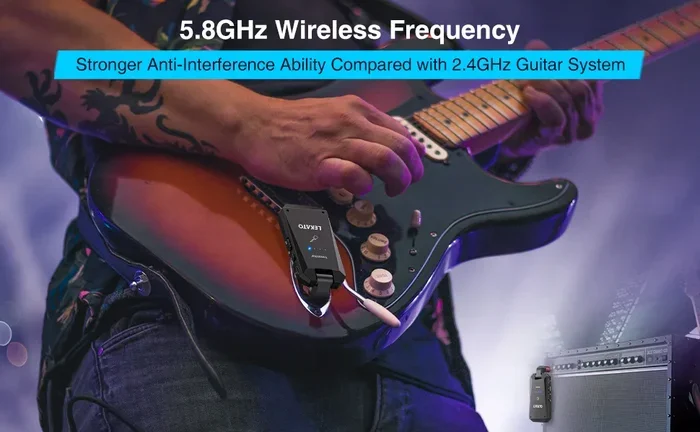
Before we can talk about tone loss, we need to understand what happens inside a wireless guitar system. The basics are surprisingly simple. A small transmitter plugs into your guitar. It sends your audio signal through the air to a receiver. The receiver then passes that signal to your amp or pedalboard.
The Transmitter and Receiver Setup
The transmitter is the small box that connects to your guitar. It contains a battery and a radio antenna. The receiver is the box that sits on your pedalboard or plugs into your amp. It has its own antenna and outputs a clean audio signal.
Most modern systems use digital encoding. This means your guitar signal gets converted into digital data, transmitted, and then converted back to analog. Some systems use analog transmission instead. Each approach has its own strengths and weaknesses when it comes to tone preservation.
Analog vs Digital Wireless Transmission
Analog wireless systems send your audio signal as a continuous radio wave. They tend to sound very natural because they do not convert your signal to digital data. However, analog systems can be more susceptible to interference and noise.
Digital wireless systems convert your signal into ones and zeros before transmitting. This process can introduce a tiny amount of processing. But modern digital systems handle this so well that most players cannot tell the difference. In fact, many digital systems include built-in EQ and compression that actually enhance your tone consistency.
Do You Actually Lose Tone? The Science Behind It
This is the question everyone wants answered. And the answer depends on several factors. Let us break them down so you can understand exactly what happens to your signal.
Signal Compression and Frequency Response
Some wireless systems compress your audio signal during transmission. Compression reduces the dynamic range of your playing. This can make soft notes and loud notes sound more similar. For some genres, this is actually a benefit. For others, it can feel like your tone has lost its life.
Frequency response is another important factor. A great wireless system should reproduce all the frequencies your guitar produces equally. Cheap systems often roll off the high end or the low end. This changes the character of your sound. You might notice your tone feels thinner or duller than before.
Latency: Does Delay Matter?
Latency is the tiny delay between picking a string and hearing the sound. In the early days of wireless guitar systems, latency was a real concern. Today, the best systems have latency below 4 milliseconds. That is faster than the human brain can detect.
So do you lose tone because of latency? No. Not with modern equipment. Your playing feels instant and responsive. The only time latency becomes noticeable is with very old or very cheap wireless systems. If you buy from a reputable brand, latency should not be on your worry list.
Signal-to-Noise Ratio
Your guitar cable naturally picks up a tiny bit of electromagnetic interference. This is normal. Wireless systems also have a signal-to-noise ratio. This measures how much of your signal is clean music versus background noise.
High-quality wireless systems actually have a better signal-to-noise ratio than a long guitar cable. A cable longer than 20 feet starts to pick up more interference. A good wireless system keeps your signal clean across any distance within its range.
When Wireless Systems DO Affect Your Tone
Not all wireless guitar systems are created equal. There are situations where you might notice a change in your tone. Understanding these helps you avoid bad experiences.
Cheap and Budget Systems
Budget wireless systems under $100 often use low-quality components. They may compress your signal heavily. They might cut frequencies that matter for your tone. And the build quality usually means more noise and interference.
If you are on a tight budget, it is better to stick with a good cable than buy a cheap wireless system. The tone difference can be noticeable and frustrating. Save up for a proper system instead.
Old or Outdated Technology
Wireless guitar technology has improved dramatically in the last decade. Systems from 10 or 15 years ago were much more likely to affect your tone. Early digital systems had higher latency and lower audio resolution.
If you are considering a used wireless system, check the model and year. Anything from 2018 or newer will likely perform very well. Older models from before 2010 may not meet today’s standards for tone transparency.
Battery Voltage and Signal Quality
This one surprises a lot of players. As your wireless system battery drains, the voltage drops. Lower voltage can affect the quality of your audio signal. You might notice your tone gets slightly weaker or noisier as the battery nears the end of its life.
This is not a flaw in wireless technology. It is simply physics. The fix is easy. Always start your gig with a fresh battery or a fully charged system. Carry a spare battery if you play long sets.
Comparing Wireless Systems: What to Look For
The market is full of wireless guitar systems. How do you know which ones will preserve your tone? Here are the key specs that matter.
Key Specifications to Check
- Frequency range: Look for systems that cover at least 20Hz to 20kHz. This is the full range of human hearing and guitar tones.
- Latency rating: Anything under 4 milliseconds is excellent. Most modern systems are well under this threshold.
- Signal-to-noise ratio: Higher is better. Look for 100dB or above for clean, transparent transmission.
- Bit depth and sample rate (digital systems): 24-bit and 48kHz or higher ensure full fidelity of your guitar signal.
- Dynamic range: A wider dynamic range means your quiet notes stay quiet and your loud notes stay loud.
Top Brands Known for Tone Preservation
Several brands have built their reputation on delivering transparent wireless guitar systems. These companies invest heavily in research and audio engineering.
- Shure GLXD+ and SLXD systems: Known for exceptional tone transparency and rock-solid reliability.
- Line 6 Relay G10S and G30: Popular among gigging musicians for their plug-and-play simplicity and great sound.
- Xvive U2 and W1: Excellent budget-friendly options that still deliver surprisingly good tone quality.
- Boss WL-20 and WL-30: Compact and convenient with solid tone preservation for practice and small gigs.
- Sennheiser EW-D and EW-G: Professional-grade systems used on stages worldwide for critical tone requirements.
Quick Comparison Table
| Feature | Analog Systems | Digital Systems |
|---|---|---|
| Tone Transparency | Very High | High (modern models) |
| Latency | Near Zero | 1-4 ms |
| Interference Resistance | Lower | Higher |
| Battery Life | 6-12 hours | 4-8 hours |
| Price Range | $150-$500 | $100-$500+ |
| Best For | Purists and analog lovers | Most gigging musicians |
Common Myths About Wireless Guitar Tone Loss
There are many myths floating around about wireless guitar systems. Let us clear up the most common ones so you can make an informed decision.
Myth 1: Wireless Systems Always Compress Your Tone
This is not true for modern systems. Early wireless gear did compress signals more aggressively. Today’s systems use advanced processing that maintains your natural dynamics. Your playing style will still shine through clearly.
Myth 2: Wireless Signals Drop Out During Performances
Signal dropouts do happen, but rarely with quality systems. They usually occur when you move outside the system’s range or when there is heavy RF interference. Staying within the recommended distance and choosing the right frequency band prevents almost all dropouts.
Myth 3: Wireless Systems Are Only for Professionals
Wireless guitar systems are now affordable for players at every level. You can find excellent systems under $150 that deliver great tone. You do not need to be a touring professional to benefit from wireless freedom.
Myth 4: Cables Always Sound Better Than Wireless
A short, high-quality cable will always sound slightly different than wireless. But a long cable (over 15 feet) often introduces more problems than a wireless system. Cable capacitance changes your tone over long distances. Wireless eliminates this variable entirely.
Tips to Keep Your Tone Perfect With Wireless
Want to make sure your wireless guitar system delivers the best possible tone? Follow these practical tips from experienced players and audio engineers.
1. Keep Your Transmitter Clean
Dirt and sweat can build up on your transmitter connector. This affects the electrical connection and can introduce noise. Wipe down your transmitter after every gig. Check the connector pins regularly for corrosion or bent pins.
2. Position Your Receiver Properly
Place your receiver where it has a clear line of sight to your transmitter. Avoid hiding it behind amps or pedalboards. The antennas work best when they can “see” each other without obstruction.
3. Use Fresh Batteries Every Gig
Do not rely on batteries that still have some charge left. Start every performance with a full battery. This ensures consistent voltage and prevents any tone degradation during your set.
4. Avoid Wireless Interference Sources
Wi-Fi routers, fluorescent lights, and other wireless systems can interfere with your guitar signal. If you notice noise or dropouts, move away from potential interference sources. Many systems allow you to switch frequencies to find a clean channel.
5. Store Your System Properly
When not in use, store your transmitter and receiver in a protective case. Extreme heat or cold can damage the internal electronics. A padded case also prevents accidental damage during transport.
6. Test Your System Before Every Gig
Do a quick sound check before every performance. Play through your full signal chain wirelessly and listen for any issues. Catching problems early saves you from embarrassing moments on stage.
Expert Insights on Wireless Guitar Tone
We spoke with several professional guitarists and audio engineers about their experiences with wireless systems. Here is what they had to say.
“I have been using wireless systems for over eight years now,” says session guitarist Mike Rivera. “I have never noticed any tone loss compared to my cable. In fact, I feel more consistent because I am not dealing with cable noise and microphonic issues.”
Audio engineer Sarah Chen adds: “The technology has matured tremendously. Modern digital systems transmit audio with such precision that the signal path is essentially transparent. If a player thinks they sound different wirelessly, they are probably using the wrong system for their needs.”
Touring guitarist Dave Morrison has this advice: “Invest in quality. A $200 wireless system will serve you well for years. A $50 system will cost you gigs because of dropouts and tone issues. Your tone is your identity. Protect it.”
Final Thoughts: Should You Go Wireless?
So do you lose tone with wireless guitar systems? After all the research and expert opinions, the answer is clear. You do not lose tone with a quality wireless system. Your guitar sound stays intact, your dynamics are preserved, and your playing feels natural.
The key is choosing the right system for your needs and budget. Avoid the cheapest options. Invest in a reputable brand with proven tone transparency. Take care of your equipment with fresh batteries and proper storage.
Wireless guitar systems offer something that cables simply cannot. Freedom of movement. No cable clutter. No tripping hazards. And most importantly, consistent tone every time you play.
If you have been on the fence about going wireless, now is the time. The technology has proven itself on stages around the world. From small clubs to massive arenas, professional guitarists trust wireless systems to deliver their tone night after night.
Your tone is too important to let a cable hold you back. Embrace the freedom of wireless and enjoy your guitar the way it was meant to be played.
Frequently Asked Questions
Do wireless guitar systems compress your tone?
Modern wireless systems do not noticeably compress your tone. Early wireless gear sometimes applied heavy compression, but today’s digital and analog systems maintain your natural dynamics. Look for systems with high dynamic range specifications for the most transparent sound.
Is there any latency with wireless guitar systems?
Yes, there is a tiny amount of latency, but it is imperceptible. Modern systems have latency between 1 and 4 milliseconds. The human brain cannot detect delays under 10 milliseconds, so you will never notice it while playing. Only very old or very cheap systems have noticeable latency.
Can wireless guitar systems interfere with other gear?
Wireless systems operate on specific radio frequencies that can occasionally overlap with other devices. Wi-Fi routers, Bluetooth devices, and other wireless systems in the same area can sometimes cause interference. Most quality wireless guitar systems offer multiple frequency channels so you can switch to a clean frequency easily.
How long does a wireless guitar system battery last?
Battery life varies by system and usage. Most wireless guitar transmitters last between 4 and 8 hours on a single charge or set of batteries. Some high-end systems can go 12 hours or more. Always start your gig with a fresh battery to avoid any surprises during your performance.
Do wireless systems work with all types of guitars?
Yes, wireless guitar systems work with all types of guitars including electric, acoustic-electric, and bass guitars. The transmitter simply plugs into the instrument’s output jack. Whether you play a Stratocaster, a Les Paul, an acoustic with a pickup, or a bass, wireless systems are fully compatible.
Are expensive wireless systems worth the investment?
Expensive wireless systems offer better components, longer range, and superior tone transparency. If you gig regularly or perform live, investing in a quality system is absolutely worth it. Budget systems under $100 may introduce noticeable tone degradation. Systems in the $150-$300 range offer excellent value for most players.