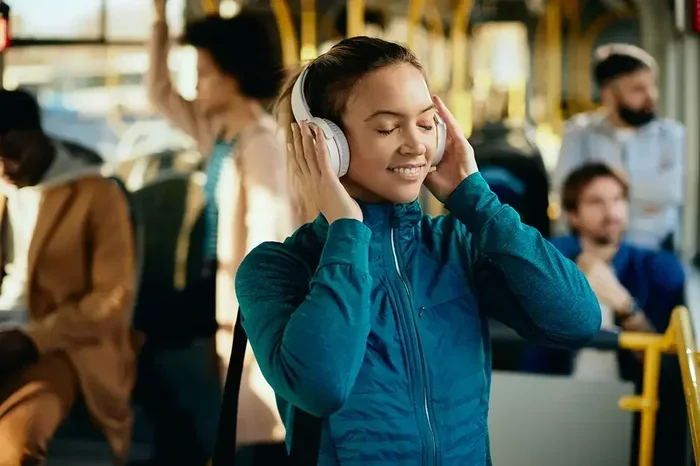
Do Noise Cancelling Headphones Really Block All Sound
Noise cancelling headphones reduce unwanted sound significantly, but they do not block every single noise. They work best on low-frequency sounds like engine hum and airplane noise, while high-pitched sounds like voices and sirens often get through. Understanding how these headphones work helps you set realistic expectations and enjoy a better listening experience.
Have you ever wondered whether noise cancelling headphones can truly silence the world around you? Maybe you bought a pair hoping to escape the loud chatter of a crowded office, the rumble of a train, or the drone of an airplane engine. And then you realized that some sounds still sneak through. You are not alone. This is one of the most common questions people ask about noise cancelling headphones.
The short answer is no. Noise cancelling headphones do not block all sound. They reduce a lot of unwanted noise, especially low-frequency sounds, but they cannot create a perfect silence bubble around your ears. Understanding how they work and what they can and cannot do will help you get the most out of your listening experience. Let us dive into the details.
Whether you are a frequent flyer, a commuter, or someone who just wants peace and quiet at home, this guide covers everything you need to know about noise cancelling headphones and their sound-blocking abilities. We will look at the technology, the limitations, and practical tips to help you block more noise.
Key Takeaways
- Noise cancelling headphones do not block all sound: they reduce background noise but cannot eliminate every sound completely.
- Active noise cancellation targets low-frequency sounds: engine noise, airplane hum, and air conditioning are blocked most effectively.
- High-frequency sounds still get through: voices, doorbells, and sudden sharp noises are harder to cancel.
- Fit and seal matter a lot: a poor fit dramatically reduces how well headphones block outside noise.
- Passive noise isolation works alongside ANC: the physical design of ear cups adds an extra layer of sound blocking.
- Transparency mode lets sound back in: this feature is intentional and designed for safety and awareness.
- Proper use and fit tips can boost noise blocking significantly: simple adjustments make a big difference.
📑 Table of Contents
- How Noise Cancelling Headphones Work
- What Sounds Can Noise Cancelling Headphones Block?
- Why Noise Cancelling Headphones Do Not Block Everything
- Noise Cancelling Headphones vs Regular Headphones
- Tips to Maximize Noise Blocking
- Common Mistakes People Make
- Expert Insights on Noise Cancellation
- Final Thoughts
How Noise Cancelling Headphones Work
To understand what noise cancelling headphones can and cannot block, you need to know how they work. There are two main ways headphones reduce sound. One is through technology, and the other is through physical design. Both play a role in how much outside noise you hear.
Active Noise Cancellation Explained
Active noise cancellation, often called ANC, uses built-in microphones to pick up outside sounds. The headphones then create a sound wave that is the exact opposite of the incoming noise. This process is called destructive interference. When the two sound waves meet, they cancel each other out. The result is a much quieter listening environment.
This technology works really well on steady, low-frequency sounds. Think of the constant hum of an airplane engine or the drone of a bus engine. These sounds are predictable and consistent, which makes them easy for ANC to handle. The headphones can quickly generate the opposite wave and reduce the noise significantly.
However, active noise cancellation struggles with sudden, sharp sounds. A door slamming, someone laughing, or a car horn are all hard for ANC to process in real time. The technology simply cannot react fast enough to cancel these unpredictable sounds completely.
Passive Noise Isolation Basics
Passive noise isolation is the physical blocking of sound through the design of the headphones. Over-ear headphones with padded ear cups create a seal around your ears. In-ear earbuds form a snug fit inside your ear canal. This physical barrier stops some sound from reaching your ears, no matter what.
Passive isolation works on all types of sound, not just low frequencies. It blocks high-pitched sounds better than ANC alone. Think of it like wearing earplugs. The tighter the seal, the more sound gets blocked. This is why fit is so important for noise cancelling headphones.
Together, active noise cancellation and passive isolation create a combined effect. They work as a team to reduce the overall noise you hear. But even together, they cannot block every single sound in every situation.
What Sounds Can Noise Cancelling Headphones Block?
Not all sound is the same. Different sounds have different frequencies, and noise cancelling headphones handle each frequency differently. Let us break down what they do well and where they fall short.
Low Frequency Sounds They Block Well
Noise cancelling headphones excel at blocking low-frequency sounds. These are the deep, steady rumbles that fill your environment. Common examples include:
- Airplane engine noise: one of the biggest reasons people buy ANC headphones. The constant low hum gets reduced by a lot.
- Train and subway rumble: the deep vibration of rails and engines is handled well by ANC.
- Air conditioning and fan noise: the steady drone of HVAC systems is a perfect target for noise cancellation.
- Traffic hum: the low roar of cars and trucks on a highway gets reduced noticeably.
- Office machinery: printers, computers, and HVAC systems in an office setting produce low-frequency noise that ANC tackles effectively.
For these types of sounds, noise cancelling headphones can reduce the volume by 20 to 30 decibels or more. That is a significant drop. It makes a huge difference in how peaceful your listening experience feels.
High Frequency Sounds They Struggle With
On the other side of the spectrum, noise cancelling headphones have a harder time with high-frequency sounds. These are the sharp, piercing, or sudden noises that sneak past ANC. Common examples include:
- Human voices: conversations, especially nearby ones, are hard to fully cancel. You may still hear people talking, even with ANC turned on.
- Sirens and alarms: the sharp, changing pitch of emergency sirens is very difficult for ANC to handle.
- Door slams and clicks: sudden, sharp sounds happen too fast for the technology to cancel them.
- Children crying or laughing: the unpredictable nature of these sounds makes them hard to block.
- Keyboard typing and mouse clicks: in an office, these quick high-frequency sounds often get through.
This does not mean these sounds are completely untouched. ANC reduces them somewhat. But compared to low-frequency noise, the reduction is much less noticeable. This is a fundamental limitation of the technology, not a flaw in the design.
Why Noise Cancelling Headphones Do Not Block Everything
Now that you know what they block well and what they struggle with, let us look at the bigger picture. Why can’t noise cancelling headphones block all sound? There are several reasons, and understanding them helps you manage your expectations.
The Role of Fit and Seal
The fit of your headphones is one of the biggest factors in how well they block sound. Even the best noise cancelling headphones in the world will underperform if they do not fit properly. Over-ear headphones need to form a tight seal around your ears. In-ear earbuds need to sit snugly in your ear canal.
If there are gaps between the ear cups and your head, or if the ear tips do not fill your ear canal, sound leaks in. This is called sound leakage, and it works both ways. It also means outside noise gets through more easily. A poor fit can cut the effectiveness of ANC by a large margin.
Hair, glasses, and facial hair can all interfere with the seal. Even the shape and size of your ears matter. This is why some people love a pair of headphones and others find the same pair disappointing. Fit is very personal.
Sound Leakage and Design Limitations
Every headphone design has its limits. The microphones that feed the ANC system need to pick up outside sound, and those same microphones can let some sound through in reverse. The speakers inside the headphones also have a physical limit to how much they can cancel.
Also, noise cancelling headphones work by creating an anti-noise signal. This signal is not perfect. There is always a tiny margin of error. Some sound gets through that the technology was not able to fully cancel. This is especially true for complex sounds that have many different frequencies mixed together.
Another limitation is that ANC requires power. Your headphones need battery charge to run the noise cancellation feature. If the battery dies, you lose ANC entirely and are left with only passive isolation. This is why battery life matters more than many people realize.
The Intentional Let-In: Transparency Mode
Many modern noise cancelling headphones include a feature called transparency mode or ambient mode. This mode intentionally lets outside sound in through the headphones. It is designed for safety and convenience. You can hear announcements at the airport, talk to someone without taking off your headphones, or stay aware of your surroundings while jogging.
If you have transparency mode turned on, your headphones are deliberately not blocking all sound. This is not a flaw. It is a feature. Make sure you know how to switch between ANC and transparency mode so you get the experience you want.
Noise Cancelling Headphones vs Regular Headphones
How do noise cancelling headphones compare to regular headphones without ANC? The difference can be dramatic, but it depends on the situation. Let us look at a side-by-side comparison.
| Feature | Noise Cancelling Headphones | Regular Headphones |
|---|---|---|
| Low-frequency noise reduction | Excellent (20-30 dB reduction) | Poor to moderate |
| High-frequency noise reduction | Moderate | Depends on fit |
| Battery required | Yes, for ANC | No |
| Passive isolation | Yes, through design | Yes, through design |
| Best for | Travel, noisy offices, commuting | Quiet environments, casual listening |
| Price range | Usually higher | Wider range |
| Sound leakage risk | Lower with good seal | Varies widely |
As you can see, noise cancelling headphones offer a clear advantage in noisy environments. They are worth the investment if you regularly deal with background noise. But in a quiet room, regular headphones can work just fine. The added cost of ANC makes the most sense when you actually need it.
Tips to Maximize Noise Blocking
Want to get the most out of your noise cancelling headphones? You can take several steps to boost their noise-blocking performance. These are simple tips that make a real difference.
Quick Tips for Better Noise Blocking
- Choose the right ear tips or ear pads: make sure they fit your ears snugly. Silicone or foam ear tips that match your ear canal size work best for in-ear models.
- Adjust the headband tension: for over-ear headphones, a snug but comfortable fit creates a better seal. You should feel gentle pressure around your ears.
- Keep your headphones clean: earwax and debris can break the seal. Wipe ear cups and clean ear tips regularly.
- Use ANC in noisy environments: turn on active noise cancellation when you are in loud places like planes, trains, or busy offices.
- Turn off ANC in quiet spaces: ANC uses battery and can sometimes add a faint hiss. In a quiet room, you may not need it.
- Try different ear tip sizes: many headphone kits come with multiple sizes. Experiment to find the one that gives the best seal.
- Keep batteries charged: low battery can weaken ANC performance. Keep your headphones powered up for the best results.
These small adjustments can significantly improve how well your headphones block outside sound. The difference between a good fit and a great fit is often surprising.
Common Mistakes People Make
Even the best noise cancelling headphones can disappoint if you make a few common mistakes. Here is what to watch out for.
- Expecting total silence: no headphone can block 100% of sound. Setting realistic expectations saves you from disappointment.
- Ignoring the fit: a loose fit is the number one reason ANC underperforms. Take the time to get a proper seal.
- Forgetting to turn on ANC: some headphones default to off. Check that noise cancellation is enabled before you start listening.
- Using the wrong ear tip size: too small or too large ear tips break the seal and let sound in.
- Neglecting battery maintenance: running on low battery means weaker ANC. Charge your headphones regularly.
- Not using a equalizer: some headphones let you adjust the sound profile. Boosting bass slightly can mask residual noise that gets through.
- Wearing headphones too loosely: even a small gap can let a surprising amount of noise enter. Adjust until you feel a consistent seal.
Avoiding these mistakes helps you get the most from your noise cancelling headphones and enjoy a much quieter listening experience.
Expert Insights on Noise Cancellation
Audio engineers and headphone designers often share the same message: noise cancelling headphones are powerful tools, but they are not magic. Dr. Floyd Toole, a well-known audio researcher, has noted that ANC works best on steady, predictable sounds. The technology is designed to handle consistent noise patterns, not random or sudden ones.
Another expert insight comes from the design world. Many high-end headphone brands focus heavily on fit and seal because they know it is the foundation of good noise blocking. Brands like Bose, Sony, and Apple invest heavily in both ANC technology and physical design. The best results come from the combination of both.
If you are shopping for new noise cancelling headphones, look for models that offer adjustable ANC levels. Some headphones let you control how much noise cancellation you want. This flexibility lets you adapt to different environments and get the best balance of noise blocking and awareness.
Also, consider the type of listening you do most. If you travel frequently, prioritize ANC performance and comfort for long sessions. If you work in an office, look for headphones with good mid-range noise reduction and a comfortable fit for hours of wear. Matching the headphones to your use case leads to better results.
Final Thoughts
Noise cancelling headphones are amazing tools that dramatically reduce unwanted background noise. They make travel quieter, workouts more focused, and work sessions more productive. But they do not block all sound. Low-frequency noise gets reduced the most, while high-frequency and sudden sounds still get through to some degree.
The key is to understand what your headphones can do and work with their strengths. Get a good fit, keep your batteries charged, and use the right mode for the right situation. When you do, you will be amazed at how much quieter your world becomes.
So the next time someone asks you, “Do noise cancelling headphones block all sound?” you can give them an honest, informed answer. They block a lot, but not everything. And that is perfectly okay. The goal is not perfect silence. The goal is a better, more enjoyable listening experience. And noise cancelling headphones deliver on that promise every single day.
Take what you have learned here, try the tips, and enjoy the difference. Your ears will thank you.
Frequently Asked Questions
Can noise cancelling headphones block human voices completely?
No, noise cancelling headphones cannot block human voices completely. Voices are mid-to-high frequency sounds that ANC handles less effectively. You will still hear some talking, especially if it is close by. However, ANC does reduce the volume of voices enough to make them less distracting in most cases.
Do noise cancelling headphones work without music playing?
Yes, noise cancelling headphones work even when no music is playing. The ANC feature runs independently of the audio source. You can turn on noise cancellation and just enjoy the quiet. This is a great way to reduce background noise during work, reading, or relaxation time.
Are noise cancelling headphones safe for your ears?
Yes, noise cancelling headphones are generally safe for your ears. In fact, they can be safer than regular headphones because you do not need to raise the volume as high to hear your music over background noise. Lower listening volumes mean less risk of hearing damage over time.
Why do noise cancelling headphones make a hissing sound?
Some noise cancelling headphones produce a faint hissing sound when ANC is turned on. This is called “ANC hiss” and it happens because the noise cancellation system generates the anti-noise signal. The hiss is usually very quiet and most people get used to it quickly. Higher-end models tend to have less noticeable hiss.
Can you use noise cancelling headphones while sleeping?
It is possible but not always comfortable. Over-ear noise cancelling headphones can be bulky for sleeping. In-ear earbuds with ANC are a better option for side sleepers. They are smaller and more comfortable for extended wear. Look for models designed specifically for sleep if that is your goal.
How much noise do noise cancelling headphones actually block?
Noise cancelling headphones typically reduce low-frequency noise by 20 to 30 decibels. This is a significant reduction that makes loud background sounds much quieter. The exact amount depends on the headphone model, the fit, and the type of noise you are trying to block.
=== CONCLUSION ===
Noise cancelling headphones are one of the best investments you can make for a quieter, more enjoyable audio experience. They do not block every single sound, but they reduce a lot of unwanted noise, especially the low-frequency hums and rumbles that bother us the most. By understanding how they work, managing your expectations, and following the tips in this guide, you can get the most out of your headphones.
Remember that fit matters, battery matters, and choosing the right mode for the right situation makes all the difference. Whether you are on a plane, in a busy office, or relaxing at home, noise cancelling headphones bring you closer to the peaceful listening experience you deserve. Use them wisely, and enjoy the quiet.