Did Bluetooth Exist In 2005 And How It Changed Everything
Yes, Bluetooth did exist in 2005 and was already reshaping how people connect devices wirelessly. By 2005, Bluetooth 2.0 had launched, bringing faster data transfer and broader device support. This year marked a turning point for wireless connectivity, making headsets, file sharing, and hands-free calling mainstream.
Did Bluetooth exist in 2005? The short answer is a clear yes. By 2005, Bluetooth was no longer a new experiment. It had become a standard feature in phones, laptops, and accessories. This year marked a huge shift in how people used wireless technology every day. The wireless revolution was already in full swing, and Bluetooth was at the center of it all.
If you lived through 2005, you probably remember the rise of Bluetooth headsets. Suddenly, people walked around talking to invisible friends. The technology felt futuristic, yet it was practical and affordable. Bluetooth 2.0 had just arrived, bringing better speed and reliability. Wireless connectivity was no longer a luxury. It was becoming the norm.
Key Takeaways
- Bluetooth was fully alive in 2005: The technology had been around since the late 1990s and was widely adopted by 2005.
- Bluetooth 2.0 arrived just before 2005: This version brought faster speeds and better energy efficiency to wireless connections.
- Headsets and hands-free devices exploded in popularity: People finally ditched wired earpieces for Bluetooth headsets.
- File sharing became wireless: Bluetooth enabled easy data transfer between phones, laptops, and PDAs without cables.
- 2005 was a turning point for wireless freedom: This year set the stage for the connected world we live in today.
- Many everyday gadgets relied on Bluetooth by 2005: From printers to car kits, the tech was everywhere.
- Understanding Bluetooth in 2005 helps us appreciate modern wireless tech: The foundation was laid right then.
📑 Table of Contents
- What Was Bluetooth Like in 2005?
- How Bluetooth Changed Communication in 2005
- Bluetooth File Sharing in 2005
- The Role of Bluetooth in Gadgets and Accessories
- What Devices Used Bluetooth in 2005?
- How Bluetooth in 2005 Set the Stage for Today
- Quick Tips for Using Bluetooth in 2005
- Expert Insights: Why 2005 Was a Turning Point for Bluetooth
- Conclusion
What Was Bluetooth Like in 2005?
By 2005, Bluetooth had been around for about seven years. The technology first appeared in 1998 and was officially launched in 1999. But it took several years for the wireless standard to gain real traction. Early Bluetooth versions were slow and limited. Devices often had trouble pairing, and the range was short. But by 2005, things had improved dramatically.
The Bluetooth specification had evolved significantly. Version 2.0 came out in late 2004, and it brought Enhanced Data Rate, or EDR. This meant faster wireless data transfer speeds. Devices could now send files, share contacts, and sync data much more quickly. The short-range wireless technology was finally living up to its promise.
Bluetooth 2.0: The Game Changer
Bluetooth 2.0 was a big deal. It offered data transfer speeds up to three times faster than version 1.2. This made wireless file sharing actually useful. You could now send photos, contacts, and small files between devices without plugging in a cable. The Bluetooth protocol became more stable and reliable too.
Version 2.0 also introduced better power management. Devices used less battery while maintaining a strong connection. This was crucial for mobile phones and portable gadgets. The improved wireless pairing process meant fewer frustrating connection attempts. More manufacturers started building Bluetooth enabled devices into their products.
How Common Was Bluetooth in 2005?
By 2005, Bluetooth was everywhere in the mobile world. Most mid-range and high-end phones came with built-in Bluetooth support. The wireless revolution was well underway. People were buying Bluetooth headsets in record numbers. The sight of someone wearing a wireless earpiece was no longer unusual. It had become a normal part of daily life.
Laptops also started featuring Bluetooth more regularly. Some printers and cameras added wireless connectivity through Bluetooth. Car manufacturers began offering Bluetooth car kits as standard or optional features. The device connectivity options expanded fast. Wireless freedom was becoming a real expectation, not just a cool tech novelty.
How Bluetooth Changed Communication in 2005
The biggest impact of Bluetooth in 2005 was on personal communication. The hands-free calling experience changed forever. People could talk on the phone while driving, walking, or cooking. The wired earpiece started to fade away. Bluetooth headsets offered real freedom of movement.
Businesses benefited greatly from this shift. Salespeople, delivery drivers, and professionals on the go could stay connected without holding a phone. The wireless audio experience also improved. Music players and phones could stream audio to wireless earbuds and speakers. This opened up new possibilities for how people consumed media on the go.
The Rise of the Bluetooth Headset
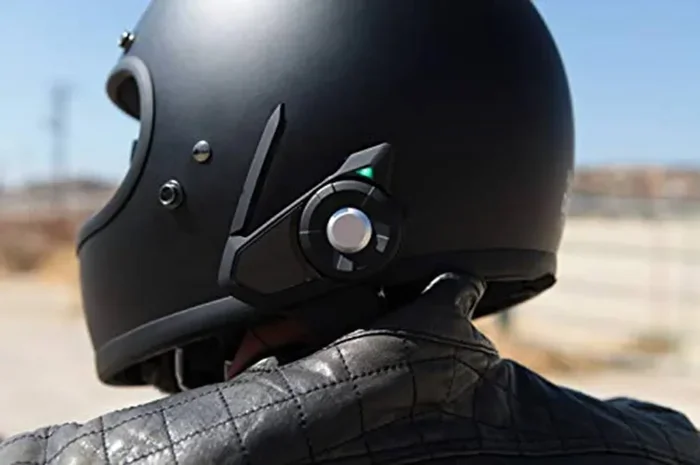
In 2005, the Bluetooth headset became a fashion statement as much as a tool. Brands like Plantronics, Jabra, and Motorola released popular models. Some headsets were small and discreet. Others were bulkier but offered longer battery life. The wireless earpiece market grew rapidly during this period.
People started choosing headsets based on comfort, battery life, and sound quality. The wireless connectivity between phone and headset became seamless. You just paired them once, and they connected automatically. This simplicity drove adoption. More people bought Bluetooth headsets every month. The wireless standard was proving its value in everyday use.
Hands-Free Calling and Safety
Hands-free calling became a major selling point for phones in 2005. Many regions started considering laws against holding phones while driving. Bluetooth headsets offered a legal and safe alternative. The Bluetooth car kit became a popular accessory. These kits let drivers answer calls through their car speakers.
The safety benefits were clear. Drivers could keep their hands on the wheel and eyes on the road. Passengers could also use Bluetooth headsets for private conversations. The wireless technology was making communication safer and more convenient. This practical benefit helped Bluetooth gain widespread acceptance.
Bluetooth File Sharing in 2005
Before Bluetooth, sharing files between devices was a hassle. You needed cables, infrared ports, or removable storage cards. Bluetooth changed this completely. In 2005, Bluetooth data transfer became a common way to share files between phones and computers. The process was simple and cable-free.
You just enabled Bluetooth on both devices. You paired them by confirming a short code. Then you could send photos, contacts, and documents. The wireless file sharing experience was not perfect. It was slower than USB connections. But the convenience outweighed the speed difference for many users.
How Bluetooth File Transfer Worked
The Bluetooth pairing process was straightforward. First, you made both devices visible. Then you searched for nearby devices. You selected the device you wanted to connect to. A pairing code appeared on both screens. You confirmed the code, and the connection was established.
Once paired, devices remembered each other. You did not need to repeat the process every time. This made Bluetooth enabled devices much more practical for daily use. You could share files, sync calendars, and exchange contacts with ease. The short-range wireless connection handled the rest.
Limitations of Bluetooth File Sharing
Bluetooth file sharing in 2005 had its limits. The transfer speed was slower than cable connections. Large files like videos took a long time to send. The range was typically around 10 meters, or about 30 feet. Walls and obstacles could weaken the signal. Despite these limits, the convenience was undeniable.
Many users also dealt with compatibility issues. Not all devices paired smoothly. Some phones had different Bluetooth protocol implementations. This could lead to connection failures. But overall, the benefits of wireless connectivity far outweighed the frustrations. People embraced the technology quickly.
The Role of Bluetooth in Gadgets and Accessories
By 2005, Bluetooth was no longer limited to phones. A wide range of gadgets and accessories used the wireless technology. Printers, keyboards, mice, and speakers all started featuring Bluetooth support. The device connectivity options expanded well beyond voice calls.
Wireless keyboards and mice became popular for desktop computers. Users loved the freedom of not being tethered to their desk. Bluetooth printers allowed printing from laptops and phones without cables. The wireless revolution was spreading to every corner of the tech world.
Bluetooth in Music and Audio
Wireless audio was one of the most exciting areas for Bluetooth in 2005. People could stream music from their phones to wireless speakers and headsets. The Bluetooth audio quality was decent but not perfect. Compression reduced the audio fidelity slightly. Still, the convenience of going wireless was a huge draw.
Music players like the iPod started getting Bluetooth adapters. Users could finally ditch the wired headphones. The wireless freedom experience was transformative. You could move around your room while listening to music. This simple change felt like magic at the time.
Bluetooth in Cars and Navigation
Car manufacturers began integrating Bluetooth into their vehicles in 2005. Bluetooth-enabled cars allowed drivers to make calls through the car’s audio system. GPS navigation devices also started using Bluetooth for directions and updates. The Bluetooth car kit market grew rapidly.
Some cars came with built-in Bluetooth support from the factory. Others needed an aftermarket kit installed. Either way, the result was the same. Drivers could stay connected and navigate without holding a phone. The wireless standard was making driving safer and more convenient.
What Devices Used Bluetooth in 2005?
The list of Bluetooth enabled devices grew quickly in 2005. Almost every new phone came with Bluetooth built in. Laptops, printers, and cameras followed suit. The wireless connectivity trend was accelerating. Here is a look at the common devices that used Bluetooth during this period.
- Mobile phones: Nearly all smartphones and feature phones included Bluetooth by 2005.
- Bluetooth headsets: The most popular Bluetooth accessory of the year.
- Laptops and desktops: Many computers added Bluetooth for wireless peripherals.
- Printers: Bluetooth-enabled printers allowed wireless printing from mobile devices.
- Digital cameras: Some cameras used Bluetooth to transfer photos to phones and computers.
- Car kits and navigation systems: Hands-free calling and GPS updates became wireless.
- Game controllers: Some gaming accessories adopted Bluetooth for wireless play.
- Keyboards and mice: Wireless input devices became mainstream thanks to Bluetooth.
The variety of devices using Bluetooth 2.0 and later versions showed how versatile the technology was. It was not just for phone calls anymore. Bluetooth was becoming a universal wireless standard for device-to-device communication.
How Bluetooth in 2005 Set the Stage for Today
The Bluetooth ecosystem in 2005 laid the groundwork for the connected world we live in today. The wireless technology was still young, but it was growing fast. The lessons learned during this period shaped future versions of Bluetooth. Every new version built on the foundation established in 2005.
Bluetooth 3.0 came out in 2009, offering even faster speeds. Bluetooth 4.0 introduced Low Energy, or BLE, in 2010. This made Bluetooth suitable for fitness trackers and smartwatches. Today, Bluetooth 5.0 and beyond power smart homes, audio devices, and IoT gadgets. All of this traces back to the wireless standard that was thriving in 2005.
The Bluetooth Version Timeline
Understanding the Bluetooth version history helps put 2005 in perspective. Each version brought meaningful improvements to wireless connectivity. Here is a quick look at the major milestones.
- Bluetooth 1.0 and 1.1 (1999-2001): The first versions were buggy and had limited range and speed.
- Bluetooth 1.2 (2003): Introduced better interference handling and faster connections.
- Bluetooth 2.0 (2004): Brought Enhanced Data Rate for faster wireless data transfer.
- Bluetooth 2.0+EDR (2004-2005): The version available in 2005 with improved speeds and efficiency.
- Bluetooth 2.1 (2007): Simplified pairing and improved security.
- Bluetooth 3.0 (2009): Added High Speed mode using Wi-Fi for faster transfers.
- Bluetooth 4.0 (2010): Introduced Low Energy for battery-efficient devices.
The Bluetooth protocol has come a long way since those early days. But the core idea remained the same. Bluetooth in 2005 proved that wireless connectivity could be practical and useful. It showed the world that going wireless was the future.
Common Mistakes People Made with Bluetooth in 2005
Not everyone used Bluetooth correctly in 2005. Some common mistakes slowed adoption and caused frustration. Understanding these pitfalls helps us appreciate how far the technology has come.
- Leaving Bluetooth on all the time: This drained phone batteries faster. Many users did not know how to manage Bluetooth settings properly.
- Forgetting to pair devices: People tried to transfer files without pairing first. This led to confusion and failed transfers.
- Ignoring range limits: Bluetooth has a short range. Users expected it to work across entire houses, which it could not reliably do in 2005.
- Using incompatible devices: Not all Bluetooth devices worked well together. Version mismatches caused connection problems.
- Overlooking security settings: Some users left their devices discoverable at all times. This created potential security risks.
These mistakes were common but easy to avoid with a little knowledge. The Bluetooth pairing process was simpler than many people thought. Once you understood the basics, wireless connectivity became second nature.
Quick Tips for Using Bluetooth in 2005
If you were using Bluetooth in 2005, these tips helped get the best experience. The wireless technology worked best when used correctly. Follow these simple guidelines for smoother connections and better results.
- Keep devices close: Stay within 10 meters for the best connection quality.
- Turn off Bluetooth when not in use: This saved battery life on phones and headsets.
- Update your firmware: Some devices had firmware updates that improved Bluetooth compatibility.
- Pair in a quiet environment: Background interference could disrupt the pairing process.
- Restart devices if connections fail: A simple restart often fixed pairing issues.
- Check for version compatibility: Make sure both devices supported the same Bluetooth specification.
- Use official accessories: Third-party headsets sometimes had pairing problems with certain phones.
These tips made a big difference in the wireless audio and data transfer experience. They also helped extend battery life and reduce frustration. Even small adjustments improved the overall device connectivity with Bluetooth.
Expert Insights: Why 2005 Was a Turning Point for Bluetooth
Industry experts point to 2005 as a pivotal year for Bluetooth technology. The wireless standard had matured enough to be truly useful. But it was still early enough to feel exciting and innovative. This combination of reliability and novelty drove massive adoption.
According to market analysts, Bluetooth headset sales surged in 2005. The wireless revolution was no longer just a tech trend. It was becoming a consumer expectation. People wanted wireless connections in every device they bought. Manufacturers listened and started making Bluetooth a standard feature.
The Bluetooth specification improvements in version 2.0 were critical. Faster data rates and better power management made the technology practical for daily use. The short-range wireless technology was finally delivering on its early promises. 2005 was the year Bluetooth stopped being a novelty and started being a necessity.
Conclusion
Did Bluetooth exist in 2005? Absolutely, and it was thriving. The wireless technology had evolved from a niche feature to a mainstream standard. Bluetooth 2.0 brought faster speeds and better reliability. Headsets, file sharing, and hands-free calling became everyday realities. The wireless connectivity we take for granted today was built on the foundation laid in 2005.
This year marked a turning point in the wireless revolution. People discovered the freedom of going cable-free. Devices connected more easily than ever before. The Bluetooth enabled devices ecosystem expanded rapidly. From phones to cars to music players, Bluetooth was everywhere.
Looking back, 2005 was a remarkable year for Bluetooth wireless technology. The improvements made then directly influenced the versions we use today. Every Bluetooth headset you wear, every file you send wirelessly, and every car you connect to your phone owes something to the breakthroughs of 2005. The wireless standard was here to stay, and it all started growing in earnest that year.
If you ever wondered about the history of your favorite wireless gadgets, remember 2005. It was the year Bluetooth truly changed everything. The device connectivity revolution was underway, and it has only accelerated since then. Embrace the wireless world that Bluetooth helped create.
Frequently Asked Questions
Was Bluetooth available on most phones in 2005?
Yes, by 2005 most mid-range and high-end phones included Bluetooth as a standard feature. The wireless standard had become so common that many consumers expected it on every new phone they bought.
What version of Bluetooth was available in 2005?
Bluetooth 2.0 and 2.0+EDR were the versions available in 2005. These offered faster data transfer speeds and improved power efficiency compared to earlier versions. The Bluetooth specification had matured significantly by this point.
Could you share files between phones using Bluetooth in 2005?
Yes, Bluetooth file sharing was one of the most common uses in 2005. You could send photos, contacts, and documents between phones wirelessly. The process was simple and did not require any cables or extra software.
Did Bluetooth headsets work well in 2005?
Bluetooth headsets worked well in 2005 for voice calls and basic audio. Sound quality was decent but not audiophile-grade. The convenience of wireless connectivity made up for any minor audio limitations. Sales of Bluetooth headsets were booming that year.
How far could Bluetooth reach in 2005?
The typical range for Bluetooth in 2005 was about 10 meters, or roughly 30 feet. Some Class 1 devices offered longer range, but most consumer gadgets used Class 2. The short-range wireless technology was perfect for personal device connections.
Did Bluetooth drain phone batteries in 2005?
Yes, leaving Bluetooth on could drain phone batteries faster in 2005. The Bluetooth protocol was not as power-efficient as modern versions. However, Bluetooth 2.0 introduced better power management that helped reduce battery drain compared to earlier versions.
=== META DESCRIPTION ===
Discover if Bluetooth existed in 2005 and how this wireless technology transformed gadgets, communication, and everyday life. A deep dive into the Bluetooth revolution.