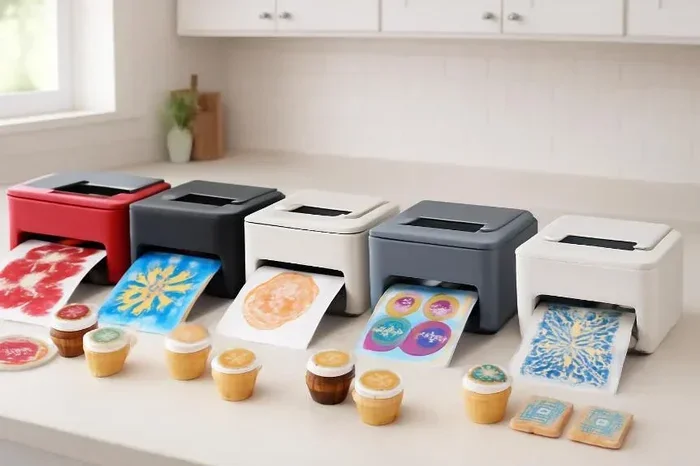
Can I Print Edible Paper At Home And Start Printing
Yes, you can print edible paper at home with the right equipment and a little patience. This guide walks you through everything from choosing a food-grade printer to applying beautiful edible designs on cakes and cookies. Whether you are a home baker or a creative hobbyist, edible paper printing opens up a world of custom cake decorating possibilities right in your kitchen.
Have you ever wondered if you can print edible paper at home and create stunning designs for your cakes and cookies? The answer is a resounding yes. Edible paper printing has become incredibly popular among home bakers, cake decorators, and creative food enthusiasts. You do not need a professional kitchen or expensive equipment to get started. With the right tools and a bit of curiosity, you can produce beautiful, food-safe prints that will wow your friends and family.
Imagine placing a custom photo or colorful design right on top of a birthday cake. Picture decorating a batch of sugar cookies with edible images that look like they came from a fancy bakery. Home edible printing makes all of this possible. In this guide, we will walk you through everything you need to know. From choosing the right printer to applying your finished designs, we have got you covered. Let us dive in and explore the wonderful world of edible paper printing at home.
Key Takeaways
- Home edible printing is absolutely possible: You need a compatible printer, edible ink cartridges, and the right paper type like wafer paper or icing sheets.
- Equipment matters a lot: Not all printers work for food-safe printing. Inkjet printers with edible ink are the most popular choice for home use.
- Preparation is key: Proper design setup, paper handling, and printing environment all affect the quality of your edible prints.
- There are many creative uses: From cake toppers to cookie decorations and party favors, printable edible paper adds a personal touch to any baked good.
- Avoid common mistakes: Using regular ink, ignoring humidity, and handling paper with wet hands can ruin your edible prints.
- Edible paper is safe to eat: It is made from food-grade materials and is designed to be consumed as part of your dessert.
- Start simple and experiment: Begin with basic designs and simple cookies before moving on to complex cake decorations.
📑 Table of Contents
- What Is Edible Paper and Why Is It So Popular?
- Can I Print Edible Paper At Home? The Complete Guide
- Equipment and Supplies You Will Need
- Step-by-Step: How to Print Edible Paper at Home
- Creative Uses for Printable Edible Paper
- Common Mistakes to Avoid When Printing Edible Paper
- Expert Tips for Stunning Edible Prints
- Conclusion
What Is Edible Paper and Why Is It So Popular?
Understanding Edible Paper Types
Edible paper is a thin, food-safe sheet that you can print on using special edible inks. It is made from ingredients like potato starch, sugar, or plant-based fibers. The most common types include wafer paper, icing sheets, and sugar paper. Each type has its own unique texture and printing qualities.
Wafer paper is the most popular choice for home use. It is lightweight, dry, and easy to handle. Icing sheets, also called sugar sheets, have a slightly sweet taste and a smoother surface. They work great for cake toppers and cookie decorations. Sugar paper is another option that dissolves quickly on moist surfaces like frosting.
All of these options are completely food-safe. They are made from ingredients that are safe to consume. You do not need to worry about chemicals or harmful substances. That is what makes food-safe printing at home so appealing to bakers of all skill levels.
Why People Love Edible Printing
Custom cake design has exploded in popularity over the last few years. Social media is full of incredible edible images on cakes, cupcakes, and cookies. People want to create personalized treats for birthdays, weddings, holidays, and special events. Edible image transfer allows anyone to turn a photo or design into a real food decoration.
The best part is that you do not need artistic skills. If you can operate a printer, you can create amazing edible designs. Home baking projects like this let you express your creativity without years of practice. Whether you are decorating a child’s birthday cake or making custom cake topper printing designs, the results can be truly impressive.
Can I Print Edible Paper At Home? The Complete Guide
The Truth About Home Edible Printing
Can I print edible paper at home? Absolutely. Many people do it every single day. The process is simpler than you might think. You need three main things: a compatible printer, edible ink cartridges, and edible paper sheets. Once you have those, you are ready to start creating.
Food-grade printing works similarly to regular printing. You load edible paper into your printer, install edible ink cartridges, and send your design to the printer. The printer applies the edible ink onto the paper just like it would on regular paper. The difference is that the ink and paper are both safe to eat.
Most people use inkjet printers for edible printing. These printers spray tiny droplets of edible ink onto the paper. They produce vibrant colors and sharp details. Laser printers are generally not recommended for edible paper because they use heat to fuse the toner, which can affect the paper and the ink quality.
What You Can and Cannot Do
There are some things to keep in mind when printing edible paper at home. You cannot use regular printer ink. Regular ink contains chemicals that are not safe to eat. You must use edible ink cartridges that are specifically labeled as food-grade. These inks are made from ingredients like water, sugar, and food colorings.
You also need to make sure your printer is clean and free of any non-edible ink residue. If you have been printing regular documents on the same printer, you should clean it thoroughly before using it for edible printing. This ensures that your homemade edible prints are completely safe to consume.
Another thing to consider is printer compatibility. Not all printers work well with edible paper. Some printers feed paper differently, and edible paper is thinner than regular paper. You may need to adjust your printer settings or use a manual feed option. We will cover this in more detail in the equipment section.
Equipment and Supplies You Will Need
Choosing the Right Printer
Your printer is the most important piece of equipment for edible paper printing. Most home bakers use inkjet printers because they work well with edible paper and edible inks. Popular models include the Canon PIXMA series and the Epson EcoTank line. These printers are affordable and produce excellent print quality.
When choosing a printer, look for one that handles thin paper well. Printer compatibility is essential because edible paper is much thinner than regular paper. Some printers may jam or feed the paper unevenly. Reading reviews and checking specifications before buying will save you a lot of frustration.
You do not need an expensive printer to get great results. A basic inkjet printer with good color resolution will work perfectly for most edible paper printing projects. Focus on finding a model that handles thin media well and produces vibrant colors.
Essential Accessories
Beyond the printer, you need a few key supplies. Edible ink cartridges are the most important. These come in standard sizes that fit most inkjet printers. You can buy them online or from specialty baking supply stores. Look for cartridges that are specifically labeled as food-safe and edible.
Edible paper sheets are your printing medium. You can buy them in various sizes to fit your printer. Most sheets are standard letter or A4 size. Wafer paper is the most versatile and beginner-friendly option. It is affordable, easy to find, and works with most printers.
You will also want a few extra tools. Tweezers help you handle the delicate paper without tearing it. A soft brush can be used to gently press the paper onto frosting or cookies. A clean, dry workspace is essential for keeping your food printer accessories and paper free from moisture and contamination.
Quick Tips for Equipment Setup
- Use a dedicated printer for edible printing if possible. This avoids any cross-contamination from regular ink.
- Store edible paper in a cool, dry place. Moisture is the enemy of edible paper and can ruin your sheets.
- Keep edible ink cartridges sealed when not in use. They can dry out quickly if left open.
- Test print on regular paper first to make sure your design looks right before printing on edible paper.
- Clean your printer rollers regularly to prevent paper jams and ensure smooth feeding.
Step-by-Step: How to Print Edible Paper at Home
Preparing Your Design
Before you start printing, you need a design. You can create your own using free tools like Canva or GIMP. Many people also find pre-made templates online for custom cake design and cookie decorating. Your design should be high resolution for the best results. Aim for at least 300 DPI to ensure sharp, clear prints.
Keep in mind that edible paper has a white or translucent base. Dark designs on light paper work best. If you want a full-color photo print, make sure the image has good contrast and vibrant colors. Food-safe printing looks its best when the design is optimized for the edible medium.
Save your design as a JPEG or PNG file. These formats work well with most printers and maintain good image quality. Avoid using vector files unless your printer specifically supports them. Once your design is ready, you are ready to load the paper and start printing.
Loading and Printing
Take a sheet of edible paper sheets and carefully load it into your printer. Most printers have a rear feed tray or a manual feed slot that works well with thin paper. Place the edible paper with the printable side facing up (or down, depending on your printer model). Check your printer manual if you are unsure.
Before printing your final design, do a test run on a spare sheet. This helps you check the colors, alignment, and paper feeding. Edible paper printing can be a bit tricky at first, so do not be discouraged if your first few prints are not perfect. Adjust your printer settings as needed. You may need to reduce the print quality slightly or change the paper type setting to “thin paper” or “transparency.”
Once you are happy with the test print, go ahead and print your final design. Let the print dry completely before handling it. Edible ink usually dries within a few minutes, but humidity and paper thickness can affect drying time. Sugar sheet printing and wafer paper both benefit from a few minutes of drying time before application.
Applying the Edible Print
Applying your printed edible paper is the most rewarding part of the process. For cakes, place the print directly on top of smooth, freshly applied frosting. The paper will stick to the frosting on its own. For cookies, gently place the print on top of royal icing or melted chocolate that has cooled slightly but is still tacky.
Use tweezers or clean, dry hands to position the paper carefully. Smooth out any air bubbles gently with a soft brush or your fingers. The paper will adhere to the surface and stay in place. If you are placing the print on a moist cake, make sure the frosting is thick enough to hold the paper without soaking through too quickly.
Edible image transfer works best on surfaces that are not too wet. Very moist cakes or juicy fruits can cause the paper to dissolve or bleed. For the best results, apply your prints to surfaces that have a slight tackiness but are not dripping wet. This gives you time to position the paper perfectly before it sets.
Creative Uses for Printable Edible Paper
Cakes and Cupcakes
Cake decorating is one of the most popular uses for printable edible paper. You can create custom cake toppers with photos, names, or fun designs. Birthday cakes, wedding cakes, and holiday cakes all look amazing with personalized edible prints. The process is simple and the results look professional.
Cupcakes are another great canvas for edible paper printing. Cut your printed sheets into small squares or circles and place them on top of each cupcake. You can match designs to party themes, color schemes, or special occasions. Kids especially love cupcakes with their favorite characters or photos printed right on top.
Cookies and Biscuits
Cookie decorating takes on a whole new dimension with edible paper prints. Sugar cookies, shortbread cookies, and gingerbread all accept edible paper beautifully. Place the print on top of a layer of royal icing for a clean, professional look. You can create matching cookie sets for parties, gifts, or wedding favors.
Wafer paper cookies are a trend that has taken the baking world by storm. You can print intricate designs, patterns, or even photos onto wafer paper and apply them to cookies. The paper adheres well to icing and adds a delicate, elegant touch. This is a fantastic way to elevate your home baking projects and impress your guests.
Party Favors and Decorations
Printable edible paper is not just for cakes and cookies. You can use it to create custom party favors, dessert table decorations, and sweet treat labels. Print small images or messages on edible paper and attach them to favor bags, boxes, or individual treats. This adds a personal and creative touch to any event.
Wedding cakes and anniversary celebrations benefit greatly from custom cake design with edible prints. You can print couple photos, wedding dates, or heartfelt messages. The possibilities are endless. Food printer accessories and edible paper make it easy to create keepsake-quality decorations right from your home kitchen.
Common Mistakes to Avoid When Printing Edible Paper
Using the Wrong Ink
The biggest mistake people make is using regular printer ink. Regular ink is not food-safe and can contain harmful chemicals. Always use edible ink cartridges that are specifically designed for food printing. This is non-negotiable if you want your prints to be safe to eat.
Another common error is not checking the ink expiration date. Edible ink can degrade over time, leading to poor print quality or off-colors. Always use fresh ink cartridges and store them properly. If your prints look faded or blurry, the ink might be the problem.
Ignoring Printer Compatibility
Not all printers handle edible paper well. Some printers apply too much pressure, tearing the delicate paper. Others feed the paper crookedly, ruining your print alignment. Before committing to a large print job, always test with a few sheets first.
Humidity is another hidden enemy. Edible paper absorbs moisture from the air, which can cause it to warp, wrinkle, or dissolve before you even print on it. Store your paper in an airtight container with desiccant packets. Keeping your workspace dry and climate-controlled will dramatically improve your results.
Handling Paper with Wet Hands
This might seem obvious, but it happens more often than you would think. Edible paper is extremely thin and sensitive to moisture. If your hands are wet or even slightly damp, the paper can stick, tear, or dissolve. Always make sure your hands are completely dry before handling edible paper sheets.
Similarly, do not place edible paper near steam, hot surfaces, or open flames. The paper is designed to be dry and crisp. Excessive heat or moisture will ruin it quickly. Treat your edible paper with care, and it will reward you with beautiful, professional-looking results.
Expert Tips for Stunning Edible Prints
Experienced bakers and cake decorators have shared some valuable tips over the years. First, always design your artwork at the exact size you need. Do not print a large design and then try to shrink it down. This can cause pixelation and loss of detail. Match your canvas size in your design software to the edible paper sheet size.
Second, invest in good-quality edible paper. Cheaper papers may seem like a bargain, but they often feed through printers poorly and produce dull colors. Quality wafer paper and icing sheets from reputable brands make a noticeable difference in the final result.
Third, practice makes perfect. Your first few attempts might not be flawless, and that is okay. Print test designs, experiment with different settings, and learn how your specific printer handles edible paper. Over time, you will develop a workflow that produces consistent, beautiful results every time.
Finally, have fun with it. Edible paper printing is a creative hobby that brings joy to both the maker and the people who get to enjoy the treats. Try different designs, experiment with colors, and push your creativity. The more you practice, the better your homemade edible prints will become.
Conclusion
Can I print edible paper at home? Yes, you absolutely can, and now you know exactly how. Edible paper printing is an accessible, fun, and rewarding hobby that anyone can pick up. You do not need professional equipment or years of experience. With a compatible inkjet printer, edible ink cartridges, and quality edible paper, you can create stunning custom designs for cakes, cookies, cupcakes, and party favors.
The key is to start simple, use the right supplies, and avoid common mistakes like using non-edible ink or ignoring humidity. Follow the steps in this guide, experiment with different designs, and soon you will be producing beautiful custom cake design pieces that look like they came from a professional bakery. Food-safe printing at home is more achievable than ever, and the results are truly impressive.
So go ahead, gather your supplies, and start your first edible paper printing project today. Whether you are decorating a birthday cake, personalizing cookies for a wedding, or just exploring a new creative hobby, printable edible paper opens up a world of delicious possibilities. Your kitchen is your studio, and your treats are your canvas. Happy printing and happy baking!
Frequently Asked Questions
Is edible paper safe to eat?
Yes, edible paper is completely safe to eat. It is made from food-grade ingredients like potato starch, sugar, and plant-based fibers. The edible ink used in printing is also food-safe and non-toxic. You can consume the paper and ink together without any health concerns.
What type of printer do I need for edible paper printing?
An inkjet printer is the best choice for edible paper printing at home. Inkjet printers use edible ink cartridges that spray tiny droplets of food-safe ink onto the paper. Laser printers are not recommended because their heat-based printing process can damage the edible paper and affect ink quality.
Can I use regular printer ink for edible printing?
No, you should never use regular printer ink for edible printing. Regular ink contains chemicals and substances that are not safe for consumption. Always use edible ink cartridges that are specifically labeled as food-grade and safe to eat. This ensures your prints are completely food-safe.
How long does edible paper last after printing?
Printed edible paper can last for several days if stored properly. Keep it in a cool, dry place away from moisture and humidity. For best results, apply the printed paper to your cake or cookie within 24 hours of printing. The paper may start to wilt or lose its color if exposed to too much moisture or heat.
Can I print photos on edible paper?
Yes, you can print photos on edible paper. Use high-resolution images (at least 300 DPI) for the best results. Inkjet printers with edible ink cartridges produce vibrant, detailed prints that look great on cakes and cookies. Just make sure your photo has good contrast and colors for the most striking results.
Where can I buy edible paper and edible ink cartridges?
You can purchase edible paper sheets and edible ink cartridges online through retailers like Amazon, specialty baking supply stores, and dedicated edible printing websites. Look for reputable brands that specifically label their products as food-safe and edible for the best quality and safety.