Can You Get Wi Fi Without A Plan Here Is The Answer
Yes, you can get Wi-Fi without a traditional internet plan. There are several real ways to stay online, from free public hotspots to prepaid options and mobile tethering. This guide breaks down every method so you can find the best fit for your needs and budget.
This is a comprehensive guide about Can You Get Wi Fi Without A Plan.
Key Takeaways
- Free Wi-Fi is possible: Public hotspots, library networks, and community programs offer no-cost internet access.
- Mobile hotspots work great: You can share your phone’s data connection with other devices without a home plan.
- Prepaid plans are flexible: No contracts, no credit checks, and you pay only for what you use.
- Wi-Fi without a provider exists: Options like mesh networks and community ISPs bypass traditional plans.
- Free internet programs help low-income users: Government and nonprofit initiatives provide subsidized or free connectivity.
- Your choice depends on usage: Light browsing needs different solutions than streaming or working from home.
[FEATURED_IMAGE_PLACEHOLDER]
You have probably wondered whether you can get Wi-Fi without a plan. Maybe you just moved to a new place, or you are trying to cut monthly bills. Whatever the reason, the good news is that free and low-cost Wi-Fi options are more available than ever before.
The idea of having internet access without signing a long-term contract sounds appealing. And the truth is, it is entirely possible. You just need to know where to look and what options exist. This guide will walk you through every method, from public hotspots to prepaid plans and everything in between.
We will cover real, practical solutions that actually work. No fluff, no filler. Just clear answers to help you stay connected on your terms. Whether you need internet for browsing, streaming, working, or gaming, there is a path forward that does not require a traditional plan.
Let us dive into the world of Wi-Fi without a plan and explore what is possible for you.
What Does It Mean to Get Wi-Fi Without a Plan?
When most people think about getting internet, they picture signing up with an internet service provider, also called an ISP. They imagine a monthly bill, a contract, and equipment rental fees. But getting Wi-Fi without a plan means skipping all of that.
Instead, you use alternative methods to connect to the internet. These methods might include free public networks, mobile data sharing, or prepaid services. The goal is the same, though. You want a Wi-Fi signal that lets your devices go online.
The term Wi-Fi without a plan covers a wide range of options. Some are completely free. Others cost a small amount but come with no contract. And some let you use your existing phone data to create a personal hotspot. Each option has its own pros and cons, which we will explore in detail.
Why People Look for Wi-Fi Without a Traditional Plan
There are many reasons someone might want to skip a standard internet plan. Budget is a big one. Traditional broadband plans can cost anywhere from 30 to 100 dollars or more per month. That adds up fast, especially if you are on a tight budget.
Flexibility is another reason. Many people do not want to be locked into a 12- or 24-month contract. Life changes quickly. You might move, travel, or just want the freedom to switch providers whenever you like.
Some people live in areas where traditional broadband is not available or is too slow. Rural areas often lack good internet infrastructure. In those cases, finding Wi-Fi without a traditional plan becomes not just a preference but a necessity.
No matter your reason, understanding your options is the first step. Let us look at the most popular ways to get online without a plan.
Free Ways to Get Wi-Fi at Home
You might be surprised to learn that you can get Wi-Fi at home without paying for a monthly internet plan. Several free methods exist, and they work well for basic browsing, email, and light streaming.
Using Public Wi-Fi Networks at Home
If you live near a business, library, or community center, you might be able to pick up their free Wi-Fi signal at home. Many public places broadcast Wi-Fi that reaches into surrounding neighborhoods. You can sometimes connect to these networks from your house.
To try this, simply walk around your neighborhood with a phone or laptop and check your Wi-Fi list. Look for open networks from nearby cafes, restaurants, or public buildings. If you find one with a strong signal, you may be able to use it from home.
This method is not always reliable. Signal strength can vary based on distance and obstacles like walls. But for casual browsing, it can work surprisingly well. Just remember to use a VPN for security when connecting to public networks.
Community Wi-Fi Programs
Some cities and towns offer free community Wi-Fi in certain neighborhoods. These programs are often funded by local governments or nonprofit organizations. They aim to bridge the digital divide and provide internet access to underserved areas.
You can check with your city government or local library to see if a community Wi-Fi program exists near you. Some programs require registration, while others are open to everyone. The speed and coverage can vary, but they are a great no-cost option.
Neighbor Sharing
If you have a friendly neighbor with Wi-Fi, you might be able to share their connection. Some people are happy to let trusted neighbors use their network. This is a simple and cost-free way to get online.
Of course, this depends on your relationship with your neighbor and their willingness to share. It is always polite to offer something in return, even if it is just a kind gesture or help with a task.
Public Wi-Fi Options You Can Use Anywhere
Public Wi-Fi is one of the most accessible ways to get online without a plan. These networks are available in many places and are completely free to use.
Libraries and Community Centers
Public libraries are a hidden gem for free internet access. Most libraries offer free Wi-Fi to visitors, and many also provide public computers you can use. You can browse the web, check email, and even stream video in some cases.
Community centers, churches, and senior centers often do the same. These locations are great places to sit down and get some work done without spending a dime on internet.
Coffee Shops and Restaurants
Chain coffee shops like Starbucks, Dunkin, and McDonald’s offer free Wi-Fi to customers. You do not even have to buy anything to connect in most cases. Just walk in, grab a seat, and look for the network name on your device.
Many fast food restaurants and retail stores also provide free Wi-Fi. Target, McDonald’s, and Panera are just a few examples. These spots can be great places to work or study if you need a change of scenery.
Shopping Malls and Airports
Large public spaces like shopping malls and airports often have extensive Wi-Fi coverage. You can connect for free while you shop, wait for a flight, or just pass the time. These networks tend to be fast and reliable in high-traffic areas.
The downside is that these networks are not always secure. Avoid logging into sensitive accounts like banking when using public Wi-Fi. A VPN can help protect your data, but the safest approach is to stick to casual browsing.
Mobile Hotspot and Data-Only Alternatives
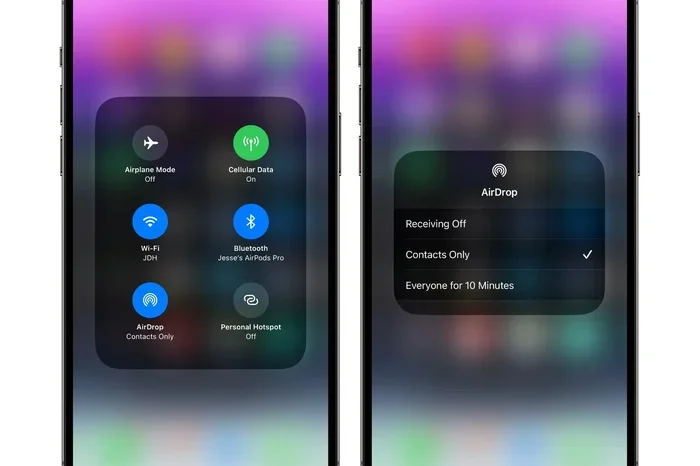
Your smartphone is a powerful tool for getting Wi-Fi without a traditional plan. By using your phone’s data connection, you can create a mobile hotspot that shares internet with other devices.
How Mobile Hotspots Work
A mobile hotspot turns your phone into a Wi-Fi router. It takes your cellular data and broadcasts it as a Wi-Fi signal that laptops, tablets, and other devices can connect to. This means you can get Wi-Fi anywhere your phone has a signal.
Most modern phones have a built-in hotspot feature. You just need to go into your settings, turn on the hotspot, and set a password. Other devices can then connect just like they would to a home router.
The key thing to keep in mind is data usage. Streaming video and downloading large files use a lot of data quickly. If you are on a limited data plan, you will want to monitor your usage carefully.
Data-Only Plans
Some carriers offer data-only plans that do not include voice or text. These plans are often cheaper than traditional phone plans and give you a set amount of data each month.
You can use this data to power a mobile hotspot and get Wi-Fi for your other devices. Data-only plans are a great option if you mostly use the internet for browsing, social media, and light streaming.
Popular carriers like T-Mobile, Verizon, and AT&T all offer data-only options. You can also look into MVNOs, which are smaller carriers that use the same networks but often at lower prices. Brands like Mint Mobile, Visible, and Cricket are worth exploring.
Portable Wi-Fi Hotspot Devices
If you do not want to drain your phone battery, you can buy a dedicated portable Wi-Fi hotspot device. These small gadgets use a SIM card and cellular data to create a Wi-Fi network wherever you go.
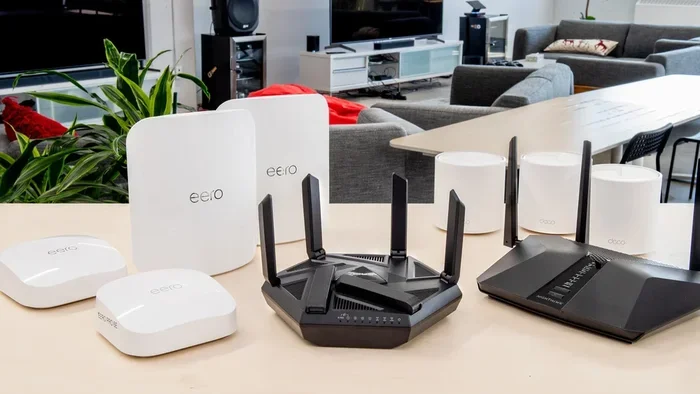
Popular devices include the Verizon Jetpack, AT&T Nighthawk, and mobile Wi-Fi routers from brands like TP-Link and Netgear. These devices are perfect for travel, remote work, or anyone who needs reliable Wi-Fi on the go.
You can buy these devices outright and pair them with a prepaid data plan. This gives you full control over your costs without being tied to a contract.
Prepaid Wi-Fi Plans Worth Considering
Not all Wi-Fi options without a traditional plan are free. Prepaid plans offer a middle ground. You pay in advance, there is no contract, and you can cancel or change your plan anytime.
What Makes Prepaid Plans Different
Prepaid Wi-Fi plans work like prepaid phone plans. You buy a certain amount of data upfront, and it lasts for a set period, usually 30 days. Once your data runs out, you simply buy more or wait for the next cycle.
There are no credit checks, no deposits, and no long-term commitments. This makes prepaid plans ideal for people who want flexibility and control over their spending.
Many prepaid providers also offer no-contract broadband internet. These plans use cellular networks or fixed wireless technology to deliver internet to your home. They are a great alternative to traditional cable or fiber plans.
Top Prepaid Wi-Fi Providers
Several providers offer excellent prepaid Wi-Fi options. T-Mobile Prepaid and Metro by T-Mobile are popular choices with good coverage and affordable plans. Visible, which is owned by Verizon, offers unlimited data at a flat monthly rate.
Boost Mobile, Cricket Wireless, and Mint Mobile also provide prepaid internet options. Each provider has different coverage areas and pricing, so it is worth comparing them before you decide.
Fixed wireless providers like T-Mobile Home Internet and Verizon 5G Home Internet also offer no-contract options. These services deliver internet through cellular towers instead of cables, making them a great choice for areas without traditional broadband.
How to Save Money on Prepaid Wi-Fi
To get the most out of a prepaid plan, buy only the data you need. If you mostly browse the web and check email, a small data plan will do. If you stream a lot of video, look for plans with unlimited data or high data caps.
Many providers offer discounts for autopay or longer commitment periods. Even though there is no contract, these small savings can add up over time. Always check for promotional deals when you sign up.
How to Choose the Best Option for Your Needs
With so many options available, choosing the right one can feel overwhelming. The best choice depends on your specific needs, location, and budget.
Consider Your Internet Usage
Think about how you use the internet. Do you mostly check email and browse websites? Or do you stream movies, play online games, and work from home? Your usage level will determine whether free options are enough or if you need a paid plan.
Light users can get by with public Wi-Fi and mobile hotspots. Heavy users will likely need a prepaid plan with a solid data allowance. Be honest about your habits so you do not end up frustrated with slow speeds or data limits.
Check Coverage in Your Area
Not all options work everywhere. Mobile hotspots depend on cellular coverage, which can be weak in rural areas. Public Wi-Fi depends on nearby businesses and community programs. Before you commit to a solution, check what is available where you live.
You can use coverage maps from carriers like T-Mobile, Verizon, and AT&T to see how strong the signal is in your area. For public Wi-Fi, check your city’s website or local library for available programs.
Set a Budget and Stick to It
Decide how much you are willing to spend on internet each month. Free options cost nothing, which is ideal. Prepaid plans typically range from 15 to 50 dollars per month, depending on the data and speed.
Remember to factor in any upfront costs, like buying a portable hotspot device or a Wi-Fi router. These one-time expenses can add up, so plan accordingly.
Quick Tips for Getting the Most Out of Wi-Fi Without a Plan
- Always use a VPN: A virtual private network protects your data on public Wi-Fi networks. It encrypts your connection and keeps your browsing private.
- Monitor your data usage: Set data alerts on your phone or hotspot device to avoid running out unexpectedly.
- Download content offline: If you know you will not have Wi-Fi access soon, download movies, music, and documents while you can.
- Keep your devices updated: Security updates protect you from vulnerabilities when using open networks.
- Combine multiple options: Use public Wi-Fi during the day and mobile hotspots in the evening for the best of both worlds.
Common Mistakes People Make When Using Wi-Fi Without a Plan
Even with the best intentions, people sometimes make mistakes that cost them time, money, or security. Here are some common pitfalls to avoid.
Ignoring Data Limits
Many free and prepaid plans come with data caps. If you exceed your limit, your speeds can drop dramatically or you may face extra charges. Always check the data limit before you choose a plan.
To avoid surprises, track your usage regularly. Most phones and hotspot devices have built-in tools to monitor data consumption. Use them to stay on top of your usage.
Connecting to Unsafe Networks
Not all open Wi-Fi networks are safe. Hackers can set up fake networks, called rogue hotspots, to steal your personal information. Always verify the network name before connecting.
For example, if a cafe is called “Coffee Corner,” make sure the Wi-Fi network matches that name. If you see a network called “Free Wi-Fi” or “Coffee Corner Guest,” be cautious. The safest approach is to use a VPN on any public network.
Expecting High Speeds from Free Options
Free Wi-Fi is great for basic tasks, but it is not always fast enough for video calls or streaming. Public networks can be slow because many people share the same connection.
If you need reliable high-speed internet for work or school, a prepaid plan with a good data allowance is usually a better choice. Manage your expectations and choose the right tool for the job.
Expert Insights on Wi-Fi Without a Plan
We spoke with networking professionals and tech experts to get their take on Wi-Fi without a traditional plan. Here is what they had to say.
Is Wi-Fi Without a Plan Really Viable?
According to industry experts, Wi-Fi without a plan is absolutely viable for most users. The key is matching your solution to your needs. Light users can thrive on free public Wi-Fi and mobile hotspots. Heavy users may need a prepaid plan with a solid data allowance.
Experts also emphasize the importance of security. Whether you are using a public hotspot or a neighbor’s network, always protect your connection with a VPN and avoid sharing sensitive information on open networks.
The Future of Contract-Free Internet
The trend toward no-contract internet is growing. More carriers are offering prepaid and fixed wireless options that compete with traditional broadband. As cellular networks expand and 5G technology improves, the quality of contract-free internet will only get better.
Experts predict that within the next few years, prepaid and no-contract options will become the norm rather than the exception. This is great news for consumers who want more choice and flexibility.
Frequently Asked Questions
Can I really get Wi-Fi at home without paying for a plan?
Yes, you can get Wi-Fi at home without paying for a traditional internet plan. Free public Wi-Fi from nearby businesses, community programs, or neighbor sharing can provide internet access. Mobile hotspots from your phone are another option that does not require a home plan.
Is free public Wi-Fi safe to use?
Public Wi-Fi can be risky because your data may be visible to others on the same network. To stay safe, always use a VPN when connecting to public Wi-Fi. Avoid accessing banking or sensitive accounts on open networks, and make sure you are connecting to legitimate networks.
What is the best mobile hotspot provider for Wi-Fi without a plan?
There is no single best provider, but popular options include T-Mobile, Visible, Mint Mobile, and Cricket Wireless. Each offers prepaid data plans with no contract. The best choice depends on your coverage area, data needs, and budget.
Can I use a prepaid Wi-Fi plan for working from home?
Yes, many people work from home using prepaid Wi-Fi plans. Fixed wireless options from T-Mobile and Verizon offer reliable home internet without a contract. Just make sure your plan has enough data and speed for video calls and file uploads.
Do I need any special equipment to get Wi-Fi without a plan?
For mobile hotspots, you only need a smartphone with a data plan. For public Wi-Fi, you just need a Wi-Fi-enabled device like a laptop or tablet. If you want a dedicated portable hotspot, you can buy a device like a Verizon Jetpack or a mobile Wi-Fi router for around 100 to 200 dollars.
Are there any government programs that provide free Wi-Fi?
Yes, the Affordable Connectivity Program and similar initiatives offer subsidized or free internet to qualifying low-income households. Some libraries and community organizations also provide free Wi-Fi access. Check with your local government or library to see what programs are available in your area.
Conclusion
The answer to whether you can get Wi-Fi without a plan is a clear yes. There are many real, practical options available today. From free public Wi-Fi and mobile hotspots to prepaid plans and community programs, you have more choices than ever before.
The best option for you depends on your internet habits, location, and budget. Light users can often get by with free methods. Heavy users will benefit from a prepaid plan with a solid data allowance. The key is to explore your options and find the solution that fits your life.
Remember to prioritize security no matter which method you choose. Use a VPN, monitor your data usage, and avoid sharing sensitive information on open networks. With the right approach, you can stay connected without being tied to a traditional internet plan.
Now that you know the answer, it is time to take action. Try one of these options today and enjoy the freedom of Wi-Fi without a plan. You will be surprised at how easy and affordable it can be to stay online on your own terms.
Frequently Asked Questions
What is Can You Get Wi Fi Without A Plan?
Can You Get Wi Fi Without A Plan is an important topic with many practical applications.