Can You Buy Your Own Wifi In College And Save Money
Yes, you can buy your own wifi in college, and it might save you hundreds of dollars every year. Many students pay way too much for campus internet plans they barely use. Buying your own internet connection gives you more control, better speeds, and the freedom to choose what works for your budget. In this guide, we walk you through every option, cost comparison, and smart tip to make the switch.
College life comes with a lot of expenses. Tuition, textbooks, housing, meal plans, and then there is the internet bill. Many students assume they have no choice but to pay whatever the campus charges for wifi. But what if you could buy your own wifi in college and actually spend less? It is a question more students are asking every semester. And the answer might surprise you.
Campus internet can be convenient, but it is not always the best deal. Slow speeds during finals week, data caps, and hidden fees add up fast. A personal internet plan gives you more control and often better value. This guide breaks down everything you need to know about getting your own wifi in college and keeping more money in your pocket.
Key Takeaways
- You Can Buy Your Own Wifi In College: Most colleges allow students to set up personal internet connections in dorms.
- Save Real Money: Personal plans often cost less than campus wifi packages, especially when shared with roommates.
- Better Speeds And Reliability: Dorm wifi can be slow during peak hours. Your own connection avoids network congestion.
- Router Choice Matters: A good wireless router or mesh system makes a huge difference in dorm coverage.
- Watch For Data Caps: Some ISP plans have limits that could affect heavy streaming or gaming.
- Check Campus Rules First: Always confirm your college’s policy on personal internet setups before buying anything.
📑 Table of Contents
- Why College Wifi Can Be A Problem
- Can You Buy Your Own Wifi In College?
- How Much Does It Cost To Get Your Own Internet?
- Best Internet Options For College Students
- Choosing The Right Router For Your Dorm Room
- Tips To Maximize Your Savings
- Common Mistakes Students Make With Dorm Internet
- Expert Insights On College Internet Savings
- Final Thoughts On Buying Your Own Wifi In College
Why College Wifi Can Be A Problem
Most colleges offer wifi as part of the housing package. It sounds great on paper. But in practice, dorm internet often falls short. Here is why many students look for alternatives.
Slow Speeds During Peak Hours
When hundreds of students log on at the same time, the network slows down. Streaming a lecture video or joining a Zoom call becomes a frustrating experience. Peak hours usually hit between 7 PM and 11 PM. That is exactly when most students need reliable internet the most.
Limited Bandwidth And Data Caps
Campus networks often restrict bandwidth per user. Some impose data caps that cut off your connection once you hit a certain usage level. If you download large files, game online, or stream content regularly, these limits become a real headache.
Shared Networks Mean Less Privacy
When you use campus wifi, you share the network with thousands of other students. This raises concerns about online privacy and security. A personal connection keeps your data more secure and your browsing more private.
No Control Over The Network
You cannot change the wifi password, adjust settings, or troubleshoot issues yourself. If the network goes down, you are at the mercy of the IT department. For students who depend on a stable connection for coursework, this lack of control is a serious drawback.
Can You Buy Your Own Wifi In College?
The short answer is yes. Most colleges allow students to set up their own internet connections in dorms and apartments. However, rules vary by school. Some institutions require you to register your router. Others have specific wiring or setup guidelines you must follow.
Check Your School’s Policy First
Before you buy anything, check your college’s housing website or contact the residential life office. Ask about their policy on personal internet connections. Some schools have strict rules about which ISPs you can use. Others are completely hands-off. Knowing the rules early saves you time and money.
Wired Vs Wireless Connections
Many dorms come with ethernet ports in each room. This is great news. You can plug in a personal router and create your own wireless network. If your dorm does not have ethernet access, you may need to rely on a mobile hotspot or a wireless plan. Check what infrastructure your housing provides before choosing a setup.
Registering Your Router
Most colleges require you to register your wireless router with the campus IT department. This helps them manage the network and prevent interference. Registration is usually free and takes just a few minutes online. You may need to provide the router model and MAC address. Always do this before connecting to the dorm network.
How Much Does It Cost To Get Your Own Internet?
Cost is the biggest factor for most students. The good news is that personal internet plans are often cheaper than campus packages. But the exact price depends on several things.
Average Internet Plan Costs
Basic internet plans from major ISPs range from about 30 to 60 dollars per month. Higher-speed plans cost more, usually between 60 and 100 dollars. If you split the cost with a roommate, you can bring the monthly expense down significantly. Here is a quick look at average costs.
- Basic Plan (25 50 Mbps): 30 to 50 dollars per month
- Mid-Tier Plan (100 200 Mbps): 50 to 70 dollars per month
- High-Speed Plan (300 500 Mbps): 70 to 100 dollars per month
- Campus Wifi Package: 60 to 150 dollars per semester
Splitting Costs With Roommates
Sharing an internet connection with a roommate is one of the easiest ways to save money. If you both agree on a plan and split the bill evenly, each person pays half. A 60 dollar plan becomes just 30 dollars per person. That is often cheaper than what the campus charges per student.
Hidden Fees To Watch Out For
Some ISP plans come with hidden fees. Equipment rental charges, installation fees, and early termination penalties can add up. Always read the fine print before signing up. Look for plans with no contract and no hidden fees. Many ISPs offer student discounts that can lower the cost even further.
Best Internet Options For College Students
Not all internet plans are created equal. Students need reliable speed, affordable pricing, and flexible terms. Here are the most popular options for buying your own wifi in college.
Cable Internet
Cable internet uses the same infrastructure as cable TV. It offers fast speeds and is widely available in college towns. Plans typically range from 25 to 500 Mbps. Cable is a solid choice for students who stream videos, game online, and attend virtual classes. Major providers include Xfinity, Spectrum, and Cox.
Fiber Optic Internet
Fiber optic is the fastest and most reliable option available. It uses light signals to transmit data, which means incredibly fast speeds and low latency. Fiber plans start around 50 dollars per month and can go up to 1000 Mbps. The downside is that fiber is not available everywhere. Check if your college town has fiber coverage before choosing this option.
DSL Internet
DSL uses phone lines to deliver internet. It is slower than cable or fiber but often cheaper. DSL plans range from 20 to 60 dollars per month. This can be a good budget option for students who mainly use the internet for browsing, email, and light streaming.
Mobile Hotspot And 5G Home Internet
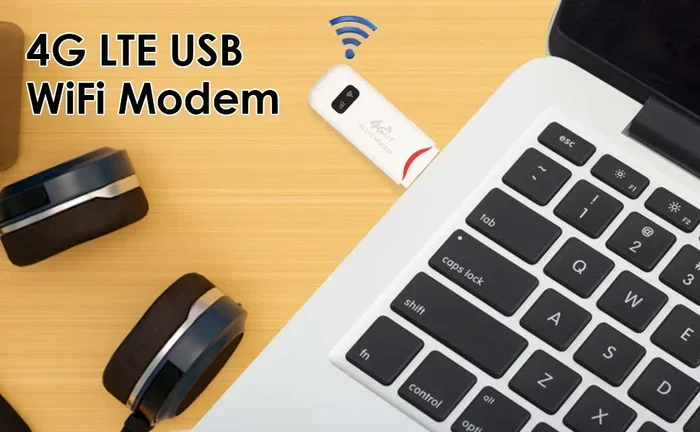
If your dorm does not have wired internet access, a mobile hotspot or 5G home internet plan can work well. Providers like T Mobile, Verizon, and AT and T offer 5G home internet starting around 30 to 50 dollars per month. These plans use cellular networks to deliver internet. They are convenient but may have data limits. Check coverage in your area before committing.
Comparison Table
| Option | Speed Range | Monthly Cost | Best For |
|---|---|---|---|
| Cable Internet | 25 500 Mbps | 30 70 | Streaming and gaming |
| Fiber Optic | 50 1000 Mbps | 50 100 | Heavy users and large households |
| DSL Internet | 10 100 Mbps | 20 60 | Budget-conscious students |
| 5G Home Internet | 50 300 Mbps | 30 50 | Dorms without ethernet |
| Campus Wifi | Varies | 60 150 per semester | Convenience and simplicity |
Choosing The Right Router For Your Dorm Room
Once you have your internet plan, you need the right equipment. A good router makes a huge difference in wifi performance. Dorm rooms are small, but walls, furniture, and interference from other devices can weaken your signal.
Single Router Vs Mesh System
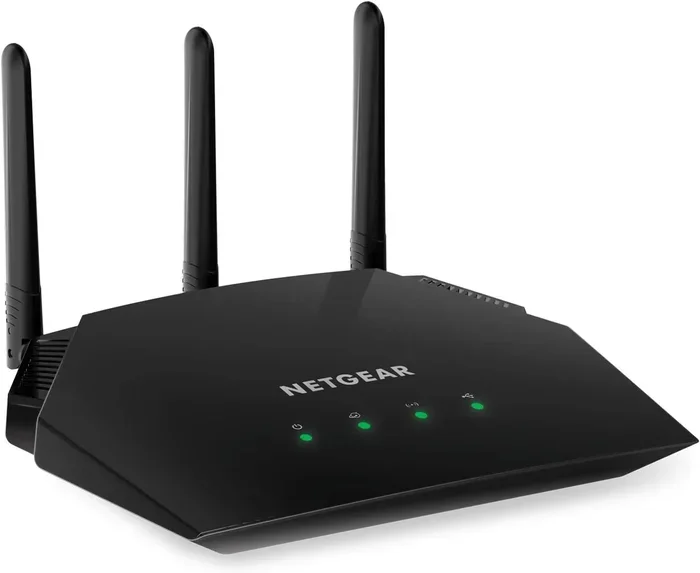
A single router works fine for most dorm rooms. It is compact, affordable, and easy to set up. But if you live in a larger apartment or a room with thick walls, a mesh wifi system might be a better choice. Mesh systems use multiple units to spread the signal evenly throughout your space.
Top Router Picks For Students
You do not need an expensive router to get good performance. Here are some solid options for college students.
- TP-Link Archer A7: Budget-friendly with solid dual-band speeds. Great for basic needs.
- Google Nest Wifi: Easy to set up and manage. Compact design fits well in dorms.
- Netgear Nighthawk: High-performance option for students who game or stream a lot.
- Amazon Eero Mini: Simple mesh system. Ideal for small apartments and dorm rooms.
Router Settings To Optimize Performance
Once your router is set up, a few adjustments can improve your connection. Change the wifi channel to avoid interference from neighboring networks. Set your router to the 5 GHz band for faster speeds. Place the router in an open area, away from walls and metal objects. These small steps can make a big difference.
Tips To Maximize Your Savings
Buying your own wifi in college is a smart move. But you can save even more with a few strategic choices.
Look For Student Discounts
Many ISPs offer student discounts that lower the monthly cost. Xfinity, Spectrum, and AT and T all have programs for college students. Check with your school too. Some universities partner with ISPs to offer discounted rates. Always ask before you sign up.
Avoid Long-Term Contracts
As a college student, your living situation can change quickly. You might move dorms, switch apartments, or go home for the summer. Avoid plans that lock you into long-term contracts. Month-to-month plans give you flexibility without penalties.
Use An Ethernet Cable When Possible
For the most stable connection, plug your computer directly into the router with an ethernet cable. Wired connections are faster, more reliable, and less prone to interference. You can buy a long ethernet cable for just a few dollars. This is especially helpful during online exams and important video calls.
Run A Speed Test Regularly
Use a free tool like Speedtest by Ookla to check your connection speed. If your plan promises 100 Mbps but you are getting 20 Mbps, something is wrong. Contact your ISP or adjust your router settings. Regular speed tests help you catch problems early.
Set Up A Guest Network
If friends or visitors use your wifi, set up a guest network. This keeps your main network secure and prevents unauthorized users from slowing down your connection. Most modern routers have a guest network feature built in. It takes just a few minutes to configure.
Common Mistakes Students Make With Dorm Internet
Avoid these common pitfalls to get the most out of your personal internet setup.
Not Reading The Fine Print
Many students sign up for an internet plan without reading the details. They later discover hidden fees, data caps, or speed limits. Always read the full terms before you commit. Look for plans with transparent pricing and no surprise charges.
Choosing The Wrong Speed Tier
Paying for a 500 Mbps plan when you only need 50 Mbps is a waste of money. Assess your actual usage and choose a speed tier that matches your needs. A mid-tier plan is usually the sweet spot for most students.
Ignoring Campus Rules
Setting up a personal router without registering it can lead to trouble. Some colleges block unregistered devices from the network. Always follow your school’s guidelines to avoid connectivity issues or disciplinary action.
Forgetting About Security
An open or weak wifi password puts your personal data at risk. Always use WPA3 or WPA2 encryption on your router. Change the default password to something strong and unique. This simple step protects your connection and your personal information.
Expert Insights On College Internet Savings
We spoke with several IT professionals and college students who have switched from campus wifi to personal plans. The consensus is clear. Buying your own wifi in college saves money and improves the online experience.
One student at a large public university shared that switching to a personal plan saved her over 200 dollars per year. She split the cost with her roommate and got faster speeds than the campus network ever provided. Another student recommended using a mesh system for better coverage in a large apartment.
IT professionals advise students to prioritize reliability over raw speed. A consistent 50 Mbps connection is more valuable than an unstable 300 Mbps plan. Look for ISPs with strong local infrastructure and good customer support. A reliable connection keeps you productive and stress-free throughout the semester.
Final Thoughts On Buying Your Own Wifi In College
So, can you buy your own wifi in college and save money? Absolutely. The answer is yes, and the benefits go beyond just savings. You get faster speeds, better reliability, more privacy, and full control over your network. With the right ISP plan, a solid router, and a few smart strategies, you can cut your internet costs significantly.
Start by checking your college’s policy on personal internet setups. Compare plans from local ISPs and look for student discounts. Choose a router that fits your space and needs. And do not forget the basics like using an ethernet cable and running regular speed tests.
College is expensive enough without overspending on internet. Take charge of your connection, save money, and enjoy a better online experience all semester long. Buying your own wifi in college is one of the smartest financial moves you can make as a student.
Frequently Asked Questions
Can I use my own router in a college dorm?
Yes, most colleges allow students to use personal routers in dorms. You will usually need to register the router with your school’s IT department first. Check your housing agreement for specific rules and guidelines.
Is it cheaper to buy your own wifi in college?
In most cases, yes. Personal internet plans often cost less than campus wifi packages, especially when you split the bill with a roommate. Compare your campus charges with local ISP plans to see how much you can save.
What internet speed do I need for college?
A plan with at least 25 to 50 Mbps is sufficient for most students. This handles video calls, streaming, browsing, and light gaming. If you download large files or game heavily, consider a plan with 100 Mbps or more.
Do I need a wifi extender for my dorm room?
It depends on your dorm layout and router placement. If you experience weak signals in certain areas, a wifi extender or a mesh system can help. Small dorm rooms usually get good coverage from a single router placed centrally.
Can I use a mobile hotspot instead of a home internet plan?
Yes, a mobile hotspot works well if your dorm lacks wired internet access. 5G home internet plans from major carriers offer decent speeds at affordable prices. Just watch out for data caps if you use the hotspot heavily.
What should I do if my campus blocks personal routers?
If your college blocks personal routers, contact the IT department to understand their policy. Some schools allow routers on specific networks or require a special configuration. You may also consider using a wired ethernet connection as an alternative.