Can Others Hear Your Music With Bone Conduction Headphones
Bone conduction headphones transmit sound through your cheekbones, bypassing your ear canal entirely. While they are designed for personal listening, others may hear your music at low volumes or in quiet environments. Sound leakage depends on volume, fit, and headphone quality. Understanding how this technology works helps you enjoy your audio without disturbing others around you.
Have you ever wondered if the person sitting next to you on the bus can hear your playlist? If you use bone conduction headphones, this is a real question. These open-ear devices are popular for a reason. They let you listen to music while staying aware of what is happening around you.
But that same open design comes with a trade-off. Can others hear your music with bone conduction headphones? The short answer is yes, sometimes they can. The full answer is more nuanced, and it depends on several factors we will explore in this guide. Let us break it all down.
Whether you are a runner, a cyclist, or someone who just wants to stay connected, understanding how these headphones work is essential. You will learn what causes sound leakage, how to reduce it, and whether bone conduction headphones are right for your lifestyle. This guide covers everything you need to know.
Key Takeaways
- Bone conduction works differently: Sound travels through vibrations to your inner ear, not through the air like regular headphones.
- Others can sometimes hear your music: Especially at higher volumes or in quiet rooms, sound leakage is possible.
- Fit matters a lot: A proper fit on your cheekbones reduces the chance of others hearing your audio.
- Volume control is key: Keeping your volume moderate significantly reduces sound leakage.
- Quality headphones leak less: Premium bone conduction models have better sound containment than budget options.
- They offer safety benefits: You stay aware of your surroundings, which is great for outdoor activities.
- Privacy tips exist: Simple adjustments can help keep your music private.
📑 Table of Contents
- How Bone Conduction Headphones Work
- Can Others Really Hear Your Music?
- Factors That Affect Sound Leakage
- Benefits of Bone Conduction Headphones
- Tips to Reduce Sound Leakage
- Common Mistakes People Make With Bone Conduction Headphones
- Are Bone Conduction Headphones Worth It?
- Final Thoughts
- Frequently Asked Questions
How Bone Conduction Headphones Work
To understand whether others can hear your music, you first need to understand the technology. Bone conduction headphones work very differently from traditional earbuds or over-ear cans. They skip your eardrum entirely and send sound vibrations directly to your inner ear.
The Science Behind Bone Conduction
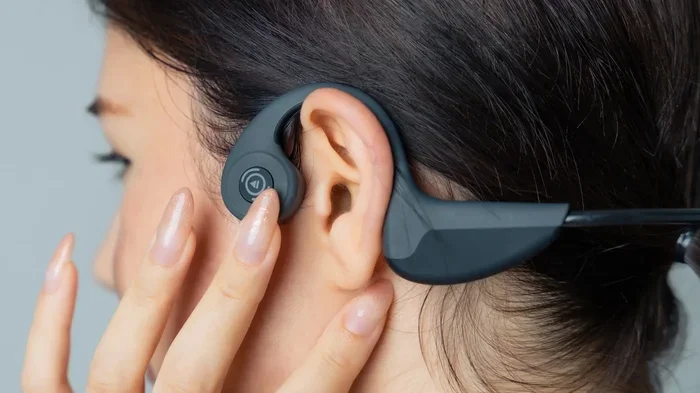
Here is how it works in simple terms. The headphones sit on your cheekbones, right in front of your ears. They create tiny vibrations that travel through your bones. These vibrations reach your cochlea, which is the part of your inner ear that turns sound into signals your brain understands.
This is the same principle behind how you hear your own voice. When you speak, you hear your voice partly through bone conduction. That is why your voice sounds different on a recording. The technology has been around for decades. It was even used in early hearing aid devices before modern earbuds existed.
Because the sound bypasses your eardrum and ear canal, bone conduction headphones keep your ears completely open. This is their biggest selling point. You can hear traffic, conversations, and your environment while listening to audio. For outdoor athletes, this is a game-changer.
Open-Ear Design and Its Implications
The open-ear design is both a blessing and a challenge. It keeps you safe during runs and rides. But it also means sound can escape from the headphones. This is the core reason why others might hear your music when you use bone conduction devices.
Traditional headphones seal your ear canal, trapping sound inside. Bone conduction headphones do not do this. They rest outside your ear and rely on vibration. Some of that vibration naturally disperses into the air around you. This is what causes sound leakage.
Can Others Really Hear Your Music?
This is the question everyone asks, and the answer is not a simple yes or no. Whether someone else can hear your music depends on several real-world factors. Let us look at when sound leakage happens and when it does not.
When Others Can Hear Your Music
There are specific situations where bone conduction sound leakage becomes noticeable. Here are the most common ones:
- In quiet rooms: When there is no background noise, even small vibrations become audible to people nearby.
- At high volume levels: The louder you play your music, the more vibrations escape into the air.
- Poor fit: If the headphones sit loosely on your cheekbones, vibrations spread more easily.
- Close proximity: Someone sitting right next to you is more likely to hear your audio than someone across the room.
- Bass-heavy music: Low frequencies create stronger vibrations, which can be more audible to others.
When Others Cannot Hear Your Music
On the flip side, there are plenty of situations where your music stays private:
- In noisy environments: A busy street or crowded gym masks most sound leakage.
- At moderate or low volumes: Lower volume means weaker vibrations, which stay mostly contained.
- With a snug fit: When the headphones press firmly against your cheekbones, leakage drops significantly.
- With high-quality models: Premium bone conduction headphones are designed to minimize sound escape.
- During physical activity: Movement can shift the headphones slightly, but sweat and fit often keep them stable.
Sound Leakage Comparison Table
| Factor | High Leakage Risk | Low Leakage Risk |
|---|---|---|
| Volume Level | Above 70% | Below 40% |
| Environment | Quiet room, library | Gym, outdoor street |
| Headphone Fit | Loose positioning | Snug against cheekbones |
| Music Type | Bass-heavy tracks | Vocals, acoustic music |
| Headphone Quality | Budget models | Premium bone conduction |
| Distance from Others | Less than 1 foot | More than 3 feet |
As you can see from the table, sound leakage with bone conduction headphones is manageable. It is not an all-or-nothing situation. Small adjustments can make a big difference in keeping your music private.
Factors That Affect Sound Leakage
Not all bone conduction headphones behave the same way. Several factors determine how much sound escapes and whether others can hear your music. Understanding these factors helps you make smarter choices.
Volume Level and Its Impact
Volume is the single biggest factor. When you turn up the volume, the transducer inside the headphone vibrates more intensely. These stronger vibrations travel through your cheekbones and also into the surrounding air. At high volumes, someone sitting next to you will almost certainly hear faint music.
Keeping your volume at a comfortable but moderate level is the easiest way to reduce leakage. Most experts recommend staying below 60% volume for long listening sessions anyway. This protects your hearing and keeps your music private.
Headphone Quality and Build
Not all bone conduction headphones are created equal. Cheap models often use lower-quality transducers that vibrate more loosely. This means more sound escapes into the air. Premium brands invest in better vibration control and tighter housing.
When shopping for bone conduction headphones, look for models that specifically mention sound leakage reduction. Some brands use advanced transducer designs that focus vibrations more precisely on the cheekbone. This keeps more sound inside and less sound in the air.
Fit and Placement
How the headphones sit on your face matters enormously. If they are tilted too far forward or pushed too loosely against your cheekbones, vibrations spread out. A proper fit means the pads sit firmly on the bones just in front of your ears.
Take the time to adjust your headphones every time you put them on. Everyone’s face shape is different. Finding the sweet spot for your bone structure can dramatically reduce sound leakage. This is one of the most overlooked tips for bone conduction users.
Type of Audio Content
The kind of music or audio you listen to also plays a role. Bass-heavy music generates stronger low-frequency vibrations. These vibrations travel further through the air than higher frequencies. If you listen to a lot of electronic dance music or hip-hop, you may notice more leakage.
Vocals and acoustic music tend to stay more contained. This does not mean you cannot enjoy bass-heavy tracks. It just means you should be extra mindful of your volume when listening to music with strong low-end frequencies.
Benefits of Bone Conduction Headphones
Despite the sound leakage issue, bone conduction headphones offer many advantages that keep them popular. Understanding these benefits helps you decide if they are worth the trade-off.
Situational Awareness and Safety
This is the number one reason people choose bone conduction headphones. Because your ears stay completely open, you can hear cars, cyclists, and other people around you. For runners, cyclists, and commuters, this is a massive safety advantage.
Traditional earbuds block your ear canal. Over-ear headphones can also isolate you from your surroundings. Bone conduction headphones give you your audio without sacrificing your awareness. You stay connected to the world while enjoying your music.
Comfort for Long Listening Sessions
Many people find in-ear headphones uncomfortable after extended use. They can cause ear fatigue, pressure, or even pain. Bone conduction headphones rest outside your ear, which eliminates this problem entirely.
If you listen to podcasts for hours or wear headphones during long work sessions, bone conduction models can be much more comfortable. They do not push into your ear canal or create heat buildup the way in-ear buds sometimes do.
Hearing Health Benefits
Because bone conduction bypasses your eardrum, it can be gentler on your hearing over time. Traditional headphones deliver sound directly into your ear canal at high pressure. Bone conduction distributes the audio through vibration, which many audiologists consider less damaging.
This does not mean you should crank up the volume, though. Listening at extreme volumes through any device can still harm your hearing. But at moderate levels, bone conduction technology offers a hearing-friendly alternative to traditional audio delivery.
Great for People with Hearing Impairments
Bone conduction headphones have helped people with certain types of hearing loss enjoy music again. If someone has a blocked ear canal or conductive hearing impairment, bone conduction bypasses the problem area entirely. This technology has roots in medical hearing devices and continues to serve those needs in consumer products.
Tips to Reduce Sound Leakage
If privacy is important to you, there are practical steps you can take to keep your music more private. These tips are simple but effective.
- Keep your volume moderate. This is the single most effective tip. Lower volume means less vibration and less sound leakage.
- Ensure a snug fit. Adjust the headphones so they sit firmly against your cheekbones. Tighten the headband or ear hooks until they feel secure.
- Choose quality headphones. Investing in a premium model with better transducer technology reduces leakage significantly.
- Use noise-canceling earbuds for private listening. If you need complete audio privacy, bone conduction is not the best choice. Switch to sealed earbuds for those moments.
- Avoid bass-heavy tracks at high volume. Low frequencies escape more easily. Mix in more vocal or acoustic content if privacy matters.
- Be mindful of your environment. In quiet spaces, lower your volume even more than you normally would.
Expert Insight
Audio engineers often say that bone conduction headphones will always have some degree of sound leakage. It is simply how the technology works. The goal is not to eliminate leakage entirely but to manage it effectively. A good fit and moderate volume get you 90% of the way there.
Common Mistakes People Make With Bone Conduction Headphones
Even experienced users make mistakes that increase sound leakage. Here are the most common ones to avoid.
Playing Music at Maximum Volume
This is the biggest mistake. People sometimes turn the volume up all the way to compensate for the open-ear design. Since bone conduction headphones do not seal your ear, your brain perceives less sound at the same volume. This tricks you into turning it up louder than necessary, which increases leakage for everyone around you.
Ignoring the Fit
Many users put on their headphones and go without adjusting them. A loose fit means vibrations spread out instead of staying focused on your cheekbones. Taking 30 seconds to adjust the position can make a noticeable difference in sound containment.
Using Budget Models for Private Listening
Cheap bone conduction headphones often have poor vibration control. If you want both open-ear comfort and audio privacy, you need a quality model. Spending a bit more on a reputable brand pays off in both sound quality and reduced leakage.
Assuming They Work Like Regular Headphones
Bone conduction headphones are a different technology. They do not block sound the way traditional headphones do. Expecting them to provide the same level of privacy as sealed earbuds leads to disappointment. Understand what they are and what they are not, and you will be much happier with your purchase.
Are Bone Conduction Headphones Worth It?
This is the big question, and the answer depends on your needs. If you value situational awareness and comfort, bone conduction headphones are an excellent choice. If you need complete audio privacy, they may not be the best option.
For outdoor runners and cyclists, the safety benefits far outweigh the minor leakage issue. For office workers who want to listen to music without disturbing colleagues, the leakage can be a concern. The key is knowing what to expect and managing it properly.
Most users find that bone conduction headphones work perfectly well for everyday use. Sound leakage is rarely a problem in real-world environments like gyms, streets, or parks. It is mainly an issue in very quiet, enclosed spaces. If you understand this trade-off, you can enjoy the benefits without frustration.
Bone conduction headphones represent a unique and valuable category of audio devices. They are not perfect, but they solve real problems that traditional headphones cannot. As the technology continues to improve, leakage issues are becoming less significant with each new generation of products.
Final Thoughts
So, can others hear your music with bone conduction headphones? Yes, sometimes they can, but it is not a constant problem. With the right volume, a proper fit, and a quality pair of headphones, you can enjoy your audio while keeping it mostly private.
The open-ear design that makes these headphones so safe and comfortable is also what causes sound leakage. It is a trade-off, not a flaw. Understanding this trade-off helps you use bone conduction headphones the right way.
If you have been curious about this technology, now is a great time to try it. Start with a reputable brand, adjust the fit carefully, and keep your volume at a moderate level. You will enjoy a listening experience that keeps you connected to the world around you while still delivering great audio quality.
Bone conduction headphones are here to stay, and for good reason. They offer a unique blend of safety, comfort, and convenience that no other headphone type can match. Just be mindful of your volume and your surroundings, and you will get the best of both worlds.
Frequently Asked Questions
Can bone conduction headphones be completely sound-proof to others?
No, bone conduction headphones cannot be completely sound-proof to others. Because they work by vibrating your cheekbones, some sound naturally escapes into the surrounding air. However, keeping your volume low and ensuring a snug fit dramatically reduces this leakage. For complete audio privacy, sealed traditional headphones are a better choice.
Do bone conduction headphones work better for some people than others?
Yes, bone conduction headphones can work better for some people depending on their bone structure and hearing type. People with certain types of hearing loss, particularly conductive hearing impairment, often benefit greatly from this technology. The fit on your cheekbones also varies by face shape, which affects both comfort and sound containment.
Are bone conduction headphones safe for long-term daily use?
Yes, bone conduction headphones are generally safe for long-term daily use. They bypass the eardrum and do not push sound directly into your ear canal, which reduces the risk of hearing damage from prolonged use. However, you should still keep the volume at moderate levels to protect your inner ear and avoid fatigue over time.
Can you use bone conduction headphones for swimming or water activities?
Some bone conduction headphones are designed to be waterproof and can be used for swimming. These models are typically rated with an IPX7 or IPX8 water resistance certification. However, not all bone conduction headphones are waterproof, so always check the specifications before using them in or around water.
How do bone conduction headphones compare to regular earbuds for privacy?
Regular earbuds provide significantly better audio privacy than bone conduction headphones. Earbuds seal your ear canal, which traps sound inside and prevents it from reaching others nearby. Bone conduction headphones keep your ears open, which means some sound naturally escapes. If privacy is your top priority, traditional sealed earbuds are the better option.
What should I look for when buying bone conduction headphones to minimize leakage?
Look for headphones with a snug, adjustable fit and positive user reviews about sound containment. Premium models from reputable brands tend to have better transducer technology that focuses vibrations more precisely. Also, choose headphones with volume limiters or EQ settings that let you reduce bass output, which helps minimize sound leakage for others nearby.