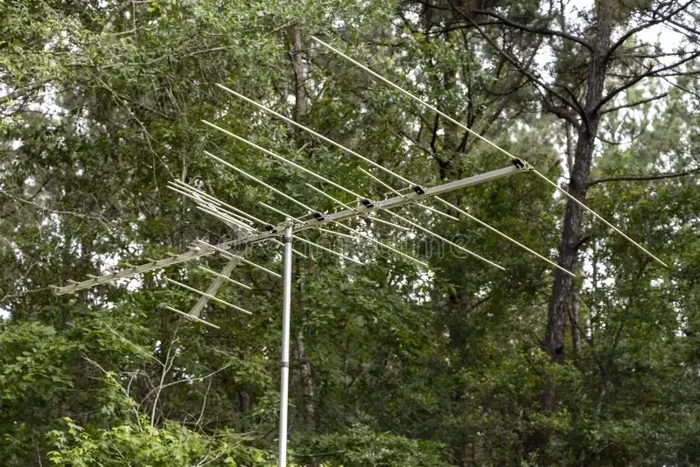
Do Trees Interfere With Tv Antennas And Kill Your Signal
Do trees interfere with TV antennas? Yes, they absolutely can. Tree branches, leaves, and dense foliage block or weaken your TV antenna signal and cause reception issues. The good news is that you can fix this with the right antenna placement, trimming, or signal booster. This guide covers everything you need to know about tree interference and how to restore your picture quality.
Do trees interfere with TV antennas? If you have ever watched your favorite show suddenly turn into a frozen screen or a pixelated mess, trees might be the culprit. This is a common problem for many homeowners who rely on over-the-air TV signals. You set up your antenna, point it toward the broadcast tower, and still get nothing but static. What went wrong?
The answer is often right in your backyard. Tall trees, thick branches, and dense foliage can block, absorb, and scatter the TV signal before it ever reaches your antenna. The good news is that you do not have to live with bad reception forever. There are clear steps you can take to fix the problem and get your TV working the way it should.
In this guide, we will break down exactly how trees affect your antenna signal. We will also share practical solutions that really work. Whether you have a small backyard or a forest behind your house, this article has you covered.
Key Takeaways
- Trees block signals: Foliage absorbs and reflects over-the-air TV waves, reducing signal strength.
- Placement matters: Raising your antenna above the tree line can dramatically improve reception.
- Trimming helps: Cutting back branches near your antenna removes the most common source of interference.
- Signal boosters work: An antenna amplifier can compensate for signal loss caused by trees.
- Directional antennas are better: They focus the signal and reduce the impact of obstructions.
- Seasonal changes matter: Leaves in summer cause more interference than bare branches in winter.
- Professional help exists: An antenna installer can find the best spot for your setup.
📑 Table of Contents
How Trees Affect TV Antenna Signals
The Science Behind Signal Interference
TV signals travel through the air as radio waves. These waves move in straight lines from the broadcast tower to your antenna. When a tree stands in the way, it creates what engineers call a signal obstruction. The leaves and branches absorb part of the signal and bounce the rest off in different directions.
Think of it like light shining through a curtain. You can still see some light, but it is dimmer and scattered. The same thing happens to your digital TV signal when it hits a tree. The result is a weaker picture, more buffering, or no signal at all.
Different types of trees cause different levels of interference. Pine trees and evergreen trees have dense foliage all year long. That means they block signals even in winter. Deciduous trees lose their leaves in fall, so they cause less trouble during the cold months. But when spring comes and the leaves grow back, the problem returns.
Why Foliage Is the Biggest Enemy
Water is a big part of the problem. Leaves contain a lot of moisture. Moisture absorbs UHF and VHF radio frequencies very effectively. This is why your signal gets worse during rainy seasons or when the trees are full of green leaves.
Even small branches can cause trouble. You might think a thin branch would not matter much. But multiply that by hundreds or thousands of branches on a single tree, and the effect adds up fast. The signal loss from a single tree can range from a few decibels to a complete blackout depending on the density.
Here are some key factors that determine how much a tree affects your signal:
- Tree density: How thick are the branches and leaves?
- Tree species: Evergreens block more than deciduous trees.
- Distance from the antenna: Closer trees cause more interference.
- Season: Full foliage in summer causes more problems than bare branches in winter.
- Signal frequency: VHF signals are more easily blocked than UHF signals.
Common Reception Problems Caused by Trees
Pixelation and Freezing
The most common sign of tree interference is pixelation. Your picture starts breaking into squares or blocks. The audio might cut in and out. This happens because the signal reaching your antenna is weak and incomplete. Your TV tuner struggles to decode the damaged signal, and the result is a frustrating viewing experience.
Pixelation often gets worse in the evening. Why? Because the temperature drops and the air becomes more humid. Moisture in the air and in the leaves makes the signal loss even worse. This is known as atmospheric ducting, and it can turn a mild reception problem into a total loss of signal.
Complete Signal Loss
In severe cases, a tree can completely block the signal. If the tree sits directly between your antenna and the broadcast tower, you might get no channels at all. This is especially common for people who live in hilly areas where the signal path is already weak.
Signal loss from trees is not always permanent. If the tree grows or the seasons change, the problem can come and go. Some people notice their TV works fine in winter but loses channels in summer. This seasonal pattern is a strong clue that trees are the cause.
Multipath Interference
Trees do not just block signals. They also bounce them. When a signal hits a tree trunk or a large branch, it reflects off in a new direction. That reflected signal then reaches your antenna at a slightly different time than the direct signal.
This creates what is called multipath interference. The two signals cancel each other out or cause ghosting on the screen. Multipath problems are tricky to fix because the reflected signal is just as strong as the direct one. Simply moving the antenna a few feet might not solve the issue.
How to Fix Tree-Related Antenna Problems
Move Your Antenna Higher
The simplest fix is to get your antenna above the tree line. Signals travel in straight lines, so the higher you go, the more likely you are to have a clear line of sight to the broadcast tower. Even raising the antenna by ten or fifteen feet can make a huge difference.
Consider mounting your antenna on the roof of your house. A roof mount puts the antenna above most tree branches and reduces the chance of foliage interference. If you cannot mount on the roof, a tall mast on a balcony or in the yard can also work well.
Here are some tips for raising your antenna:
- Use a mast extension to gain extra height.
- Place the antenna as high as safely possible.
- Point the antenna directly at the broadcast tower.
- Use a compass or a signal mapping tool to find the tower location.
Trim the Trees
If moving the antenna is not an option, trimming the trees is the next best step. Cutting back branches that are closest to the antenna can remove the biggest source of interference. Even trimming a few key branches can restore your signal to full strength.
You do not need to cut down the entire tree. Focus on the branches that sit between the antenna and the broadcast tower. These are the ones blocking the signal path. A professional tree trimmer can help you identify which branches to remove without damaging the tree.
Keep in mind that trimming is a temporary fix. Trees grow back, and the branches will eventually block the signal again. You may need to trim your trees once or twice a year to maintain good reception.
Use a Signal Booster or Amplifier
A signal booster can help overcome the loss caused by trees. An antenna amplifier boosts the weak signal before it reaches your TV. This can make the difference between a clear picture and a frozen screen.
There are two main types of amplifiers. A pre-amplifier mounts right at the antenna and boosts the signal before any cable loss. A distribution amplifier goes after the splitter and boosts the signal for multiple TVs. For tree interference, a pre-amplifier is usually the better choice.
Here is what to look for in a signal booster:
- Gain rating: Look for at least 30 dB of gain for moderate tree interference.
- Low noise figure: A lower noise figure means cleaner signal amplification.
- Frequency range: Make sure it covers both VHF and UHF channels.
- Power supply: Some amplifiers need a power inserter that runs through the coaxial cable.
Keep in mind that a signal booster cannot fix a completely blocked signal. If the tree is so dense that no signal gets through, no amplifier will help. In that case, you need to move the antenna or trim the tree.
Switch to a Directional Antenna
Not all antennas are the same. A directional antenna focuses its reception in one direction. This means it picks up the strongest signal from the broadcast tower and ignores signals from other directions, including reflections off trees.
If you live in an area with lots of tree cover, a directional antenna can be a game changer. It reduces multipath interference and gives you a cleaner signal. Yagi antennas are a popular choice for directional reception. They have a long, narrow design that focuses on a specific part of the sky.
On the other hand, if you live in an area with broadcast towers in multiple directions, an omnidirectional antenna might be better. The key is to match your antenna type to your specific situation. A professional antenna installer can help you choose the right one.
Seasonal Changes and Their Impact on Signal
Why Winter Is Easier for Antenna Reception
Many people notice that their TV works better in winter. There is a simple reason for this. In winter, deciduous trees have no leaves. The branches are bare, and the signal passes through with much less obstruction.
Cold air is also drier than warm air. Dry air carries radio waves more efficiently than humid air. So even the atmospheric conditions in winter favor better signal strength. If your antenna works fine in December but struggles in July, trees are almost certainly the cause.
What to Do About Seasonal Signal Drops
If your signal drops every summer when the leaves come back, you have a few options. You can install a stronger antenna amplifier to compensate for the seasonal loss. You can also trim the trees before the growing season starts.
Some people choose to switch to a different type of TV service during the worst months. Cable or satellite TV does not rely on over-the-air signals, so trees have no effect on those services. But if you prefer the free, high-quality channels that come with an antenna, you will want to stick with the solutions above.
Another option is to use a signal meter. A signal meter helps you fine-tune your antenna position for the best possible reception. You can adjust the antenna in small steps and watch the signal strength change in real time. This is especially useful when tree interference is inconsistent.
When to Call a Professional
Signs You Need Expert Help
Sometimes tree interference is too complex to fix on your own. If you have tried moving the antenna, trimming trees, and adding a booster, and you still have problems, it is time to call in a pro. A professional antenna installer has the tools and experience to find the best solution.
Here are some signs that you need expert help:
- You get signal on some channels but not others, and the pattern seems random.
- Your signal strength is very low even after moving the antenna.
- The trees on your property are too large to trim safely.
- You live in a valley or hilly area where the signal path is naturally blocked.
- Your neighbors have good reception but you do not, despite similar setups.
What a Professional Installation Includes
A professional installer will start by analyzing your property. They use a signal meter to measure the strength and quality of the available signals. They also study the terrain and the tree cover around your home. Based on this analysis, they recommend the best antenna type, placement, and any additional equipment you might need.
Many installers also offer ongoing support. If your signal changes with the seasons, they can help you adjust the setup. Some companies even offer annual maintenance plans that include tree trimming around the antenna and signal checks throughout the year.
While professional installation costs more than a DIY setup, it can save you a lot of frustration in the long run. The installer knows how to deal with tree interference and has seen every possible scenario. They can often solve problems that would take a homeowner hours of trial and error.
Can You Remove Trees to Fix Your Signal?
Removing trees is the most drastic solution, but it is sometimes necessary. If a single tree is completely blocking the signal path and no other fix works, cutting it down might be the only option. However, this should be a last resort. Trees provide shade, beauty, and environmental benefits. Losing a tree just for better TV reception is a big trade-off.
Before you remove any trees, check your local regulations. Many cities and towns have rules about tree removal. You may need a permit, and some areas protect certain tree species. Also, consider whether the tree removal is even legal on your property. A tree removal service can help you navigate these requirements.
If you do decide to remove a tree, hire a licensed and insured professional. Tree removal is dangerous work, especially for large trees near power lines or structures. A professional crew has the equipment and expertise to do the job safely and efficiently.
Frequently Asked Questions
Can a single tree really kill my TV signal?
Yes, a single large tree can block or severely weaken your TV signal. If the tree sits directly between your antenna and the broadcast tower, it can cause complete signal loss. Even smaller trees can cause pixelation and freezing if they are close enough to the antenna.
Do evergreen trees affect TV antennas more than deciduous trees?
Yes, evergreen trees have dense foliage all year round, which means they block signals in every season. Deciduous trees lose their leaves in fall, so they cause less interference during winter. However, both types of trees can cause significant problems during the growing season.
How high should I mount my antenna to avoid tree interference?
The higher, the better. Ideally, you want your antenna above the tree line with a clear line of sight to the broadcast tower. Even a gain of 10 to 15 feet can make a big difference. Roof mounts and tall masts are the most common solutions for overcoming tree interference.
Will a signal booster fix tree-related signal loss?
A signal booster can help with mild to moderate tree interference. It amplifies the weak signal that gets through the foliage. However, if the tree completely blocks the signal, no booster will fix the problem. In that case, you need to move the antenna or trim the tree.
Does rain make tree interference worse?
Yes, rain makes tree interference worse. Rain adds moisture to the air and to the leaves, which absorbs more of the TV signal. This is why many people notice their antenna reception gets worse during or after rainstorms. The effect is temporary and usually goes away when the rain stops.
Should I switch to cable or satellite if trees keep killing my signal?
Not necessarily. Cable and satellite TV are not affected by trees, but they come with monthly fees and contracts. If you prefer the free, high-quality channels of over-the-air TV, try the solutions in this article first. A professional antenna installer can often solve even severe tree interference without the need for a different TV service.
Conclusion
Do trees interfere with TV antennas? The answer is a clear yes. Trees block, absorb, and scatter the radio waves that carry your TV signal. The result is weaker reception, pixelation, and sometimes a complete loss of signal. But this problem is very solvable.
You have many options to fight back against tree interference. You can raise your antenna above the tree line. You can trim the branches that block the signal path. You can add a signal booster to compensate for the loss. You can switch to a directional antenna that focuses on the strongest signal. And if all else fails, a professional installer can find a solution tailored to your property.
The key is to take action. Do not just accept bad reception. With the right approach, you can enjoy clear, free over-the-air TV even in a heavily wooded area. Start by checking your signal strength and identifying which trees are causing the most interference. Then try the fixes that fit your situation and budget.
Tree interference is real, but it is manageable. Use the tips in this guide, and you will be on your way to better TV reception today.