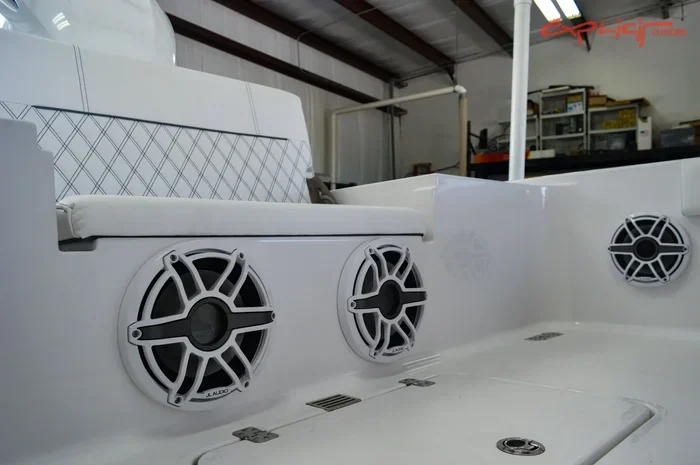
Do Marine Speakers Sound As Good As Regular Speakers
Do marine speakers sound as good as regular speakers? The short answer is yes, but with important differences. Marine speakers are built to handle harsh outdoor conditions like water, sun, and salt while still delivering solid sound. Regular speakers may offer slightly richer audio indoors, but they simply cannot survive the same environments.
Do marine speakers sound as good as regular speakers? This is a question boat owners, outdoor enthusiasts, and audio lovers ask all the time. The truth is more nuanced than a simple yes or no. Marine speakers are designed for a very different purpose than standard regular speakers. They trade some audio purity for serious durability and weather resistance.
When you are out on the water or hosting a backyard party, you need waterproof speakers that can handle sun, salt, and splashes. Regular speakers simply cannot survive those conditions. But does that mean you sacrifice sound quality? Not necessarily. Modern marine audio technology has come a long way. Today’s marine grade speakers deliver impressive sound that rivals many indoor options.
In this guide, we will break down everything you need to know. We will compare sound quality, build materials, performance in real-world conditions, and more. By the end, you will know exactly whether marine speakers are the right choice for your needs. Let us dive in.
Key Takeaways
- Marine speakers are built tough: They use waterproof cones, corrosion-resistant materials, and UV protection to handle outdoor abuse.
- Sound quality is surprisingly close: Modern marine speakers deliver clear highs and decent bass, though they may not match high-end indoor speakers in pure audio fidelity.
- Durability is the real advantage: A good set of marine speakers can last years outdoors where regular speakers would fail quickly.
- Price reflects the build quality: Marine speakers cost more due to specialized materials and manufacturing processes.
- Installation matters a lot: Proper marine speaker setup with a marine amplifier makes a huge difference in sound output.
- They work beyond boats: Marine speakers are great for patios, pools, and any outdoor space where regular speakers would be damaged.
- Regular speakers still win indoors: For home theaters and indoor listening, regular speakers generally provide better sound depth and clarity.
📑 Table of Contents
What Are Marine Speakers?
Marine speakers are specialized audio devices built to withstand harsh outdoor environments. Unlike standard speakers designed for indoor use, they are engineered to handle water exposure, extreme temperatures, and UV radiation. You will find them on boats, but they also work great on patios, near pools, and in other outdoor spaces.
The key difference lies in the materials. Marine grade speakers use treated cones, rubber surrounds, and corrosion-resistant magnets. The frames are typically made from stainless steel or high-grade plastic that resists rust. Even the wiring is sealed to prevent moisture damage. These features make outdoor speakers of this type incredibly tough.
How They Are Built Differently
Every component of a marine speaker is chosen with durability in mind. The cones are often made from polypropylene or coated paper that resists water absorption. The surrounds use rubber instead of foam, which degrades quickly in sun and salt air. The magnets are coated with special finishes to prevent corrosion from saltwater exposure.
The baskets (the metal frames that hold the speaker) are stainless steel rather than stamped steel. This alone makes a huge difference in longevity. Even the gaskets and seals around the speaker cone are designed to keep moisture out. When you invest in boat speakers, you are investing in engineering that is purpose-built for survival.
Key Materials and Components
Here are the main materials that set marine speakers apart from standard options:
- Polypropylene cones: Lightweight and resistant to moisture, these deliver clear mids and highs.
- Rubber surrounds: Much more durable than foam, rubber handles temperature swings and UV exposure without cracking.
- Stainless steel baskets: These resist rust and corrosion even in saltwater environments.
- Sealed rear chambers: Many marine tweeters and marine woofers feature sealed designs to block water entry.
- UV-resistant coatings: These protect the speaker finish from sun damage over time.
So, Do Marine Speakers Sound As Good As Regular Speakers?
This is the big question, and the answer depends on what you mean by “sound as good.” In pure audio fidelity, high-end regular speakers often have a slight edge. They can reproduce deeper bass, wider soundstages, and more detailed highs. But when you factor in the environment where they operate, the comparison changes completely.
Marine speakers are designed to deliver consistent sound in conditions that would destroy regular speakers. A regular speaker playing on a boat deck might sound great for the first hour, but after exposure to salt spray and direct sun, its performance drops fast. A marine speaker keeps performing at a high level for years in those same conditions.
Frequency Response and Clarity
Most quality marine speakers offer a frequency response between 60 Hz and 20 kHz. This covers the full range of human hearing. The mids and highs tend to be very clear and crisp. Many marine audio systems use separate marine tweeters and marine woofers to handle different frequency ranges more effectively.
Where marine speakers sometimes fall short is in deep bass. The smaller size of many boat deck speakers limits how much low-end they can produce. If you are looking for thumping bass, a marine amplifier paired with a subwoofer can fill that gap. But on their own, most marine speakers prioritize clarity and midrange punch over earth-shaking bass.
Power Handling and Volume
Marine speakers typically handle between 75 and 150 watts RMS. This is plenty for most outdoor applications. When paired with a quality marine amplifier, they can fill a large deck or boat cabin with loud, clear audio. The key is matching your speakers with the right amplifier for the best marine speaker performance.
One thing to keep in mind: volume does not always equal quality. Some outdoor speakers can get very loud but sound distorted at high volumes. Quality marine speakers maintain clarity even when turned up. This is because of the better materials and tighter tolerances used in their construction.
Sound Quality in Real-World Conditions
Here is where things get interesting. In a controlled indoor test, a set of premium regular speakers will almost always outperform marine speakers in raw sound quality. But outdoors, on a boat, or at a pool party, the story changes.
Marine speakers maintain their sound quality in wind, humidity, and temperature changes. Regular speakers struggle in all of these conditions. Wind can blow away bass notes, humidity can cause distortion, and heat can damage regular speaker components. Marine speakers are built to push through all of these challenges without sacrificing much sound quality.
| Feature | Marine Speakers | Regular Speakers |
|---|---|---|
| Water Resistance | Excellent – built for wet environments | Poor – damaged by moisture |
| UV Resistance | High – UV coatings protect the finish | Low – sun damage causes cracking |
| Bass Depth | Good – decent low-end response | Better – deeper and richer bass |
| High Clarity | Very good – crisp and clear highs | Excellent – more detailed highs |
| Durability | Excellent – lasts years outdoors | Poor – degrades quickly outdoors |
| Price Range | $$$ – higher due to materials | $ – $$ – more affordable options |
| Best Environment | Outdoor, boats, pools, patios | Indoor living rooms, studios |
| Corrosion Resistance | Excellent – saltwater safe | Poor – rusts and corrodes |
Durability and Build Quality
The single biggest advantage of marine speakers over regular speakers is durability. This is not just a small improvement – it is a completely different category. A marine speaker can survive conditions that would kill a regular speaker in weeks.
If you have ever left a regular Bluetooth speaker out in the rain, you know what happens. The electronics fry, the cone warps, and the sound distorts permanently. Marine speakers are built to prevent all of this. They use sealed enclosures, corrosion-resistant materials, and weatherproof wiring connections.
Water and Corrosion Resistance
Most quality marine speakers carry an IP rating that indicates their level of water resistance. IP56 and IP65 are common ratings you will see. These ratings mean the speakers can handle direct water spray and even temporary submersion in some cases. Saltwater speakers take this even further, using special coatings on all metal parts to prevent salt corrosion.
The voice coils in marine speakers are also treated to resist moisture. In a regular speaker, moisture causes the voice coil to short out or corrode. In a marine speaker, the voice coil is sealed and protected. This is why marine speakers last so much longer in wet environments.
UV and Weather Protection
Sun damage is a silent killer of regular speakers. The UV rays break down rubber surrounds, crack plastic cones, and fade finishes. UV resistant speakers are built with materials that reflect or absorb UV radiation without degrading. The polypropylene cones used in most marine speakers are naturally UV resistant.
Temperature swings are another challenge. A boat deck in Florida can go from 60 degrees at dawn to 100 degrees by midday. Marine speakers are rated to handle temperature ranges from -40 to 185 degrees Fahrenheit. Regular speakers are typically rated for much narrower ranges. This thermal stability is a huge factor in long-term performance.
Quick Tips for Extending Speaker Life
- Always use a marine amplifier: It provides clean power and protects your speakers from overheating.
- Cover speakers when not in use: Even marine speakers last longer with a simple cover.
- Rinse with fresh water after saltwater use: This prevents salt buildup that can cause corrosion over time.
- Check wiring connections annually: Corroded connections reduce sound quality and can damage your system.
- Store speakers indoors during winter: Even marine speakers benefit from protection during extreme cold.
Marine Speaker Components and Design
Understanding how marine speakers are built helps you appreciate why they sound the way they do. The design of each component is optimized for outdoor performance rather than pure audio perfection.
A typical marine speaker system includes coaxial speakers (where the tweeter sits inside the woofer cone) or component systems (separate tweeters and woofers). Component systems generally sound better because each driver is optimized for its frequency range. However, coaxial systems are easier to install and take up less space, which matters on boats.
Marine Tweeters and Woofers Explained
The marine tweeter handles the high frequencies. It produces the crisp, bright sounds you hear in vocals and cymbals. In marine speakers, the tweeter is usually housed in a protective grille and sealed against moisture. Many use silk or polymer dome materials that resist humidity.
The marine woofer handles the mid and low frequencies. It creates the body and warmth of the sound. Marine woofers use larger magnets and heavier cones to move air effectively outdoors. Since outdoor environments have no walls to reflect sound, the woofer needs to be more powerful to fill the space.
The crossover network in marine speakers splits the audio signal between the tweeter and woofer. In marine applications, these crossovers are sealed and waterproofed to prevent damage from moisture. This is a detail that regular speakers often skip, which is why they fail faster outdoors.
Expert Insights on Marine Speaker Design
Audio engineers who specialize in marine audio will tell you that the biggest challenge is not making speakers sound good – it is making them sound good while surviving the elements. Every design choice starts with durability and then moves to sound quality. This is the opposite approach from regular speaker design, where sound quality comes first.
This means that when you buy a premium set of marine speakers, you are getting a product that was engineered from the ground up to be tough. The sound quality is a happy byproduct of that engineering, not the sole focus. This is why even mid-range marine speakers can outperform budget regular speakers in real-world outdoor conditions.
When Should You Choose Marine Speakers?
Now that you understand the differences, let us talk about when marine speakers make the most sense. The answer is simpler than you might think.
Best Use Cases for Marine Speakers
Marine speakers are the obvious choice for any application where the speakers will face the elements. Here are the top use cases:
- Boats and yachts: This is the original purpose. Salt spray, sun, and water are constant threats.
- Pool areas: Water and chlorine are harsh on regular speakers. Marine speakers handle both easily.
- Outdoor patios and decks: Rain, humidity, and UV exposure make marine speakers the smart choice.
- RVs and campers: These face similar weather challenges as boats, especially in rain and temperature swings.
- Outdoor events and festivals: When speakers will be exposed to the elements for hours, marine speakers hold up best.
- Beach houses and docks: Salt air is incredibly corrosive. Only marine grade speakers can survive long-term exposure.
If any of these situations describe where you plan to use speakers, marine speakers are the clear winner. They will save you money in the long run because you will not need to replace them as often.
When Regular Speakers Make More Sense
That said, regular speakers still have their place. If your speakers will live indoors in a climate-controlled environment, there is no reason to pay extra for marine features. A good set of indoor speakers will deliver better sound quality for your money in that setting.
Regular speakers also make more sense for temporary outdoor use. If you only use speakers outdoors occasionally and store them indoors, a weather-resistant regular speaker might be enough. You get decent sound quality without the premium price tag of marine speakers.
The key question to ask yourself is: how much time will your speakers spend exposed to the elements? If the answer is “a lot,” go with marine speakers. If the answer is “not much,” regular speakers will work fine.
Common Mistakes and Expert Tips
Common Mistakes People Make
Even experienced audio enthusiasts make mistakes when choosing and installing marine speakers. Here are the most common ones to avoid:
- Skipping the marine amplifier: Many people try to power marine speakers with a regular amplifier. This can lead to poor performance and even damage. A dedicated marine amplifier provides clean, weather-resistant power.
- Ignoring impedance matching: Marine speakers are typically 4-ohm or 6-ohm. Make sure your amplifier matches this impedance for the best marine speaker performance.
- Poor installation sealing: Even the best marine speakers will fail if water gets into the mounting hole. Always use marine-grade sealant around the speaker cutout.
- Buying the cheapest option: Budget marine speakers often cut corners on materials. You get what you pay for with outdoor speakers. Invest in quality brands known for durability.
- Forgetting about wiring: Standard speaker wire corrodes quickly in marine environments. Always use tinned copper wire designed for marine use.
Expert Tips for the Best Sound
Here are some pro tips to get the most out of your marine speakers:
- Use a marine amplifier with built-in crossover: This protects your speakers and improves sound clarity.
- Install speakers in shaded areas when possible: Less direct sun exposure means longer speaker life.
- Choose component systems over coaxial for better sound: Separate tweeters and woofers give you more control over the soundstage.
- Seal all mounting holes with marine-grade silicone: This prevents water from seeping into the speaker cavity behind the panel.
- Test your system before final installation: Make sure everything works properly before you commit to permanent mounting.
Common Mistakes like these can turn a great marine speaker purchase into a frustrating experience. Take the time to do it right the first time, and your system will reward you with years of reliable, great-sounding audio.
Final Thoughts
So, do marine speakers sound as good as regular speakers? The answer is a qualified yes. In pure indoor audio testing, premium regular speakers often have a slight edge in bass depth and overall detail. But in the real world where speakers face sun, rain, salt, and humidity, marine speakers are the clear winner.
Marine speakers deliver excellent sound quality that is more than good enough for most outdoor listening. They maintain their performance in conditions that would destroy regular speakers within months. The durability and weather resistance are not just nice-to-have features – they are essential for anyone who wants their audio system to survive outdoors.
If you are outfitting a boat, a pool deck, or an outdoor patio, investing in quality marine speakers is one of the best decisions you can make. Pair them with a proper marine amplifier, use marine-grade wiring, and seal your installations properly. You will enjoy great marine audio for years to come.
The bottom line is this: marine speakers may not be perfect audiophile-grade speakers, but they are the best choice for any outdoor application. They sound great, they last long, and they are built to handle whatever nature throws at them. That is a winning combination for anyone who loves audio outdoors.
Frequently Asked Questions
Can I use marine speakers indoors?
Absolutely. Marine speakers work perfectly fine indoors and will actually last longer than regular speakers due to their durable construction. The only downside is that they may cost more than necessary for indoor-only use, but the sound quality is excellent in any environment.
How long do marine speakers typically last?
A quality set of marine speakers can last 5 to 10 years or more with proper care. Factors like sun exposure, saltwater use, and maintenance habits all affect lifespan. Speakers that are rinsed after saltwater use and covered when not in use will last the longest.
Do I need a special amplifier for marine speakers?
While you can technically use a regular amplifier, a dedicated marine amplifier is highly recommended. Marine amplifiers are sealed against moisture and provide clean, stable power that matches the needs of marine speakers. This combo delivers the best sound and protects your investment.
Are all-weather outdoor speakers the same as marine speakers?
They are similar but not identical. All-weather outdoor speakers are designed for yard and patio use, while marine speakers are built to handle the harsher conditions found on boats, including saltwater exposure. Marine speakers generally use higher-grade materials and better sealing than standard outdoor speakers.
Can marine speakers handle deep bass?
Most marine speakers handle mid and high frequencies very well, but deep bass is not their strongest suit. If you want thumping bass on a boat or patio, consider adding a marine subwoofer paired with a marine amplifier. This combination delivers full-range sound with powerful low-end response.
What should I look for when buying marine speakers?
Look for speakers with IP ratings (IP56 or higher), stainless steel or polypropylene construction, rubber surrounds, and sealed crossover networks. Also check the wattage rating to make sure it matches your amplifier. Trusted brands with good warranty coverage are always a safe bet for marine audio.
=== CONCLUSION ===
Do marine speakers sound as good as regular speakers? Yes, they do – especially when you consider where and how they are used. Marine speakers offer a unique blend of solid sound quality and incredible durability that regular speakers simply cannot match. Whether you are cruising on the water or hosting a backyard gathering, the right set of marine speakers will deliver reliable, great-sounding audio in any condition.
The key is choosing quality speakers, pairing them with the right amplifier, and installing them properly. Do that, and your marine audio system will serve you well for many years. Invest in the right setup, and you will enjoy every moment of your outdoor listening experience.