Do Bluetooth Transmitters Work In Old Cars Explained
Do bluetooth transmitters work in old cars? Yes, they absolutely do. A bluetooth transmitter for old cars lets you stream music and take calls wirelessly, even if your vehicle was built before the digital age. This guide covers how these devices work, which ones to buy, common setup issues, and whether a bluetooth adapter for car is the right upgrade for your ride.
Do bluetooth transmitters work in old cars? The short answer is yes. If your car was built before the 2000s, it likely lacks Bluetooth connectivity, AUX inputs, or USB ports. That does not mean you are stuck listening to AM radio or cassette tapes forever. A bluetooth transmitter for old cars opens up a whole new world of wireless audio. You can stream music from Spotify, take phone calls, and even use GPS navigation apps through your car speakers. In this guide, we will walk you through everything you need to know. We will cover how these devices work, which ones to buy, common setup problems, and whether the investment makes sense for your classic ride.
Many car owners assume that older vehicles cannot support modern technology. That is a common misconception. Bluetooth transmitters for old cars are designed specifically to fill this gap. They act as a bridge between your smartphone and your car’s existing audio system. Whether you drive a vintage truck, a classic sedan, or a retro SUV, there is a bluetooth adapter for car that will work for you. The best part? Most setups take less than five minutes. No mechanic, no expensive stereo replacement, no drilling into your dashboard. Just plug in, pair, and play.
Key Takeaways
- Bluetooth transmitters work in old cars: They bridge the gap between modern phones and vintage audio systems using FM frequency or direct cable connections.
- Two main types exist: FM transmitters broadcast wirelessly, while AUX-based adapters connect directly for better audio quality.
- Setup is simple: Most devices plug into your cigarette lighter or AUX port and pair with your phone in seconds.
- Watch for FM interference: Static noise can happen, but choosing the right frequency fixes most problems.
- Audio quality varies: Direct AUX connections sound better than FM broadcasts for music lovers.
- Hands-free calling works too: Most transmitters include built-in microphones for safe phone use while driving.
- They are affordable: Quality bluetooth transmitters for old cars range from $15 to $80, making them a budget-friendly car audio upgrade.
📑 Table of Contents
- What Are Bluetooth Transmitters and How Do They Work?
- Why People Want Bluetooth in Old Cars
- How Bluetooth Transmitters Work in Older Vehicles
- Best Bluetooth Transmitters for Old Cars
- Common Problems and How to Fix Them
- Is a Bluetooth Transmitter Worth It for Your Old Car?
- Tips for Getting the Best Experience
- Conclusion
What Are Bluetooth Transmitters and How Do They Work?
How Bluetooth Technology Sends Audio Wirelessly
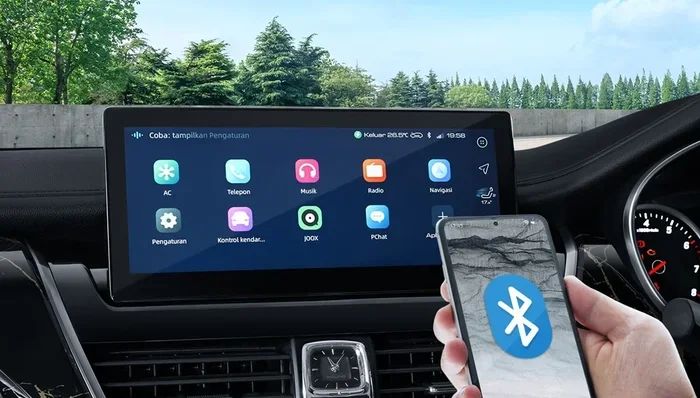
Bluetooth technology uses short-range radio waves to transmit data between devices. When you pair your phone with a bluetooth receiver or transmitter, the audio signal travels through the air instead of through a wire. This is the same basic technology used in wireless headphones and smart speakers. The difference is that a car bluetooth transmitter sends the signal to your car stereo, which then plays the music through your speakers.
Here is how the process works in simple steps. First, your phone sends the audio signal via Bluetooth. The transmitter picks up that signal. Then it converts the signal into an FM radio wave or sends it through a direct cable. Finally, your car stereo picks up the signal and plays the sound. The whole process happens in milliseconds. You will barely notice any delay.
Most bluetooth transmitters use a protocol called A2DP, which stands for Advanced Audio Distribution Profile. This is the standard for streaming high-quality stereo audio. It ensures that your music sounds clear and rich. Some cheaper models may compress the audio slightly, but the difference is barely noticeable in a car environment. If you want the best audio quality, look for transmitters that support aptX or LDAC codecs.
Types of Bluetooth Transmitters for Cars
Not all bluetooth adapters for car use the same method. There are two main types you should know about.
- FM Frequency Transmitters: These broadcast your phone’s audio over an open FM radio frequency. Your car stereo tunes into that frequency and plays the sound. They are the most popular type because they work with almost any car stereo.
- Direct AUX or USB Transmitters: These connect directly to your car’s AUX port or USB port. They send the audio signal digitally or through a wired connection. This method gives you better sound quality and less interference.
If your old car has an AUX input, a direct connection is always better. If it does not, an FM transmitter is your best bet. Both options are valid car audio upgrade solutions. The choice depends on your car’s features and your personal preferences.
Why People Want Bluetooth in Old Cars
Missing AUX and Bluetooth Features
Cars built before 2010 often lack modern connectivity features. You may find a cassette player, a CD slot, or just a basic AM/FM radio. There is no AUX input, no USB port, and definitely no Bluetooth. This can feel frustrating in a world where everyone streams music from their phone.
Think about how much you rely on your phone for entertainment. You have Spotify playlists, podcasts, audiobooks, and maybe even internet radio. Without a way to connect these to your car stereo, you are limited to what is stored on a CD or what comes through the radio dial. A bluetooth transmitter for old cars changes all of that instantly.
The Appeal of Wireless Music and Hands-Free Calls
There are two big reasons people add Bluetooth to their old cars. The first is music. Wireless audio streaming lets you play any song from your phone through your car speakers. No more swapping CDs or dealing with scratched tapes. Just pick a playlist and go.
The second reason is safety. In most states, holding your phone while driving is illegal. A bluetooth transmitter with a built-in microphone lets you take calls hands-free. You keep your hands on the wheel and your eyes on the road. Some models even let you control calls using steering wheel buttons if your car has them.
Beyond music and calls, many people use their phones for GPS navigation. Apps like Google Maps and Waze work best when you can hear turn-by-turn directions through your car speakers. A bluetooth adapter for car makes this possible in any older vehicle.
How Bluetooth Transmitters Work in Older Vehicles
FM Frequency Transmission Method
The most common way a bluetooth transmitter works in an old car is through FM frequency broadcasting. Here is how it works step by step.
- You plug the transmitter into your car’s cigarette lighter or 12V power socket.
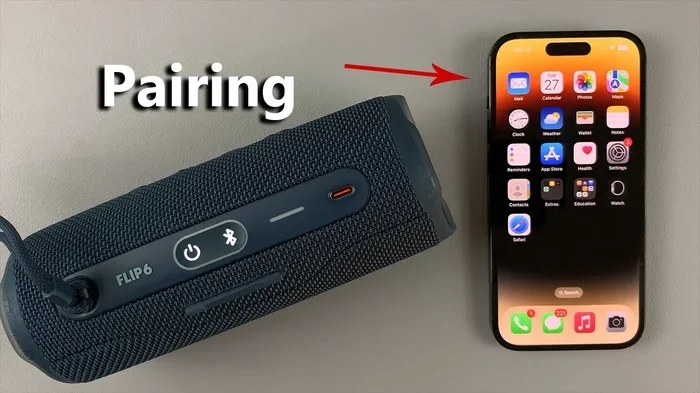
- You pair your phone with the transmitter using Bluetooth.
- You tune your car radio to a specific FM frequency that matches the transmitter.
- The transmitter sends the audio signal on that frequency.
- Your car stereo picks it up and plays the music.
This method is simple and works with almost any car. The bluetooth range is typically about 30 feet, which is more than enough for a car. The signal stays strong whether you are sitting in the driver seat or moving around the vehicle.
One thing to keep in mind is that FM frequencies can be crowded in busy cities. You might experience some signal interference from nearby radio stations. The good news is that most transmitters let you scan for the clearest frequency. Picking the right one makes a big difference in sound quality.
Direct AUX and USB Connection Options
If your old car has an AUX port, you have a better option. A direct AUX bluetooth receiver plugs into the port and pairs with your phone. The audio signal travels through the cable rather than through the air. This eliminates FM interference completely.
Direct connections offer several advantages.
- Better audio quality: The signal stays clean and strong from start to finish.
- No static or interference: You will not hear any background noise from nearby radio stations.
- More stable connection: The audio does not cut out or drop when you drive under bridges or through tunnels.
- Simpler setup: No need to tune frequencies or search for clear channels.
Some older cars have a USB port but no AUX input. In that case, you can use a USB-based bluetooth adapter. These often provide charging power to your phone as well, which is a nice bonus on long road trips.
Best Bluetooth Transmitters for Old Cars
Top Features to Look For
Not all bluetooth transmitters for old cars are created equal. When shopping, look for these key features.
- Bluetooth version 4.0 or higher: Newer versions offer better range, faster pairing, and lower power consumption.
- Noise cancellation microphone: This makes your voice clearer during hands-free calls.
- Multi-device pairing: Some transmitters can remember two or more phones, which is great for families sharing one car.
- Pass-through charging: This lets you charge your phone through the transmitter while it plays music.
- Wide frequency range: A range of 87.5 to 108.0 FM gives you more options for finding a clear channel.
- Compact design: A small transmitter is easier to store and less distracting in your car.
Also pay attention to audio codec support. Codecs like aptX and AAC deliver higher quality sound than standard Bluetooth. If you are an audiophile or just care about crisp, clear music, this matters.
Comparison of Popular Models
Here is a quick look at some well-known bluetooth transmitters and what they offer.
- Model A (Budget Option): Price around $15. Supports Bluetooth 4.1. FM broadcasting with 10 preset frequencies. Basic hands-free calling. Good for simple setups.
- Model B (Mid-Range): Price around $35. Supports Bluetooth 5.0. AUX output and FM broadcasting. Noise-canceling microphone. Pass-through USB charging. Great all-around choice.
- Model C (Premium): Price around $70. Supports Bluetooth 5.2 with aptX codec. Direct AUX connection option. Built-in battery for cordless use. Best sound quality in the lineup.
For most people driving an old car, the mid-range option hits the sweet spot. You get modern Bluetooth features, solid sound quality, and useful extras without spending a fortune. This is a great car audio upgrade that delivers real value.
Common Problems and How to Fix Them
FM Interference and Static Noise
The most common complaint about FM bluetooth transmitters is static noise. You hear a crackling or humming sound mixed in with your music. This usually happens because of FM frequency interference from nearby radio stations or electronic devices in your car.
Here is how to fix it.
- Scan for the clearest frequency: Most transmitters have a scan function. Use it to find the frequency with the least interference.
- Move away from city centers: Rural areas have fewer FM signals competing for space, so you will get cleaner audio.
- Keep the transmitter close to your stereo: Place it near the dashboard or center console for a stronger signal.
- Turn off other electronics: Some devices in your car can cause interference. Try turning off the GPS or phone charger to see if it helps.
If static persists even after trying all of these, consider switching to a direct AUX connection. This completely bypasses FM broadcasting and gives you clean, interference-free sound.
Pairing Issues and Audio Lag
Sometimes your phone will not pair with the bluetooth transmitter right away. This can be frustrating, but it is usually easy to fix.
- Make sure Bluetooth is turned on: Sounds obvious, but it is the most common mistake.
- Reset the transmitter: Turn it off and back on. This clears any stuck connections.
- Delete old pairings: If the transmitter remembers too many devices, it can get confused. Clear the memory and start fresh.
- Keep your phone close: Stay within the Bluetooth range of about 30 feet during pairing.
Audio lag, or a slight delay between the music and what you hear, can happen with cheaper models. This is because the transmitter takes time to process the signal. Upgrading to a model with a newer Bluetooth version reduces lag significantly. Look for Bluetooth 5.0 or higher for the best wireless connectivity experience.
Is a Bluetooth Transmitter Worth It for Your Old Car?
Pros and Cons of Using a Bluetooth Transmitter
Before you buy, let us weigh the pros and cons of adding a bluetooth transmitter for old cars.
Pros:
- Affordable price compared to replacing your entire stereo system.
- Easy to install. No tools or professional help needed.
- Works with almost any car, regardless of age or model.
- Enables wireless music streaming and hands-free calling.
- Portable. You can take it with you if you switch cars.
- Instantly makes your old car feel modern and connected.
Cons:
- FM transmitters can experience static or interference in crowded areas.
- Audio quality is slightly lower than a direct AUX or wired connection.
- Cheaper models may have shorter battery life or weaker Bluetooth range.
- You need to remember to turn it off when you park to save battery.
Overall, the pros far outweigh the cons for most car owners. A bluetooth adapter for car is one of the easiest and most affordable ways to modernize your driving experience.
Alternative Options to Consider
A bluetooth transmitter is not the only way to add wireless audio to your old car. Here are a few alternatives.
- Aftermarket Bluetooth Car Stereo: Replace your old stereo with a new one that has built-in Bluetooth. This gives you the best sound quality and the most features. However, it costs more and requires professional installation.
- Aux Cable with Built-in Bluetooth: Some cables connect directly to your AUX port and act as a bluetooth receiver. They are small and discreet but only work if your car has an AUX input.
- FM Modulator Kit: These are more permanent solutions that wire directly into your car’s audio system. They offer better sound than portable transmitters but require more installation effort.
If you want a quick, no-hassle solution, stick with a bluetooth transmitter for old cars. It is the fastest way to get wireless audio without any permanent changes to your vehicle.
Tips for Getting the Best Experience
Want to get the most out of your bluetooth transmitter? Follow these quick tips.
- Keep your phone’s Bluetooth software up to date for the best wireless connectivity.
- Use a high-quality FM frequency that is not used by any local radio station.
- Store your transmitter in the glove box when not in use to protect it from heat and theft.
- Clean the transmitter’s charging port regularly to ensure reliable power.
- Purchase a transmitter with a built-in microphone if you plan to take calls while driving.
- Test the device in different locations around your car to find the best sound position.
These small steps make a big difference. You will enjoy clearer sound, fewer connection drops, and a more reliable car audio upgrade overall.
Conclusion
Do bluetooth transmitters work in old cars? Yes, they do, and they work remarkably well. A bluetooth transmitter for old cars is one of the simplest and most affordable ways to bring modern wireless audio to any vintage vehicle. Whether you choose an FM broadcaster or a direct AUX adapter, you will enjoy streaming music, taking hands-free calls, and using GPS navigation through your car speakers.
The technology has come a long way. Modern bluetooth transmitters offer great sound quality, reliable connections, and easy setup. You do not need to be a tech expert or a car mechanic to use one. Just plug it in, pair your phone, and enjoy the ride. With prices starting as low as $15, there is no reason not to give your old car a car audio upgrade it deserves.
So go ahead. Make your daily commute more enjoyable. Stream your favorite playlists, take calls safely, and leave the frustration of outdated audio systems behind. A bluetooth adapter for car is a small investment that makes a big difference every time you turn the key.
Frequently Asked Questions
Can I use a Bluetooth transmitter in any old car?
Yes, bluetooth transmitters for old cars work with virtually any vehicle that has a cigarette lighter or AUX port. They are designed to be universal and compatible with most car audio systems, regardless of the car’s age or model.
Will a Bluetooth transmitter damage my old car’s stereo system?
No, a bluetooth adapter for car will not damage your stereo. The device simply sends an audio signal to your existing system. It draws a small amount of power from your car’s electrical system and does not interfere with any other components.
Is the audio quality good enough for music lovers?
The audio quality depends on the type of transmitter you choose. FM transmitters may have slight compression, while direct AUX connections deliver near-CD quality sound. For most drivers, the difference is barely noticeable and more than good enough for everyday listening.
How far does the Bluetooth range reach in a car?
Most bluetooth transmitters have a range of about 30 feet. This is more than enough for a car environment. You can sit in the passenger seat, move around, or even leave your phone in the back seat and still maintain a strong connection.
Can I take calls through a Bluetooth transmitter?
Yes, most models come with a built-in microphone that supports hands-free calling. You can answer and end calls directly from the transmitter or through your car’s audio controls. This makes driving safer and more convenient.
What is the difference between a Bluetooth transmitter and a Bluetooth receiver?
A bluetooth transmitter sends audio from your phone to your car stereo. A bluetooth receiver does the opposite, sending audio from a source to wireless headphones or speakers. For old cars, you want a transmitter that connects to your stereo and receives audio from your phone.