Can You Sleep With A Starlight Projector On All Night
Yes, you can sleep with a starlight projector on all night, and many people do it every single night. A starlight projector creates a soft, calming ambient glow that can actually improve your sleep quality and help you fall asleep faster. This guide covers everything you need to know about using a galaxy projector or night light projector while you sleep safely and effectively.
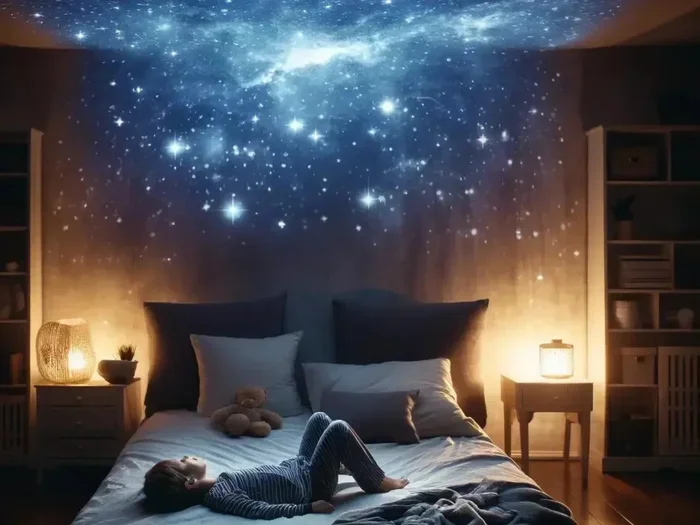
Have you ever lay in bed, staring at the ceiling, wishing your bedroom looked like a peaceful night sky? A starlight projector can turn any room into a calming galaxy of twinkling lights. But the real question is whether it is safe and effective to keep one on while you sleep all night long.
The short answer is yes. You absolutely can sleep with a starlight projector on all night. Many people do it regularly and swear by the soothing effect it has on their sleep quality. But there are important details to understand, from choosing the right brightness level to positioning the device correctly in your room.
In this article, we will explore everything you need to know about using a night light projector or galaxy projector overnight. We will look at the benefits, potential concerns, expert tips, and practical advice to help you make the best choice for your sleep environment. Whether you struggle with falling asleep or just want a more relaxing bedroom atmosphere, this guide has you covered.
Key Takeaways
- Sleeping with a starlight projector is safe: Most modern projectors use low-heat LED technology that won’t overheat or pose a fire risk overnight.
- It can improve your sleep: The soft, dim ambient light helps signal your brain that it is time to rest, supporting natural melatonin production.
- Brightness matters: Always choose a dimmable projector and keep the brightness low to avoid disrupting your sleep cycle.
- Use a sleep timer: Many star projectors come with built-in timers that auto-shutoff after 30, 60, or 90 minutes.
- Placement is key: Position the projector away from your direct line of sight and at least a few feet from your bed.
- Color choice affects sleep: Warm tones like amber and soft blue are better for sleep than bright white or vibrant colors.
- Combine with other sleep habits: Pair your star projector for bedroom use with a consistent bedtime routine for the best results.
📑 Table of Contents
- What Is A Starlight Projector And How Does It Work?
- Can You Safely Sleep With A Starlight Projector On All Night?
- How Does A Starlight Projector Affect Your Sleep?
- Benefits Of Sleeping With A Starlight Projector
- Potential Downsides And How To Avoid Them
- Best Practices For Using A Starlight Projector Overnight
- Expert Insights On Light And Sleep
- Quick Tips For Getting The Most Out Of Your Starlight Projector
- Common Mistakes People Make With Starlight Projectors
- Comparison: Starlight Projectors Vs Other Sleep Aids
What Is A Starlight Projector And How Does It Work?
A starlight projector is a device that projects patterns of lights onto your ceiling or walls. It typically uses LED technology to create images of stars, galaxies, nebulae, or other celestial scenes. Some models also include built-in speakers that play soft sounds like rain, ocean waves, or white noise.
These projectors come in many shapes and sizes. Some look like small domes that sit on a nightstand. Others are larger and need to be placed on a shelf or mounted on a wall. The technology behind them is relatively simple. A bright LED light shines through a rotating lens or holographic disc, casting moving patterns across your room.
Types Of Starlight Projectors
Not all star projectors are the same. Here are the most common types you will find on the market:
- Rotating lens projectors: These use a spinning lens to create moving star patterns. They are the most popular and affordable option.
- Holographic disc projectors: These use a physical disc with etched images to project detailed galaxy scenes. The images tend to be more vivid and realistic.
- Static star projectors: These project a fixed pattern of stars without any movement. They are great for people who prefer a calm, unchanging light.
- Combination projectors: These offer both light projection and sound features. Some also include a built-in clock or alarm function.
Most modern projectors use energy-efficient LEDs that produce very little heat. This makes them safe for extended use, including overnight operation. However, the quality and safety features can vary greatly between brands and price points.
Can You Safely Sleep With A Starlight Projector On All Night?
This is the question most people want answered, and the answer is reassuring. Yes, it is generally safe to sleep with a starlight projector on all night. Modern devices are designed with safety in mind. They use cool-running LED lights, low voltage power supplies, and automatic shutoff features.
That said, not all projectors are created equal. Some cheaper models may use lower-quality materials or lack proper heat dissipation. Before leaving any electronic device on overnight, it is smart to check a few safety basics.
Safety Considerations For Overnight Use
Here are some important safety tips to keep in mind when using your star projector for bedroom overnight:
- Check the manufacturer’s instructions: Always read the user manual. Some projectors explicitly state whether they are designed for continuous use.
- Look for cool-touch surfaces: The projector should not get hot to the touch during operation. If it does, turn it off and consider a different model.
- Use a surge protector: Plugging your projector into a surge protector adds an extra layer of electrical safety.
- Keep it away from flammable materials: Even though LEDs produce little heat, it is still wise to keep the projector away from curtains, papers, or other flammable items.
- Inspect cords regularly: Frayed or damaged cords can be a fire hazard. Check your projector’s power cord periodically for wear and tear.
- Choose reputable brands: Stick with well-known brands that have safety certifications like UL, CE, or FCC marks on the product.
As long as you follow these basic precautions, using a night light projector overnight should not pose any significant risks. Millions of people around the world use these devices every night without any issues.
How Does A Starlight Projector Affect Your Sleep?
This is where things get really interesting. The way a starlight projector affects your sleep depends on several factors, including brightness, color, and your personal sensitivity to light.
Your body has a natural clock called the circadian rhythm. This internal clock tells you when to feel awake and when to feel sleepy. Light exposure plays a huge role in regulating this rhythm. When your eyes detect light, especially blue and white light, your brain suppresses the production of melatonin. Melatonin is the hormone that makes you feel drowsy and ready for sleep.
The Role Of Ambient Light In Sleep Quality
A starlight projector creates what experts call ambient lighting. This is soft, indirect light that fills a room without being harsh or glaring. Unlike a bright overhead lamp or the blue light from a phone screen, a dim star projector provides a gentle glow that is much less likely to disrupt your melatonin production.
In fact, many sleep specialists recommend using very dim, warm-toned lighting in the hours before bed. A galaxy projector that uses warm amber or soft blue tones can fit perfectly into this recommendation. The key is keeping the light dim enough that it does not signal your brain to stay alert.
Some people find that the gentle movement of stars on their ceiling actually helps them relax. It gives their mind something soft to focus on instead of racing thoughts or worries. This can be especially helpful for people who struggle with insomnia relief or anxiety at bedtime.
Which Colors Are Best For Sleep?
Not all light colors are equal when it comes to sleep. Here is a quick guide to the best and worst colors for a starlight projector used overnight:
- Warm amber or orange: These are the best colors for sleep. They have the longest wavelength and the least impact on melatonin production.
- Soft blue: A dim, muted blue can be calming and sleep-friendly. Avoid bright or vivid blues, as they can interfere with your sleep cycle.
- Green: Soft green light is generally neutral and can feel relaxing.
- Bright white: This is the worst color for sleep. White light is stimulating and can suppress melatonin significantly.
- Vivid red or purple: These can be too stimulating for some people and may make it harder to fall asleep.
If your projector has adjustable color settings, try to stick with warm, muted tones for overnight use. This simple change can make a big difference in how well you sleep.
Benefits Of Sleeping With A Starlight Projector
Using a starlight projector as part of your nightly routine offers several real benefits. Let us look at some of the most compelling reasons to consider this addition to your bedroom.
1. Creates A Calming Sleep Environment
Your sleep environment matters more than most people realize. A dark, quiet, and comfortable room is ideal for quality sleep. A star projector adds a third element to this: a sense of calm and wonder. Looking up at a projected galaxy on your ceiling can feel almost meditative. It can help quiet your mind and ease you into a restful state.
2. Helps Children And Adults With Sleep Anxiety
Many parents use night light projectors to help children feel safe at bedtime. The gentle glow of stars can make a dark room feel less intimidating. The same principle applies to adults who experience anxiety at bedtime. A soft, familiar glow can provide comfort and a sense of security.
For children with nightmares or fear of the dark, a star projector can be a game-changer. It provides just enough light to feel safe without being bright enough to keep them awake.
3. Supports A Consistent Bedtime Routine
One of the most effective ways to improve sleep quality is to maintain a consistent bedtime routine. A starlight projector can become a reliable signal to your brain that it is time to wind down. When you turn on the projector each night, your body starts to associate that warm, gentle light with relaxation and sleep.
Over time, this association becomes powerful. You may find that simply turning on the projector helps you start feeling drowsy, even before you climb into bed.
4. Replaces Harsh Bedroom Lighting
If you need some light in your bedroom at night, a star projector is a much better option than a standard bedside lamp. Table lamps often emit direct, harsh light that can strain your eyes and keep you alert. A star projector casts soft, diffused light across the entire room, creating a much more relaxation-friendly atmosphere.
5. Adds A Touch Of Magic To Your Space
Let us not forget the simple joy of it. A bedroom filled with projected stars is genuinely magical. It can make your space feel more special and inviting. This emotional benefit should not be underestimated. When you love your bedroom environment, you are more likely to look forward to going to bed each night.
Potential Downsides And How To Avoid Them
While sleeping with a starlight projector has many benefits, there are a few potential downsides to be aware of. The good news is that all of these can be easily managed with the right approach.
Light Disruption For Light-Sleepers
Some people are very sensitive to even small amounts of light during sleep. For these individuals, any ambient glow, no matter how dim, might cause restlessness or frequent waking. If you are a light sleeper, you might want to test the projector during a nap before committing to using it all night.
A quick fix is to use the projector for the first 30 to 60 minutes after you get into bed, then turn it off. Most starlight projectors come with a built-in sleep timer that handles this automatically.
Eye Strain From Improper Placement
If the projector is positioned directly above your bed or aimed at your face, the moving patterns of stars can cause eye strain. This is especially true if the projector is too bright or too close.
The solution is simple. Place the projector on a dresser or shelf across the room, angled toward the ceiling. This creates a soft, diffuse glow that you see indirectly. You get all the ambiance without any direct light hitting your eyes.
Disrupting Your Partner’s Sleep
If you share a bed, your partner might have different preferences when it comes to sleeping with light. Some people love it, while others find even a dim glow distracting.
Communication is key here. Try using the projector for the first part of the night and turning it off once you are both settled. Alternatively, consider a projector with a directional lens that focuses the light on the ceiling rather than spreading it across the whole room.
Best Practices For Using A Starlight Projector Overnight
To get the most out of your starlight projector while you sleep, follow these practical best practices. These tips come from sleep experts and experienced users who have refined their approach over time.
1. Keep The Brightness Low
Most quality projectors have a brightness adjustment setting. Always start with the lowest setting and increase only if needed. The goal is a soft glow, not a light show. You want the light to be barely noticeable once your eyes are closed.
2. Use The Sleep Timer
Many galaxy projectors come with a built-in sleep timer function. This allows you to set the projector to automatically turn off after 30, 60, or 90 minutes. This is ideal because you get the calming effect as you fall asleep, and then the light turns itself off so it does not interfere with deep sleep.
If your projector does not have a timer, you can plug it into a simple outlet timer. These inexpensive devices let you set a specific time for the power to shut off automatically.
3. Position The Projector Strategically
Place the projector at least three to five feet away from your bed. Angle it so the light projects onto the ceiling or a wall, not directly at you. This creates a wide, even wash of light that feels immersive without being intrusive.
4. Choose The Right Model For Overnight Use
Not every projector is designed for extended use. When shopping for a projector you plan to leave on all night, look for these features:
- LED lights with low heat output
- Dimmable brightness settings
- Built-in sleep timer
- Adjustable color temperature
- Quiet operation (no loud fans)
- Safety certifications from recognized testing bodies
5. Pair It With Other Sleep-Friendly Habits
A star projector works best when combined with other good sleep habits. Here are some ideas:
- Keep your bedroom cool, ideally between 65 and 68 degrees Fahrenheit.
- Avoid screens (phones, tablets, TVs) for at least 30 minutes before bed.
- Use blackout curtains to block outside light during sleep.
- Try to go to bed and wake up at the same time every day.
- Consider pairing your projector with soft music or white noise for extra relaxation.
6. Keep The Projector Clean
Dust can accumulate on the lens of your projector over time. This can reduce image quality and cause the projector to work harder, producing more heat. Wipe the lens gently with a soft, dry cloth every week or so to keep things running smoothly and safely.
Expert Insights On Light And Sleep
Sleep experts generally agree that a very dim, warm light in the bedroom is not harmful and can even be beneficial. Dr. Chris Winter, a well-known sleep medicine specialist, has noted that the key factor is not whether there is a light on, but rather the intensity, color, and timing of that light exposure.
A starlight projector that emits soft, warm-toned light at a low intensity fits well within these guidelines. It provides a gentle visual cue that encourages relaxation without triggering a strong alerting response in the brain.
However, experts also caution against using any bright or blue-toned light source in the bedroom during the hours leading up to sleep. If your projector has a bright white or blue mode, reserve that for daytime use or for creating a fun atmosphere during parties, not for overnight sleep sessions.
The bottom line from sleep science is clear. A dim, warm ambient light source like a star projector for bedroom use can be a helpful tool for creating a soothing sleep environment. Just be mindful of brightness, color, and duration.
Quick Tips For Getting The Most Out Of Your Starlight Projector
Here are some quick, actionable tips you can start using right away:
- Start with a 30-minute timer. Let the projector run as you fall asleep, then let it auto-shutoff.
- Choose warm colors. Amber, soft orange, and muted blue are your best friends for sleep.
- Place it across the room. This creates a beautiful, immersive ceiling effect without direct light exposure.
- Test it during a nap first. This helps you determine if it affects your sleep before committing to all-night use.
- Combine it with white noise. Many projectors have built-in sound features. Use them to create a full sensory sleep experience.
- Replace the projector if it gets too bright. Over time, LEDs can sometimes increase in brightness as they age. If your projector seems too intense, it might be time for a new one.
Common Mistakes People Make With Starlight Projectors
Avoid these common pitfalls to ensure your starlight projector enhances rather than disrupts your sleep:
- Using the brightest setting: This is the most common mistake. High brightness can suppress melatonin and keep you awake longer than intended.
- Placing it too close to the bed: Direct light in your eyes can cause discomfort and make it harder to fall asleep.
- Ignoring the sleep timer: Leaving the projector on for the entire night may not be necessary and could affect very light sleepers.
- Choosing the wrong colors: Bright whites and vivid blues are stimulating, not relaxing. Stick with warm, muted tones.
- Forgetting to clean the lens: A dusty lens produces a dimmer, less appealing image and forces the device to work harder.
- Using a low-quality projector: Cheap projectors may lack proper safety certifications and could overheat during extended use.
By being aware of these mistakes, you can set up your star projector for bedroom in a way that truly supports better sleep.
Comparison: Starlight Projectors Vs Other Sleep Aids
How does a starlight projector compare to other popular sleep aids? Here is a quick comparison table to help you understand the differences:
| Feature | Starlight Projector | White Noise Machine | Sleep Mask | Aromatherapy Diffuser |
|---|---|---|---|---|
| Creates visual ambiance | Yes | No | No | No |
| Produces sound | Some models | Yes | No | No |
| Safe for overnight use | Yes (with precautions) | Yes | Yes | Yes (with caution) |
| Affects melatonin | Minimal if dim and warm | No | No | No |
| Helps with relaxation | Yes | Yes | Yes | Yes |
| Portable and easy to use | Yes | Yes | Yes | Yes |
| Cost range | $15-$80 | $15-$50 | $5-$30 | $10-$40 |
As you can see, a starlight projector offers a unique combination of visual ambiance and optional sound. It is not a replacement for other sleep aids, but it can complement them beautifully. Many people use a projector along with a white noise machine and a comfortable sleep mask for the ultimate sleep environment.
Frequently Asked Questions
Is it safe to leave a starlight projector on all night?
Yes, it is generally safe to leave a starlight projector on all night. Modern LED projectors use very little electricity and produce minimal heat. However, always check the manufacturer’s guidelines and make sure your device has proper safety certifications. Using a surge protector adds an extra layer of safety for overnight use.
Can a starlight projector help me fall asleep faster?
Many people find that a starlight projector helps them fall asleep faster. The soft, dim ambient light creates a calming atmosphere that signals your brain to relax. Combined with warm color tones and a consistent bedtime routine, it can be a helpful tool for improving your overall sleep quality.
What is the best color for a starlight projector at night?
Warm amber and soft orange tones are the best colors for sleep. These colors have the least impact on your melatonin production and are the least stimulating to the brain. Avoid bright white and vivid blue settings, as these can interfere with your natural sleep cycle.
Will a starlight projector keep my room too bright for deep sleep?
Not if you use it correctly. The key is to keep the brightness low and position the projector so the light falls on the ceiling rather than directly into your eyes. Most people find that a dim star projection creates a gentle glow that is perfectly fine for deep sleep, especially if you use the built-in sleep timer to turn it off after you have fallen asleep.
Can children sleep safely with a starlight projector on?
Yes, children can sleep safely with a night light projector on. In fact, many parents use them to help kids feel comfortable in the dark. Choose a projector with warm, dim light and place it out of reach. Always supervise younger children during initial use to ensure they are comfortable with the device.
How long should I leave my starlight projector on before sleep?
There is no set rule, but most sleep experts recommend using the projector for 20 to 60 minutes before you plan to fall asleep. You can use the built-in sleep timer to auto-shutoff after this period. This gives your brain enough time to wind down and start producing melatonin, helping you transition into quality sleep naturally.
=== CONCLUSION ===
So, can you sleep with a starlight projector on all night? The answer is a confident yes. A galaxy projector or night light projector can be a wonderful addition to your bedroom. It creates a calming, magical atmosphere that supports relaxation and better sleep quality.
The key is to use it wisely. Keep the brightness low, choose warm and muted colors, position the projector correctly, and make use of the built-in sleep timer. These simple steps ensure that your star projector for bedroom enhances your sleep environment rather than disrupting it.
Remember that a starlight projector is just one piece of the sleep puzzle. Combine it with other healthy sleep habits like a consistent bedtime, a cool room temperature, and limited screen time before bed. When you do, you set yourself up for the kind of deep, restorative sleep your body truly needs.
Give it a try tonight. Turn on your starlight projector, dim the lights, and let the gentle glow of a projected galaxy carry you into a peaceful night of sleep. Your bedroom can become a personal sanctuary of stars, and with the right setup, it can help you wake up feeling more rested and refreshed than ever before.