Can You Take Pictures On A Plane Without Getting Caught
Yes, you can take pictures on a plane in most cases, but there are specific rules you need to follow. Airlines and the FAA allow personal photography during flights, yet crew members may have different opinions. This guide breaks down airline photography rules, in-flight camera tips, and how to capture amazing shots without causing problems.
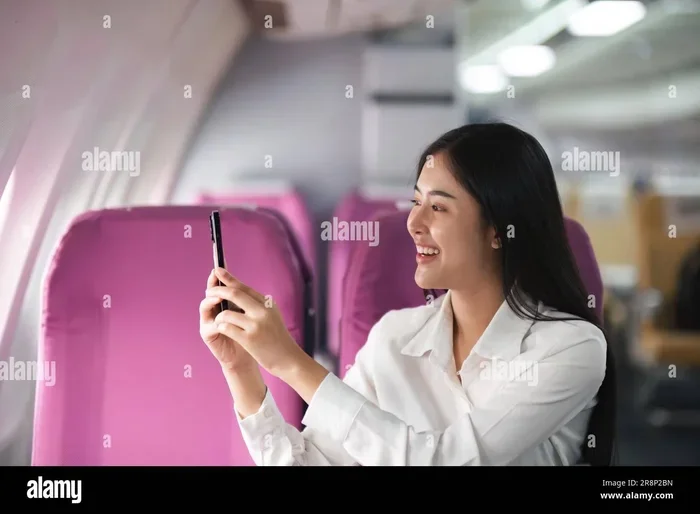
Have you ever sat on a plane, looked out the window at a breathtaking sunset or cloud formation, and thought, “I really want to capture this moment”? You are not alone. Taking pictures on a plane is something millions of travelers do every single day. But the question remains: can you do it without getting into trouble? The short answer is yes. The longer answer involves understanding a few simple rules, knowing the right equipment, and being respectful of others around you.
This guide covers everything you need to know about airplane photography. We will explore airline policies, camera settings, and practical tips that help you take great photos without anyone batting an eye. Whether you are a seasoned travel photographer or just someone who loves snapping sunset shots from 35,000 feet, you will find useful advice here.
Let us dive in and make sure your next flight is a great opportunity for in-flight photography rather than a stressful experience.
Key Takeaways
- Personal photography is generally allowed: Most airlines let passengers snap photos during flights for personal use.
- Crew consent matters: Flight attendants and pilots may have specific rules about photographing them or cockpit areas.
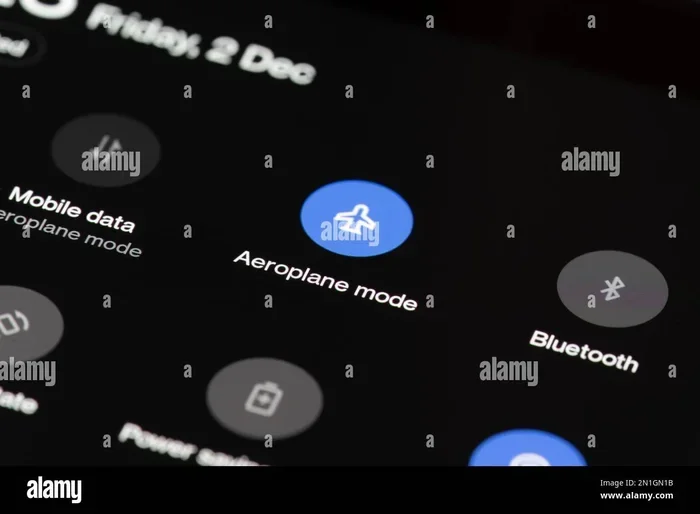
- Airplane mode is essential: Always switch your devices to airplane mode before taking photos to avoid interference concerns.
- Window seats offer the best shots: A window seat gives you the clearest view for stunning aerial and landscape photography.
- Avoid flash photography: Flash can distract pilots and fellow passengers, so use natural light instead.
- Drone cameras are banned: Drones are strictly prohibited on commercial flights in most countries.
- Know your rights: Understanding TSA and airline policies helps you photograph confidently without stress.
📑 Table of Contents
The Rules of Taking Photos on a Plane
General Photography Policies
Most airlines allow passengers to take personal photos during flights. There is no universal law that bans photography on airplanes. However, each airline has its own set of guidelines. These policies focus on safety, privacy, and passenger comfort.
The Federal Aviation Administration (FAA) does not prohibit passengers from using cameras during flights. In fact, the FAA allows the use of electronic devices during most phases of flight. This includes smartphones, tablets, and cameras. The key rule is that all devices must be in airplane mode during takeoff and landing.
Here are some general rules to keep in mind:
- Personal use is allowed: You can photograph your window view, your travel companions, or your own belongings.
- No flash photography: Flash can distract the flight crew and other passengers. It is best to avoid it entirely.
- Respect privacy: Do not photograph other passengers without their permission. This is both polite and, in some cases, legally required.
- Follow crew instructions: If a flight attendant asks you to stop taking photos, comply immediately.
FAA and TSA Regulations
The Transportation Security Administration (TSA) does not restrict photography in airports or on planes. You can legally take photos of your boarding pass, your seat, and the airport scenery. However, there are a few sensitive areas where photography is prohibited.
These areas include:
- Security checkpoints: Do not photograph screening procedures or security personnel.
- Cockpit doors: Photographing or filming cockpit doors is strictly prohibited for obvious security reasons.
- Restricted areas: Any area marked as restricted in the airport should not be photographed.
The airplane mode photography rule is the most important one to remember. Electronic devices can emit signals that potentially interfere with aircraft navigation systems. While modern devices are much safer, the precaution remains in place. Always enable airplane mode before you start clicking away.
Best Cameras and Equipment for Airplane Photography
Smartphones: Your Best Friend in the Sky
For most travelers, a smartphone is the go-to tool for airplane window photography. Modern phones have incredible cameras that produce sharp, vibrant images. You do not need expensive gear to capture stunning shots from 30,000 feet.
Here are some tips for using your phone on a plane:
- Clean your lens: It sounds simple, but a smudged lens ruins every photo. Wipe it with a soft cloth before you start shooting.
- Use burst mode: Clouds move fast. Burst mode helps you capture the perfect moment.
- Adjust exposure: Tap on the brightest part of the window to balance the light.
- Turn off HDR: HDR can sometimes create a glow effect on windows. Try turning it off for sharper results.
Compact Cameras and Point-and-Shoots
If you want better quality than a smartphone, a compact camera is a great choice. Models like the Sony RX100 or Canon PowerShot G7 X offer excellent image quality in a small package. These cameras fit easily in your seat pocket or carry-on bag.
When choosing a compact camera for travel photography on planes, look for these features:
- Optical zoom: A good zoom lets you capture distant landscapes from the window.
- Wide aperture: This helps in low-light conditions, like when flying at night.
- Image stabilization: This reduces blur from airplane vibrations.
DSLR and Mirrorless Cameras
Serious photographers often bring DSLR or mirrorless cameras on flights. These cameras offer the best image quality and creative control. However, they come with trade-offs. They are bulky, heavy, and can attract attention from fellow passengers and crew.
If you bring a DSLR or mirrorless camera, keep these tips in mind:
- Use a smaller lens: A 24-70mm or 50mm prime lens is less obtrusive than a large telephoto.
- Keep it in your bag during taxi and takeoff: Some airlines ask you to stow larger items during these phases.
- Be mindful of seat space: You do not want your camera gear taking up extra room in a crowded cabin.
What About Drones?
Let us be clear: drones are not allowed on commercial flights. You cannot pack a drone in your carry-on or checked luggage. The FAA bans drones on planes due to battery fire risks and interference concerns. If you want aerial photography, you need to explore ground-based options or rent a drone at your destination.
Tips for Stunning In-Flight Photos
Timing Is Everything
The best time for airplane photography depends on what you want to shoot. For landscape and cloud photos, the golden hours around sunrise and sunset are unbeatable. The light is warm, soft, and creates dramatic colors across the sky.
For city lights at night, try shooting during the descent phase. The lights of cities below create beautiful patterns that look amazing from above. Just make sure you follow all crew instructions and keep your camera steady.
Window Seat Hacks
A window seat is essential for great airplane window shots. But even with a window seat, there are challenges. Reflections from the window can ruin your photos. Here is how to deal with them:
- Press your lens against the window: This minimizes reflections and keeps the lens steady.
- Use a lens hood: A lens hood blocks stray light and reduces glare.
- Shoot at an angle: Sometimes angling your camera slightly reduces reflections without touching the window.
- Choose the right seat: Window seats on the left side of the plane offer better sunset shots on eastbound flights. Right-side seats work better for westbound flights.
Camera Settings for Airplane Photography
Getting the right camera settings makes a huge difference. Here are some recommended settings for in-flight photography:
- Shutter speed: Use 1/250s or faster to freeze motion from airplane vibrations.
- ISO: Keep ISO between 100 and 800 for clean images. Raise it only if the light is low.
- Aperture: f/5.6 to f/8 gives you a good balance of sharpness and depth of field.
- White balance: Set it to auto or daylight for accurate colors.
- Shooting format: Shoot in RAW if your camera allows it. RAW files give you more flexibility in editing.
Capturing the Cabin Experience
Not all great photography on flights happens at the window. You can also capture interesting moments inside the cabin. The overhead lighting, the texture of the seats, and the view of other passengers from your angle can all make compelling photos. Just remember to be respectful and never photograph someone without their permission.
Common Mistakes People Make When Photographing on Planes
Using Flash at 35,000 Feet
This is the number one mistake people make. Flash photography on a plane is a bad idea for several reasons. It distracts the pilots, especially during critical phases of flight. It also annoys nearby passengers who are trying to rest. Always turn off your flash before you start shooting.
Forgetting Airplane Mode
Even though modern devices are safer than ever, forgetting to enable airplane mode is still a common error. This can lead to interference warnings from the crew. At best, you will be asked to turn it off. At worst, you could face a conversation with the captain. Do not risk it. Always switch to airplane mode.
Being Too Obtrusive
Some travelers set up tripods, extend their arms across multiple seats, or block the aisle while trying to get the perfect shot. This creates friction with other passengers and crew members. Keep your photography setup simple and compact. A smartphone or a small camera held in your hands is usually the best approach.
Ignoring Crew Instructions
If a flight attendant asks you to put your camera away, do it immediately. Arguing or ignoring the request is a quick way to get yourself in trouble. The crew has the authority to enforce rules on their aircraft. Respecting their instructions is not just polite, it is essential for a smooth flight.
Shooting Through Dirty Windows
Airplane windows can be surprisingly dirty. Fingerprints, smudges, and grime are common. Before you start shooting, wipe the window with a soft cloth if possible. This small step can dramatically improve the quality of your airplane photography.
What Airlines Say About Photography
Major Airline Policies
Different airlines have different stances on in-flight photography. Here is a quick look at how some major carriers handle the issue:
- Delta Air Lines: Allows personal photography. Crew discretion applies for photos of staff or cockpit areas.
- American Airlines: Permits personal photos during flights. Flash and video recording of crew are not allowed.
- United Airlines: Personal photography is allowed. Crew members may request you stop if it disrupts the cabin.
- Southwest Airlines: Generally relaxed about passenger photography. Common sense and courtesy apply.
- British Airways: Allows personal photos. Professional photography requires prior approval from the airline.
These policies are not set in stone and can vary by flight, crew, and situation. The best approach is always to be polite, discreet, and respectful.
The Cockpit Photography Rule
Photographing or filming the cockpit is strictly prohibited on virtually all airlines. This rule exists for security reasons. The cockpit is a sensitive area, and any photography in or around it can raise serious concerns. Even during cruise when the pilots leave the cockpit, do not attempt to photograph the area.
Expert Tips for Taking Photos Without Getting Caught
Let us address the elephant in the room. The title of this article asks about taking photos “without getting caught.” The truth is, you should not be trying to hide your photography. Instead, focus on being a respectful and considerate passenger. That said, here are some expert tips that help you blend in and capture great shots naturally.
Keep It Low-Key
Use your phone or a small camera casually. Do not set up a full photography station in your seat. A quick snap of the window view and then back to your book or movie is the perfect approach. The less attention you draw, the smoother your experience will be.
Be Friendly with the Crew
If you want to take a photo of a beautiful sunset and the crew is nearby, a simple smile and a quiet “enjoying the view” goes a long way. Being friendly and approachable makes people less likely to object. If the crew sees you are being respectful, they will rarely intervene.
Shoot During Cruise
The most relaxed time to photograph on a plane is during cruise. The seatbelt sign is usually off, the cabin is calm, and the views are often spectacular. Takeoff and landing are busy phases where crew attention is focused on safety. Avoid photography during these times to stay on everyone’s good side.
Use Natural Light Only
Natural light from the window is your best friend for airplane photography. It creates beautiful, soft images that look professional. Turn off your flash, avoid screen glare, and let the natural light do the work. This approach also makes your photography less noticeable to others.
Edit Later, Not On the Plane
Spend your time in the air enjoying the view rather than editing photos. Save the post-processing for when you land. This keeps you present and engaged with your surroundings, and it prevents you from staring at your screen for hours, which can bother seatmates.
Key Takeaways
- Personal photography is generally allowed: Most airlines let passengers snap photos during flights for personal use.
- Crew consent matters: Flight attendants and pilots may have specific rules about photographing them or cockpit areas.
- Airplane mode is essential: Always switch your devices to airplane mode before taking photos to avoid interference concerns.
- Window seats offer the best shots: A window seat gives you the clearest view for stunning aerial and landscape photography.
- Avoid flash photography: Flash can distract pilots and fellow passengers, so use natural light instead.
- Drone cameras are banned: Drones are strictly prohibited on commercial flights in most countries.
- Know your rights: Understanding TSA and airline policies helps you photograph confidently without stress.
Conclusion
So, can you take pictures on a plane without getting caught? Absolutely. The key is to be informed, respectful, and discreet. Taking photos on a plane is a wonderful way to preserve travel memories and capture the beauty of the sky. With the right knowledge and a little common sense, you can enjoy in-flight photography without any problems.
Remember to follow airline rules, respect crew instructions, and always use airplane mode. Choose the right equipment, shoot during the best times, and keep your setup simple. A little consideration goes a long way toward making your photography experience pleasant for everyone on board.
The skies are full of incredible views, and your camera is the perfect tool to capture them. Next time you board a plane, bring your camera, follow these guidelines, and enjoy the art of airplane photography. Happy shooting.
Frequently Asked Questions
Is it legal to take photos on a plane?
Yes, taking personal photos on a plane is legal in most countries. The FAA and TSA do not prohibit passenger photography during flights. However, you must follow airline-specific rules and respect the privacy of other passengers and crew members.
Can I photograph the cockpit or pilots during a flight?
No, photographing the cockpit or pilots during a flight is strictly prohibited by all major airlines. Cockpit areas are considered sensitive security zones. Violating this rule can result in serious consequences, including being removed from the flight.
Do I need to turn on airplane mode when taking photos?
Yes, you should always enable airplane mode before taking photos on a plane. This prevents your device from emitting wireless signals that could potentially interfere with aircraft navigation systems. It is a simple precaution that keeps everyone safe.
Can airlines stop me from taking photos?
Airlines and their crew members can ask you to stop taking photos if they believe it is disrupting the cabin or violating privacy rules. While personal photography is generally allowed, crew members have the authority to enforce rules on their aircraft. Always comply with their requests.
What is the best camera for airplane window photography?
For most travelers, a smartphone with a good camera is the best choice. If you want higher quality, a compact camera with optical zoom and image stabilization works well. DSLR and mirrorless cameras offer the best results but are bulkier and less convenient in a cramped airplane seat.
Can I use my drone on a plane?
No, drones are not allowed on commercial flights. The FAA and most international aviation authorities prohibit drones in both carry-on and checked luggage. The lithium batteries in drones pose a fire risk, and drone signals can interfere with aircraft systems.