How Do Cell Phone Circuit Boards Work and What They Do
Cell phone circuit boards are the brains and nervous system of every smartphone. They connect tiny electronic parts that process calls, run apps, and display images. Understanding how they work helps you appreciate the technology in your pocket and make smarter buying decisions.
Have you ever wondered what makes your phone actually work? Every time you tap a screen or make a call, something amazing is happening inside your device. The cell phone circuit board is the hidden hero behind it all.
A circuit board is a flat board made of fiberglass and copper. It holds tiny parts that work together to make your phone smart. Without it, your phone would just be a empty shell of glass and metal.
In this article, we will break down exactly how these boards work. We will look at the parts inside them. We will explain how signals move through them. And we will show you why understanding this matters for your daily phone use. Let us dive right in.
Key Takeaways
- A cell phone circuit board is the main platform that holds all electronic parts together.
- Key components include the microprocessor, memory chips, capacitors, and transistors.
- Circuit traces act like roads that carry electrical signals between parts.
- Power management ensures your phone gets the right voltage at all times.
- Modern smartphone circuit boards are smaller and smarter than ever before.
- Knowing how your board works can help you troubleshoot common phone issues.
- Soldering and component layout are critical to how well your phone performs.
📑 Table of Contents
What Is a Cell Phone Circuit Board?
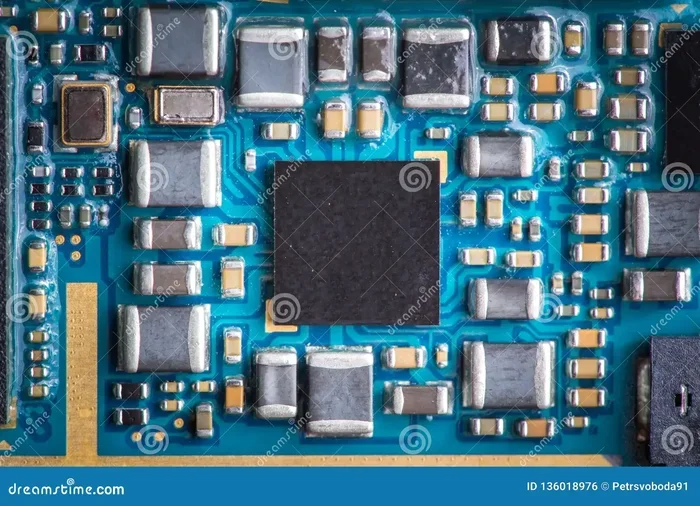
A cell phone circuit board is also called a printed circuit board, or PCB. It is the green (or sometimes black) flat piece inside your phone. Think of it like a city map. The board has roads, buildings, and power lines all built into one small space.
The board itself is made from a material called FR4. This is a tough fiberglass that does not melt easily. Copper layers are etched onto it to create paths for electricity. These paths are called circuit traces. They connect every part on the board.
Your phone may have more than one board. The biggest one is the motherboard. It holds the most important parts. Smaller boards handle specific jobs like connecting to Wi-Fi or managing the battery.
Why the Circuit Board Matters
The circuit board is the backbone of your phone. It gives every part a place to sit and a way to talk to each other. If the board is damaged, your phone may stop working completely.
Here is why the board is so important:
- It connects all parts physically so nothing moves around.
- It routes electrical signals between the processor, screen, and battery.
- It manages power flow so each part gets the right amount of electricity.
- It keeps things compact so your phone stays slim and light.
Without a well-designed board, modern smartphones simply could not exist. The whole magic of a pocket-sized computer depends on this one piece.
The Main Components of a Circuit Board
A smartphone motherboard is packed with tiny parts. Each part has a specific job. Let us look at the most important ones.
Microprocessor (The Brain)
The microprocessor is the most important part on the board. It is also called the CPU, or central processing unit. This chip runs everything your phone does. It opens apps, plays videos, and runs your games.
The processor works by following instructions very fast. It can do billions of calculations per second. Modern phone processors are incredibly small. They fit billions of tiny switches called transistors onto a chip the size of a fingernail.
Memory Chips (Short-Term and Long-Term)
Your phone uses two main types of memory. RAM, or random access memory, handles short-term tasks. It holds what you are doing right now. ROM or flash memory stores your apps, photos, and files long-term.
These chips sit right on the circuit board. They connect directly to the processor. Together, they make sure your phone runs fast and remembers your data.
Capacitors and Resistors
Capacitors store small amounts of electricity. They release it when needed. Resistors control how much electricity flows through a part. Both are essential for keeping your phone stable.
You will find hundreds of these tiny parts on every board. They are often the size of a grain of rice. Despite their size, they play a huge role in performance.
Integrated Circuits (ICs)
An integrated circuit, or IC, is a chip with many parts built in. Your phone has dozens of ICs. Each one handles a specific job. Some manage the screen. Others handle audio or wireless signals.
ICs are soldered directly onto the board. This creates a strong and permanent connection. The component layout on the board is carefully planned to avoid interference and save space.
How Signals Travel Through a Circuit Board
Now that you know the parts, let us talk about how they communicate. Signals travel through the board using circuit traces. These are thin copper paths etched into the board surface.
How Circuit Traces Work
Think of circuit traces like streets on a map. Each trace connects two parts on the board. When electricity flows through a trace, it sends a signal. That signal tells a part what to do.
Traces come in different widths. Thicker traces carry more power. Thinner traces carry smaller signals. The board designer plans each trace carefully. The goal is to avoid delays and interference.
Signal Processing Basics
Your phone receives many types of signals. There are audio signals for calls. There are radio signals for Wi-Fi and cell towers. There are digital signals for data.
The processor takes these signals and makes sense of them. It uses logic gates to process information. Logic gates are tiny switches inside the processor. They turn on and off very fast to represent ones and zeros.
This is how your phone turns a tap on the screen into an action. The signal travels from your finger to the touch sensor. Then it goes through the circuit traces to the processor. The processor figures out what you want. Then it sends a command back to the screen or app.
All of this happens in milliseconds. You never even notice it is happening.
Ground Planes and Shielding
A ground plane is a layer of copper on the board. It acts as a reference point for all electrical signals. It also helps reduce noise and interference.
Some parts of the board are shielded with metal covers. This prevents signals from one part interfering with another. Good shielding is key to clear calls and fast data speeds.
Power Management on Your Phone’s Board
Every part of your phone needs electricity. But they all need different amounts. The power management unit handles this job on the circuit board.
The Voltage Regulator
A voltage regulator is a part that controls the electricity flow. It makes sure each component gets the right voltage. Too much power can damage parts. Too little power can cause crashes.
The regulator takes power from your battery. It then splits it into different levels for different parts. The processor might need one voltage. The screen might need another.
Battery Management
The circuit board also talks to your battery. It monitors how much charge is left. It controls how fast you charge. It even protects the battery from overheating.
Good power management is what gives you all-day battery life. Without it, your phone would drain fast or could even become unsafe.
Quick Tips for Better Power Use
Want your phone to last longer on a single charge? Try these tips:
- Close apps you are not using. They still draw power in the background.
- Lower your screen brightness. The display uses a lot of electricity.
- Turn off Wi-Fi and Bluetooth when you do not need them.
- Use battery saver mode when your charge is low.
These small habits help your power management circuit work less hard. That means longer battery life for you.
How Circuit Boards Have Evolved
The first cell phone circuit boards were very simple. They had a few parts for calls and basic texts. Today’s boards are a completely different story.
From Big to Small
Early phones had boards the size of a book. Modern smartphone boards fit in a space smaller than a credit card. Engineers achieved this through smaller parts and smarter layouts.
Today, many parts are built directly onto the board surface. Others are stacked in layers. A modern board may have eight or more layers of copper and fiberglass. This allows for incredibly complex designs in a tiny space.
Multi-Layer Boards
A multi-layer PCB has several layers of circuits stacked together. The layers are glued and pressed together under heat. This creates one solid board with tons of hidden paths.
Multi-layer boards allow designers to route more signals. They also help reduce interference between parts. This is why modern phones can do so much in such a small body.
The Future of Phone Boards
Engineers are always pushing the limits. New materials and techniques are making boards even better. Some companies are experimenting with flexible boards. These could lead to phones that bend or fold.
Another trend is integrating more functions into one chip. Instead of many separate parts, future boards may use fewer, smarter chips. This could make phones even faster and more efficient.
The printed circuit board technology continues to evolve fast. Every new phone generation brings smaller parts and better designs. It is an exciting time for this field.
Common Problems with Circuit Boards
Even though boards are built to last, problems can happen. Knowing what to look for can save you time and money.
Water Damage
Water is the enemy of circuit boards. It causes short circuits and corrosion. If your phone gets wet, turn it off right away. Do not try to charge it. Let it dry completely before turning it back on.
Overheating
Too much heat can damage parts on the board. The soldering joints can weaken over time. If your phone gets very hot, give it a break. Remove the case to help it cool down.
Physical Damage
Dropping your phone can crack the board. It can also break solder connections. If your phone stops working after a drop, the board may be damaged. A professional repair tech can often fix this.
Common Mistakes That Hurt Your Board
Here are some things to avoid:
- Using cheap chargers. They can send inconsistent power to the board.
- Ignoring software updates. Updates often fix power and signal bugs.
- Exposing your phone to extreme heat. Like leaving it in a hot car.
- Opening your phone yourself. Unless you are trained, you can damage the board.
Taking care of your phone means taking care of its circuit board. A healthy board means a healthy phone.
Expert Insights on Circuit Board Design
We spoke with an electronics engineer about how boards are made. Here is what they shared.
“The layout of components on a board is just as important as the parts themselves,” says the expert. “Every trace is planned to minimize signal loss and heat. A well-designed board can make a phone run faster and last longer.”
Designers use special software to plan every detail. They test the layout virtually before any board is made. This saves time and reduces errors during production.
The motherboard in your phone went through many rounds of testing. Engineers checked signal strength, power use, and heat levels. Only after passing all tests does a board go into production.
Key Takeaways
- A cell phone circuit board is the main platform that holds all electronic parts together.
- Key components include the microprocessor, memory chips, capacitors, and transistors.
- Circuit traces act like roads that carry electrical signals between parts.
- Power management ensures your phone gets the right voltage at all times.
- Modern smartphone circuit boards are smaller and smarter than ever before.
- Knowing how your board works can help you troubleshoot common phone issues.
- Soldering and component layout are critical to how well your phone performs.
Conclusion
The cell phone circuit board is truly the heart of your smartphone. It connects every part, manages power, and processes signals millions of times per second. Understanding how it works gives you a deeper appreciation for the device you use every day.
From the tiny transistors to the multi-layer board design, every detail matters. The next time you tap your screen or make a call, remember the incredible technology working silently inside.
Taking care of your phone means taking care of its board. Avoid water, heat, and cheap chargers. Keep your software updated. These simple steps can help your circuit board last for years.
Technology keeps moving forward. Board designs will only get more impressive. But the basic principles stay the same. A well-designed board with quality parts and smart layout makes all the difference.
Now that you know how cell phone circuit boards work, you are better equipped to understand your device. You can make smarter choices about care, repairs, and even upgrades. Share this knowledge with friends who love their gadgets as much as you do.
Frequently Asked Questions
What is the main job of a cell phone circuit board?
The main job is to connect all the electronic parts inside your phone. It routes signals between the processor, memory, screen, and battery. Without the board, none of these parts could work together.
Can a damaged circuit board be repaired?
Yes, in many cases. A skilled technician can replace damaged parts or resolder loose connections. However, severe damage may require a full board replacement. Always get a professional to assess the damage first.
How many layers does a modern phone circuit board have?
Most modern smartphone boards have between four and eight layers. Some high-end phones use even more. More layers allow for more complex routing in a smaller space.
What causes a circuit board to fail?
The most common causes are water damage, overheating, and physical drops. Cheap power sources can also wear out the board over time. Regular care and proper charging habits help prevent failure.
Is a circuit board the same as a motherboard?
Yes, in phones the terms are used interchangeably. The motherboard is the main circuit board. It holds the most critical components like the processor and memory.
Do circuit boards wear out over time?
They can. Solder joints may weaken with heat and use. Components can also degrade over many years. However, a well-maintained board can last the entire life of the phone.