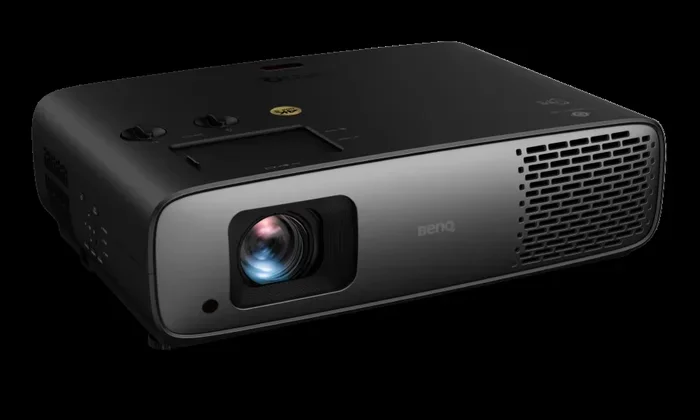
Do Movie Theaters Use Digital Projectors Right Now
Do movie theaters use digital projectors right now? The answer is a clear yes. Almost every modern cinema has fully replaced old film projectors with digital cinema projection systems. This shift changed how movies reach audiences and made the viewing experience better for millions of people worldwide.
Do movie theaters use digital projectors right now? If you have ever sat in a dark cinema chair and watched a blockbuster light up the screen, the answer is almost certainly yes. The days of bulky film reels and clicking projectors are mostly gone. Today’s movie theater technology relies on digital systems that deliver stunning picture quality with incredible reliability.
This shift from analog to digital changed the entire entertainment industry. Studios, theater owners, and audiences all felt the impact. Let us dive deep into how this transformation happened and what it means for the future of going to the movies.
Whether you are a casual moviegoer or a tech enthusiast, understanding digital cinema projection helps you appreciate what happens behind the scenes before the lights go down and the previews start rolling.
Key Takeaways
- Digital projectors dominate modern cinemas: Over 95% of movie theaters worldwide now use digital projection systems instead of old film reels.
- The switch happened fast: Hollywood studios pushed hard for digital cinema package distribution starting around 2010, and theaters followed quickly.
- Laser and 4K are the new standards: Modern theaters now use laser projectors and 4K resolution for sharper, brighter images than ever before.
- Small theaters struggled with the cost: Converting to digital projection required big upfront investments that some independent cinemas found tough.
- Film is making a small comeback: Some niche theaters and film festivals still project movies on actual film for a nostalgic experience.
- Future tech is already here: High dynamic range and immersive audio are pushing cinema projection into exciting new territory.
📑 Table of Contents
- The Big Switch From Film to Digital
- How Digital Projectors Work in Movie Theaters
- Types of Digital Projectors Used in Cinemas Today
- Benefits of Digital Projection for Movie Theaters
- Are There Still Theaters Using Old Film Projectors?
- The Future of Cinema Projection Technology
- Key Takeaways
- Common Mistakes People Make About Cinema Projection
- Expert Insights on Digital Cinema
- Quick Tips for Movie Lovers Who Want Better Projection
- Conclusion
The Big Switch From Film to Digital
For decades, movie theaters relied on 35mm film to show movies. Heavy cans of film reels traveled from studio to theater across the world. A projectionist loaded the reels onto a film projector, threaded the thin strip of celluloid through the gate, and carefully watched the movie unfold frame by frame.
Then digital technology arrived and changed everything. Studios realized they could skip the costly process of creating and shipping physical film prints. A single digital file could travel across the world in seconds. This saved studios millions of dollars every year.
When Did Theaters Start Going Digital?
The transition began in the early 2000s. Major theater chains like AMC and Regal started installing digital cinema projectors around 2005. By 2013, more than 90% of theaters in North America had made the switch. Hollywood studios stopped distributing movies on film almost entirely by 2015.
The speed of this change surprised many people. Independent theaters and small cinemas had a harder time keeping up. A single digital projector cost between $60,000 and $150,000 back then. That was a huge investment for a small business owner.
Government programs helped. In some countries, cultural grants funded the conversion. In the United States, the National Endowment for the Arts supported smaller theaters during the transition. Without that help, the shift might have taken even longer.
How Digital Projectors Work in Movie Theaters
Understanding digital cinema projection does not require a tech degree. The basic idea is simple. A digital projector reads a computer file and displays the movie on a giant screen using light and mirrors.
Here is how it works in plain terms:
- A digital cinema package (DCP) arrives at the theater as a hard drive or gets downloaded via secure internet connection.
- The projectionist loads the DCP into the server connected to the projector.
- The projector shines a powerful light through tiny mirrors or liquid crystals.
- The image gets magnified and projected onto the cinema screen.
- Sound comes from separate speakers positioned around the theater for immersive audio.
The entire process takes seconds to set up. Compare that to the old days of splicing film strips together and threading them through a mechanical gate. Digital projection is faster, quieter, and far less prone to technical problems.
The Role of the DCP
A digital cinema package is the standard format for distributing movies digitally. It contains the picture and sound files in a specific format that all certified theaters can read. Think of it like a USB drive with a movie built for that exact projector system.
Each DCP is encrypted and secure. Studios use digital rights management to prevent piracy. The files are typically stored on rugged hard drives that travel in protective cases. Some larger chains now receive DCPs through secure cloud downloads, which speeds up delivery even more.
Types of Digital Projectors Used in Cinemas Today
Not all digital projectors are the same. Movie theaters use different brands and models depending on their budget, screen size, and desired picture quality. Let us look at the most common types.
Christie Projectors
Christie is one of the biggest names in digital cinema projection. Their projectors power a huge number of theaters worldwide. Christie makes both standard and laser models. Many IMAX and premium large format screens use Christie equipment.
These projectors are known for their brightness and color accuracy. They handle the demands of high-volume screening schedules well. A Christie projector can run for thousands of hours before needing major maintenance.
Barco Projectors
Barco is another major player. Belgian company Barco has been making projection equipment for decades. Their cinema projectors are used in many multiplexes and arthouse theaters alike.
Barco offers a range of models for different screen sizes. Their newer laser projectors deliver excellent contrast and deep blacks. Many theater owners choose Barco for its reputation and long-term support.
Sony Cinema Line
Sony entered the cinema projection market with its professional-grade line of projectors. Sony models are popular for their sharp image quality and reliable performance. Some independent theaters prefer Sony because of competitive pricing.
Sony also partners with Dolby on certain Dolby Cinema installations. These premium setups combine Sony projection with Dolby’s proprietary sound and lighting technology.
Laser vs. Lamp-Based Projectors
The biggest debate in modern cinema projection is laser versus traditional lamp-based systems. Here is a quick comparison:
| Feature | Lamp-Based Projectors | Laser Projectors |
|---|---|---|
| Brightness | Good, but dims over time | Excellent, stays consistent |
| Lifespan | 2,000 to 5,000 hours | 20,000+ hours |
| Color Accuracy | Good | Outstanding |
| Maintenance | Frequent lamp replacements | Very low maintenance |
| Upfront Cost | Lower | Higher |
| Contrast | Standard | Superior deep blacks |
Laser projectors are becoming the new standard. They last much longer and maintain their brightness throughout their lifespan. Theaters that have made the switch to laser projection report happier audiences and lower long-term costs.
Benefits of Digital Projection for Movie Theaters
The move to digital film distribution brought many advantages. Let us explore the biggest benefits that drove theaters to make the change.
Lower Operating Costs Over Time
Yes, digital projectors are expensive upfront. But over time, they save theaters money. No more buying, shipping, or storing heavy film reels. A single digital file can screen a movie thousands of times without any degradation in quality.
Film prints were costly too. A single 35mm print for a wide release could cost $1,500 to $2,500. Multiply that by hundreds of screens and the savings from digital add up fast.
Better Picture Quality
Digital projectors deliver sharp, bright images with vibrant colors. Modern 4K projectors show incredible detail that film simply cannot match. Audiences notice the difference, and that keeps them coming back to the theater.
4K resolution means the picture is incredibly crisp. You can see every detail in a sweeping landscape shot or every pore on an actor’s face during an intense close-up. This level of clarity makes the movie-watching experience much more immersive.
Reliability and Consistency
Old film projectors could jam, scratch, or skip. A torn film reel meant a disrupted showing and unhappy customers. Digital projectors rarely have these problems. Once the file loads, the movie plays smoothly from start to finish.
Theater staff spend less time troubleshooting projection issues and more time helping customers. This reliability also means fewer refunds and complaints.
Support for Advanced Formats
Modern digital projectors support advanced cinema formats that film could not handle. 3D projection relies on digital technology. So does high dynamic range, which gives movies brighter highlights and deeper shadows.
Premium formats like Dolby Cinema, IMAX with Laser, and Dolby Atmos all depend on digital projection systems. These premium experiences command higher ticket prices, which helps theaters boost revenue.
Faster Distribution
Getting a movie to theaters used to take weeks of physical shipping. Now, a digital file reaches thousands of locations almost instantly. This is especially important for day-and-date releases and international launches.
During the COVID-19 pandemic, digital distribution proved its value. Studios could update content, fix technical issues, and push new releases to theaters remotely. This flexibility would not have been possible with film.
Are There Still Theaters Using Old Film Projectors?
Surprisingly, yes. While the vast majority of theaters have gone digital, some still use analog projection for specific reasons.
Nostalgia and Film Festivals
Some independent theaters and arthouse cinemas keep working film projectors. They screen classic movies on actual 35mm film for a nostalgic experience. Film lovers often seek out these screenings because the experience feels different and more authentic.
Film festivals also celebrate analog projection. Events like the Cannes Film Festival and Sundance sometimes screen films on traditional equipment. These showings honor cinema history and preserve the craft of film projection.
Small Independent Cinemas
A small number of independent theaters never converted to digital. This can happen for many reasons. Some owners could not afford the equipment. Others simply prefer the charm of traditional film.
However, these theaters are becoming rarer each year. Studios have stopped producing film prints almost entirely. Finding new film content for an analog projector is getting harder and harder.
Archival and Preservation Purposes
Film archives and preservation institutions still use film projectors. They maintain original film negatives and prints for future generations. These organizations understand the cultural value of preserving movies in their original format.
But even these institutions are digitizing their collections. They know that digital storage offers better long-term preservation than physical film, which can degrade over time.
The Future of Cinema Projection Technology
What comes next for movie theater technology? The industry is already moving toward even more advanced systems.
Laser Phosphor and RGB Laser
RGB laser projectors use separate red, green, and blue lasers to create incredibly vivid images. This technology produces a wider color gamut than lamp-based systems. Audiences see more vibrant and lifelike colors on screen.
Laser phosphor projectors use a different approach but still offer major improvements over traditional lamps. Both technologies are replacing older systems in theaters around the world.
Immersive and Virtual Reality Cinema
Some forward-thinking companies are experimenting with immersive cinema experiences. These setups combine projection with physical seating, environmental effects, and interactive elements. The projection systems in these venues need to be incredibly precise and powerful.
Virtual reality cinema is another frontier. Companies are building VR theaters where audiences wear headsets instead of looking at a screen. Projection technology plays a role in creating the content for these experiences.
AI and Smart Projection Systems
Artificial intelligence is starting to play a role in cinema projection. Smart systems can automatically adjust brightness, color balance, and focus based on the content and screen conditions. This ensures every screening looks its best without manual intervention.
AI-powered monitoring can also detect issues before they affect the audience. A projector running hotter than normal might get flagged for maintenance automatically. This kind of proactive care keeps theaters running smoothly.
Sustainability and Energy Efficiency
The future of cinema projection also focuses on sustainability. Laser projectors use less energy than lamp-based systems and do not contain toxic materials like mercury. As theaters work to reduce their environmental footprint, digital projection fits the goal perfectly.
Some theater chains are exploring solar-powered projection systems and energy-efficient screening rooms. These innovations show that movie theater technology is evolving in many directions at once.
Key Takeaways
- Digital projectors dominate modern cinemas: Over 95% of movie theaters worldwide now use digital projection systems instead of old film reels.
- The switch happened fast: Hollywood studios pushed hard for digital cinema package distribution starting around 2010, and theaters followed quickly.
- Laser and 4K are the new standards: Modern theaters now use laser projectors and 4K resolution for sharper, brighter images than ever before.
- Small theaters struggled with the cost: Converting to digital projection required big upfront investments that some independent cinemas found tough.
- Film is making a small comeback: Some niche theaters and film festivals still project movies on actual film for a nostalgic experience.
- Future tech is already here: High dynamic range and immersive audio are pushing cinema projection into exciting new territory.
Common Mistakes People Make About Cinema Projection
There are a few misconceptions about how movie theaters show films. Let us clear some of those up.
Myth 1: All theaters show movies from film reels. This is no longer true. The vast majority of theaters use digital files. Film is extremely rare in everyday commercial screenings.
Myth 2: Digital projection looks worse than film. Many people feel nostalgic about the look of film. But modern digital projectors offer superior brightness, sharpness, and consistency. The image quality is objectively better in most cases.
Myth 3: Projectors are the same at every theater. Not even close. A small independent theater might use a basic projector, while a premium large format screen uses a $100,000+ laser system. The equipment varies widely.
Myth 4: Old projectors never break down. Film projectors need constant maintenance. The mechanical parts wear out, and film stock degrades. Digital systems are far more reliable in the long run.
Expert Insights on Digital Cinema
Industry professionals agree that digital projection has transformed cinema. According to theater technology experts, the shift was not just about replacing old equipment. It was about enabling entirely new ways to deliver movies to audiences.
“Digital cinema gave us flexibility we never had before,” says a senior projectionist at a major multiplex chain. “We can update a screening in minutes, adjust the picture quality remotely, and support formats that simply were not possible with film.”
Another expert notes that the pandemic accelerated digital adoption even further. “When theaters closed, those with robust digital systems could pivot faster. They could handle new release windows, private screenings, and outdoor movie events with ease.”
The consensus among projection professionals is clear: digital cinema is here to stay. The technology continues to evolve, and theaters that embrace the latest systems will offer the best experiences for years to come.
Quick Tips for Movie Lovers Who Want Better Projection
- Choose premium formats when available: Dolby Cinema, IMAX Laser, and similar formats use top-tier digital projectors for the best picture quality.
- Sit closer for 4K screenings: The detail in a 4K digital projection is best appreciated from a closer seat. Try sitting in the middle rows for the sharpest image.
- Visit independent theaters: Some indie cinemas invest in excellent projection equipment. You might find surprisingly great picture quality at a small local theater.
- Ask about the projector type: Many theaters list their projection specs online. Look for laser projectors and 4K resolution for the best experience.
- Appreciate the tech behind the screen: Understanding how digital cinema projection works makes every movie outing more enjoyable.
Conclusion
So do movie theaters use digital projectors right now? Absolutely. The entertainment industry made a massive shift from analog to digital, and it changed everything about how we watch movies. From the projection booth to the audience seats, digital cinema has made the experience more reliable, more beautiful, and more accessible than ever before.
The technology continues to advance with laser projectors, 4K resolution, and immersive formats pushing the boundaries of what cinema can offer. Even as some theaters preserve the charm of old film, the future clearly belongs to digital projection systems.
Next time you settle into your seat at a theater, take a moment to appreciate the incredible technology working behind the scenes. The bright, sharp image on that giant screen exists because of decades of innovation in digital cinema projection. And the best part? The journey is far from over.
Whether you are a casual viewer or a serious film fan, understanding this technology makes you a smarter moviegoer. You now know what goes on behind the curtain, and that knowledge makes every trip to the cinema a little more special.
Frequently Asked Questions
Do all movie theaters use digital projectors now?
Almost all commercial theaters use digital projectors today. Over 95% of screens worldwide have switched from film to digital projection. Only a tiny number of niche theaters and film archives still use analog equipment for special screenings.
What is a digital cinema package (DCP)?
A digital cinema package is the standard file format used to distribute movies to theaters digitally. It contains the movie picture and sound files in a format that certified cinema projectors can read. Studios create DCPs and deliver them to theaters via secure hard drives or encrypted downloads.
Can you still watch movies on actual film at a theater?
Yes, but it is rare. Some independent theaters and arthouse cinemas still have working film projectors. Film festivals occasionally screen movies on traditional 35mm or 70mm film. However, most mainstream theaters have fully transitioned to digital projection systems.
How much does a digital cinema projector cost?
A digital cinema projector typically costs between $60,000 and $150,000 depending on the brand and features. Laser projectors tend to be more expensive upfront but save money over time with lower maintenance costs. Government grants and studio programs sometimes help theaters cover the conversion cost.
Is digital projection better than film projection?
Most industry professionals agree that digital projection offers superior brightness, consistency, and reliability compared to film. Digital images stay sharp through thousands of screenings without degradation. However, some cinephiles prefer the unique aesthetic qualities of projected film, and that preference is completely valid.
What is the future of movie theater projection technology?
The future points toward laser projection, high dynamic range, and even more immersive experiences. RGB laser projectors are already in many premium theaters. Upcoming innovations may include AI-powered projection systems, improved energy efficiency, and new formats that blend traditional cinema with interactive elements.