Do Mini Projectors Work Outside For Outdoor Entertainment
Yes, mini projectors work outside and they are a game-changer for outdoor entertainment. You can watch movies, play games, and host backyard movie nights with a portable projector and the right setup. Brightness, ambient light, and a good screen make all the difference in outdoor image quality.
Key Takeaways
- Mini projectors do work outside: Modern portable projectors deliver bright, clear images in outdoor settings when set up correctly.
- Brightness matters most: Look for at least 500 to 1,000 ANSI lumens for daytime outdoor viewing and better image quality.
- A portable screen helps a lot: A dedicated projector screen or even a white wall greatly improves your outdoor viewing experience.
- Battery-powered options exist: Many mini projectors come with built-in batteries, making them perfect for camping and backyard use.
- Ambient light is the biggest challenge: Evening or dusk setups give the best results for outdoor projector use.
- Wireless connectivity adds convenience: Bluetooth and Wi-Fi projectors let you stream content without extra cables outdoors.
- Sound quality varies: Built-in speakers on mini projectors are often weak, so consider a portable Bluetooth speaker for better audio.
📑 Table of Contents
- Do Mini Projectors Work Outside? The Short Answer Is Yes
- How Brightness and Lumens Affect Outdoor Performance
- Best Mini Projectors for Outdoor Use
- Setting Up Your Outdoor Projector System
- Common Challenges When Using a Mini Projector Outside
- Mini Projector vs. Traditional Outdoor TV: Which Is Better?
- Expert Tips for the Best Outdoor Viewing Experience
- Quick Tips for Using a Mini Projector Outdoors
- Common Mistakes People Make With Outdoor Projectors
- Final Thoughts on Using Mini Projectors Outdoors
Do Mini Projectors Work Outside? The Short Answer Is Yes
Can you use a mini projector outside? Absolutely. The short answer is yes. Mini projectors have come a long way in recent years. They are smaller, brighter, and more powerful than ever before. People use them for backyard movie nights, camping trips, and outdoor parties. The idea of outdoor entertainment with a tiny device is no longer a dream. It is a reality that millions of people enjoy every weekend.
But here is the thing. A mini projector outside does not work exactly the same way it works indoors. Light, space, and setup all play a role. If you want to know how to get the best results, keep reading. This guide covers everything you need to know about using a portable projector outdoors. From brightness levels to screen choices, we have you covered.
Why Outdoor Movie Nights Are So Popular
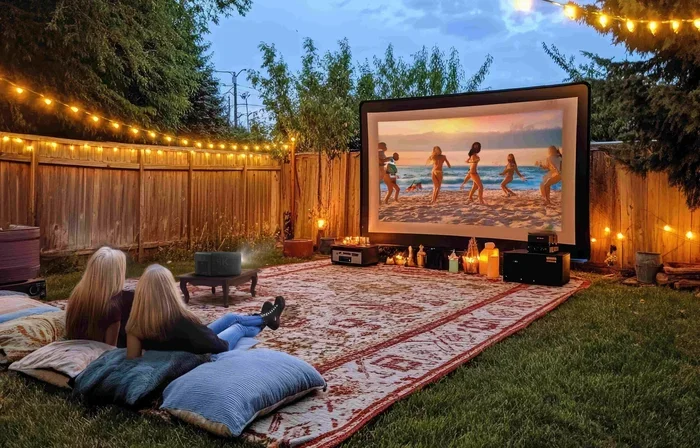
Outdoor movie nights have exploded in popularity. Families, friends, and couples all love the idea of watching a film under the stars. It feels magical. A backyard projector setup creates a shared experience that a TV screen simply cannot match. You get a big picture, fresh air, and a cozy atmosphere all at once.
Plus, the equipment has gotten so much better. A few years ago, you needed a bulky projector and a complicated setup. Now, a mini projector fits in your hand. You can carry it to the beach, the park, or a campsite. The portability factor is a huge reason people buy them. You get a big-screen experience without the heavy lifting.
How Brightness and Lumens Affect Outdoor Performance
The most important thing to understand about using a projector outside is brightness. Projector brightness is measured in lumens. The higher the lumen count, the brighter the image. When you are outdoors, ambient light is your biggest enemy. Sunlight, streetlights, and even porch lights can wash out your picture.
Here is a simple breakdown of what to look for:
- 200 to 400 lumens: These work best at night in dark areas. Great for camping or deep backyard setups.
- 500 to 1,000 lumens: This range handles dusk and twilight well. It is the sweet spot for most outdoor uses.
- 1,000+ lumens: These can handle some daylight. They give you more flexibility with your outdoor projector setup.
Many cheap mini projectors claim high lumens. But those numbers are often not accurate. Look for ANSI lumens. This is the standard measurement. It gives you a true idea of how bright the projector really is. A mini projector with 500 true ANSI lumens will outperform a projector that claims 1,500 but does not measure up.
What Is Ambient Light and Why Does It Matter?
Ambient light is any light in your viewing environment. This includes sunlight, moonlight, and nearby lamps. When you project outdoors, there is a lot more ambient light than inside a dark room. That extra light competes with your projector image. The result is a washed-out, faded picture.
The best way to fight ambient light is timing. Start your movie after sunset or during twilight. Even better, find a shaded area. A covered patio or a spot under a tree blocks direct light. This simple trick makes a big difference in image quality. Your picture will look sharper and more colorful.
Best Mini Projectors for Outdoor Use
Not all mini projectors are created equal. Some are built for indoor use only. Others are designed with outdoor features that make them perfect for outdoor entertainment. Here are the features you should look for when choosing a projector for outside use.
Battery Life Matters a Lot
When you are outside, you may not have easy access to a power outlet. That is why battery-powered projector options are so popular. Many modern mini projectors come with built-in rechargeable batteries. These let you watch movies for one and a half to three hours on a single charge.
Think about how long your outdoor sessions usually last. A two-hour movie needs at least two hours of battery life. Add extra time for setup and breaks. A projector with a 3-hour battery gives you a comfortable buffer. Some models even support charging while in use. This means you can plug in a power bank and watch all night long.
Built-In Speakers vs. External Audio
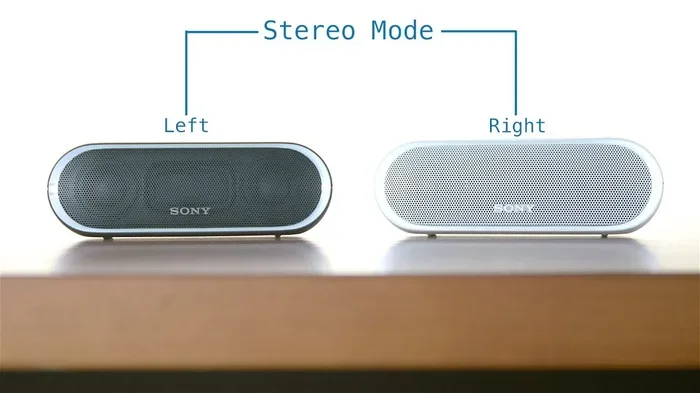
Most mini projectors have small built-in speakers. They work fine for casual viewing. But if you want better sound, you will need an external option. A portable Bluetooth speaker pairs easily with most projectors. Some projectors even have a 3.5mm audio jack for wired speakers.
Do not overlook audio quality. A great picture with bad sound ruins the experience. For outdoor movie night setups, a small portable speaker makes a huge difference. It fills the open space with clear, loud sound. Everyone hears the dialogue and enjoys the music.
Wireless Connectivity Options
Nobody wants a tangle of cables outside. That is where wireless projectors shine. Many modern mini projectors support Wi-Fi and Bluetooth. You can stream from your phone, tablet, or laptop without any wires. Some projectors even have built-in apps for popular streaming services.
HDMI cables also work outdoors if you prefer a wired connection. A phone with a USB-C to HDMI adapter works great too. The key is flexibility. Choose a projector that gives you multiple ways to connect your devices.
Setting Up Your Outdoor Projector System
Setting up a projector setup outside is easier than you think. You do not need expensive equipment or technical skills. A few simple steps get you watching movies in minutes. Here is how to do it right.
Step 1: Choose the Right Spot
Find a flat, stable surface for your projector. A table, a stool, or even the ground works. Make sure the projector is level. Even a slight tilt can distort the image. Face the projector toward a white wall or a portable screen.
Think about the throw distance. This is the space between the projector and the screen. Check your projector manual for the ideal distance. Most mini projectors work best at 3 to 8 feet away. Closer means a smaller picture. Further away means a bigger image. Find the balance that works for your space.
Step 2: Get a Portable Screen
You can project onto a white wall, but a portable projector screen is much better. A portable screen is designed to reflect light evenly. It gives you a sharper, brighter image. They come in different sizes, from 60 inches to 120 inches or more.
Some screens are inflatable. Others are foldable and lightweight. For camping trips, a compact foldable screen is perfect. For backyard use, a larger screen makes the experience feel more cinematic. You can even buy projector screen blankets. These are portable fabric screens that work great outdoors.
Step 3: Power Your Setup
If your projector has a battery, you are set for a few hours. If not, you need a power source. A portable power station works wonders outdoors. These battery packs can charge a projector for hours. Some even power a screen fan or a Bluetooth speaker at the same time.
Extension cords are another option. Run one from your house to the viewing area. Just make sure the cord is rated for outdoor use. Keep it away from walkways to avoid tripping hazards.
Step 4: Connect and Play
Once your projector is set up, connect your device. Stream from Netflix, YouTube, or a media player. Use Bluetooth for audio if needed. Adjust the focus and keystone settings on your projector. These tweaks make the image clear and rectangular.
Then sit back, relax, and enjoy the show. That is all there is to it. A simple projector setup transforms any outdoor space into a home theater.
Common Challenges When Using a Mini Projector Outside
Using a projector outdoors is not perfect. There are a few challenges you should know about. Understanding them helps you plan better and avoid frustration.
Daylight Washing Out the Image
This is the number one problem people face. A bright sunny day makes it almost impossible to see a projector image. Even the brightest mini projectors struggle in direct sunlight. The ambient light overpowers the projected image. Colors look pale and details disappear.
The fix is simple. Use your projector after dark or in shaded areas. A canopy or a patio cover helps a lot. If you must use it during the day, choose a very bright model and a high-gain screen. But honestly, nighttime is the best time for outdoor projector fun.
Wind and Weather Concerns
Outdoor setups face wind and weather challenges. A breeze can knock over a lightweight projector. Rain can damage electronics. Even humidity can fog up the lens. Always check the weather before you set up. Have a plan to move things quickly if conditions change.
Place your projector on a heavy, stable surface. A weighted table or a projector stand works well. Cover your equipment with a tarp if light rain starts. Keeping electronics dry should always be a priority.
Sound Carrying Away in the Open
Sound behaves differently outdoors than indoors. In a room, walls reflect sound back toward you. Outside, sound spreads out and fades fast. This means built-in projector speakers may sound quiet even when they are on full volume.
A portable speaker solves this problem easily. Place the speaker near the viewing area. Bluetooth speakers pair in seconds. You get rich, full sound that fills the outdoor space. Everyone in the audience hears the movie clearly.
Mini Projector vs. Traditional Outdoor TV: Which Is Better?
Some people wonder if a mini projector is better than an outdoor TV. Both have pros and cons. Here is a quick comparison to help you decide.
| Feature | Mini Projector | Outdoor TV |
|---|---|---|
| Screen Size | Up to 150 inches or more | Typically 43 to 75 inches |
| Portability | Very lightweight and compact | Heavy and requires a stand |
| Cost | Lower price point | Higher price point |
| Brightness | Struggles in direct sunlight | Handles daylight well |
| Setup | Quick and easy | Requires mounting and power |
| Battery Option | Many models include battery | Always needs a power outlet |
| Best For | Movie nights, camping, parties | Permanent outdoor installations |
As you can see, each option has its place. A mini projector wins on portability and screen size. An outdoor TV wins on brightness and convenience. Your choice depends on how you plan to use it. For casual outdoor fun, a projector is hard to beat.
Expert Tips for the Best Outdoor Viewing Experience
Getting the most out of your mini projector outdoors takes a little planning. These expert tips help you create the best possible experience every time.
Use a High-Gain Screen
A high-gain screen reflects more light back toward the viewers. This makes your image brighter and more vivid. It is especially helpful when ambient light is an issue. Even a simple white bedsheet works in a pinch. But a proper projector screen gives you the best results.
Position the Screen Away from Light Sources
Face your screen away from any light sources. Porch lights, streetlights, and even the moon can affect your image. The darker the area around the screen, the better your picture looks. This is why many people set up in the backyard away from the house.
Keep Your Projector Ventilated
Projectors generate heat. In warm weather, this can be a problem. Make sure air can flow around the projector. Do not place it on a soft surface like a pillow or a blanket. These block the vents and cause overheating. A hard, flat surface is always best.
Test Your Setup Before the Big Event
Do not wait until movie night to try everything out. Set up your projector a day or two before. Check the focus, the keystone, and the audio. Make sure your streaming apps work on the connected device. A quick test run saves you from surprises on the big night.
Add Some Ambiance
Outdoor entertainment is about more than just the picture. String lights around the viewing area. Set up comfy chairs and blankets. Have snacks and drinks ready. These small touches turn a simple movie night into a memorable event. Your friends and family will love the effort you put in.
Quick Tips for Using a Mini Projector Outdoors
- Start at dusk for the best picture: The lower ambient light gives you a sharper image.
- Use a tripod or stable stand: A steady setup prevents a blurry picture.
- Clean your projector lens before use: Dust and fingerprints reduce image sharpness.
- Keep the projector away from insects: Bugs can get inside and damage the internal parts.
- Bring a backup power source: A portable power bank keeps your projector running longer.
- Use dark-colored sheets for better contrast: Avoid light-colored surfaces that reflect unwanted light.
Common Mistakes People Make With Outdoor Projectors
Learning from other people mistakes saves you time and frustration. Here are the most common errors to avoid.
- Buying a projector that is too dim: Cheap projectors with low lumens fail outdoors. Always check the true ANSI lumen rating.
- Forgetting about sound: Tiny built-in speakers do not cut it outside. Add a portable speaker for better audio.
- Projecting onto the wrong surface: Grass, trees, and colored walls distort the image. Use a white or light-colored flat surface.
- Ignoring the throw distance: Placing the projector too close or too far ruins the image size. Measure your space first.
- Not checking the weather: Setting up during a surprise rain shower can damage your equipment. Always have a backup plan.
Final Thoughts on Using Mini Projectors Outdoors
So, do mini projectors work outside? The answer is a clear and confident yes. A mini projector is one of the best investments for outdoor entertainment. It turns any open space into a personal cinema. Whether you are hosting a backyard movie night, going camping, or enjoying a beach evening, a portable projector delivers big-screen fun wherever you go.
The key is understanding what makes outdoor projection work. Brightness, timing, screen choice, and sound all matter. With the right setup and a little planning, you can create amazing outdoor viewing experiences. Your family and friends will thank you for it.
Start small if you are new to this. Buy a reliable mini projector with good reviews. Get a portable screen. Add a Bluetooth speaker. Test your setup in your backyard. Once you see the magic of a big picture under the open sky, you will never go back to watching on a small screen again.
Outdoor entertainment has changed. The tools are better, the prices are lower, and the options are endless. Grab a portable projector, invite your friends, and make some memories. The best movie nights happen under the stars.
Frequently Asked Questions
Can I use a mini projector during the daytime outdoors?
It is possible but difficult. Most mini projectors struggle in direct sunlight because the ambient light washes out the image. For the best results, use your projector after sunset or in a shaded area. Models with 1,000 or more lumens perform slightly better during the day.
What is the best screen to use for outdoor projector viewing?
A portable projector screen is the best option. It reflects light evenly and gives you a sharp image. You can also use a white wall, a white bedsheet, or an inflatable screen. Avoid projecting onto grass or colored surfaces for the clearest picture.
How long does a mini projector battery last outdoors?
Most mini projectors last between 1.5 and 3 hours on a full battery. Some higher-end models can go longer. If you plan to watch a full-length movie, choose a projector with at least 2.5 hours of battery life or bring a power bank.
Do I need Wi-Fi to use a mini projector outside?
No, Wi-Fi is not always necessary. Many projectors have built-in streaming apps that connect wirelessly. You can also download content to your phone or tablet beforehand and use an HDMI cable or screen mirroring to play it on the projector.
Is a mini projector loud enough for outdoor use?
Built-in speakers on mini projectors are usually quiet. They work for small groups in calm conditions. For larger groups or windy evenings, add a portable Bluetooth speaker. This greatly improves the audio experience for everyone.
Can I use a mini projector for camping trips?
Yes, mini projectors are perfect for camping. Their small size and lightweight design make them easy to carry. Battery-powered models work great off the grid. Just bring a portable screen and a power bank for extended viewing.
=== CONCLUSION ===
Mini projectors absolutely work outside and they open up a world of outdoor entertainment possibilities. From backyard movie nights to camping adventures, a portable projector brings big-screen joy to any setting. Focus on brightness, pick the right screen, and manage ambient light for the best results. With the tips and insights in this guide, you are ready to set up your own outdoor viewing experience. Grab your mini projector, gather your friends, and start enjoying movies under the stars tonight.