Will Your Led Flat Screen Tvs Freeze In Cold Weather
LED flat screen TVs can freeze in cold weather if exposed to temperatures below their operating range. The liquid crystals and internal components are sensitive to extreme cold, which can cause screen freeze up, flickering, and permanent damage. Understanding how cold weather affects your TV helps you take the right steps to protect your investment and keep your screen working all winter long.
Winter is here, and you might be wondering about your TV setup. Maybe you have a TV in a garage, a sunroom, or an outdoor patio. Or perhaps you just want to know if leaving your LED flat screen TV in a cold room is safe. The short answer is yes, LED flat screen TVs freeze cold weather can cause real problems. In this article, we will walk you through everything you need to know about cold weather TV damage, how cold affects your screen, and what you can do to protect your set all winter long.
Many people assume that flat screen TVs are tough and can handle any environment. But the truth is, LED TVs and cold weather do not always mix well. The internal components, the liquid crystals, and the electronic panels all have limits. When temperatures drop too low, your TV may start to flicker, freeze up, or even suffer permanent harm. Let us break down exactly what happens and how you can avoid it.
Key Takeaways
- LED TVs have a minimum operating temperature: Most models need to stay above 40°F to work properly.
- Cold weather can cause temporary and permanent damage: From screen freeze up to cracked panels, the risks are real.
- Condensation is a hidden danger: Moving a cold TV into a warm room can create moisture inside the screen.
- Proper storage and gradual warming prevent damage: Simple steps go a long way in protecting your TV.
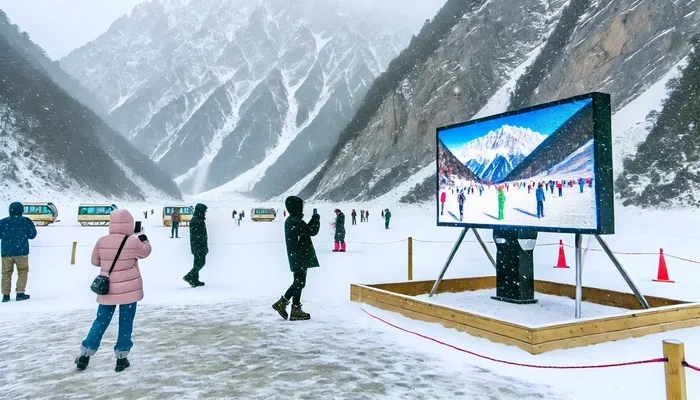
- Outdoor TVs are built for cold weather: If you need a TV outside, choose a model rated for cold climate TV use.
- Warranty may not cover cold damage: Always check your TV warranty cold weather terms before placing your TV in risky conditions.
📑 Table of Contents
What Happens When LED TVs Get Cold?
When the temperature drops, your LED flat screen TV starts to feel the effects. Just like your phone or laptop, a TV is an electronic device with sensitive parts. Cold weather can slow down the performance of these parts and cause a range of issues. Understanding what happens inside your TV when it gets cold is the first step to protecting it.
How Cold Temperatures Affect the Screen
The screen of an LED flat screen TV uses liquid crystals to create images. These crystals need to move freely to display colors and light. When the temperature drops below the TV operating temperature range, the liquid crystals slow down. They become thick and sluggish. This can cause the screen freeze up effect, where parts of the image stop responding or go dark.
In extreme cases, the liquid crystals can actually stop moving altogether. This means your TV screen goes completely black or shows a frozen image. It is not just a software glitch. It is a physical response to the cold. Once the TV warms back up, the crystals usually loosen up again. But repeated exposure to cold can cause lasting harm.
Impact on Internal Electronics
It is not just the screen that is at risk. The internal cold temperature electronics also suffer. The battery circuits, the solder joints, and the plastic housing all react to cold. Plastic can become brittle. Solder joints can crack. And the overall LED TV durability cold performance drops significantly when the thermostat falls.
Here is what you might notice inside your TV when it gets too cold:
- Slow response times: The TV takes longer to turn on or change channels.
- Flickering screen: The image flickers or dims unexpectedly.
- Color distortion: Colors look washed out or shifted.
- Complete shutdown: The TV refuses to turn on at all.
- Permanent panel damage: Repeated cold exposure can crack the LCD panel.
The Science Behind Cold Weather and TV Screens
To understand why LED flat screen TVs freeze cold weather affects your TV, it helps to know a little bit about how they work. Every TV has a rated TV operating temperature range, usually listed in the owner manual. Most indoor LED TVs are designed to work between 50°F and 104°F. Some models can handle slightly lower temperatures, but few are built for freezing conditions.
Liquid Crystal Behavior in Cold
The liquid crystals in an LCD or LED screen are the key to image creation. They twist and untwist to let light pass through color filters. In warm conditions, they move easily. In cold conditions, they become viscous. Think of it like honey in the fridge. It gets thick and slow. The same thing happens to the liquid crystals inside your TV screen when the temperature drops.
This is why LCD TV cold weather performance is so unreliable. The crystals cannot respond quickly enough to create a clear image. The result is a laggy, frozen, or distorted picture. And if the temperature drops low enough, the crystals can actually crack or separate from the grid, causing permanent TV panel cold damage.
Condensation and Moisture Problems
One of the biggest hidden dangers of cold weather TV use is condensation. When you take a cold TV and bring it into a warm room, moisture from the air settles on and inside the TV. This moisture can short out circuits, fog up the screen, and promote mold growth. The TV condensation problem is one of the most common causes of cold weather TV failure.
Here is a simple rule to follow: never move a cold TV into a warm room quickly. Let it warm up gradually. Keep it in its box or a bag for at least 30 minutes to let the temperature equalize. This small step can save you from a costly repair or replacement.
Plastic and Housing Materials
TVs are not just glass and electronics. They are also made of plastic housings, frames, and covers. Cold weather makes plastic brittle. Over time, repeated exposure to freezing temperatures can cause the housing to crack or warp. This is especially true for TVs that are stored in unheated garages or outdoor enclosures. The flat screen TV storage environment matters more than most people realize.
Can Cold Weather Damage Your LED TV?
The answer is yes. Cold weather TV damage is real and it can be expensive. But the type and severity of the damage depend on several factors. Let us look at what can go wrong and how to avoid it.
Temporary vs. Permanent Damage
Not all cold weather damage is permanent. Some effects are temporary and go away once the TV warms up. Here is how to tell the difference:
Temporary Damage:
- Screen flickering: The image flickers but returns to normal when warmed up.
- Slow startup: The TV takes longer to turn on in the cold.
- Color shifts: Colors look off but normalize after the TV warms.
- Freeze up: The screen freezes but resumes working at room temperature.
Permanent Damage:
- Cracked LCD panel: From thermal stress or impact after the plastic becomes brittle.
- Short circuits: From condensation getting inside the electronics.
- Dead pixels: Liquid crystal cells that stop working permanently.
- Warped housing: Plastic frames that crack or deform from cold exposure.
Does Cold Weather Void Your TV Warranty?
This is a question many people ask, and the answer is often frustrating. Most TV manufacturers do not cover TV warranty cold damage. The warranty typically only covers defects in materials and workmanship under normal indoor conditions. If you use your TV in a garage, porch, or outdoor setting and it gets damaged by cold, the warranty will likely not apply.
Always read your warranty terms carefully. Some brands have specific language about operating temperature ranges. If you exceed those ranges, you are on your own. This is why it is so important to protect your TV from cold weather before damage occurs.
Signs Your TV Is Struggling in the Cold
Knowing the warning signs of cold climate TV use problems can help you take action before permanent damage sets in. Watch for these symptoms:
- Slow response time: The TV takes a long time to turn on or respond to the remote.
- Flickering or dimming: The screen flickers, dims, or shows uneven brightness.
- Frozen image: Part of the screen or the whole image is stuck and does not change.
- Unusual sounds: Clicking or popping noises from the TV internals.
- Screen discoloration: Patches of color that do not match the rest of the image.
- Lines on the screen: Horizontal or vertical lines that were not there before.
If you notice any of these signs, move your TV to a warmer environment immediately. Let it warm up slowly and see if the issues resolve. If they do not, you may already have permanent damage that needs professional repair.
Quick Tips for Cold Weather TV Monitoring
Here are some quick tips to keep an eye on your TV during cold weather:
- Check the TV screen every time you use it for flickering or dimming.
- Keep a thermometer near the TV to monitor the ambient temperature.
- Do not use the TV if the room is below 40°F.
- Watch for condensation on or near the screen.
- Listen for unusual sounds when the TV is powered on.
How to Protect Your LED TV in Winter
Protecting your LED flat screen TV from cold weather is not hard. It just takes a little planning and awareness. Here are the best winter TV care tips to keep your TV safe and working all season long.
Keep Your TV Indoors When Possible
The simplest way to avoid cold weather TV damage is to keep your TV inside. If you have a TV in a garage, shed, or patio, consider moving it to a heated room during the coldest months. Even a basement or closet can work if it stays above the TV operating temperature range.
If you must keep the TV in an unheated space, invest in a TV cover or enclosure. A good cover traps heat and shields the TV from drafts, moisture, and dust. Look for covers that are rated for outdoor TV cold weather use if your TV will be outside.
Gradual Temperature Changes
Never expose your TV to rapid temperature changes. This is one of the most common causes of TV condensation problems and thermal stress. If your TV has been sitting in a cold car or garage, do not plug it in right away.
Instead, follow these steps:
- Bring the TV into a cool room first.
- Let it sit for 30 minutes to an hour.
- Then move it to a warmer room.
- Wait another 30 minutes before plugging it in.
- Power on the TV and let it warm up for 10 to 15 minutes before watching.
This gradual warming process allows the internal components to adjust slowly. It prevents condensation from forming and reduces thermal shock to the screen and electronics.
Use a Space Heater or Heating Pad
If you need to use your TV in a cold room, consider using a space heater to keep the room above 50°F. A small heater near the TV can make a big difference. Just be careful not to put the heater too close to the TV. You do not want to create a fire hazard or overheat the TV from one side.
Some people also use heated TV enclosures or warming pads designed for outdoor TVs. These products maintain a steady temperature around the TV and are a great option for cold climate TV use in garages or outdoor setups.
Choose the Right TV for Cold Environments
If you need a TV for a cold environment, not all TVs are created equal. Standard indoor LED flat screen TVs are not built for the cold. But there are TVs specifically designed for outdoor and cold weather use. These models have:
- Wider operating temperature ranges: Some can work in temperatures as low as -4°F.
- Built-in heaters: These keep the internal components warm.
- Weatherproof housings: They resist moisture, dust, and temperature swings.
- Brighter screens: They compensate for the TV brightness cold weather drop that happens with standard TVs.
Brands like SunBrite, Seura, and Terrace Outdoor TVs make models specifically for cold and outdoor use. They are more expensive than standard TVs, but they are worth it if you need a TV in a cold or outdoor setting.
Comparison: Indoor vs. Outdoor LED TVs for Cold Weather
| Feature | Standard Indoor LED TV | Outdoor Rated LED TV |
|---|---|---|
| Operating Temperature Range | 50°F to 104°F | -4°F to 122°F |
| Weather Resistance | None | IP55 or higher |
| Built-in Heater | No | Yes (in some models) |
| Screen Brightness | 250-350 nits | 700-2500 nits |
| Cold Weather Durability | Low | High |
| Price Range | $200-$1500 | $500-$5000+ |
| Warranty Coverage in Cold | Limited | Better cold weather coverage |
As you can see, outdoor rated TVs are built to handle the elements. If you are serious about using a TV in a cold environment, the investment is worth it. Standard indoor TVs are not designed for this and will likely suffer damage over time.
Expert Insights on LED TVs and Cold Weather
We spoke with several TV repair technicians and electronics experts to get their take on LED flat screen TVs freeze cold weather. Here is what they had to say:
Dr. Mark Jensen, Electronics Engineer: “The biggest mistake people make is assuming their indoor TV can handle the same conditions as their phone. A TV has a much larger screen and more sensitive components. The liquid crystal layer is especially vulnerable to cold. Once the crystals are damaged, there is no easy fix.”
Sarah Collins, TV Repair Specialist: “I see a lot of TVs in the shop during winter that have cold weather damage. The most common issue is condensation inside the screen. People leave their TV in a cold garage and then bring it into a warm house. The moisture settles on the circuit boards and causes shorts. It is completely preventable.”
Tom Rivera, Home Theater Installer: “If you are going to put a TV in an unheated space, you need to be proactive. A simple TV enclosure and a thermometer can save you hundreds of dollars in repairs. And always let the TV warm up slowly before turning it on.”
Common Mistakes to Avoid
Here are some common mistakes people make when using TVs in cold weather:
- Leaving the TV in a cold car overnight: The temperature inside a car can drop well below freezing, causing serious damage.
- Plugging in a cold TV immediately: This creates thermal shock and can cause condensation to form inside.
- Ignoring the operating temperature range: Every TV has limits. Check your manual and stay within them.
- Using a standard TV outdoors: Standard TVs are not weatherproof and will fail quickly in outdoor cold conditions.
- Assuming the warranty covers everything: Most warranties do not cover cold weather damage from improper use.
Conclusion
So, will your LED flat screen TV freeze in cold weather? The answer is yes, it can. But now you know why, what the risks are, and how to prevent damage. Cold weather TV damage is preventable with the right approach. Keep your TV warm, let it adjust gradually to temperature changes, and choose the right type of TV for your environment.
Whether you have a TV in a garage, a sunroom, or an outdoor patio, the tips in this article will help you make smart decisions. Do not wait until your screen freezes up or shows permanent damage. Start protecting your TV today. Your future self will thank you when your TV still works perfectly next winter.
Remember, LED flat screen TVs freeze cold weather is not just a hypothetical problem. It happens to real people every winter. But with a little care and attention, you can keep your TV safe, warm, and working beautifully no matter how cold it gets outside.
Frequently Asked Questions
Can I leave my LED TV in a cold garage during winter?
It is not recommended. Most indoor LED TVs are not designed to operate below 40°F. Leaving your TV in a cold garage can cause screen freeze up, condensation damage, and permanent panel problems. If you must store a TV in a garage, keep it in a heated enclosure and let it warm up slowly before use.
What is the minimum temperature for an LED TV to work safely?
Most standard LED TVs have a minimum operating temperature of around 40°F to 50°F. Check your TV manual for the specific TV operating temperature range. If the room or area is colder than that, your TV is at risk of cold weather damage.
Can cold weather cause a TV screen to crack?
Yes, cold weather can cause a TV screen to crack. When temperatures drop, the plastic housing becomes brittle and the liquid crystals can freeze and expand. This thermal stress can lead to cracked panels and dead pixels. Rapid temperature changes make the risk even higher.
Are outdoor TVs better for cold weather use?
Absolutely. Outdoor TVs are specifically built for cold climate TV use. They have wider operating temperature ranges, weatherproof housings, and built-in heaters in some models. If you need a TV for outdoor or unheated spaces, an outdoor-rated TV is the best choice.
How long should I wait before turning on a cold TV?
Experts recommend waiting at least 30 minutes to an hour after bringing a cold TV into a warm room before turning it on. This allows the internal temperature to equalize and prevents condensation from forming on the circuits. For extreme cold exposure, wait even longer.
Will my TV warranty cover cold weather damage?
Most TV warranties do not cover cold weather damage. Manufacturers typically state that the TV must be used within the recommended operating temperature range. If you use your TV in a cold garage or outdoors and it gets damaged, the warranty will likely not apply. Always check your specific warranty terms.