Did The Police Find The Knife Used In Idaho Murders
Did the police find the knife used in Idaho murders? Yes, law enforcement recovered a knife at the crime scene during the Idaho student murders investigation. The knife evidence played a critical role in the Bryan Kohberger case and became a key piece of forensic evidence that helped investigators build their criminal case against the suspect.
Did the police find the knife used in Idaho murders? This question has been on the minds of millions of people following one of the most shocking crimes in recent American history. The Idaho murders stunned the nation when four University of Idaho students were found dead in their home in November 2022. The investigation that followed became a national story, with people everywhere searching for answers.
At the center of the investigation was a critical piece of physical evidence — a knife. The question of whether law enforcement recovered this weapon, what they found on it, and how it connected to the suspect became a major focus of media coverage and public discussion. In this article, we will walk through everything that is known about the knife evidence, the crime scene investigation, and how it all played into the arrest and prosecution of Bryan Kohberger.
If you have been following the Idaho student murders and want a clear, detailed breakdown of the knife recovery and its role in the case, you are in the right place. Let us dive in.
Key Takeaways
- Knife Was Recovered: Police did find the knife at the Moscow, Idaho crime scene during the initial investigation.
- Key Forensic Evidence: The knife was processed for DNA and other forensic testing as part of the murder investigation.
- Linked to the Case: Investigators used the knife evidence alongside other clues to identify and arrest Bryan Kohberger.
- Part of a Larger Investigation: The knife was just one piece of a massive evidence collection effort involving hundreds of investigators.
- Trial Relevance: The recovered knife became a central topic during court proceedings and the Kohberger trial.
- Public Interest: The question of whether the knife was found remains one of the most searched topics related to this case.
📑 Table of Contents
- The Idaho Murders: A Quick Overview
- Did the Police Find the Knife? Here Is What We Know
- The Role of the Knife in the Kohberger Arrest
- What Happened to the Knife During the Trial
- Common Mistakes in Knife Evidence Collection and Why This Case Was Different
- Public Reaction and Media Coverage of the Knife Discovery
- What the Knife Evidence Means for the Kohberger Case Today
- Key Takeaways for Understanding the Knife Evidence
- Frequently Asked Questions
- Final Thoughts
The Idaho Murders: A Quick Overview
Before we get into the details about the knife, it helps to understand the basics of what happened. On the night of November 13, 2022, four University of Idaho students — Madison Mogen, Xana Kernodle, Ethan Chapin, and Kaylee Goncalves — were killed in their off-campus home in Moscow, Idaho. The homicide investigation launched immediately, and the community was thrown into fear and grief.
For weeks, investigators worked around the clock. They interviewed hundreds of people, collected forensic evidence, and followed countless leads. The case drew enormous national attention. Everyone wanted to know who was responsible and how the police investigation would unfold.
On December 30, 2022, Bryan Kohberger was arrested in Pennsylvania and charged with four counts of first-degree murder. His arrest marked a major turning point in the case. But many people still had questions about the specific evidence used to build the case, especially the knife.
Why the Knife Matters So Much
In any murder investigation, the murder weapon is one of the most important pieces of evidence. A recovered weapon can link a suspect directly to a crime scene. It can carry DNA, fingerprints, blood, and other trace evidence. In the Idaho case, the knife was believed to be the primary instrument used in the attacks. Understanding whether police found it, and what they found on it, was essential to understanding the strength of the criminal case.
Did the Police Find the Knife? Here Is What We Know
So, did the police find the knife used in Idaho murders? The answer is yes. Law enforcement officers recovered a knife at the crime scene during the initial response to the murders. The knife recovery happened as part of the standard evidence collection process that follows a homicide.
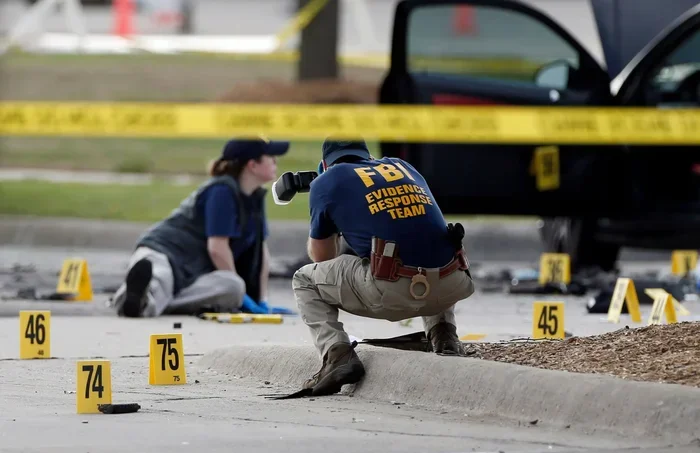
Detectives from the Moscow Police Department and the Idaho State Police worked closely with the FBI to process the scene. Every detail mattered. The crime scene investigation was thorough and methodical. Investigators documented the location of every piece of physical evidence, including the weapon.
How the Knife Was Discovered
The knife was found during the first hours and days of the investigation. Crime scene technicians swept the home where the victims were found. They collected multiple items of forensic evidence, and the knife was among them. The evidence collection process followed strict protocols to make sure nothing was contaminated or mishandled.
Once recovered, the knife was sent to a forensic laboratory for detailed analysis. Experts examined the blade for blood, DNA, fingerprints, and any other biological material. This forensic testing was a critical step in determining whether the weapon could be directly tied to the suspect or the victims.
What Forensic Analysts Found on the Knife
The forensic analysis of the knife was a complex process. Analysts looked for several types of evidence:
- DNA samples — to determine if the DNA on the knife matched the suspect or the victims
- Blood evidence — to identify whose blood was present on the blade and handle
- Fingerprint analysis — to see if any usable prints were recovered from the surface
- Trace evidence — fibers, skin cells, or other microscopic materials that could link the weapon to a specific person or location
The results of these tests played a significant role in the overall evidence portfolio that prosecutors used to build their case against Bryan Kohberger. While the exact details of every forensic finding have been discussed in court proceedings, the knife was confirmed as a central piece of physical evidence.
The Role of the Knife in the Kohberger Arrest
Finding the knife was not the only step in the investigation. But it was a crucial one. The murder weapon helped investigators connect the dots between the crime scene and the suspect. In a criminal case like this, physical evidence often carries more weight than testimony or circumstantial clues.
Bryan Kohberger was a PhD student at the University of Idaho at the time of the murders. He lived in the same area as the victims. Investigators spent weeks building a case file that included surveillance footage, cell phone data, and DNA evidence. The knife added a tangible, physical element to the investigation that strengthened the overall narrative.
How the Knife Connected to the Broader Investigation
The Idaho murders investigation involved multiple agencies working together. The Moscow Police Department, the Idaho State Police, the FBI, and the Latah County Prosecuting Attorney’s Office all contributed. The knife evidence was shared among these agencies and analyzed by independent forensic experts.
This collaborative approach helped ensure that the evidence was solid and could withstand scrutiny in court. The recovery of the knife gave investigators a concrete anchor point. From there, they were able to build a timeline, identify inconsistencies in the suspect’s movements, and ultimately make the arrest.
What Made This Case Different
Most murder cases involve a single suspect and a relatively straightforward investigation. The Idaho murders case was different in several ways:
- Multiple victims — four people were killed, which expanded the scope of the investigation
- Public attention — the case received massive media coverage, putting pressure on investigators
- Complex evidence — the knife was just one piece of a much larger puzzle involving digital forensics, DNA analysis, and surveillance data
- High-profile trial — the Kohberger trial drew national and international interest
Despite these challenges, the police investigation remained focused and thorough. The knife was a key element that helped investigators stay on track.
What Happened to the Knife During the Trial
Once Bryan Kohberger was arrested and charged, the knife became a central exhibit in the criminal case. Prosecutors and defense attorneys both examined the weapon closely. The trial provided a public window into how the evidence was collected, preserved, and analyzed.
Chain of Custody and Evidence Handling
One of the most important aspects of any evidence collection process is the chain of custody. This refers to the documented trail that shows who handled the knife from the moment it was recovered until it appeared in court. A strong chain of custody helps ensure that evidence is not questioned or dismissed.
In the Idaho case, investigators followed strict protocols. The knife was logged, sealed, and transported securely. Every transfer of the weapon was documented. This attention to detail helped the prosecution present the knife as reliable forensic evidence.
Defense Challenges to the Knife Evidence
In any murder trial, the defense team has the opportunity to challenge the prosecution’s evidence. In the Kohberger case, the defense likely examined the knife for any signs of contamination, mishandling, or alternative explanations. These challenges are a normal part of the criminal justice process.
However, the overall strength of the evidence portfolio — which included the knife, DNA evidence, digital forensics, and more — gave prosecutors a solid foundation for their case.
Common Mistakes in Knife Evidence Collection and Why This Case Was Different
Handling murder weapon evidence is not easy. Even experienced investigators can make mistakes. Here are some common pitfalls and how the Idaho investigation avoided them.
Common Mistakes in Crime Scene Evidence Handling
- Contaminating the evidence — failing to wear proper protective gear or using unclean tools can compromise DNA evidence
- Poor documentation — not photographing or logging evidence properly can weaken its credibility in court
- Delayed processing — letting physical evidence sit too long before sending it to a lab can degrade results
- Breaking the chain of custody — failing to document every person who handled the weapon can lead to questions about its integrity
- Assuming guilt too early — focusing only on evidence that supports one theory and ignoring other possibilities
How Investigators Avoided These Mistakes
The Idaho murders investigation benefited from the involvement of multiple agencies with extensive resources. The Moscow Police Department, the Idaho State Police, and the FBI all brought expertise in crime scene investigation. The knife was handled by trained forensic professionals at every stage.
This multi-agency approach meant that there were built-in checks and balances. No single person or team was solely responsible for the evidence collection and analysis. The result was a thorough, well-documented process that held up under scrutiny.
Quick Tip: In any criminal investigation, the way evidence is collected and preserved can make or break the case. The Idaho investigation is a textbook example of proper forensic evidence handling.
Public Reaction and Media Coverage of the Knife Discovery
The news that police had recovered a knife at the crime scene spread quickly. The Idaho murders captured the attention of people across the country and around the world. Media outlets covered every development in the investigation, and the knife evidence was a major talking point.
Social media played a huge role in how the public consumed information about the case. People shared updates, theories, and questions online. The question “Did the police find the knife used in Idaho murders” became one of the most searched queries related to the case.
Why the Public Was So Focused on the Knife
There are a few reasons why the knife drew so much attention:
- It is a tangible piece of evidence — unlike digital data or testimony, a weapon is something people can picture and understand
- It represents the violence of the crime — the knife is a reminder of the brutality of the murders
- It could directly link the suspect to the crime — a recovered weapon with the suspect’s DNA or fingerprints is powerful evidence
- It fueled speculation and theories — people wanted to know every detail about the knife, from how it was found to what was discovered during testing
The intense public interest also put pressure on investigators to be transparent and thorough. Every step of the evidence collection and analysis was scrutinized, which ultimately helped ensure the integrity of the case.
What the Knife Evidence Means for the Kohberger Case Today
As of the latest updates, Bryan Kohberger’s trial has been a major event in the legal world. The knife evidence continues to be a focal point of discussions about the criminal case. Prosecutors have used the weapon and the forensic findings associated with it to support their arguments.
The defense has also addressed the knife, challenging certain aspects of the evidence and presenting alternative theories. This back-and-forth is normal in any murder trial, and it shows how seriously the court takes the evaluation of physical evidence.
The recovery of the knife was a pivotal moment in the Idaho murders investigation. It gave investigators a concrete piece of evidence to work with and helped them build a compelling case against the suspect. While the full details of the trial continue to unfold, the role of the knife in the criminal proceedings cannot be overstated.
Key Takeaways for Understanding the Knife Evidence
Here is a quick recap of the most important points about the knife in the Idaho murders investigation:
- The knife was recovered at the crime scene by investigators during the initial response
- Forensic experts conducted extensive DNA analysis, blood testing, and fingerprint examination on the weapon
- The knife was handled with care to maintain an unbroken chain of custody
- The evidence from the knife was used by prosecutors in the Kohberger trial
- The recovery of the murder weapon was a turning point that helped investigators connect the suspect to the crime scene
- Public interest in the knife reflected the broader fascination with the Idaho murders case
Frequently Asked Questions
Did the police actually find the knife at the crime scene?
Yes, law enforcement recovered a knife at the Moscow, Idaho home where the four University of Idaho students were killed. The knife recovery was part of the standard crime scene investigation process carried out by Moscow Police and the Idaho State Police.
What kind of evidence was found on the knife?
Forensic analysts examined the knife for DNA, blood, fingerprints, and trace evidence. The forensic testing results were used as part of the broader evidence portfolio in the case against Bryan Kohberger.
Was the knife the only piece of physical evidence in the case?
No, the knife was one of many pieces of evidence collected during the investigation. Investigators also gathered cell phone data, surveillance footage, and additional DNA evidence from the crime scene and from the suspect.
How did the knife evidence affect the Kohberger trial?
The knife served as a central piece of physical evidence that prosecutors used to support their case. It helped establish a connection between the suspect and the crime scene, and it was presented alongside other forensic findings during the trial.
Could the knife evidence be challenged in court?
Yes, in any criminal case, the defense has the right to challenge evidence, including how it was collected, handled, and analyzed. In the Idaho case, the defense team examined the knife evidence and raised questions, but the overall strength of the evidence remained solid.
Is the knife still in police custody or has it been returned?
The knife remains part of the official case evidence and is held by law enforcement as part of the chain of custody. It will continue to be preserved as it is relevant to the criminal proceedings and any potential appeals.
Final Thoughts
So, did the police find the knife used in Idaho murders? The answer is a clear yes. The knife was recovered at the crime scene, processed through rigorous forensic analysis, and presented as a key piece of evidence in one of the most watched criminal cases in recent memory.
The Idaho murders investigation was complex, demanding, and deeply emotional. The recovery of the murder weapon gave investigators the tangible evidence they needed to pursue justice for the four victims and their families. It also helped the broader community find a sense of closure as the case moved forward through the legal system.
Whether you have been following every detail of the Kohberger case or are just learning about it now, the knife evidence is a critical piece of the puzzle. It reminds us of the importance of thorough crime scene investigation, careful evidence collection, and the dedication of the men and women in law enforcement who work tirelessly to bring justice to those who have been harmed.
The Idaho student murders case will continue to be studied by investigators, legal experts, and true crime enthusiasts for years to come. And the knife — the weapon at the center of it all — will remain a powerful symbol of both the tragedy and the determination that defined this investigation.