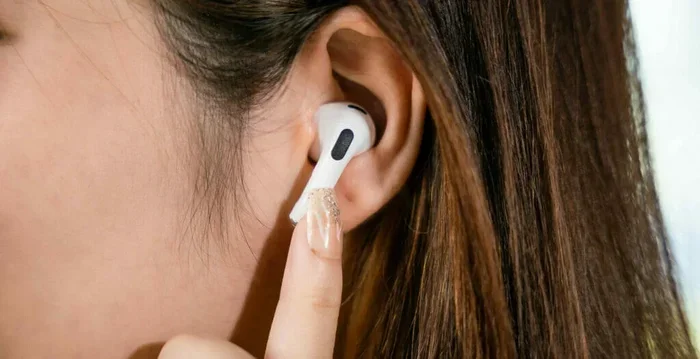
Are Wired Headphones Healthier Than Bluetooth Devices
Are wired headphones healthier than Bluetooth devices? The short answer is yes — wired headphones produce no Bluetooth radiation and eliminate electromagnetic field exposure near your brain. This guide breaks down the health differences between wired and wireless headphones, covering radiation levels, hearing health, and practical tips to help you choose the safer option.
Have you ever wondered if the headphones you wear every day could affect your health? It is a question more people are asking now that wireless earbuds and Bluetooth devices are everywhere. You probably own a pair of Bluetooth headphones. Maybe you use them for your morning commute, during workouts, or while working from home. They are convenient. They sound great. But are they the healthiest choice?
The truth is, are wired headphones healthier than Bluetooth is not a simple yes or no answer. There are real factors to consider. Radiation exposure, hearing health, and daily usage habits all play a role. In this article, we will break everything down in plain language. You will learn what the science says, what the risks are, and how to make the safest choice for your ears and your body.
Whether you are a casual listener or someone who wears headphones for hours every day, this guide will help you understand the health risks involved. We will compare wired vs wireless options side by side. And we will give you practical tips you can use right away. Let us dive in.
Key Takeaways
- No Bluetooth Radiation: Wired headphones eliminate Bluetooth radiation and EMF exposure near your head entirely.
- Lower Health Risks: Choosing a wired connection removes one source of daily radiation exposure that many people overlook.
- Better Hearing Protection: Wired headphones often deliver more consistent sound, which can reduce the need to crank up volume.
- Air Tube Options Exist: Air tube headphones offer an even safer alternative by keeping the speaker away from your ear.
- Wireless Still Has Value: Bluetooth headphones are convenient and safe at normal use levels, but wired models are the healthier choice for heavy users.
- Small Changes Matter: Simple habits like taking breaks and keeping volume low improve hearing health regardless of headphone type.
📑 Table of Contents
What Are the Health Risks of Bluetooth Headphones?
Bluetooth headphones have become the default choice for millions of people. They are wireless, easy to use, and come in many styles. But there are health concerns that come with them. Understanding these risks is the first step toward making a smarter choice.
Understanding Bluetooth Radiation
Bluetooth technology uses radiofrequency waves to send audio from your phone to your headphones. These waves are a form of electromagnetic radiation. You might hear people call it Bluetooth radiation or EMF radiation. It is the same type of energy that comes from cell phones and Wi-Fi routers.
Now, here is the important part. The radiation levels from Bluetooth are very low. They are much lower than what comes from a cell phone call. But low does not mean zero. And when you wear Bluetooth headphones for hours every day, that radiation exposure adds up. The device sits right next to your brain for long periods. That is why many health-conscious people are paying closer attention.
Some researchers believe that even low-level EMF exposure over time could have effects on the body. Studies are still ongoing. But the concern is real enough that many people are looking for a safer alternative. That is where wired headphones come in.
What Studies Tell Us About Wireless Radiation
Several studies have looked at the effects of radiation exposure from wireless devices. The World Health Organization has classified radiofrequency electromagnetic fields as possibly carcinogenic. This means there is some evidence of a link to cancer, but more research is needed.
Most Bluetooth radiation levels fall well below international safety limits. The FCC and other agencies set these limits. But some scientists argue that long-term daily use of wireless devices close to the head needs more study. Children and young adults are especially vulnerable because their skulls are thinner and their brains are still developing.
The key takeaway is this. Bluetooth radiation is not dangerous in short bursts. But if you wear wireless earbuds for three, four, or five hours a day, you are exposing yourself to electromagnetic fields for a long time. That is a valid concern for anyone who cares about their health risks.
How Wired Headphones Compare for Health
Now let us look at the other side of the coin. How do wired headphones stack up when it comes to health? The answer is pretty straightforward.
The Zero Radiation Advantage
The biggest health benefit of wired headphones is simple. They produce no Bluetooth radiation. There is no EMF exposure from the headphone connection itself. When you plug in a cable, the audio signal travels through the wire. There are no radio waves involved.
This makes wired headphones a clear winner when it comes to reducing radiation exposure. If you are someone who listens to music or podcasts for hours every day, switching to a wired connection removes an unnecessary source of head radiation. Your brain and body are not bombarded with radiofrequency waves while you enjoy your audio.
Think of it this way. You would not hold a Wi-Fi router next to your head all day. But that is essentially what Bluetooth headphones do, just at a much lower power level. A wired connection eliminates that entirely. It is one of the easiest ways to lower your daily EMF exposure.
Better Hearing Protection with Wired Models
There is another health benefit that often gets overlooked. Wired headphones tend to deliver more consistent audio quality and sound quality than Bluetooth models. Why does this matter for your health?
When Bluetooth audio drops or compresses, many people turn up the volume to compensate. High volume over time is one of the leading causes of hearing damage. The World Health Organization warns that over 1 billion young people are at risk of hearing loss due to unsafe listening habits.
Wired headphones provide a direct, uninterrupted audio signal. You do not lose quality. You do not need to raise the volume to hear clearly. This means better hearing health over the long run. Your ears stay safer when the sound quality is consistent and clear.
EMF Exposure: Wired vs Wireless Headphones
Let us talk more about EMF exposure. This is a big part of the wired vs wireless health debate. Understanding what EMF is and how it affects you can help you make a confident choice.
What Are Electromagnetic Fields?
Electromagnetic fields are invisible areas of energy. They are produced by anything that uses electricity. Your phone, your laptop, your Wi-Fi router, and yes, your Bluetooth headphones all create EMFs.
The type of EMF from Bluetooth devices is called non-ionizing radiation. It is low-energy and does not damage DNA the way X-rays or gamma rays do. But there is growing concern that long-term, close-proximity exposure to non-ionizing radiation could still affect the body over time. Some studies have linked it to headaches, sleep issues, and ear discomfort.
How to Reduce Daily EMF Exposure
Reducing your EMF exposure does not mean you need to throw away all your wireless devices. It means being smart about how and when you use them. Here are some simple steps:
- Switch to wired headphones for long listening sessions.
- Take breaks every 30 to 60 minutes when using any headphones.
- Keep the volume below 60 percent to protect your hearing health.
- Use speakerphone for calls instead of holding the phone to your head.
- Remove Bluetooth headphones at night to improve sleep quality.
- Choose low radiation headphones when buying wireless models.
These small changes can make a big difference over months and years. The goal is not fear. It is awareness. You deserve to know what is happening around your body every day.
Practical Tips for Safer Headphone Use
Knowledge is great, but action is better. Here are some practical tips to help you use headphones in a healthier way, whether you choose wired or wireless.
Best Wired Headphones for Health
If you are ready to make the switch, here are some things to look for in a good pair of wired headphones:
- Long cable length. This gives you freedom of movement without the cable pulling on your device.
- Comfortable ear pads. You want a snug but gentle fit so you are not tempted to raise the volume.
- Good audio quality. High-quality drivers deliver clear sound so you can hear details without turning up the volume.
- Detachable cable. This makes it easy to replace parts and extends the life of your headphones.
- Low radiation levels in the cable design. Some premium wired earbuds use shielding to further reduce any electromagnetic interference.
Brands like Sony, Audio-Technica, and Sennheiser offer excellent wired options at various price points. You do not need to spend a fortune to get a safe, high-quality pair.
If You Still Prefer Bluetooth
There is nothing wrong with loving Bluetooth headphones. They are convenient and fun. But if you want to use them more safely, follow these guidelines:
- Limit your daily usage to under two hours when possible.
- Take regular breaks to give your body a rest from EMF exposure.
- Use the speakerphone function for phone calls instead of holding the device to your ear.
- Turn off Bluetooth when you are not actively using your headphones.
- Choose over-ear models instead of in-ear wireless earbuds when possible. Over-ear designs keep the radiation source slightly farther from your brain.
- Look for headphones with low EMF emissions ratings from the manufacturer.
Common Mistakes People Make with Headphones
There are some common mistakes that can hurt your health without you even realizing it. Avoid these pitfalls:
- Sleeping with headphones on. This increases radiation exposure for hours and can also affect sleep quality. Use a speaker or pillow speaker instead.
- Ignoring volume warnings. Your phone warns you for a reason. Consistently listening at high volumes leads to permanent hearing damage.
- Using damaged cables or Bluetooth connections. A faulty wired connection can cause audio distortion, which pushes you to raise the volume.
- Not cleaning your headphones. Bacteria build up on ear pads and ear tips, leading to ear infections and skin irritation.
- Choosing style over safety. Trendy wireless earbuds are fun, but they sit deep in your ear canal close to your brain. Consider health alongside fashion.
The Final Verdict: Are Wired Headphones Healthier?
So, back to the original question. Are wired headphones healthier than Bluetooth devices? Based on what we have covered, the answer leans clearly toward yes.
Wired headphones eliminate Bluetooth radiation and EMF exposure near your head. They provide consistent sound quality that protects your hearing. They are a safer alternative for anyone who listens to audio for extended periods. The science supports this. The logic supports this. And your body will thank you for it.
That does not mean Bluetooth headphones are evil. They are convenient and perfectly fine for short-term use. But if you care about your hearing health and want to minimize radiation exposure, switching to wired headphones is one of the simplest and most effective changes you can make.
Start small. Try using wired headphones during your workday or while studying. Save Bluetooth for quick errands or workouts. Over time, you will build healthier listening habits that protect your ears and your brain for years to come.
The choice is yours. But now you have the knowledge to make an informed one. Choose wisely. Your health is worth it.
Frequently Asked Questions
Do wired headphones produce any radiation at all?
Wired headphones do not produce Bluetooth radiation or meaningful electromagnetic fields. The audio signal travels through the cable as an electrical current, not as radio waves. This makes them a low radiation choice compared to wireless options.
Can Bluetooth headphones cause hearing loss?
Bluetooth headphones themselves do not directly cause hearing loss. But they can contribute to it if you listen at high volumes for long periods. The convenience of wireless models sometimes leads people to listen louder and longer. Always keep the volume at safe levels to protect your hearing health.
Are air tube headphones better than regular wired headphones?
Air tube headphones are considered even safer than standard wired headphones. They use hollow tubes to deliver sound, keeping the speaker away from your ear. This further reduces any potential EMF exposure and is a great option for health-conscious listeners.
How long should I use Bluetooth headphones each day?
Experts recommend limiting Bluetooth headphone use to under two hours per day when possible. Take breaks every 30 to 60 minutes. If you need to listen for longer, switch to wired headphones or air tube headphones to reduce radiation exposure and protect your ears.
Do wired headphones have better sound quality than Bluetooth?
In most cases, yes. Wired headphones deliver a direct, uncompressed audio signal. This means better audio quality and sound quality compared to Bluetooth, which compresses audio data. Better sound also means you do not need to raise the volume, which protects your hearing health.
What is the safest type of headphone for daily use?
The safest option for daily use is a pair of wired headphones or air tube headphones. They eliminate Bluetooth radiation and provide consistent sound quality without the need for high volumes. If you must use Bluetooth, choose over-ear models and limit your daily usage time.
=== CONCLUSION ===
The debate between wired headphones and Bluetooth devices comes down to health, convenience, and personal preference. But when it comes to your well-being, the evidence points in one direction. Wired headphones are healthier than Bluetooth devices in terms of radiation exposure, EMF levels, and long-term hearing health.
You do not need to give up the convenience of wireless entirely. But being mindful of how often and how long you use Bluetooth headphones can make a real difference. Switch to wired models for your daily listening routine. Take regular breaks. Keep the volume at safe levels. These small steps add up to big health benefits over time.
Are wired headphones healthier than Bluetooth? Yes, and now you know exactly why. Make the switch today. Your ears and your brain will thank you for it.