Are Bluetooth Headphones Ok For Kids Everything You Need
Are Bluetooth headphones ok for kids? The short answer is yes, but with important safety rules. Bluetooth headphones for kids can offer entertainment, learning, and hands-free calls when used correctly. However, parents must consider volume limits, radiation concerns, and age-appropriate designs. This guide covers everything you need to make an informed choice for your child’s audio safety.
Parents today face a lot of tech decisions. One question comes up a lot: are Bluetooth headphones ok for kids? With wireless earbuds and kid-friendly headphones flooding the market, it is easy to feel overwhelmed. You want your child to enjoy their devices, but you also want to keep their ears and health safe.
This guide breaks down everything you need to know about Bluetooth headphones for kids. We will cover safety concerns, age recommendations, volume limits, and the best features to look for. By the end, you will feel confident making the right choice for your family.
Whether you are buying headphones for a toddler, a school-age child, or a teenager, this article has you covered. Let us dive in and explore the world of wireless audio for children together.
Key Takeaways
- Bluetooth headphones can be safe for kids when you choose models with volume limiters and kid-friendly designs.
- Look for headphones with built-in volume controls that cap sound at 85 decibels or below to protect young ears.
- Age matters — most experts recommend waiting until a child is at least 3 before introducing wireless earbuds or headphones.
- Bluetooth radiation is low-risk according to current research, but limited use is still a smart precaution for young children.
- Over-ear designs are generally safer than in-ear earbuds for kids due to better sound distribution and lower ear canal pressure.
- Set usage rules and time limits to prevent ear fatigue and ensure healthy listening habits from an early age.
- Parental controls and monitoring apps can help manage what and how long your child listens during screen time.
📑 Table of Contents
- What Are Bluetooth Headphones for Kids?
- Are Bluetooth Headphones Safe for Children?
- What Age Are Bluetooth Headphones Appropriate For?
- Features to Look for in Kid-Friendly Bluetooth Headphones
- Best Practices for Using Bluetooth Headphones with Kids
- Common Mistakes Parents Make with Kids’ Headphones
- Expert Insights on Bluetooth Headphones and Kids
- Key Takeaways
- Conclusion
What Are Bluetooth Headphones for Kids?
Understanding Wireless Audio for Children
Bluetooth headphones for kids are wireless audio devices designed with children in mind. They connect to phones, tablets, and computers using Bluetooth technology. Unlike traditional wired headphones, they have no cords to tangle or break.
These headphones come in many shapes and sizes. Some look like over-ear muffs. Others resemble small earbuds that fit gently in the ear. Many are built with bright colors, fun characters, and durable materials to survive active kids.
The main goal of kid-friendly wireless headphones is to provide safe, enjoyable audio experiences. They often include features like volume limiters, parental controls, and noise isolation. These extras set them apart from regular adult headphones.
How Do They Work?
Bluetooth headphones use short-range radio waves to connect to devices. This is called Bluetooth radiation, and it is a common concern for parents. The good news is that Bluetooth uses very low levels of energy. The signals are classified as non-ionizing radiation, which means they do not damage DNA like X-rays or UV rays do.
Most kid-focused models also include built-in volume limiters. This means the sound cannot go above a safe level, usually around 85 decibels. This feature alone makes children’s wireless headphones much safer than standard adult earbuds.
Are Bluetooth Headphones Safe for Children?
Bluetooth Radiation Concerns
One of the top worries parents have is Bluetooth radiation safety for kids. It is a fair concern. After all, we want to protect our children from unnecessary exposure to any form of radiation.
Here is what the research says. Bluetooth devices emit very low levels of radiofrequency energy. The World Health Organization has reviewed the available studies and found no proven health risks from low-level Bluetooth exposure. The energy levels are thousands of times lower than what could cause tissue heating or other harm.
That said, it is wise to practice caution. Limiting Bluetooth headphone use for very young children is a sensible approach. Use headphones for short periods, and take breaks often. This reduces any theoretical risk and also protects your child’s ears from fatigue.
Hearing Safety and Volume Levels
Hearing damage is a real risk for children using any type of headphones. The World Health Organization estimates that 1.1 billion young people worldwide are at risk of hearing loss due to unsafe listening habits.
Safe volume levels for kids should stay at or below 85 decibels. Most kid-safe headphones come with built-in volume limiters that enforce this. Without a limiter, a child can easily turn the volume up to dangerous levels, especially in noisy environments.
Here are some quick tips to protect your child’s hearing:
- Always choose headphones with volume limiters. This is the single most important safety feature.
- Set the volume yourself before giving the device to your child.
- Follow the 60/60 rule: listen at no more than 60% volume for no more than 60 minutes at a time.
- Take regular breaks. Give your child’s ears a rest every 30 to 45 minutes.
- Watch for warning signs like ringing in the ears or asking to turn the volume up repeatedly.
Over-Ear vs. In-Ear: Which Is Better for Kids?
This is a common debate among parents. Both styles have pros and cons when it comes to Bluetooth headphones for kids.
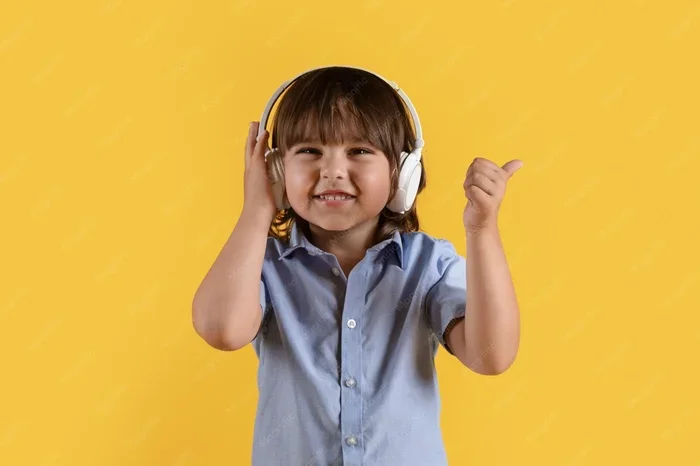
Over-ear headphones sit around the ear and create a cushion of air between the speaker and the ear canal. They tend to deliver sound more evenly and put less pressure on the eardrum. They are also harder to lose and easier to share during family movie nights.
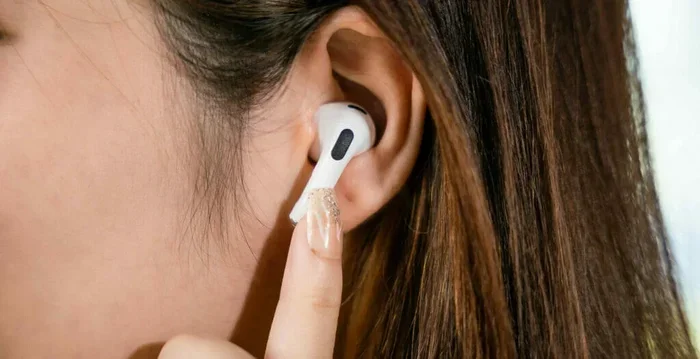
In-ear earbuds fit inside the ear canal. They are portable and lightweight, which makes them great for active kids. However, they can push sound directly into the ear canal, which may increase the risk of hearing damage at high volumes. They are also easier to lose or swallow for very young children.
For younger kids, over-ear designs are generally the safer choice. For older children and teens who want portability, in-ear options can work well if the volume limiter is active and usage is monitored.
What Age Are Bluetooth Headphones Appropriate For?
Age Recommendations from Experts
Most pediatricians and audiologists recommend waiting until a child is at least 3 years old before introducing Bluetooth headphones for kids. Before this age, a child’s ear canal is still developing and is more sensitive to sound pressure.
Here is a general age guide for wireless earbuds and headphones for children:
- Ages 3 to 5: Use over-ear headphones with volume limiters. Keep sessions short, around 20 to 30 minutes.
- Ages 6 to 9: Children can use either over-ear or in-ear models with parental supervision. Set clear time limits.
- Ages 10 to 12: Kids can handle more independence with headphones. Still, monitor volume and duration.
- Ages 13 and up: Teenagers can usually manage their own headphone use. Encourage healthy habits and regular ear breaks.
Remember, these are general guidelines. Every child is different. Some kids may be ready earlier, while others need more time. Use your judgment and watch for any signs of discomfort or ear fatigue.
Signs Your Child May Be Experiencing Hearing Issues
It is important to watch for early warning signs of hearing problems. Young children may not always tell you something is wrong. Here are some red flags to look out for:
- Turning up the volume on devices louder than usual.
- Complaining of ear pain or ringing after using headphones.
- Difficulty hearing conversations at normal volumes.
- Pulling or tugging at ears frequently.
- Delayed speech or language development in younger children (consult a pediatrician if you notice this).
If you notice any of these signs, reduce headphone use immediately and consult a healthcare professional. Early intervention can prevent long-term hearing damage.
Features to Look for in Kid-Friendly Bluetooth Headphones
Volume Limiters
Volume limiters are the most important feature in kid-safe headphones. These built-in controls prevent the sound from exceeding safe levels. Look for headphones that cap volume at 85 decibels or below.
Some models allow parents to adjust the volume cap using a slider or app. This gives you control over how loud your child can listen. It is a simple feature that makes a huge difference in protecting young ears.
Durability and Build Quality
Kids are not always gentle with their belongings. Durable kid-friendly audio devices should be able to survive drops, spills, and rough handling. Look for headphones with reinforced headbands, sweat-resistant ear pads, and sturdy plastic construction.
Some brands offer headphones with replaceable parts. This is a great feature because it extends the life of the headphones and saves you money in the long run.
Comfort and Fit
Comfort matters a lot, especially for younger children. Kid headphones with a comfortable fit should have soft cushioning and adjustable headbands. The weight should be evenly distributed to avoid pressure on the top of the head.
For in-ear models, look for silicone tips that come in different sizes. A proper fit improves sound quality and reduces the risk of ear discomfort during longer listening sessions.
Battery Life and Charging
Good children’s wireless headphones should last at least 6 to 8 hours on a single charge. This is enough for a full day of school use or a long road trip. Fast charging is also a nice bonus when you are short on time.
Look for USB-C charging, which is becoming the standard and works with most modern devices. Avoid models that use proprietary chargers, as they are easy to lose and hard to replace.
Microphone and Call Quality
Many kids use headphones for video calls with friends or family. Kid headphones with a built-in microphone can make these calls clearer and more enjoyable. Look for models with noise-canceling microphones that filter out background noise.
Some headphones also support voice assistants like Alexa or Google Assistant. This can be helpful for older kids who want to set timers, ask questions, or play music hands-free.
Best Practices for Using Bluetooth Headphones with Kids
Setting Usage Rules
Clear rules help kids develop healthy listening habits. Here are some guidelines you can set at home:
- Limit headphone use to 1 to 2 hours per day. This gives ears time to recover and reduces the risk of fatigue.
- Take a 5-minute break every 30 minutes. Have your child remove the headphones and let their ears rest.
- No headphones during meals or family conversations. This encourages active listening and social interaction.
- Keep the volume at a moderate level. If you can hear the music from their headphones, it is too loud.
- Store headphones in a safe place when not in use to prevent damage and loss.
Parental Controls and Monitoring
Many modern Bluetooth headphones for kids come with companion apps that let parents monitor and control usage. These apps can set volume limits, track listening time, and even restrict access to certain features.
Some headphones also work with parental control platforms on tablets and phones. This adds an extra layer of oversight and helps you manage your child’s screen time and audio exposure together.
Cleaning and Hygiene
Kids’ headphones can get dirty fast. Ear pads collect sweat, oils, and bacteria. Regular cleaning is important for hygiene and headphone longevity.
Use a soft cloth dampened with mild soap and water to wipe down ear pads and headbands. For in-ear models, clean the silicone tips with alcohol wipes. Let everything dry completely before the next use.
Common Mistakes Parents Make with Kids’ Headphones
Buying Adult Headphones for Kids
One of the biggest mistakes is buying regular adult headphones for a child. Adult headphones do not have volume limiters, and they often produce sound levels that are too high for young ears. Always choose headphones designed specifically for children.
Ignoring Volume Limits
Even with kid-safe headphones, some parents skip setting the volume limiter. This is a missed opportunity to protect your child’s hearing. Always activate and adjust the volume limiter before handing the headphones over.
Allowing Unlimited Usage Time
It is tempting to let kids use headphones for hours, especially when it keeps them entertained. But unlimited use leads to ear fatigue and can contribute to long-term hearing issues. Set clear time limits and stick to them.
Not Checking for Proper Fit
Ill-fitting headphones can cause discomfort and sound leaks. This leads kids to turn up the volume to compensate. Make sure the headphones fit your child’s head and ears properly before each use.
Expert Insights on Bluetooth Headphones and Kids
What Audiologists Say
Dr. Sarah Chen, a pediatric audiologist, advises parents to choose headphones with built-in volume limiters as a non-negotiable feature. She also recommends limiting daily headphone use to no more than two hours for children under 12. “Hearing damage from unsafe listening habits is cumulative,” she explains. “The habits kids build now can affect their hearing for decades.”
What Pediatricians Recommend
Most pediatricians agree that Bluetooth headphones for kids are fine when used responsibly. The key is moderation and supervision. Dr. James Rivera, a family physician, suggests parents model good listening habits themselves. “Kids learn by watching,” he says. “If you take breaks from your own headphones, they will too.”
The Role of Schools and Educators
Many schools now use wireless audio devices for learning activities. Teachers look for headphones that are comfortable for extended use and easy to sanitize between students. Schools also prefer models with volume limiters to comply with hearing health guidelines for minors.
Key Takeaways
- Bluetooth headphones can be safe for kids when you choose models with volume limiters and kid-friendly designs.
- Look for headphones with built-in volume controls that cap sound at 85 decibels or below to protect young ears.
- Age matters — most experts recommend waiting until a child is at least 3 before introducing wireless earbuds or headphones.
- Bluetooth radiation is low-risk according to current research, but limited use is still a smart precaution for young children.
- Over-ear designs are generally safer than in-ear earbuds for kids due to better sound distribution and lower ear canal pressure.
- Set usage rules and time limits to prevent ear fatigue and ensure healthy listening habits from an early age.
- Parental controls and monitoring apps can help manage what and how long your child listens during screen time.
Conclusion
So, are Bluetooth headphones ok for kids? Yes, they can be a great addition to your child’s entertainment and learning toolkit. The key is choosing the right pair and setting clear rules for safe use.
Bluetooth headphones for kids offer convenience, wireless freedom, and fun audio experiences. With features like volume limiters, durable builds, and comfortable fits, modern kid-friendly headphones make it easier than ever to keep your child safe while they enjoy their favorite music, shows, and games.
Remember to limit usage time, monitor volume levels, and choose age-appropriate designs. These simple steps go a long way in protecting your child’s hearing and overall well-being.
When in doubt, consult your pediatrician or a hearing specialist. They can offer personalized advice based on your child’s age, hearing health, and listening habits. With the right approach, wireless audio for children can be both safe and enjoyable.
Make informed choices, stay involved, and your child can enjoy the benefits of Bluetooth headphones for years to come.
Frequently Asked Questions
Can toddlers use Bluetooth headphones?
Most experts recommend waiting until a child is at least 3 years old before introducing Bluetooth headphones. Toddlers have smaller, more sensitive ear canals that are more vulnerable to sound pressure. If you do introduce headphones to a toddler, choose over-ear models with volume limiters and keep sessions very short.
What is the safest volume level for kids’ headphones?
The safest volume level for children is 85 decibels or below. Most kid-safe headphones come with built-in volume limiters that enforce this cap. You can also manually set the volume on your device to 60% or lower as an extra precaution.
Do Bluetooth headphones cause health problems for kids?
Current research shows that Bluetooth radiation is very low-energy and does not pose proven health risks. The World Health Organization has reviewed available studies and found no evidence of harm from Bluetooth exposure at normal use levels. However, it is still wise to limit usage time and take regular breaks.
How long should kids use Bluetooth headphones each day?
Experts recommend limiting headphone use to 1 to 2 hours per day for children. Taking a 5-minute break every 30 minutes helps prevent ear fatigue. Following the 60/60 rule — 60% volume for no more than 60 minutes at a time — is a great guideline for safe listening.
Are over-ear or in-ear headphones better for kids?
Over-ear headphones are generally the better choice for younger children. They deliver sound more evenly and put less direct pressure on the ear canal. In-ear earbuds can work well for older kids who want portability, but only if the volume limiter is active and usage is supervised.
What should I look for when buying Bluetooth headphones for my child?
Look for headphones with volume limiters, durable construction, comfortable padding, and age-appropriate design. A built-in microphone is helpful for calls, and a companion app for parental controls adds extra oversight. Battery life of at least 6 to 8 hours is also a good sign of a quality pair of children’s wireless headphones.