Can I Use My Sublimation Printer For Dtf Transfers
Using a sublimation printer for DTF transfers is not a simple plug-and-play setup. Sublimation printers and DTF printers work on very different principles, and each has specific equipment needs. You can attempt DTF with a sublimation printer, but you will face serious limitations in ink type, print quality, and adhesive application. This guide walks you through exactly what happens when you try this combination, what works, and what does not. By the end, you will know whether to invest in a dedicated DTF printer or stick with sublimation for your projects.
Have you ever looked at your sublimation printer and wondered if you could use it for DTF transfers? It is a fair question. Many crafters and small business owners want to expand their printing options without buying a whole new machine. The short answer is that it is not straightforward. Sublimation printers and DTF printers are built for very different processes, and mixing them can lead to frustrating results.
In this article, we will break down everything you need to know. We will look at how each printing method works, why the ink and film matter so much, and what happens if you try to use a sublimation setup for DTF transfers. By the end, you will have a clear picture of your options. You will also learn practical tips to get the best results no matter which path you choose.
Key Takeaways
- Sublimation printers cannot natively handle DTF transfers: The ink chemistry and printing process are fundamentally different.
- Sublimation ink does not bond with DTF film: DTF requires white ink as a base layer, which sublimation printers do not use.
- Workarounds exist but come with major trade-offs: You may get partial results, but quality will suffer.
- DTF printers are built for adhesive powder and film: They include features sublimation printers lack entirely.
- Your best bet depends on your printing goals: Choose the right tool for the job to save time and money.
- Heat press settings differ greatly between the two methods: Using wrong settings can ruin both the print and the garment.
- Inkjet printers designed for DTF give far better results: Dedicated DTF equipment makes the process much smoother.
📑 Table of Contents
- What Is a Sublimation Printer and How Does It Work?
- What Are DTF Transfers and Why Are They So Popular?
- Can You Actually Use a Sublimation Printer for DTF Transfers?
- Key Differences Between Sublimation and DTF Printing
- What Happens If You Try DTF on a Sublimation Printer?
- Tips and Alternatives for the Best Results
- Expert Insights on Choosing the Right Printing Method
- Final Thoughts
What Is a Sublimation Printer and How Does It Work?
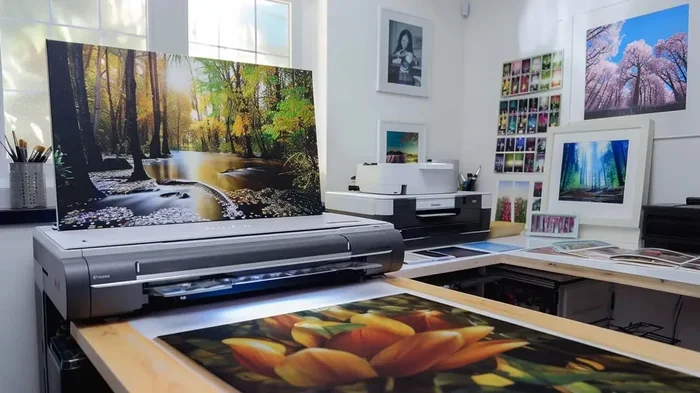
A sublimation printer uses special dye-based ink to transfer designs onto materials. The process starts with printing your design onto a special transfer paper. Then you use a heat press to turn the ink into a gas. That gas bonds with the fibers of a polyester fabric or a coated surface. Once it cools, the ink becomes part of the material itself.
This is why sublimation prints feel smooth to the touch. The ink is not sitting on top of the fabric. It has literally become part of it. That gives you vibrant colors and durable results. But here is the catch. Sublimation ink only bonds with polyester or polymer-coated surfaces. It will not work on cotton or other natural fabrics without a special coating.
The Role of Sublimation Ink
Sublimation ink is water-based and contains dye particles that turn into gas when heated. This ink does not contain white pigment. That is a very important detail. Without white ink, you cannot print on dark fabrics using sublimation. The process relies on the white background of the material showing through your design. This is one of the biggest reasons sublimation and DTF are so different.
Common Uses for Sublimation Printing
Most people use sublimation printers for making mugs, mouse pads, T-shirts, and decorative signs. The method works best on light-colored polyester fabrics and hard surfaces with a polymer coating. If you love printing on mugs or light-colored shirts, sublimation is a fantastic choice. It gives you full-color, photo-quality prints that last a long time.
What Are DTF Transfers and Why Are They So Popular?
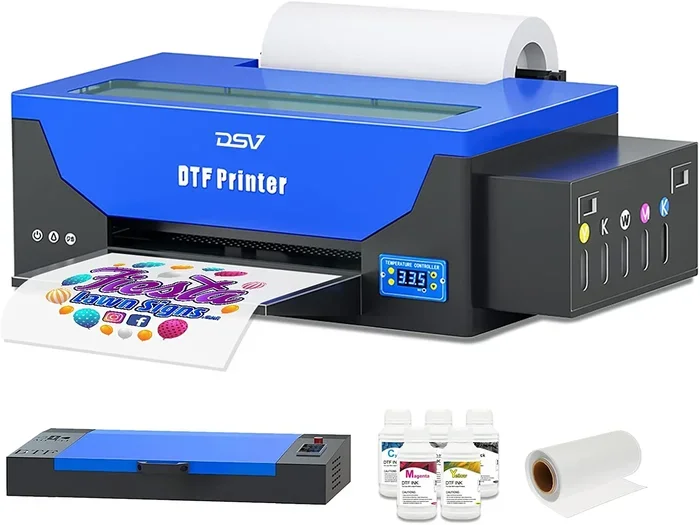
DTF transfers stand for Direct to Film printing. In this method, you print your design onto a special PET film using a DTF printer. Then you apply adhesive powder to the wet ink. The powder sticks to the ink and gets melted in a heat tunnel or oven. Finally, you press the film onto the garment using a heat press. After peeling off the film, your design stays on the fabric.
DTF printing has exploded in popularity over the last few years. One big reason is versatility. Unlike sublimation, DTF works on both light and dark fabrics. You can print on cotton, polyester, blends, and even nylon. The white ink base layer makes this possible. It acts as a foundation that lets your colors pop on any background.
Why DTF Has Grown So Fast
Small businesses love DTF because it has a lower startup cost than screen printing. You do not need screens or setups for each color. You can print one shirt or one hundred shirts with the same ease. The process also gives you detailed, full-color designs with a soft hand feel. That is why many print shops have switched to DTF in recent years.
The Key Components of DTF Printing
DTF printing needs a few specific supplies. You need a DTF printer, which usually uses CMYK plus white ink. You need DTF film, which is a thin PET sheet that holds your printed design. You need adhesive powder, which comes in different mesh sizes. And you need a heat press to bond the transfer to the fabric. Each of these parts plays a big role in the final result.
Can You Actually Use a Sublimation Printer for DTF Transfers?
This is the question most people want answered. The honest answer is that it is technically possible but highly impractical. A sublimation printer for DTF transfers will not give you the same results as a proper DTF printer. The ink systems, the film, and the adhesive process are all built for different workflows. Trying to force one machine to do the other job will lead to problems.
Some people have tried to make it work. They print their design with sublimation ink on regular transfer paper and then try to apply adhesive powder. But the results are inconsistent. The sublimation ink does not hold the powder well. The bond to the fabric is weak. And the print quality is often blurry or faded. It is not a reliable method for producing professional-quality transfers.
Why the Ink Chemistry Matters So Much
Sublimation ink and DTF ink are completely different. Sublimation ink is a dye that turns into gas. DTF ink is a pigment-based ink that stays liquid and bonds through adhesive powder. When you try to use sublimation ink on DTF film, the ink does not adhere properly. It beads up or spreads unevenly. The adhesive powder cannot grip the design the way it should. This means your transfer will peel off or crack after just a few washes.
What About Using Sublimation Ink with a DTF Setup?
Some users wonder if they can fill DTF printer cartridges with sublimation ink. This is a bad idea. The printer hardware is designed for specific ink viscosities and formulations. Sublimation ink is too thin for DTF printheads. It can clog the nozzles and damage the print head over time. You would also lose the color accuracy and vibrancy that sublimation is known for. Do not mix and match ink types unless you are sure your equipment supports it.
Key Differences Between Sublimation and DTF Printing
Understanding the differences between these two methods helps you choose the right one. Let us break down the main contrasts in a simple comparison.
Ink Type and Color Range
Sublimation uses dye-based ink with no white channel. DTF uses pigment ink with a dedicated white ink layer. This difference is huge. The white ink in DTF lets you print on dark fabrics. Sublimation simply cannot do that without a white base garment or coating.
Print Medium and Film
Sublimation prints onto special transfer paper. DTF prints onto PET film. The film is essential because it carries the adhesive powder and holds the design during pressing. You cannot substitute sublimation transfer paper for DTF film. The results will be poor and unreliable.
Adhesive and Bonding Process
DTF printing requires adhesive powder that melts and bonds the ink to the fabric. Sublimation does not use any powder. The ink bonds directly with the material through a chemical reaction triggered by heat. This makes sublimation cleaner but limits which materials you can print on.
Fabric Compatibility
Sublimation works best on polyester and polymer-coated items. DTF works on cotton, polyester, blends, and more. If you need to print on a wide range of fabrics, DTF gives you far more flexibility.
| Feature | Sublimation Printing | DTF Transfers |
|---|---|---|
| Ink Type | Dye-based, no white ink | Pigment-based with white ink |
| Print Medium | Transfer paper | PET film |
| Adhesive | None needed | Adhesive powder required |
| Fabric Types | Polyester, coated surfaces | Cotton, polyester, blends |
| Dark Fabric Printing | Not possible | Works great |
| Hand Feel | Smooth, ink is in the fiber | Slightly thicker, soft hand |
| Durability | Very durable, fade-resistant | Durable, wash-resistant |
| Startup Cost | Moderate to high | Moderate |
What Happens If You Try DTF on a Sublimation Printer?
If you go ahead and try to run DTF transfers on your sublimation printer, you will run into several problems right away. Let us walk through what to expect so you can avoid wasting time and supplies.
First, your sublimation printer will not have a white ink channel. DTF relies on white ink as the bottom layer. Without it, your colors will look dull on dark fabrics. The design might even disappear entirely on black shirts. This alone makes the process pointless for many projects.
Second, the sublimation ink will not bond with DTF film properly. The film is designed to work with pigment-based DTF inks. Sublimation ink sits on top of the film instead of absorbing into it. When you try to apply adhesive powder, it clumps and does not stick evenly. The final transfer will look patchy and unprofessional.
Third, your printhead could get damaged. Sublimation ink has a different viscosity than DTF ink. Running it through a DTF printhead (or vice versa) can cause clogging and permanent damage. Repairs are expensive and often not worth the risk.
Real-World Results Users Have Reported
Many users who have tried this combination share similar experiences. They report faded colors, poor adhesion, and transfers that peel off after one or two washes. Some say the ink smears during the pressing process. These are not isolated cases. The chemistry simply does not support a reliable DTF workflow on sublimation equipment.
That said, some crafters use their sublimation printers for DTF-like projects by printing on transfer paper and using a heat press with a carrier sheet. But this is not true DTF. It is a workaround that gives limited results. It works best for light-colored fabrics and simple designs. Do not expect the same quality you would get from a dedicated DTF printer.
Tips and Alternatives for the Best Results
If you want to expand your printing capabilities, there are better paths than trying to make your sublimation printer do DTF work. Let us look at some practical options.
Option 1: Buy a Dedicated DTF Printer
The most reliable way to do DTF transfers is to invest in a proper DTF printer. These machines are built with the right ink channels, printheads, and settings for DTF film and adhesive powder. Prices have come down in recent years, and there are great entry-level options available. If DTF is something you plan to do regularly, a dedicated machine will save you time, ink, and frustration.
Option 2: Stick with Sublimation for the Right Projects
If you already own a sublimation printer, lean into its strengths. Use it for polyester items, mugs, phone cases, and light-colored garments. Sublimation gives you beautiful, durable results on these products. There is no need to force it into a role it was not designed for.
Option 3: Outsource DTF Orders
If you only need DTF transfers occasionally, consider outsourcing. Many local print shops and online services offer DTF printing at competitive prices. This lets you offer DTF products to your customers without buying a second printer. It is a smart move for small businesses that want to keep their equipment lean.
Quick Tips for Better Printing Results
- Always use the correct ink for your printer type. Do not mix sublimation and DTF inks.
- Store your films and papers in a cool, dry place to prevent moisture damage.
- Calibrate your heat press regularly for consistent temperatures and pressure.
- Test every new film or paper batch with a small print before running a full order.
- Clean your printheads often to prevent clogging and maintain print quality.
- Follow the manufacturer’s guidelines for ink, film, and adhesive powder compatibility.
Common Mistakes to Avoid
One of the biggest mistakes is assuming all heat transfer methods are the same. They are not. Sublimation and DTF use different inks, films, and processes. Another common mistake is using the wrong heat press temperature. Too much heat can scorch sublimation prints or melt DTF film. Too little heat means the transfer will not bond properly. Always check the recommended settings for your specific materials.
Some users also skip the adhesive powder step when trying DTF. This is a critical part of the process. Without the powder, the ink will not stick to the fabric. You will end up with a design that washes off after one cycle. Do not skip steps to save time. Each step exists for a reason.
Expert Insights on Choosing the Right Printing Method
Industry experts agree that sublimation and DTF serve different markets. Sublimation excels in hard goods and light polyester fabrics. DTF shines in garment printing, especially on dark or cotton materials. Many successful print shops use both methods side by side. They have a sublimation printer for mugs and light shirts, and a DTF printer for dark garments and custom apparel.
If you are just starting out, think about your target market. What do your customers want? If they want light-colored polyester items, sublimation is your best bet. If they want custom T-shirts in any color, DTF is the way to go. Investing in the right equipment from the start saves you money and delivers better results to your customers.
Final Thoughts
So, can you use a sublimation printer for DTF transfers? Technically, you can try. But the results will not be reliable or professional. The ink chemistry, film compatibility, and adhesive process are all built for different systems. Your best path forward is to use each machine for what it was designed to do. If you need DTF transfers, invest in a DTF printer. If you love sublimation, keep creating beautiful prints on compatible materials.
Both methods have their place in the printing world. Understanding their strengths and limitations helps you make smarter decisions. You will save time, reduce waste, and produce higher-quality results. Pick the right tool for the job, and your prints will speak for themselves.
Frequently Asked Questions
Can sublimation ink be used for DTF transfers?
No, sublimation ink is not suitable for DTF transfers. Sublimation ink is dye-based and lacks the white pigment needed for DTF printing. It will not bond properly with DTF film or adhesive powder, leading to poor print quality and weak adhesion.
What is the main difference between sublimation and DTF printing?
The main difference is the ink and process. Sublimation uses dye-based ink that turns into gas and bonds with polyester. DTF uses pigment ink with a white base layer and adhesive powder to bond with fabric. This makes DTF more versatile for different fabric types.
Do I need a separate printer for DTF transfers?
Yes, for the best results you need a dedicated DTF printer. DTF printers are built with the right ink channels, printheads, and settings for DTF film and adhesive powder. Using a sublimation printer for DTF will give inconsistent and unreliable results.
Can I print on dark fabrics with a sublimation printer?
No, sublimation printers cannot print on dark fabrics. Sublimation ink requires a light or white background to show colors. DTF printing, on the other hand, uses white ink as a base layer, making it possible to print on dark garments with vibrant results.
Is DTF printing better than sublimation for T-shirts?
DTF is generally better for T-shirts, especially dark ones. It works on cotton, polyester, and blends, and the white ink base ensures colors pop on any fabric. Sublimation works well on light polyester shirts but cannot match DTF’s versatility for garment printing.
What supplies do I need for DTF transfers?
You need a DTF printer, DTF film, pigment-based ink including white, adhesive powder, a heat tunnel or oven, and a heat press. Each supply plays an important role in the process. Skipping any step or using the wrong material will affect the final result.
=== CONCLUSION ===
Using a sublimation printer for DTF transfers is not a practical solution. The two methods are built on different ink chemistry, film types, and bonding processes. While it might be tempting to try and stretch your equipment, the results will not meet your expectations. Sublimation is perfect for polyester and coated items. DTF is the go-to for versatile garment printing on any fabric color. Invest in the right equipment for each job, and you will get the best prints every time. Your creativity deserves tools that work as hard as you do.