Can I Use Bluetooth Headphones In The Helmet Safely
Yes, you can use Bluetooth headphones in your helmet, but safety should always come first. This guide covers the different types of Bluetooth headphones in helmet setups, from wireless earbuds to helmet speakers, and explains what riders need to know about comfort, legality, and safe listening. Whether you ride a motorcycle, bike, or scooter, you will find practical tips to enjoy your favorite audio without compromising your safety on the road.
There is nothing quite like the feeling of the open road. The wind in your face, the hum of the engine, and your favorite playlist pumping through your ears. For many riders, listening to Bluetooth headphones in helmet setups is the perfect way to make every ride more enjoyable. But can you really use Bluetooth headphones in a helmet safely? The short answer is yes. The longer answer is that it depends on the type of gear you choose, how you use it, and the rules in your area.
This guide breaks down everything you need to know about using Bluetooth headphones in helmet setups. We will look at the different types of audio solutions, safety concerns, legal rules, and practical tips to help you make the best choice. Whether you are a daily commuter or a weekend cruiser, this article has you covered.
Riding with audio can make long trips feel shorter and solo rides feel less lonely. But it also comes with real risks. The key is finding the right balance between fun and safety. That is exactly what we will help you do in this guide. So let us dive in and explore the world of Bluetooth headphones in helmet audio solutions.
Key Takeaways
- Helmet audio is possible and popular: Many riders use Bluetooth headphones in their helmets for music, calls, and navigation.
- Safety comes first: Always choose audio solutions that let you hear traffic and ambient sounds while riding.
- Multiple options exist: From helmet-integrated systems to bone conduction headphones, there is a solution for every rider.
- Laws vary by location: Some places ban headphones while riding, so check your local rules before using any audio device.
- Fit and comfort matter: The best Bluetooth headphones in helmet setups are ones that do not cause pressure or discomfort during long rides.
- Volume control is essential: Keep your audio at safe levels to protect your hearing and stay aware of your surroundings.
- Quality gear makes a difference: Investing in good helmet audio devices improves both your listening experience and your safety.
📑 Table of Contents
- Why Riders Want Bluetooth Audio in Their Helmets
- Types of Bluetooth Audio Solutions for Helmets
- Is It Safe to Use Bluetooth Headphones in a Helmet
- How to Choose the Best Bluetooth Audio for Your Helmet
- Legal Rules Around Using Helmet Audio
- Tips for Safe and Enjoyable Listening While Riding
- Conclusion
Why Riders Want Bluetooth Audio in Their Helmets
Riders love Bluetooth headphones in helmet setups for many reasons. Music makes rides more fun. Podcasts make long trips feel shorter. And hands-free calls keep you connected without pulling out your phone. But the appeal goes deeper than just entertainment.
The Appeal of Wireless Audio on Two Wheels
Imagine cruising down a scenic highway with your favorite song playing softly in the background. That is the magic of wireless helmet speakers and helmet audio devices. Music boosts your mood. It can help you stay focused and relaxed. For many riders, riding music is an essential part of the experience.
Beyond music, there is the practical side. Bluetooth connectivity lets you take calls, hear GPS directions, and stay in touch with your riding group. All of this without taking your hands off the handlebars. That is a huge safety advantage over fumbling with a phone.
Who Uses Helmet Audio
All kinds of riders use helmet audio systems. Motorcycle riders are the most common users. But cycling headphones and audio for riders of electric scooters and bikes are also growing in popularity. Commuters, touring riders, and weekend adventurers all enjoy the benefits of safe listening while riding.
Even professional riders sometimes use helmet speaker systems for communication during group rides. The technology has come a long way, and today’s helmet compatible earbuds and helmet audio gear are better than ever.
Types of Bluetooth Audio Solutions for Helmets
Not all Bluetooth headphones in helmet setups are the same. There are several options to choose from, and each has its own pros and cons. Let us look at the most popular choices.
Helmet-Integrated Bluetooth Systems
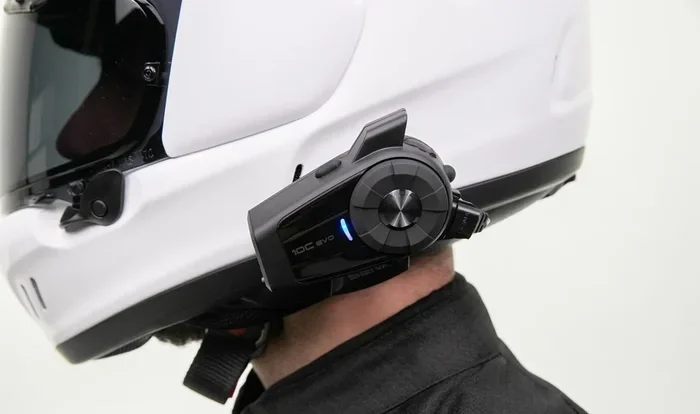
Some helmets come with Bluetooth helmet integration built right in. These helmet audio systems have speakers and microphones sewn into the padding. Brands like Sena, Cardo, and Scala Rider make popular motorcycle audio gear of this type.
The big advantage is that everything is built into the helmet. There are no extra wires or bulky add-ons. The audio feels natural and the fit is comfortable. These systems also often include intercom features so you can talk to other riders.
Wireless Helmet Speakers and Earbuds
Wireless earbuds designed for helmets are another great option. These small speakers sit inside the helmet near your ears. They do not interfere with the helmet’s fit or safety. Many riders prefer helmet compatible earbuds because they are easy to move between helmets.
Look for earbuds that are sweat-resistant and have a secure fit. Some models are specifically designed for motorcycle helmet audio and offer great Bluetooth connectivity even in noisy environments.
Bone Conduction Headphones
Bone conduction headphones are a unique type of open-ear headphones. They sit on your cheekbones and send sound through your bones to your inner ear. This means your ear canals stay open, so you can still hear traffic and ambient sounds.
These are often considered the safest option for safe riding audio. They are also very comfortable for long rides. The trade-off is that sound quality may not be as rich as traditional headphones or speakers.
Open-Ear Bluetooth Earbuds
Open-ear headphones rest on your ears without going inside them. They use small hooks or pads to stay in place. These are a good middle ground between full earbuds and bone conduction options.
They offer decent sound quality and keep your ears open to hear what is happening around you. For riders who want a balance of audio quality and situational awareness, open-ear headphones are worth considering.
Comparison Table: Helmet Audio Options
| Audio Type | Comfort | Safety | Sound Quality | Price Range |
|---|---|---|---|---|
| Helmet-Integrated Systems | Very High | High | Great | $$$ |
| Wireless Helmet Speakers | High | High | Good | $$ |
| Bone Conduction | Very High | Very High | Fair | $$ |
| Open-Ear Earbuds | High | High | Good | $ |
Is It Safe to Use Bluetooth Headphones in a Helmet
Safety is the biggest concern when using Bluetooth headphones in helmet setups. And it is a valid concern. Riding requires your full attention. You need to hear cars, sirens, other riders, and road conditions. So how do you enjoy audio without putting yourself at risk?
Can Headphones Block Important Sounds
The main risk with in-ear headphones is that they block out ambient noise. If you cannot hear a car horn or an ambulance siren, that is a serious problem. Traditional earbuds that seal your ear canal are the worst choice for safe listening while riding.
This is why open-ear headphones and bone conduction headphones are so popular among riders. They let you hear both your audio and the world around you. When choosing Bluetooth headphones in helmet gear, always prioritize options that keep your ears open.
Pressure and Comfort Issues
A helmet is already a snug fit. Adding bulky headphones can create pressure points. Over time, this can cause headaches, neck pain, and discomfort. Poorly placed helmet speakers can also shift the helmet’s padding, reducing its protective capabilities.
Choose lightweight helmet audio devices that fit naturally inside your helmet. Make sure nothing presses against your head in a way that causes pain. Comfort and safety go hand in hand when you are Bluetooth headphones in helmet setups.
Distraction Risks While Riding
Music can be distracting, especially at high volumes. If you are focused on lyrics or a podcast, you might miss important sounds on the road. This is why volume control is so important for helmet audio safety.
Keep your volume low enough that you can still hear traffic and surroundings. A good rule of thumb is that you should be able to hear a car horn even with your audio playing. This simple habit can make a big difference in your safe riding audio experience.
How to Choose the Best Bluetooth Audio for Your Helmet
Picking the right Bluetooth headphones in helmet gear can feel overwhelming. There are so many options out there. But if you focus on a few key factors, the decision becomes much easier.
Fit and Comfort Matter Most
The best helmet audio system in the world is useless if it hurts after ten minutes. Think about how your helmet fits right now. Where is there room for small speakers or earbuds? Do not buy gear that forces you to adjust your helmet’s padding or straps.
Look for helmet compatible earbuds that are small and lightweight. If you prefer wireless helmet speakers, make sure they sit flush against the inside of your helmet. A good fit means you forget the audio gear is even there.
Battery Life and Connectivity
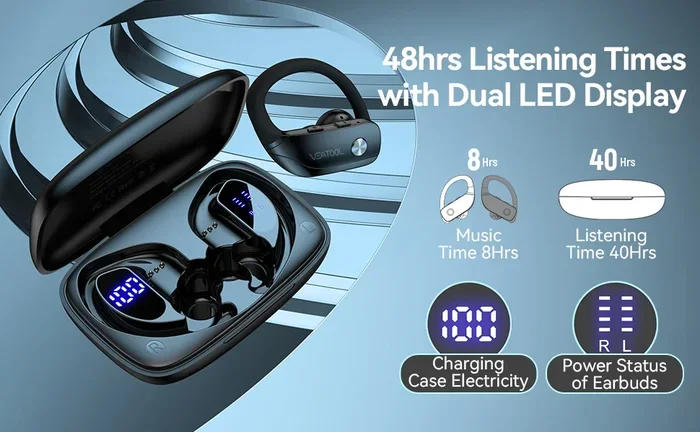
Nothing is worse than your audio cutting out mid-ride. Look for Bluetooth headphones in helmet options that offer at least 8 to 10 hours of battery life. That covers most long rides and touring days.
Bluetooth connectivity should be stable and quick to pair. Modern versions of Bluetooth handle interference from wind noise and engine vibration much better than older versions. Choose gear that uses Bluetooth 5.0 or higher for the best Bluetooth helmet integration experience.
Sound Quality vs Safety
Great sound is nice, but it should never come at the cost of safety. Prioritize helmet audio safety over audiophile-grade sound quality. You do not need booming bass to enjoy your ride. You need clear audio at safe volume levels.
If you love music, choose open-ear headphones or bone conduction headphones that deliver good sound while keeping your ears open. The best motorcycle helmet audio setup is one where you can enjoy your riding music and still stay fully aware of your surroundings.
Legal Rules Around Using Helmet Audio
Laws around Bluetooth headphones in helmet use vary widely. Some places have clear rules. Others are more relaxed. It is important to know the laws in your area before you ride with audio.
Laws That Ban Headphones While Riding
Several US states and many countries have laws that ban wearing headphones in both ears while operating a vehicle, including bicycles and motorcycles. In these places, using in-ear headphones or over-ear headphones inside a helmet can get you a ticket.
The logic behind these laws is simple. If you cannot hear your surroundings, you are a danger to yourself and others. Before you ride with any helmet audio devices, check your local traffic laws. Ignorance of the law is not a valid defense.
Where It Is Legal to Use Helmet Speakers
In many places, using open-ear headphones or helmet speakers that do not block both ears is perfectly legal. Bone conduction headphones and single-ear setups often fall outside headphone bans because they leave one ear open.
Some regions specifically allow helmet speaker systems as long as they do not block your ability to hear emergency vehicles and other traffic sounds. When in doubt, choose audio for riders that keeps at least one ear open to ambient noise.
Tips for Safe and Enjoyable Listening While Riding
Now that you know the options and the rules, here are some practical tips to make the most of your Bluetooth headphones in helmet experience. These tips will help you stay safe and enjoy your audio on every ride.
Keep One Ear Open
If your gear allows it, use only one earbud or speaker. This is one of the simplest ways to practice safe listening while riding. You get your audio and still have full awareness of what is happening around you.
Many riders use a single wireless earbud in one ear and leave the other ear open. This works great for music, podcasts, and calls. It is a small change that makes a big safety difference.
Use Low Volume Levels
Keep your volume at a level where you can still hear traffic, other riders, and road sounds. A good test is to pause your audio and see if you can hear a car horn from a reasonable distance. If you cannot, turn the volume down.
Loud audio can also damage your hearing over time. Riders who use helmet audio systems at high volumes for years often experience hearing loss. Protect your ears by keeping the volume moderate and taking regular breaks.
Choose the Right Gear
Invest in quality helmet audio gear that is designed for riders. Cheap earbuds may fall out, lack Bluetooth connectivity, or block your ears completely. Look for gear that is sweat-resistant, lightweight, and designed for outdoor use.
Read reviews from other riders before you buy. The best Bluetooth headphones in helmet setups are the ones that real riders trust and recommend. Do not just buy based on price or looks. Think about safety, comfort, and durability.
Test Before You Ride
Before you hit the road, test your helmet audio system in a safe, stationary position. Make sure the speakers or earbuds stay in place. Check that the volume is comfortable and that you can still hear your surroundings clearly.
This quick test can prevent problems on the road. It only takes a minute but can save you from a dangerous situation. Make it a habit every time you gear up for a ride.
Keep Your Gear Clean
Sweat, dust, and rain can affect your helmet audio devices. Wipe down your earbuds or speakers after every ride. Store them in a dry place when not in use. Clean gear lasts longer and performs better.
Check the manufacturer’s instructions for cleaning and maintenance. Taking care of your motorcycle audio gear ensures it works reliably ride after ride.
Conclusion
Using Bluetooth headphones in helmet setups is absolutely possible and can make your rides more enjoyable. The key is choosing the right gear, using it safely, and following the laws in your area. Whether you pick helmet-integrated systems, bone conduction headphones, or open-ear earbuds, the goal is the same: enjoy your audio without compromising your safety.
Remember to keep the volume low, stay aware of your surroundings, and always prioritize safety over entertainment. The best Bluetooth headphones in helmet experience is one where you feel great, hear everything around you, and ride with confidence. So gear up, pick your favorite playlist, and hit the road. Happy riding.
Frequently Asked Questions
Can I use regular Bluetooth earbuds inside my helmet?
You can, but it is not the safest option. Regular earbuds block your ear canals and reduce your ability to hear traffic and ambient sounds. For safe listening while riding, choose open-ear headphones or bone conduction headphones instead.
Are helmet-integrated Bluetooth systems worth the investment?
Yes, they are one of the best options for serious riders. They offer great Bluetooth connectivity, comfortable fit, and excellent sound quality without adding bulk to your helmet. They are especially worth it for frequent riders and touring enthusiasts.
Is it legal to use headphones while riding a motorcycle?
The laws vary by location. Some places ban headphones in both ears while riding, while others allow open-ear audio devices or helmet speakers. Always check your local traffic laws before using any helmet audio devices on the road.
What is the safest type of Bluetooth headphones for helmet use?
Bone conduction headphones are widely considered the safest option. They sit on your cheekbones and leave your ear canals completely open. This allows you to hear your audio and stay fully aware of traffic and road sounds at the same time.
How do I stop my helmet speakers from falling out during a ride?
Choose helmet compatible earbuds or wireless helmet speakers that are designed to fit snugly inside helmets. Look for models with secure hooks or pads. You can also adjust the placement of the speakers inside your helmet padding for a more stable fit.
Can I use Bluetooth headphones in a bicycle helmet too?
Absolutely. Bluetooth headphones in helmet setups work for bicycle helmets as well. The same safety principles apply. Choose open-ear headphones or bone conduction headphones to keep your ears open and stay aware of traffic and pedestrians while cycling.