Do Smart Irrigation Controllers Actually Save Water
Do smart irrigation controllers actually save water? The short answer is yes — they can reduce outdoor water use by 20 to 50 percent. These devices use weather data, soil sensors, and automation to water your lawn only when it needs it, saving both water and money over time.
Do smart irrigation controllers actually save water? If you have ever stood in your yard watching sprinklers run during a rainstorm, you know the frustration of wasted water. Traditional irrigation timers run on fixed schedules. They do not think. They do not adapt. And they waste a shocking amount of water every single week.
Smart irrigation controllers change all of that. These devices connect to Wi-Fi, pull in local weather data, and adjust your watering schedule automatically. The result is a lawn that gets exactly what it needs — no more, no less. In this article, we will break down how these systems work, what kind of water savings you can expect, and whether the investment is worth it for your home.
We will also cover practical tips for choosing the right controller, setting it up correctly, and avoiding common mistakes. Whether you are a weekend gardener or a busy homeowner who barely thinks about sprinklers, this guide has something for you. Let us dive in.
Key Takeaways
- Water Savings: Smart irrigation controllers cut outdoor water use significantly by adjusting schedules based on real-time conditions.
- Lower Bills: Less water waste means a noticeable drop in your monthly water bill, especially in dry climates.
- Smart Technology: These devices use weather forecasts, soil moisture sensors, and evapotranspiration data to make watering decisions.
- Easy to Install: Most smart controllers are DIY-friendly and work with existing sprinkler systems.
- Better for Lawns: Overwatering harms grass and plants — smart controllers deliver the right amount every time.
- ROI Is Strong: The upfront cost pays for itself within one to two seasons through water savings alone.
📑 Table of Contents
What Are Smart Irrigation Controllers?
A smart irrigation controller is a device that replaces your old sprinkler timer. It connects to your home Wi-Fi network and uses real-time data to manage your watering schedule. Think of it as the brain behind your landscape irrigation system.
Unlike traditional timers that run on a fixed clock, smart controllers adjust watering based on conditions. They check the weather forecast. They measure soil moisture. They even track how much water your specific plants need. Some models work with drip irrigation systems, while others manage full sprinkler setups.
How Do They Connect to Your Home?
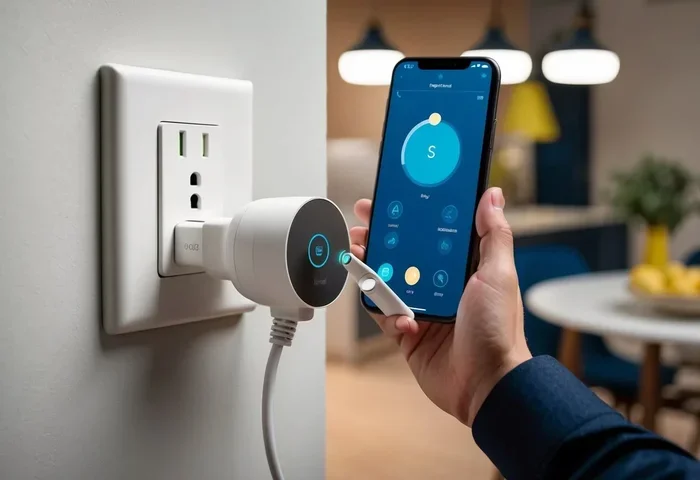
Most smart controllers plug right into your existing sprinkler system. You do not need to rip out your old setup. The device replaces the control box on your wall or sits near your irrigation valve. From there, it connects to your home Wi-Fi and syncs with an app on your phone.
Through the app, you can:
- Adjust watering schedules from anywhere
- View real-time water usage data
- Receive alerts about leaks or system issues
- Set up different irrigation zones for lawn, garden, and flower beds
The whole setup usually takes less than an hour. Most manufacturers provide step-by-step instructions. And if you run into trouble, many brands offer free phone support.
How Do Smart Irrigation Controllers Work?
The technology behind these devices is simpler than it sounds. Let us walk through the key components that make smart irrigation controllers so effective.
Weather-Based Watering
One of the biggest features is weather-based watering. The controller pulls local weather data from online services. It knows when it rained, when rain is coming, and how hot and dry the air is. If rain is in the forecast, the system skips your scheduled watering. This alone saves a huge amount of water over a growing season.
Some advanced models use a concept called evapotranspiration (ET). ET measures how much water your plants lose through evaporation and plant transpiration. The controller uses ET data to calculate exactly how much water your lawn needs each day. It is like giving your plants a personalized hydration plan.
Soil Moisture Sensors
Many smart controllers work with soil moisture sensors. These small devices go into the ground near your plants. They measure how wet or dry the soil is. If the soil already has enough moisture, the controller tells the sprinklers to stay off. This prevents overwatering, which is one of the most common mistakes in lawn care.
Rain and Freeze Sensors
Rain sensors are another smart feature. These devices detect rainfall and tell the controller to pause watering. A freeze sensor does the opposite — it prevents watering when temperatures drop below freezing. Both features protect your plants and save water at the same time.
Do Smart Irrigation Controllers Really Save Water?
This is the big question, and the answer is a clear yes. But the amount of water saved depends on several factors. Let us look at the numbers.
What the Research Says
Studies from universities and water districts consistently show that smart controllers reduce outdoor water use. Research from the University of California found that smart irrigation controllers cut water use by an average of 20 to 50 percent compared to traditional timers. Other studies from the EPA’s WaterSense program show similar results.
Outdoor watering accounts for nearly 30 percent of total household water use in many areas. That means even a 20 percent reduction in outdoor watering can make a real difference on your water bill and your local water supply.
Real-World Water Savings Examples
Here are some practical examples of how much water smart irrigation controllers can save:
- A typical suburban lawn: Saves about 7,000 to 15,000 gallons per year
- A small garden with drip zones: Saves 2,000 to 5,000 gallons per year
- A large property with multiple zones: Can save 20,000 gallons or more annually
These numbers vary based on your climate, lawn size, and how much you were overwatering before. But even conservative estimates show meaningful savings.
Why Traditional Timers Waste So Much Water
Old-school sprinkler timers run on a schedule you set weeks or months ago. They do not know it rained. They do not know the temperature dropped. They just run on autopilot. This leads to a lot of unnecessary watering. In fact, experts estimate that up to 50 percent of outdoor water use goes to waste because of poor irrigation timing and scheduling.
Water conservation starts with using technology that works smarter, not harder. Smart controllers replace guesswork with data-driven decisions.
Do They Work in All Climates?
Smart controllers work well in nearly every climate. In dry, arid regions, the savings can be dramatic because outdoor watering is so frequent. In wetter climates, the controllers prevent overwatering during rainy seasons. Even in moderate climates, the weather-based adjustments keep water use efficient year-round.
The key is choosing a controller that is compatible with your local weather data and that supports the right irrigation schedule for your zone.
Benefits Beyond Water Savings
Water savings are the headline benefit, but smart irrigation controllers offer a lot more. Here is what else you get when you upgrade.
Lower Water Bills
Less water used means less money spent. A typical household can save $30 to $80 per year on their water bill with a smart controller. In areas with high water rates, the savings can be even bigger. Over two or three years, these savings often cover the cost of the device entirely.
Water bill savings are one of the fastest returns on any home improvement investment. You pay once, and the savings keep coming every month.
Healthier Lawn and Plants
Overwatering is bad for your lawn. It leads to shallow roots, fungal growth, and weed problems. Underwatering is just as bad. A smart controller finds the sweet spot. Your grass gets the right amount of water at the right time, which promotes deep root growth and a lush, green lawn.
Your garden plants benefit too. Drip irrigation zones connected to a smart controller deliver water directly to plant roots. This reduces evaporation and keeps plants thriving without waste.
Convenience and Peace of Mind
With a smart controller, you never have to worry about forgetting to turn off the sprinklers. The system handles everything. You can adjust settings from your phone while sitting on the couch or traveling for the weekend. Some models send alerts if there is a leak or a system malfunction.
This level of water management gives you control without the effort. It is one of the best examples of how smart home devices make everyday life easier.
Environmental Impact
Saving water is not just good for your wallet. It is good for the environment too. Less water drawn from local supplies means more water left in rivers and reservoirs. Reduced water use also means less energy spent pumping and treating water. Every gallon saved adds up to a bigger impact on your community and the planet.
Increased Property Value
A well-maintained lawn with efficient irrigation adds curb appeal. Homebuyers notice a healthy, green yard. A smart irrigation system signals that the property is well cared for and modern. While it may not add thousands to your home value, it is a nice bonus when it comes time to sell.
Choosing the Right Smart Irrigation Controller
Not all smart controllers are created equal. Here is what to look for before you buy.
Compatibility With Your Existing System
Check that the controller works with your current sprinkler setup. Most models are compatible with standard 24-volt valve systems. But some work only with specific brands or types of valves. Read the specs carefully before purchasing.
Weather Data Sources
Good controllers pull weather data from reliable local sources. Look for models that use nearby weather stations or satellite data. The more accurate the data, the better the watering decisions.
Number of Zones
Count how many irrigation zones you have in your yard. A zone might be your front lawn, your backyard, your garden beds, or your drip system. Make sure the controller supports enough zones for your needs. Most models handle between 8 and 16 zones.
App Quality and Features
The app is how you interact with the controller daily. Look for an app that is easy to navigate, offers clear water usage reports, and sends helpful notifications. A clunky app will frustrate you and make the system harder to use.
Price and Warranty
Smart controllers range from about $100 to $400. Higher-priced models usually offer more zones, better sensors, and advanced features. Look for a model with at least a one-year warranty. Some brands offer two or three years, which shows confidence in their product.
Quick Tips for Choosing the Right Controller
- Match the controller to your number of zones
- Choose a model with weather-based adjustments
- Pick a brand with good app reviews
- Check if your water utility offers rebates for smart controllers
- Consider controllers with soil moisture sensor support
Common Mistakes to Avoid
Even the best smart irrigation controller will not save water if it is not set up correctly. Here are the mistakes homeowners make most often.
Skipping the Initial Setup
Many people buy a smart controller, plug it in, and never touch it again. But the initial setup is critical. You need to enter your location, set your plant types, define your zones, and adjust the watering preferences. Taking 15 minutes to set this up properly pays off for years.
Ignoring Seasonal Adjustments
Your lawn needs different amounts of water in summer versus winter. A smart controller handles most of this automatically, but you should still review your settings each season. In cooler months, you can reduce watering frequency. In peak summer, you may need to add a little extra time.
Not Using Soil Moisture Sensors
If your controller supports soil moisture sensors, use them. These small additions make a big difference. Without them, the controller relies only on weather data. With them, it knows exactly what is happening in the soil beneath the surface.
Letting the System Run Without Monitoring
Smart controllers are not set-and-forget devices entirely. You should check the app once a week or so. Look at your water usage data. Check for any alerts. Make small adjustments as needed. This simple habit keeps your system running at peak efficiency.
Overlooking Local Rebates and Incentives
Many water utilities offer rebates for installing smart irrigation controllers. These rebates can cover 50 percent or more of the cost. Check your local water district website or call their customer service line. You might be leaving money on the table.
Using the Wrong Nozzles or Sprinkler Heads
A smart controller helps you water smarter, but it cannot fix a broken sprinkler head or an inefficient nozzle. Make sure your sprinkler system is in good shape before relying on the controller. Replace clogged or broken heads, and consider upgrading to rotating nozzles that distribute water more evenly.
Expert Insights
Lawn care professionals and irrigation specialists agree on one thing: smart controllers are a game-changer for residential water use. “We have seen homeowners cut their outdoor water use in half after switching to a smart controller,” says one certified irrigation auditor. “The technology has improved dramatically in the last five years, and the prices have come down too.”
Experts also emphasize that smart controllers work best when paired with good lawn care tips. Mow at the right height, aerate your soil once a year, and use mulch around garden beds. These practices work together with smart watering to create a healthy, efficient landscape.
Another tip from the pros: group plants with similar water needs in the same irrigation zone. This way, the controller can water each zone based on what those specific plants need, rather than using a one-size-fits-all approach.
Key Takeaways
- Smart irrigation controllers save water: They reduce outdoor water use by 20 to 50 percent through data-driven watering decisions.
- They pay for themselves: Lower water bills and potential rebates mean the investment returns quickly.
- They use real-time data: Weather forecasts, soil moisture levels, and evapotranspiration rates guide every watering decision.
- Installation is simple: Most controllers replace your existing timer and connect to your Wi-Fi in under an hour.
- They benefit your lawn: Proper watering leads to healthier grass, fewer weeds, and less fungal disease.
- They are not set-and-forget: Regular monitoring and seasonal adjustments keep the system running at its best.
- They help the environment: Every gallon saved reduces strain on local water supplies and lowers your household footprint.
Conclusion
The answer to the question “Do smart irrigation controllers actually save water” is a resounding yes. These devices use smart technology to water your lawn and garden only when needed. They reduce waste, lower your water bill, and promote healthier plants. The research backs this up, and real homeowners confirm it every day.
If you are still using an old mechanical timer, it is time to upgrade. The technology is affordable, easy to install, and delivers results from day one. With water prices rising in many areas, a smart irrigation controller is one of the smartest investments you can make for your home.
Take a few minutes today to research models, check for local rebates, and plan your setup. Your lawn, your wallet, and your local water supply will all thank you.
Frequently Asked Questions
How much water can a smart irrigation controller save?
Most studies show a reduction of 20 to 50 percent in outdoor water use. The exact savings depend on your climate, lawn size, and how much you were overwatering before. In dry regions, the savings tend to be on the higher end of that range.
Are smart irrigation controllers hard to install?
No, most models are designed for DIY installation. You swap out your old timer, connect the wires, and follow the setup instructions in the app. The whole process usually takes less than an hour. If you are uncomfortable with basic wiring, a local irrigation pro can handle the install for you.
Do smart irrigation controllers work with all sprinkler systems?
Most smart controllers work with standard 24-volt sprinkler valve systems. However, some models are designed for specific brands or types of systems. Always check compatibility before buying. If you have a drip irrigation setup or a complex multi-zone system, look for a controller that supports those configurations.
Will a smart irrigation controller work during a power outage?
Most smart controllers have a battery backup that keeps your settings saved during a power outage. When power returns, the system resumes normal operation. However, the controller will not run the sprinklers during the outage unless it has a separate backup power source for the valves.
Can I control my smart irrigation controller when I am away from home?
Yes, that is one of the best features. As long as you have internet access, you can adjust your watering schedule from anywhere using the controller’s app. You can also receive alerts about system issues, leaks, or unusual water usage while you are traveling.
Do smart irrigation controllers really lower water bills?
Yes, they do. By eliminating unnecessary watering and adjusting schedules based on real-time conditions, smart controllers reduce the amount of water you use outdoors. Over a year, most homeowners see a noticeable drop in their water bill. In some areas, water utilities also offer rebates that make the savings even greater.