Are Backpacks Appropriate For Work Here Is The Answer
Are backpacks appropriate for work? The short answer is yes, but it depends on your workplace culture, the type of backpack, and how you style it. A well-chosen backpack can look just as polished as a briefcase or leather bag if you follow a few simple guidelines. From tech-friendly designs to minimalist leather options, the right backpack keeps you organized and professional all day. This guide covers everything you need to know about wearing a backpack to the office without sacrificing your credibility or style.
Are backpacks appropriate for work? It is a question that sparks heated debates in offices around the world. Some people love the convenience and hands-free comfort a backpack provides. Others worry it looks too casual or even sloppy for a professional setting. The truth is, backpacks for work have come a long way, and today you can find stylish options that fit almost any office dress code.
Whether you commute daily, work in a creative field, or simply prefer the ease of a two-strap carry, this guide has you covered. We will explore when backpacks work, which styles to choose, and how to avoid common mistakes. By the end, you will know exactly how to rock a backpack at work with confidence.
Key Takeaways
- Backpacks can be work-appropriate: The key is choosing the right style, material, and color for your office environment.
- Workplace culture matters most: Creative industries welcome backpacks more than traditional corporate settings.
- Material and design make a difference: Leather and canvas backpacks look more professional than nylon or gym bags.
- Styling is everything: How you carry and pair your backpack with your outfit determines whether it looks professional.
- Organization shows professionalism: A cluttered backpack sends the wrong message, so invest in a bag with proper compartments.
- Know the unwritten rules: Never place your backpack on a shared desk or conference table in formal settings.
- Alternatives exist: If a backpack doesn’t suit your workplace, consider messenger bags or tote bags as stylish alternatives.
📑 Table of Contents
- Why People Love Backpacks for Work
- When Backpacks Work (And When They Do Not)
- Best Backpack Styles for the Office
- How to Style a Backpack for Work
- Backpack Etiquette in the Workplace
- Common Mistakes People Make With Work Backpacks
- Backpacks vs. Other Work Bag Options
- Expert Insights on Wearing Backpacks to Work
- Quick Tips for Choosing the Perfect Work Backpack
- Final Thoughts
Why People Love Backpacks for Work
There is a reason backpacks have become so popular as daily work bags. They offer practical benefits that traditional briefcases and shoulder bags simply cannot match. Let us look at why so many professionals are making the switch.
Hands-Free Convenience
Carrying a laptop, charger, lunch, and a water bottle can be exhausting. A work backpack distributes the weight evenly across both shoulders. This means less strain on your back and neck during your daily commute. You can walk, bike, or navigate crowded train stations without juggling a single-strap bag.
More Space and Organization
Modern backpacks come with multiple compartments. You can separate your laptop from your shoes, keep chargers organized, and still have room for a change of clothes. A well-organized backpack means you never have to dig through a messy bag looking for your keys or phone. This level of organization actually boosts your professional image.
Versatility Across Settings
One of the biggest advantages of a backpack is its versatility. You can use it for work, gym, travel, and weekend errands with the same bag. A quality laptop backpack transitions seamlessly from the office to a business trip without missing a beat. This saves money and closet space compared to carrying multiple bags.
When Backpacks Work (And When They Do Not)
Not all work environments treat backpacks the same way. Understanding your workplace culture is the first step in deciding if a backpack is right for your job. Let us break this down by setting.
Creative and Tech-Friendly Workplaces
Startups, design agencies, and tech companies generally embrace backpacks with open arms. In these environments, a stylish backpack for men or a sleek design for women signals creativity and modern thinking. Many tech leaders themselves carry backpacks. In these settings, your backpack choice is rarely questioned, and functional design is often admired.
Corporate and Traditional Offices
Traditional corporate offices, law firms, and financial institutions tend to have stricter expectations. In these settings, a bulky nylon backpack might raise eyebrows. However, this does not mean backpacks are completely off-limits. A leather backpack in a neutral color can fit right in with a business casual dress code. The key is choosing a refined look that does not scream gym bag.
Client-Facing Roles
If your job involves meeting clients or attending presentations, your bag choice matters more. A professional backpack that looks clean and structured works well here. Avoid bags with loud logos, frayed straps, or overly casual designs. You want your backpack to complement your outfit, not distract from your professionalism.
Remote and Hybrid Workers
Remote workers have more flexibility with their bag choices. Since you may only visit the office occasionally, a comfortable backpack is perfectly fine for those days. Hybrid workers benefit most from backpacks because they handle both the commute and the office in one smooth transition.
Best Backpack Styles for the Office
Not all backpacks are created equal. Some styles look great in a professional setting, while others are better left at home. Here are the top backpack styles that work for work.
Leather Backpacks
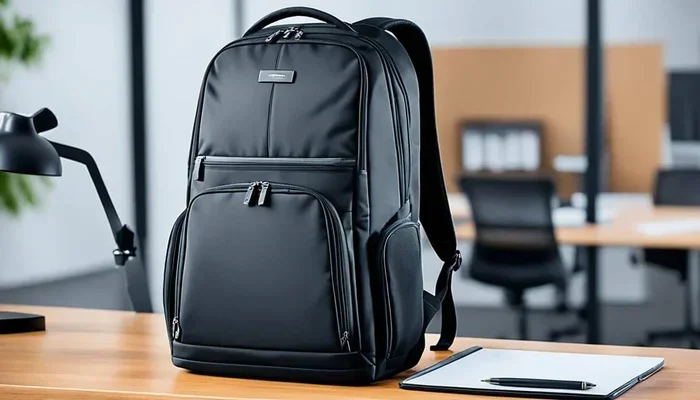
Leather backpacks are the gold standard for professional settings. They look polished, age beautifully, and pair well with both suits and business casual outfits. A minimalist leather backpack in black, brown, or tan works in nearly every office environment. Look for clean lines, minimal hardware, and a structured shape.
Canvas and Waxed Cotton Backpacks
Canvas backpacks offer a smart-casual vibe that works well in creative offices. Waxed cotton adds a layer of durability and water resistance. These materials give off a rugged yet refined feel. A canvas work backpack is perfect for professionals who want a laid-back but put-together look.
Tech-Friendly Backpacks
If you carry a laptop, tablet, and multiple chargers, a tech-friendly backpack is a must. These bags feature padded compartments that protect your devices. Look for backpacks with USB charging ports and dedicated laptop sleeves. Brands that focus on tech-friendly design often balance functionality with a clean, professional aesthetic.
Minimalist Backpacks
Less is more when it comes to office backpacks. A minimalist design with clean lines and a single main compartment looks sleek and intentional. Avoid backpacks with too many pockets, bright colors, or bold patterns for formal settings. A simple design communicates sophistication and professionalism.
How to Style a Backpack for Work
Choosing the right backpack is only half the battle. How you style and carry it makes a huge difference in how professional you look. Here are some practical tips to elevate your backpack game.
Match Your Backpack to Your Outfit
Think of your backpack as part of your outfit. If you wear a suit, a leather backpack in a matching tone works best. For business casual, a canvas or textured backpack adds a modern touch. Coordinate your bag with your shoes or belt for a polished, put-together appearance.
Keep It Clean and Organized
Nothing undermines a professional look faster than a messy backpack. Take a few minutes each evening to tidy up your bag. Remove crumpled papers, empty food wrappers, and stray receipts. A clean backpack shows attention to detail and respect for your workplace. Consider using small organizers or pouches inside your bag to keep everything in place.
Choose the Right Size
An oversized backpack looks bulky and impractical for the office. A backpack that is too small will not hold your essentials. A medium-sized backpack, roughly 20 to 30 liters, is the sweet spot for most work settings. It holds your laptop, a change of clothes, and lunch without looking overstuffed.
Carry It Properly
How you carry your backpack matters more than you think. When entering a meeting or sitting at your desk, hang your backpack on the back of your chair or place it neatly beside you. Never toss it on a shared table or the floor. Good backpack etiquette shows professionalism and consideration for others around you.
Backpack Etiquette in the Workplace
Every workplace has unwritten rules about personal items. Backpacks are no exception. Following basic etiquette ensures your bag choice never becomes a talking point.
Where to Place Your Backpack
At your desk, hang your backpack on the chair or tuck it under the desk. In shared spaces like conference rooms, place it against the wall or under the table. Never drape your backpack over the back of a chair where someone else needs to sit. This small gesture shows respect for shared spaces.
What to Avoid
Steer clear of backpacks with loud slogans, ripped fabric, or visible stains. Avoid gym-style bags with mesh pockets and drawstrings. A backpack with a gym vibe sends the wrong message in most professional settings. Keep your bag looking intentional and work-ready at all times.
Switch Bags When Needed
Some professionals keep two bags: one for commuting and one for the office. You can carry your backpack to work and switch to a smaller bag once you arrive. This approach works well in formal offices where a backpack might feel too casual. It gives you the best of both worlds.
Common Mistakes People Make With Work Backpacks
Even with the best intentions, it is easy to make mistakes when carrying a backpack to work. Here are the most common pitfalls and how to avoid them.
Choosing a Gym Bag Instead of a Work Backpack
Not every backpack is designed for professional use. Gym bags with bright colors, mesh sides, and sporty logos do not belong in the office. Always choose a backpack designed specifically for work or travel. These bags feature cleaner designs and more appropriate materials.
Overpacking
Stuffing your backpack with too many items creates a bulky, unprofessional silhouette. Be selective about what you carry each day. Use a packing list to avoid overloading your bag. Only bring what you need and store the rest in a locker or desk drawer.
Ignoring Your Office Dress Code
Wearing a casual backpack to a formal office is a mismatch that everyone notices. Always consider your workplace dress code when choosing a backpack. When in doubt, opt for a more refined and understated design. It is better to be slightly overdressed than underdressed.
Neglecting Bag Maintenance
A worn-out backpack undermines your professional image. Faded fabric, broken zippers, and scuffed leather all signal neglect. Clean and condition your backpack regularly to keep it looking sharp. A well-maintained bag lasts longer and looks more professional.
Backpacks vs. Other Work Bag Options
Backpacks are not the only option for carrying your work essentials. Let us compare them with other popular choices so you can make an informed decision.
| Bag Type | Best For | Professional Look | Hands-Free | Capacity |
|---|---|---|---|---|
| Backpack | Commuting, travel, tech-heavy roles | Good with the right style | Yes | High |
| Messenger Bag | Business casual, creative roles | Very good | One shoulder | Medium |
| Briefcase | Corporate, formal settings | Excellent | One hand | Medium |
| Tote Bag | Creative offices, remote work | Good | One arm | Medium-High |
| Duffel Bag | Gym, travel days only | Poor for office | One shoulder | Very High |
Each bag type has its strengths. A messenger bag offers a classic professional look with easy access. A briefcase remains the most formal option for corporate environments. A tote bag works well for creative professionals who carry fewer electronics. But for hands-free convenience and high capacity, the backpack wins every time.
Expert Insights on Wearing Backpacks to Work
We spoke with career coaches and fashion professionals about the backpack debate. Here is what they had to say.
Sarah Mitchell, Corporate Image Consultant: “The stigma around backpacks at work is fading fast. What matters is the design and how you carry it. A structured leather backpack with clean lines looks just as professional as a briefcase in most modern offices.”
James Torres, HR Director at a Fortune 500 Company: “We do not have a strict ban on backpacks. Our employees are judged by their work, not their bags. That said, we encourage a polished appearance, and a well-chosen backpack fits right in with our business casual culture.”
Dr. Lisa Chen, Workplace Psychologist: “What you carry says something about how you approach your work. A neat, organized backpack signals that you are prepared and efficient. A messy or overly casual bag can create a negative first impression.”
These expert opinions confirm that backpacks for work are widely accepted as long as you make thoughtful choices about style, material, and maintenance.
Quick Tips for Choosing the Perfect Work Backpack
- Pick neutral colors: Black, navy, gray, and brown work in every office.
- Choose a structured design: Avoid floppy or overly soft bags that look casual.
- Check the laptop compartment: Make sure it fits your device securely.
- Look for quality zippers and hardware: Durable details signal a well-made bag.
- Test the comfort: Padded straps and a breathable back panel make long commutes bearable.
- Read reviews: Real user feedback helps you avoid poorly made bags.
- Set a budget: A good work backpack ranges from $50 to $200 depending on material and brand.
Final Thoughts
So, are backpacks appropriate for work? The answer is a clear yes. A well-chosen backpack can be just as professional and polished as any other work bag. The key is understanding your workplace culture, selecting the right style, and maintaining a clean, organized look.
Whether you carry a sleek leather backpack to a corporate office or a tech-friendly canvas bag to a startup, your backpack can work for you. Focus on quality, fit, and professionalism, and your bag choice will never hold you back.
The next time someone questions your backpack at work, smile confidently. You know the answer: Are backpacks appropriate for work? Absolutely.
Frequently Asked Questions
Can I wear a backpack to a corporate job interview?
A backpack can work for a corporate interview if it is sleek, leather, and neutral in color. However, a briefcase or structured messenger bag is often a safer choice for very formal interview settings. Always research the company culture beforehand to make the best impression.
What is the best backpack material for a professional office?
Leather and high-quality canvas are the most professional materials for an office backpack. They look refined and durable. Avoid nylon gym bags or bags with flashy logos. A professional leather backpack fits almost any office dress code with ease.
Are backpacks appropriate for women at work?
Absolutely. Women can absolutely wear backpacks to work. The same rules apply: choose a structured design, neutral colors, and a size that fits your essentials without looking bulky. Many brands now offer stylish backpacks for women designed specifically for professional settings.
How do I carry a backpack in a formal office without looking casual?
Hang your backpack on the back of your chair or place it neatly beside your desk. Avoid wearing it on your front or draping it over furniture. A minimalist, leather, or structured design looks far more polished than a sporty or oversized bag.
Is a backpack better than a briefcase for commuting?
For most commuters, a backpack is more practical. It distributes weight evenly, leaves your hands free, and holds more items. However, in very formal offices, a briefcase may be expected. A hybrid approach works well for those who want the comfort of a backpack with the formality of a briefcase.
What size backpack is best for daily office use?
A medium-sized backpack, typically 20 to 30 liters, is ideal for daily office use. It comfortably fits a laptop, charger, lunch, and a few personal items without looking oversized. Avoid backpacks larger than 35 liters for the office, as they tend to look bulky and impractical.
=== CONCLUSION ===
Are backpacks appropriate for work? The evidence is clear: yes, they are. With the right choice of material, style, and size, a backpack fits seamlessly into any professional environment. From creative startups to corporate offices, professionals everywhere are discovering the comfort and practicality of a well-chosen work backpack. Focus on keeping your bag clean, organized, and styled to match your office culture, and you will carry your backpack with confidence every single day.