How Can My Child Safely Listen To Music Without A Phone
Learning how can my child listen to music without a phone is easier than you think. There are many safe, screen-free options designed specifically for kids, from dedicated MP3 players to child-friendly audio devices. These solutions give children access to their favorite tunes while protecting their privacy, safety, and healthy screen habits. Parents can choose from affordable music players, volume-limited headphones, and kid-safe apps that work offline. This guide covers every option so you can find the perfect fit for your family.
Every parent knows the struggle. You want your child to enjoy music, but handing over a smartphone feels risky. Screens, social media, distractions — the list goes on. So what do you do? The good news is that there are plenty of ways for kids to enjoy their favorite songs without ever touching a phone.
Learning how can my child listen to music without a phone opens up a world of safe, simple, and affordable options. From small music players built just for kids to headphones that cap the volume, the solutions are better than ever. This guide walks you through every option so you can make the best choice for your family.
Music matters for children. It helps with brain development, mood, creativity, and even sleep. But the device they listen on matters just as much. A phone brings unnecessary exposure to apps, ads, and online content that kids are not ready for. That is exactly why standalone music devices are gaining popularity among parents who want screen-free entertainment for their children.
Key Takeaways
- Dedicated MP3 players are the simplest way to give kids music without a phone.
- Kid-safe headphones with volume limits protect young ears from damage.
- Screen-free music solutions help reduce screen time and improve focus.
- Parental controls let you manage what your child listens to.
- Affordable options exist for every budget, from under $20 to premium devices.
- Building healthy listening habits early sets kids up for a lifetime of safe music enjoyment.
📑 Table of Contents
Why Kids Need Music Without Phones
You might wonder why it even matters. Can’t kids just use a phone safely? The truth is, phones are designed to keep users engaged. They pull children into a world of notifications, videos, and endless scrolling. Music should be simple and joyful, not a gateway to distraction.
The Screen Time Problem
Children today spend far too much time in front of screens. The American Academy of Pediatrics recommends limiting screen time for kids, especially those under six. Adding a phone just for music defeats the purpose of setting healthy boundaries. A dedicated music player removes the screen entirely and keeps the focus on listening.
Privacy and Safety Concerns
Smartphones connect to the internet. That means access to social media, messaging, and inappropriate content. Even with parental controls, the risk remains. A standalone music player keeps your child offline and safe. There are no ads, no in-app purchases, and no chance of stumbling onto something unwanted.
Hearing Health for Kids
Children’s ears are still developing. Loud music through earbuds can cause permanent damage over time. Using kid-safe headphones with built-in volume limits is one of the smartest things a parent can do. Many dedicated music devices pair perfectly with these safe listening tools.
Best Devices for Kids to Listen to Music Without a Phone
When it comes to screen-free music solutions for children, the market has grown significantly. Here are the top categories of devices that let kids enjoy music safely.
Kid-Specific MP3 Players
MP3 players are the go-to choice for parents seeking a simple, no-fuss music device. These small, affordable gadgets store music directly and play it back without any internet connection. Think of them as the iPod era, but updated for modern families.
Popular options include:
- SanDisk Clip Sport — A tiny clip-on player with a built-in headphone jack. Great for younger kids.
- AGPtEK MP3 Player — Budget-friendly with a color screen and easy navigation.
- MEE Audio M6 — A durable player designed with kids in mind.
Most of these players cost between $15 and $50. They connect to a computer via USB cable to load songs. No Wi-Fi, no apps, no distractions — just pure music.
Child-Friendly Audio Devices
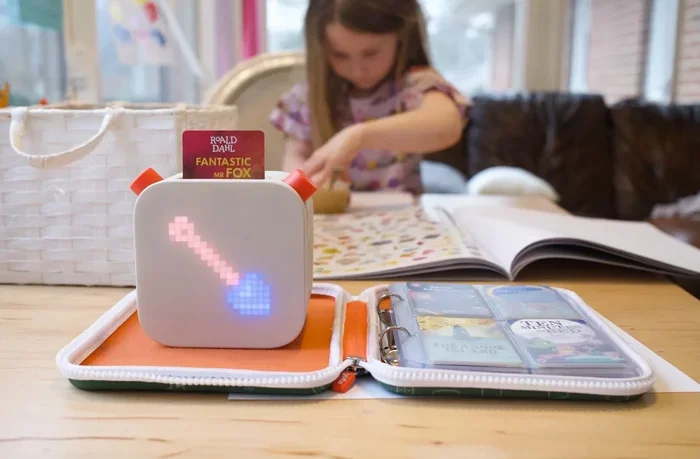
Some companies now make audio devices designed specifically for children. These are more advanced than basic MP3 players and often include features like parental controls, durable builds, and fun designs.
Examples include:
- VTech KidiBuzz — A kid-safe device that plays music, games, and messages in a controlled environment.
- Tocoboo MP3 Player — A colorful, durable player with a built-in speaker and headphone jack.
- Sony Walkman — A classic brand that now offers simple, screen-free models perfect for older kids.
These devices often come with parental control features that let you manage content. Some even include educational games to keep kids engaged in a healthy way.
Tablet-Based Music Players (Without the Phone)
If your child is older and wants more features, consider a dedicated tablet used only for music and audio. These are not phones, so they lack calling and messaging features. You can load music, podcasts, and audiobooks onto them.
Options to consider:
- Amazon Fire Tablet (Kids Edition) — Comes with a kid-proof case and parental controls.
- Samsung Galaxy Tab A7 Lite — Affordable and great for media consumption.
- Apple iPad (9th Generation) — Works well with Apple Music and other kid-safe apps.
The key is to set up the device properly. Remove all non-essential apps, disable internet access, and load only music content. This creates a safe, focused music experience without the risks of a smartphone.
Kid-Friendly Music Apps and Platforms
Even without a phone, your child can access a wide library of music. The trick is using kid-safe music platforms that work on standalone devices or tablets.
Streaming Services with Kid Modes
Many popular streaming services now offer child-friendly versions with curated playlists and parental controls. Here is how they work on non-phone devices:
- Spotify Kids — Available on tablets and computers. Offers age-appropriate playlists, podcasts, and audiobooks.
- Amazon Music Kids — Included with Amazon Prime. Works on Fire tablets with a kid-safe interface.
- Apple Music — Has a dedicated children’s section. Works on iPads and iPods.
- YouTube Kids — Offers music content in a controlled, ad-limited environment.
These platforms let you curate your child’s listening experience. You can create personalized playlists, set time limits, and block inappropriate content. The best part is that many of these services work offline too.
Offline Music Solutions
Not all music needs to come from the internet. Downloading songs and playlists for offline listening is a great way to keep things simple. Here is how to do it:
- Choose a music service that allows offline downloads.
- Download playlists on your own device or computer.
- Transfer the files to your child’s MP3 player or tablet.
- Let your child enjoy music without any internet connection.
This method is perfect for car rides, flights, and school use. It also saves data and removes any chance of accidental internet browsing.
Podcasts and Audiobooks for Kids
Music is not the only audio option. Children’s podcasts and audiobooks are fantastic alternatives that keep kids engaged without screens. Platforms like Libro.fm, Audible Kids, and Pinna offer curated content for young listeners.
These work beautifully on MP3 players and kid-friendly tablets. They also support learning, imagination, and language development. It is a win-win for entertainment and education.
Safe Headphones for Children
Choosing the right headphones is just as important as choosing the right device. Kids’ ears are delicate, and loud music can cause long-term hearing damage. The right headphones make all the difference.
Volume-Limit Headphones
Volume-limiting headphones cap the sound at a safe level, usually around 85 decibels. This is the threshold recommended by hearing health experts for children. Here are some top picks:
- Puro Sound Labs BT2200 — Bluetooth headphones with built-in volume limiting. One of the best on the market.
- LilGadgets Untangled Pro — Lightweight, comfortable, and volume-limited to 93 dB.
- Kids Earbuds by JLab — Affordable, durable, and designed for small ears.
Always look for headphones that explicitly state volume limiting. Regular adult headphones do not have this safety feature. Investing in proper headphones protects your child’s hearing for years to come.
Wired vs. Wireless for Kids
Both wired and wireless options have pros and cons. Here is a quick comparison:
| Feature | Wired Headphones | Wireless Headphones |
|---|---|---|
| Price | More affordable | Slightly more expensive |
| Battery | No charging needed | Needs regular charging |
| Safety | No Bluetooth radiation concerns | Low-level Bluetooth exposure |
| Compatibility | Works with almost any device | Needs Bluetooth support |
| Durability | Generally more durable | Can be fragile |
For younger children, wired headphones are often the better choice. They are simpler, more reliable, and less expensive. For older kids who want freedom of movement, wireless options with volume limiting work well.
Quick Tips for Safe Listening
- Set a volume limit on the device or use volume-limiting headphones.
- Follow the 60/60 rule — listen at 60% volume for no more than 60 minutes at a time.
- Take listening breaks every 30 to 45 minutes.
- Choose over-ear headphones over earbuds for younger children.
- Teach your child to recognize when music is too loud.
Setting Up Screen-Free Music Time
Once you have the right device and headphones, the next step is creating a routine. Screen-free music time teaches kids to appreciate audio without visual stimulation. Here is how to make it work in your household.
Creating a Music Routine
Consistency helps children build healthy habits. Try these approaches:
- Morning music: Let your child listen to upbeat songs while getting ready for school.
- Car ride playlists: Load a playlist before each trip. Keep the screen off.
- Homework background music: Soft instrumental music can help with focus.
- Quiet time listening: Audiobooks or calming music during rest periods.
The key is to make music a standalone activity, not something paired with a screen. This helps children develop a healthier relationship with audio entertainment.
Managing Screen Time with Music
Music can actually help reduce overall screen time. When children have a dedicated music device, they are less likely to reach for a phone or tablet. Use music as a positive alternative to screen-based entertainment.
Try these strategies:
- Offer music time as a reward instead of extra screen time.
- Create a “music corner” in your home with the player and headphones.
- Let your child pick their own songs and build playlists.
- Set specific times for music listening, such as after school or before bed.
Expert Insights
Child development experts agree that music without screens supports cognitive growth and emotional regulation. Dr. Laura Jana, a pediatrician and author, notes that “screen-free activities like listening to music help children develop focus, creativity, and self-soothing skills.”
The goal is not to eliminate technology but to use it wisely. A dedicated music player is a perfect middle ground. It gives children access to the benefits of music without the downsides of smartphone use.
Building Healthy Listening Habits for Kids
Buying the right device is only half the battle. Teaching your child how to listen safely and responsibly creates lifelong habits. Here is how to build a strong foundation.
Age-Appropriate Music Choices
Not all music is suitable for every age group. Curate playlists that match your child’s age and maturity level. Here are some guidelines:
- Ages 3-6: Nursery rhymes, children’s songs, and simple instrumental music.
- Ages 7-10: Pop music, kid-friendly podcasts, and educational songs.
- Ages 11-13: A wider range of genres with occasional parental guidance.
- Ages 14+: More independence, but still discuss music choices openly.
Teaching Volume Awareness
One of the most important lessons is volume control. Teach your child the “conversation test” — if they cannot hear someone talking to them while listening to music, the volume is too loud. This simple rule helps protect their hearing.
Encouraging Music Appreciation
Music is more than background noise. Help your child develop a deeper appreciation by:
- Discussing the songs they listen to.
- Introducing them to different genres and instruments.
- Attending live music events together when possible.
- Encouraging them to learn an instrument or sing.
When children understand and appreciate music, they listen more mindfully. This naturally leads to healthier listening habits and a more meaningful relationship with music.
Common Mistakes Parents Make
Even well-meaning parents can make missteps when setting up music for their children. Here are the most common mistakes to avoid.
Using Regular Adult Headphones
Adult headphones do not have volume limits. This means your child can turn the music up to dangerous levels without any protection. Always invest in child-specific headphones with built-in volume limiting.
Ignoring the Device’s Content
Even on a standalone music player, content quality matters. Make sure the music library you provide is appropriate. Check lyrics, preview songs, and create curated playlists rather than giving unrestricted access.
Overcomplicating the Setup
The best music solution is one your child can use independently. If the device is too complicated, your child will get frustrated and may ask for a phone instead. Keep it simple and age-appropriate.
Skipping the Conversation
Talk to your child about why you chose a specific music setup. Explain the benefits of screen-free listening, safe volume levels, and responsible use. When kids understand the “why,” they are more likely to follow the rules.
Key Takeaways
- Dedicated MP3 players are the simplest, most affordable way to give kids music without a phone.
- Kid-safe headphones with volume limits protect young ears from damage.
- Screen-free music solutions help reduce screen time and improve focus.
- Parental controls on music platforms let you manage your child’s listening experience.
- Affordable options exist for every budget, from under $20 to premium devices.
- Building healthy listening habits early sets kids up for a lifetime of safe music enjoyment.
Conclusion
Understanding how can my child listen to music without a phone is one of the best decisions a parent can make. It keeps children safe, reduces screen time, and nurtures a healthy relationship with music. The options are plentiful, affordable, and easier than ever to set up.
Whether you choose a simple MP3 player, a kid-friendly audio device, or a tablet loaded only with music, the key is to keep it simple, safe, and screen-free. Pair any device with volume-limited headphones and curated playlists for the best experience.
Start small. Pick one device that fits your child’s age and your budget. Set it up together. And watch your child discover the joy of music in its purest form — no phone required.
Your child deserves the best listening experience, and you deserve the peace of mind that comes with knowing they are safe. Make the switch today and give your child the gift of screen-free music.
Frequently Asked Questions
What is the best MP3 player for kids?
The SanDisk Clip Sport and AGPtEK MP3 Player are two of the best options for younger children. They are affordable, durable, and easy to use. For older kids, the Sony Walkman offers a more mature design with excellent sound quality. All of these players work offline and require no internet connection.
Are wireless headphones safe for children?
Yes, wireless headphones are safe when they include volume limiting. The Puro Sound Labs BT2200 and LilGadgets Untangled Pro are excellent choices. Always check that the headphones cap the volume at or below 85 decibels, which is the safe listening threshold for children.
Can my child listen to music offline on a tablet?
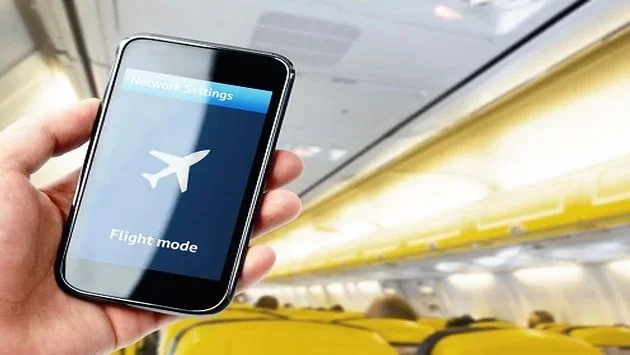
Absolutely. You can download songs and playlists from Spotify Kids, Amazon Music Kids, or Apple Music onto a tablet. Then disable Wi-Fi or use airplane mode. This creates a completely offline music experience with no internet access or distractions.
How do I set up parental controls on a music device?
Most kid-friendly devices and tablets come with built-in parental controls. On Amazon Fire tablets, use the FreeTime Unlimited feature. For MP3 players, simply pre-load the music library yourself. For streaming services, create a child account and manage settings from your parent dashboard.
What age is appropriate for a child to have a music player?
Children as young as three can use a simple MP3 player with adult headphones. By age six or seven, most kids can handle a kid-friendly player with their own volume-limited headphones. The key is to match the device to your child’s age, maturity, and ability to follow listening rules.
How can I limit my child’s music listening time?
Set specific times for music listening, such as after school or during car rides. Use a timer if needed. For tablets, most devices have built-in screen time controls that can limit usage to certain hours. Building a routine helps children develop balanced listening habits naturally.