Can A Projector Replace A Tv And Why You Should Try
So, can a projector replace a tv? The short answer is yes, and many homeowners are making the switch for a bigger, more cinematic viewing experience. A projector offers a much larger screen than any standard television, making movie nights feel like a real theater. However, there are trade-offs in brightness, cost, and setup that you need to understand before buying. This guide covers everything you need to know about replacing your tv with a projector.
Have you ever sat back on a movie night and thought your tv screen size just wasnt cutting it? You are not alone. More and more people are asking the same question: can a projector replace a tv? The idea of filling an entire wall with a big, bright picture sounds amazing. But is it really practical for everyday use? Let us dive into this topic and find out.
The truth is, a home theater projector has come a long way in recent years. What used to be a bulky, expensive setup is now sleek, affordable, and incredibly easy to use. Whether you are a casual viewer or a serious movie fan, the projector vs tv debate is worth exploring. In this article, we will look at the real differences, the costs, the setup, and the pros and cons of each option. By the end, you will know exactly whether a projector is the right choice for your living room.
Key Takeaways
- Bigger Screen Size: A projector can deliver a screen size of 100 inches or more, far exceeding any standard tv screen.
- Cost Considerations: Projectors range widely in price, and the total cost includes the projector, screen, and possibly a sound system.
- Image Quality Has Improved: Modern 4K projectors and smart projectors offer stunning picture quality that rivals many televisions.
- Setup Matters: Proper projector installation and ambient light control make a huge difference in your viewing experience.
- Lamp Life and Maintenance: Projector lamp life varies, and LED projectors offer longer-lasting performance with less upkeep.
- Eye Comfort: Projectors reflect light rather than emitting it directly, which can reduce projector eye strain during long viewing sessions.
- Best for Dark Rooms: A projector works best in a room with controlled lighting, making it ideal for dedicated home theater spaces.
📑 Table of Contents
- What Happens When You Swap Your TV for a Projector
- The Big Differences Between a Projector and a TV
- Why a Projector Might Be the Better Choice for You
- Common Mistakes People Make When Switching to a Projector
- How to Set Up a Projector for the Best Experience
- Is a Projector Worth the Investment?
- Conclusion
What Happens When You Swap Your TV for a Projector
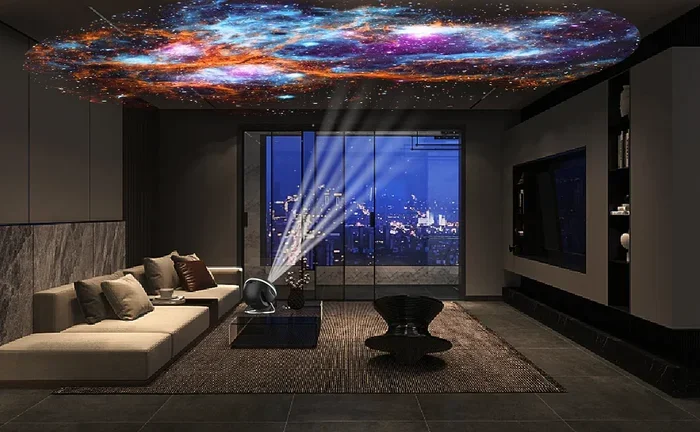
Making the switch from a tv to a projector changes more than just the size of your picture. It changes the whole feel of your room. Suddenly, your living room becomes a mini cinema. Friends and family gather around a massive display, and even regular TV shows feel more immersive. But the change is not all magic and wonder. There are real practical differences you need to understand.
The first thing you will notice is the viewing experience. A projector creates a large image by casting light onto a surface. A tv, on the other hand, emits light directly from the screen. This fundamental difference affects brightness, color, and how the image looks in different rooms. Let us break down the big differences between these two devices.
Screen Size: The Biggest Advantage of a Projector
Nothing beats a projector when it comes to screen size. Even the biggest tv screen size options top out around 85 inches. A projector can easily fill a wall with a 100-inch, 120-inch, or even 150-inch image. That is a massive difference. When you watch a football game or a movie on a screen that large, it feels completely different. You are no longer watching a screen; you are inside the action.
Here are some quick numbers to consider:
- A 55-inch tv is a common living room size.
- A 75-inch tv is considered large and premium.
- A projector can comfortably display a 100-inch image from just a few feet away.
- Short throw projectors can produce a 100-inch image from less than five feet.
For many people, that size difference alone is enough to make the switch. But size is not the only factor. Let us look at what else changes.
Brightness: Where TVs Still Win
One of the biggest challenges with a projector is brightness. A tv brightness level on a modern LED or OLED tv can reach 1,000 nits or more. Most projectors, even good ones, produce between 2,000 and 3,000 lumens. The problem is that a projector has to send light across a room and onto a wall or screen, which spreads it out. A tv sends light straight at your eyes.
This means a projector works best in darker rooms. If your living room has big windows and lots of natural light, a projector image might look washed out. You can improve this with ambient light rejection screens, but they add cost. For a dedicated home theater room with blackout curtains, a projector shines. For a bright daytime living room, a tv still has the edge.
Image Quality and Resolution
Modern 4K projector models offer incredible image quality that can rival mid-range to high-end televisions. The projector resolution options now include full 4K (3840 x 2160), which gives you sharp, detailed pictures. Some projectors also offer high dynamic range (HDR), which improves contrast and color depth.
However, there is a difference in how each device handles contrast. A tv produces deep blacks because each pixel emits its own light. A projector projects light onto a surface, so blacks tend to look more like dark grays in bright rooms. In a dark room, a projector can produce impressive blacks that rival a good tv. The projector contrast ratio plays a big role here. Higher contrast means better detail in dark scenes.
The Big Differences Between a Projector and a TV
Understanding the core differences between a projector vs tv setup helps you make a smarter buying decision. Let us compare them side by side across several key areas.
| Feature | Projector | TV |
|---|---|---|
| Screen Size | 80 to 150+ inches | 43 to 85 inches |
| Brightness | Lower in bright rooms | Excellent in all lighting |
| Portability | Highly portable | Bulky, wall-mounted |
| Running Cost | Lower per hour | Higher per hour |
| Lifespan | Varies by type | 50,000+ hours for LED |
| Setup Complexity | Moderate | Simple plug and play |
| Eye Comfort | Better for long sessions | Can cause fatigue |
| Upfront Cost | Varies widely | More predictable |
As you can see, each option has clear strengths. A projector wins on size and flexibility. A tv wins on convenience and brightness. Your choice depends on your priorities and your room setup.
Projector Lamp Life vs TV Lifespan
One thing many people overlook is the projector lamp life. Traditional bulb projectors need lamp replacements every 2,000 to 5,000 hours. That can add to the ongoing cost. However, LED projectors and laser projectors last much longer, often 20,000 hours or more. Compare that to a modern tv, which can easily last 50,000 hours or more with daily use.
The good news is that LED projector technology has improved dramatically. Many smart projectors now use LED or laser light sources instead of traditional bulbs. This means less maintenance and a longer overall lifespan. When you factor in the projector warranty that comes with quality models, the long-term cost can be quite reasonable.
Why a Projector Might Be the Better Choice for You
Still wondering if swapping your tv for a projector makes sense? Let us look at the real-world reasons why so many people are making the change. These are not just technical specs; they are practical benefits that affect your daily life.
A Cinema Experience at Home
The number one reason people buy a projector is the experience. Watching a movie on a 120-inch screen with a good sound system is something a tv simply cannot replicate. The image wraps around you in a way that makes you feel like you are in the theater. Even streaming services look more cinematic on a big screen. If you love movie night with family or friends, a projector creates a shared experience that brings people together.
Lower Long-Term Running Costs
Here is something many people do not think about: projectors use less energy than most modern televisions. A large tv can draw 200 watts or more during use. A typical projector uses between 100 and 200 watts, and many LED models use even less. Over the course of a year, this adds up to real savings on your electricity bill. It is a small benefit, but it adds up over time.
Flexible and Portable
Want to watch a movie on the side of your house during a backyard party? A portable projector makes that easy. You can move it from room to room, take it on vacation, or set it up in a bedroom for a late-night show. A living room projector setup gives you flexibility that a wall-mounted tv simply cannot match. This portability is one of the hidden advantages of going with a projector.
Less Projector Eye Strain
Studies suggest that watching a projected image causes less eye fatigue than staring at a direct-emission screen for long periods. Because a projector uses reflected light rather than direct light, your eyes do not work as hard. If you or your family watch a lot of television, this can be a meaningful benefit. Over a long movie or a full sports season, your eyes will thank you.
Smart Features Are Now Standard
Gone are the days when you needed a separate media player with a projector. Today, many smart projector models come with built-in apps, Wi-Fi, and streaming support. You can connect to Netflix, YouTube, Disney+, and other services directly. Some even have voice control built in. The gap between a smart projector and a smart tv has narrowed significantly, making the projector a truly all-in-one entertainment solution.
Common Mistakes People Make When Switching to a Projector
Switching from a tv to a projector is exciting, but it is easy to make mistakes that ruin the experience. Here are some common pitfalls and how to avoid them.
Buying the Wrong Brightness
One of the biggest mistakes is buying a projector that is not bright enough for your room. If you have a bright living room, a dim projector will produce a washed-out, disappointing image. Look for at least 3,000 lumens for rooms with some ambient light. For dedicated home theater rooms with blackout curtains, 1,500 to 2,000 lumens may be enough. Always match the projector brightness to your room conditions.
Ignoring Throw Distance
Every projector has a specific throw distance, which is the distance between the projector and the screen. If you do not measure your room before buying, you might end up with a projector that cannot fit in your space. Short throw projectors solve this problem by producing a large image from a shorter distance. A short throw projector is a great option if you have a small room or limited placement options.
Forgetting About Sound
Most built-in projector speakers are weak and tinny. A big screen with poor sound does not make a great entertainment setup. Plan your budget to include a soundbar, a basic speaker system, or even a full surround sound setup. The audio experience is just as important as the picture, and it makes a huge difference in how immersive your viewing feels.
Not Using a Proper Screen
Throwing a projector onto a white wall might work in a pinch, but it will not give you the best results. A proper projector screen improves brightness, contrast, and color accuracy. There are affordable screens available for every budget. Even a simple pull-down screen makes a noticeable difference compared to a bare wall. This is one of the easiest upgrades you can make to improve your setup.
How to Set Up a Projector for the Best Experience
Setting up a projector is easier than most people think. With a few simple steps, you can have a stunning big-screen setup in your living room or basement. Here is a practical guide to getting the best results.
Step 1: Choose the Right Room
The ideal room for a projector is one where you can control the light. A basement, a dedicated media room, or a bedroom with blackout curtains works great. If you must use a bright living room, look for a projector with high brightness and an ambient light rejection screen. The room you choose has a big impact on the final image quality.
Step 2: Position the Projector Correctly
Place the projector at the right distance from the screen. Check the manufacturer’s throw ratio to find the perfect placement. A projector mounted on a ceiling or placed on a sturdy table works well. Make sure the projector is level so the image does not appear tilted. Some projectors have keystone correction to fix this, but getting the placement right from the start gives the best picture quality.
Step 3: Connect Your Devices
Most projectors come with HDMI ports, so connecting a streaming stick, a game console, or a cable box is simple. For a clean setup, consider running cables through the wall or using wireless streaming options. A projector installation does not have to be complicated. Start with the basics and add upgrades as needed.
Step 4: Adjust the Picture Settings
Take a few minutes to adjust the brightness, contrast, and color settings on your projector. Most projectors come with a movie or cinema mode that looks great right out of the box. Turn off any overly bright or vivid presets. A balanced picture with accurate colors gives you the most natural and comfortable viewing experience.
Is a Projector Worth the Investment?
The final question most people ask is whether a projector is worth the money. The answer depends on your priorities, your room, and how you plan to use it.
If you love big screens, enjoy hosting movie nights, and have a room where you can control the lighting, a projector is a fantastic choice. The projector cost has come down significantly, and you can get a great 4K smart projector for a reasonable price. When you factor in the entertainment value and the wow factor, many people find that the investment pays off quickly.
On the other hand, if you watch television during the day in a bright room, need a simple plug-and-play setup, or prefer a compact solution, a tv might still be the better option. A tv cost is more predictable, and modern televisions offer excellent picture quality with minimal setup.
The projector vs tv decision really comes down to your lifestyle and your space. Neither option is objectively better. They are simply different tools for different needs.
Quick Tips for Making the Switch
- Start with a mid-range 4K projector to see if you like the experience before investing in a high-end model.
- Invest in a basic projector screen. It makes a bigger difference than most people expect.
- Test your projector in your actual room before committing to a permanent setup.
- Consider an LED projector for lower maintenance and longer lifespan.
- Pair your projector with a simple soundbar for a complete home theater experience.
- Check the projector warranty and return policy before purchasing.
Expert Insight
Many home theater enthusiasts say the switch to a projector was the best upgrade they ever made. The combination of screen size, immersion, and shared viewing experiences creates something a tv simply cannot match. If you have the space and the willingness to set things up properly, a projector can truly transform how you watch content at home.
Conclusion
So, can a projector replace a tv? The answer is a clear yes, for the right situation. A projector offers a larger, more immersive screen that turns any room into a home theater. The technology has improved dramatically, and modern projectors deliver excellent image quality, smart features, and easy setup. At the same time, a tv still wins in bright rooms and in simplicity of use.
Think about your room, your viewing habits, and your budget. If a big screen and cinematic experiences matter most to you, a projector is absolutely worth trying. The projector vs tv debate does not have a single winner. It has the right answer for you. Take the time to explore your options, and you might just find that your next entertainment setup is a projector, not a tv.
Making the switch is easier than ever. With so many affordable options available today, there has never been a better time to go big. Give it a try, and you might wonder why you ever watched anything on a small screen at all.
Frequently Asked Questions
Can a projector replace a tv for everyday watching?
Yes, a projector can absolutely handle everyday watching. Modern smart projectors come with built-in apps and streaming support, so you can watch your favorite shows and movies just like you would on a tv. The experience is different, but many people prefer the larger screen for daily use.
What is the best projector brightness for a living room?
For a living room with some natural light, look for a projector with at least 3,000 lumens. This ensures the image stays bright and clear even when the room is not completely dark. For a dedicated home theater room, 1,500 to 2,000 lumens works well.
Is a projector cheaper than a tv in the long run?
Projectors often have lower long-term running costs because they use less electricity than large televisions. However, you need to factor in the cost of replacement bulbs or lamp maintenance for bulb-based models. LED projectors help minimize this expense significantly.
How far should a projector be from the screen?
The throw distance depends on the projector model and the desired screen size. A short throw projector can produce a 100-inch image from about four to five feet away. Always check the manufacturer’s throw ratio before purchasing to make sure it fits your room.
Do projectors cause more eye strain than TVs?
Actually, projectors tend to cause less eye strain because they use reflected light rather than direct light. Your eyes do not have to work as hard to process a projected image, which makes long viewing sessions more comfortable compared to staring at a tv screen.
What else do I need besides a projector?
At a minimum, you will need a projector screen or a suitable wall, a source device like a streaming stick or media player, and a sound system for decent audio. A basic setup can be quite affordable, and you can always upgrade components over time as your budget allows.