Factors Affecting Mobile Phone Market Demand and Supply
The mobile phone market is shaped by many forces working together. Understanding the factors affecting mobile phone market demand and supply helps businesses and buyers make smarter choices. From economic shifts to new technology, every element plays a big role in how phones are made, sold, and bought around the world.
The mobile phone industry is one of the biggest markets in the world today. Every day, millions of people buy, sell, and use smartphones. But have you ever wondered why phone prices go up or down? Or why some brands sell more than others? The answer lies in understanding the factors affecting mobile phone market demand and supply. These factors control everything from how phones are made to how much they cost. Let us break it all down in a way that is easy to follow.
Whether you are a buyer, a seller, or just curious about the tech world, this guide will help you see the bigger picture. We will look at economic forces, technology changes, consumer habits, and global supply chains. Each piece plays a role in shaping the mobile phone market. By the end, you will understand what really moves the numbers behind the screens we all use every day.
Key Takeaways
- Economic conditions drive buying power: Income levels and employment rates directly impact how many phones consumers can afford.
- Technology trends shift demand fast: New features like 5G and better cameras push buyers to upgrade more often.
- Supply chain disruptions cause delays: Global events can slow phone production and raise prices for consumers.
- Consumer behavior shapes the market: Brand loyalty, seasonal buying, and replacement cycles all affect how phones sell.
- Competition keeps prices in check: Many brands fighting for market share leads to better deals and more innovation.
- Emerging markets fuel future growth: Developing regions are where the next wave of mobile phone demand will come from.
📑 Table of Contents
- What Are Market Demand and Supply in the Mobile Phone World?
- Economic Factors That Shape Mobile Phone Markets
- Technology Trends Driving Demand and Supply
- Consumer Behavior and Buying Patterns
- Global Supply Chain and Production Factors
- Competition and Market Dynamics
- Environmental and Social Factors
- Looking Ahead: The Future of Mobile Phone Market Forces
What Are Market Demand and Supply in the Mobile Phone World?
Before we dive into the details, let us set the foundation. Market demand means how many phones people want to buy at different prices. Market supply means how many phones companies are able to produce and sell. When demand goes up and supply stays the same, prices rise. When supply goes up and demand stays the same, prices drop. This basic idea drives the entire mobile phone market.
Think of it like a seesaw. On one side, you have buyers. On the other side, you have sellers. Many things can tip that seesaw. A new phone release can boost demand. A chip shortage can reduce supply. Both sides are always moving, and that movement is what creates the market dynamics we see every day.
Why Understanding These Factors Matters
Knowing what affects demand and supply helps companies make better products. It helps buyers find the best deals. And it helps investors understand where the market is headed. The smartphone market trends we see today are not random. They are the result of many factors working together over time.
Economic Factors That Shape Mobile Phone Markets
Money talks. And in the mobile phone world, it talks a lot. Economic conditions are among the most powerful factors affecting mobile phone market demand and supply. When the economy is strong, people feel confident spending on electronics. When times are tough, they hold onto their old phones longer.
Disposable Income and Purchasing Power
Your disposable income is the money you have left after paying for basics like rent and food. When disposable income rises, people are more willing to spend on new phones. This is why phone sales often go up in growing economies. In places where wages are stagnant, people tend to repair old devices instead of buying new ones.
For example, in countries with strong economies like the United States or Germany, consumers upgrade phones every two to three years on average. But in developing nations, the mobile phone replacement cycle can stretch much longer. This difference shapes how brands set their prices and which markets they target.
Inflation and Pricing Pressure
Inflation is when the cost of goods and services goes up over time. When inflation rises, phone prices can feel too high. Companies then face a tough choice. They can raise prices and risk losing customers, or keep prices steady and accept lower profit margins. This mobile phone pricing challenge affects every brand from Apple to budget phone makers.
During high inflation periods, many consumers turn to refurbished phones or cheaper models. This shifts the consumer electronics demand toward budget-friendly options. Brands that offer quality at lower price points often gain market share during these times.
Employment and Economic Confidence
When people have jobs and feel secure about the future, they spend more. High employment rates boost consumer purchasing behavior in the phone market. When unemployment rises, people cut back on non-essential spending. New phones are often seen as luxury items rather than necessities, even though most of us use them daily.
Technology Trends Driving Demand and Supply
Technology changes fast. And each new innovation creates waves in the mobile device sales landscape. The tech industry never stands still, and neither should we when looking at what drives the market.
5G and Wireless Communication Advances
The rollout of 5G technology has been a game changer. Faster internet speeds and lower latency make phones more useful for work, gaming, and streaming. When a new network technology launches, many consumers feel the urge to upgrade. This boosts technology adoption rate and drives demand for 5G-compatible phones.
However, building 5G infrastructure takes time and money. In areas where 5G coverage is limited, the demand for new phones may not spike as much. This shows how infrastructure and wireless communication market growth are closely linked.
Camera Quality and Display Innovations
Phone cameras have become the main reason many people buy a new device. Better sensors, night mode, and zoom capabilities make phones feel like professional cameras. Display technology also matters a lot. OLED screens, higher refresh rates, and brighter panels all attract buyers.
These features push mobile phone features to the forefront of buying decisions. When a major brand announces a better camera, competitors rush to keep up. This arms race of innovation keeps the market moving and benefits consumers with more choices.
Software Updates and Ecosystem Lock-In
Software plays a big role too. Phones that get long-term updates feel more valuable. Apple’s iOS ecosystem and Google’s Android ecosystem both create strong brand loyalty. When a phone supports the latest apps and security updates, users are less likely to switch brands.
This brand loyalty smartphones effect means that even when a new model is not drastically different, many users will still upgrade. The software experience becomes a key part of the consumer electronics demand equation.
Consumer Behavior and Buying Patterns
People do not buy phones in a vacuum. Their habits, preferences, and social influences all shape the market. Understanding consumer purchasing behavior is essential to grasping why demand shifts happen.
Seasonal Demand and Release Cycles
Phone sales are not spread evenly throughout the year. There are clear peaks and valleys. The biggest sales happen around holiday seasons like Christmas and Black Friday. New phone releases from major brands also create spikes in demand.
For instance, when Apple or Samsung announces a flagship phone in September, sales jump worldwide. This seasonal demand phones pattern is well known in the industry. Retailers plan their inventory and marketing around these cycles to maximize sales.
Brand Loyalty and Switching Costs
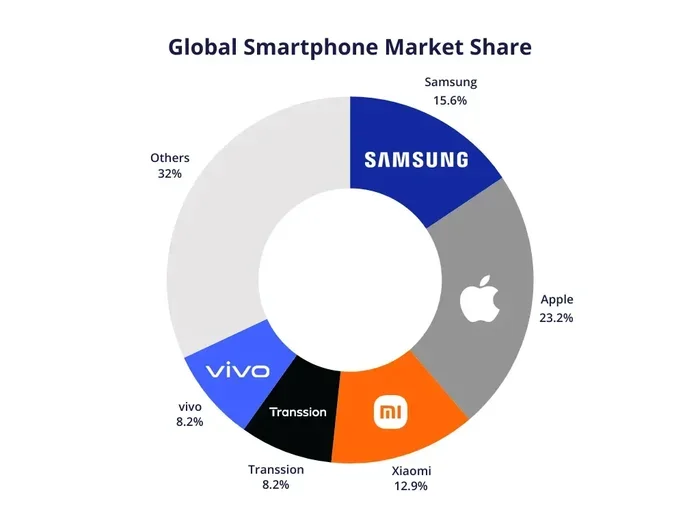
Many people stick with the same brand year after year. Apple users tend to stay with Apple. Samsung loyalists often stay with Samsung. This loyalty reduces market volatility and makes the demand for certain brands more predictable.
Switching brands comes with costs. Users must learn new interfaces, transfer data, and sometimes repurchase apps. These switching costs act as a barrier that keeps demand steady for established brands. Newer brands must work harder to earn that trust.
The Refurbished and Second-Hand Market
Not everyone buys brand new. The refurbished phone market has grown significantly in recent years. People sell their old phones and buy used ones at lower prices. This creates a parallel market that affects overall mobile phone inventory and supply chains.
Refurbished phones extend the mobile phone replacement cycle. Some consumers hold onto their devices longer because they know they can sell them later. This behavior slightly reduces demand for new phones but increases the overall lifespan of devices in circulation.
Global Supply Chain and Production Factors
Making a phone is a complex process that involves many countries and thousands of parts. When something goes wrong in this chain, it affects the entire mobile phone market.
Component Shortages and Manufacturing Delays
Phone makers need chips, screens, batteries, and many other parts. When any of these components become scarce, production slows down. The global chip shortage that started during the COVID-19 pandemic is a perfect example. Factories could not get enough chips, so they made fewer phones.
These supply chain disruptions lead to higher prices and longer wait times for consumers. Brands that have strong relationships with multiple suppliers recover faster. Those that rely on a single source face bigger risks.
Labor Costs and Production Location
Where a phone is made matters a lot. Labor costs in countries like China and Vietnam are lower than in the United States or Europe. This is why most phones are assembled in Asia. But wages are rising in these regions, which slowly pushes mobile phone production costs higher.
Some brands are now moving production to India and other countries. This shift aims to reduce costs and avoid trade tariffs. It also diversifies the supply chain, making it more resilient to future disruptions.
Trade Policies and Tariffs
Governments play a big role through trade policies. Tariffs on imported components or finished phones raise costs for both manufacturers and consumers. Trade wars between major economies can ripple through the wireless communication market and affect phone availability worldwide.
When tariffs go up, brands often pass the cost to buyers. This means higher prices for the same phone. Consumers then buy less, which reduces demand. It is a clear example of how policy decisions directly impact market equilibrium phones and pricing.
Competition and Market Dynamics
The mobile phone market is fiercely competitive. Dozens of brands fight for the attention of billions of users worldwide. This competition shapes both demand and supply in powerful ways.
How Competition Drives Innovation
When many brands compete, they must offer something new. Better cameras, faster processors, longer battery life, and lower prices all come from competitive pressure. This drives smartphone market trends forward and benefits consumers.
Budget brands like Xiaomi and Realme have pushed bigger companies to lower their prices. Meanwhile, premium brands like Apple focus on quality and ecosystem features. This range of options creates a diverse market where different consumers find what they need.
Market Saturation in Developed Countries
In countries like the United States, Japan, and South Korea, most people already own a phone. This market saturation means that growth comes from replacements, not first-time buyers. Brands must convince existing users to switch or upgrade.
This is why mobile phone features and marketing matter so much in developed markets. Without a compelling reason to switch, consumers will hold onto their current device. The mobile phone replacement cycle becomes the main growth driver in these regions.
Emerging Markets as Growth Engines
The real growth in the mobile phone market is happening in emerging economies. Countries in South Asia, Africa, and Latin America are seeing rapid growth in phone ownership. As more people get their first smartphone, demand surges.
Brands that target these markets with affordable devices see the biggest gains. The technology adoption rate in these regions is climbing fast. Affordable 4G and now 5G phones are opening up access to millions of new users who were previously unconnected.
Environmental and Social Factors
Not all factors are economic or technological. Social and environmental concerns are also shaping the mobile phone market in important ways.
Sustainability and Eco-Friendly Design
Consumers are becoming more aware of the environmental impact of their purchases. Many now prefer brands that use recycled materials and offer repair programs. This shift in values affects consumer purchasing behavior and influences which phones sell best.
Companies that invest in sustainable practices often enjoy stronger brand loyalty. They attract environmentally conscious buyers who are willing to pay a premium. This is slowly changing how phones are designed and marketed.
Right to Repair Movement
The right to repair movement is gaining momentum around the world. Consumers want the ability to fix their own phones instead of replacing them. This trend extends the life of devices and reduces demand for new phones in the short term.
However, it also creates opportunities. Companies that offer repair services and spare parts build trust with customers. This can lead to long-term loyalty and a steadier demand pattern over time.
Looking Ahead: The Future of Mobile Phone Market Forces
The factors affecting mobile phone market demand and supply will continue to evolve. New technologies like artificial intelligence, foldable screens, and extended reality could reshape the market again. Economic conditions will keep shifting, and global supply chains will face new challenges.
One thing is clear: the mobile phone market will never stand still. Brands that understand these forces and adapt quickly will thrive. Consumers will benefit from more choices, better prices, and innovative features. The future of the mobile phone market is bright, complex, and full of opportunity.
As we move forward, staying informed about these factors gives everyone an edge. Whether you are buying your next phone or running a business in the tech space, understanding the forces at play helps you make smarter decisions. The factors affecting mobile phone market demand and supply are not just industry jargon. They are the real-world drivers behind every phone in your pocket.
Final Thoughts
The mobile phone market is a living, breathing system. It responds to economic changes, technological breakthroughs, consumer habits, and global events every single day. No single factor works alone. Instead, all these forces interact and create the market landscape we see today. By paying attention to these dynamics, you can stay ahead of the curve. Whether you are a casual buyer or a industry professional, understanding these factors gives you valuable insight into one of the most important markets in the modern world.
Frequently Asked Questions
What are the main factors affecting mobile phone market demand and supply?
The main factors include economic conditions like disposable income and inflation, technology trends such as 5G and camera innovations, consumer behavior patterns like brand loyalty and seasonal buying, global supply chain disruptions, trade policies, and competition among brands. Each of these elements interacts with the others to shape how phones are made, priced, and sold worldwide.
How does inflation impact mobile phone pricing?
Inflation raises the cost of producing phones, from raw materials to labor. Companies may pass these higher costs to consumers through increased prices. During inflationary periods, many buyers shift toward budget phones or refurbished devices, which changes the overall demand pattern in the mobile phone market.
Why do supply chain disruptions affect phone availability?
Phones are made from thousands of components sourced from different countries. When a disruption occurs, such as a chip shortage or factory shutdown, production slows down. This reduces the number of phones available for sale, leading to higher prices and longer wait times for consumers.
How does consumer behavior influence the mobile phone replacement cycle?
Consumer habits directly shape how often people buy new phones. Brand loyalty, satisfaction with current devices, and awareness of new features all play a role. In developed markets, most consumers replace phones every two to three years, while in emerging markets, the cycle can be much longer due to cost considerations.
What role does competition play in the smartphone market?
Competition pushes brands to innovate and offer better features at lower prices. When many brands compete for the same customers, the market becomes more dynamic. This benefits consumers through more choices, better quality, and competitive mobile phone pricing across different segments.
How are emerging markets changing the mobile phone demand landscape?
Emerging markets in Asia, Africa, and Latin America are seeing rapid growth in smartphone adoption. As more people get their first phones, demand surges in these regions. Brands targeting affordable devices in these markets are driving much of the future growth in the mobile phone market.
=== CONCLUSION ===
The factors affecting mobile phone market demand and supply are wide-ranging and deeply interconnected. From economic conditions and technology trends to consumer habits and global supply chains, every piece of the puzzle matters. Understanding these factors gives you a clearer view of why phones cost what they do and why certain brands succeed while others struggle.
The mobile phone market is not static. It evolves with every new technology, every economic shift, and every change in consumer behavior. Staying informed about these dynamics helps you make smarter buying decisions and understand where the industry is headed. Whether you are a consumer looking for the best deal or a professional tracking smartphone market trends, the insights in this guide give you a solid foundation to work from.